




The 2721 glass cutting line is a game-changing answer for OEM manufacturing in the glass industry. It solves some of the most important problems that current production facilities face. Traditional manual methods can't compare to this advanced automatic system's ability to cut precisely, improve working efficiency, and offer amazing cost-effectiveness. The 2721 glass cutting line combines cutting-edge technology with proven industrial stability to help OEM makers make better products while cutting down on labor costs and production waste. This is important in today's competitive market.
Understanding the Role of the 2721 Glass Cutting Line in OEM Manufacturing
One important piece of equipment is the HSL-LSX2721 model, which was made to meet the demanding needs of OEM makers who need their glass processing to be both precise and efficient. This high-tech cutting system uses advanced machinery to make sure that all production settings can get uniform, high-quality glass cuts.
Core Functionality and Technical Architecture
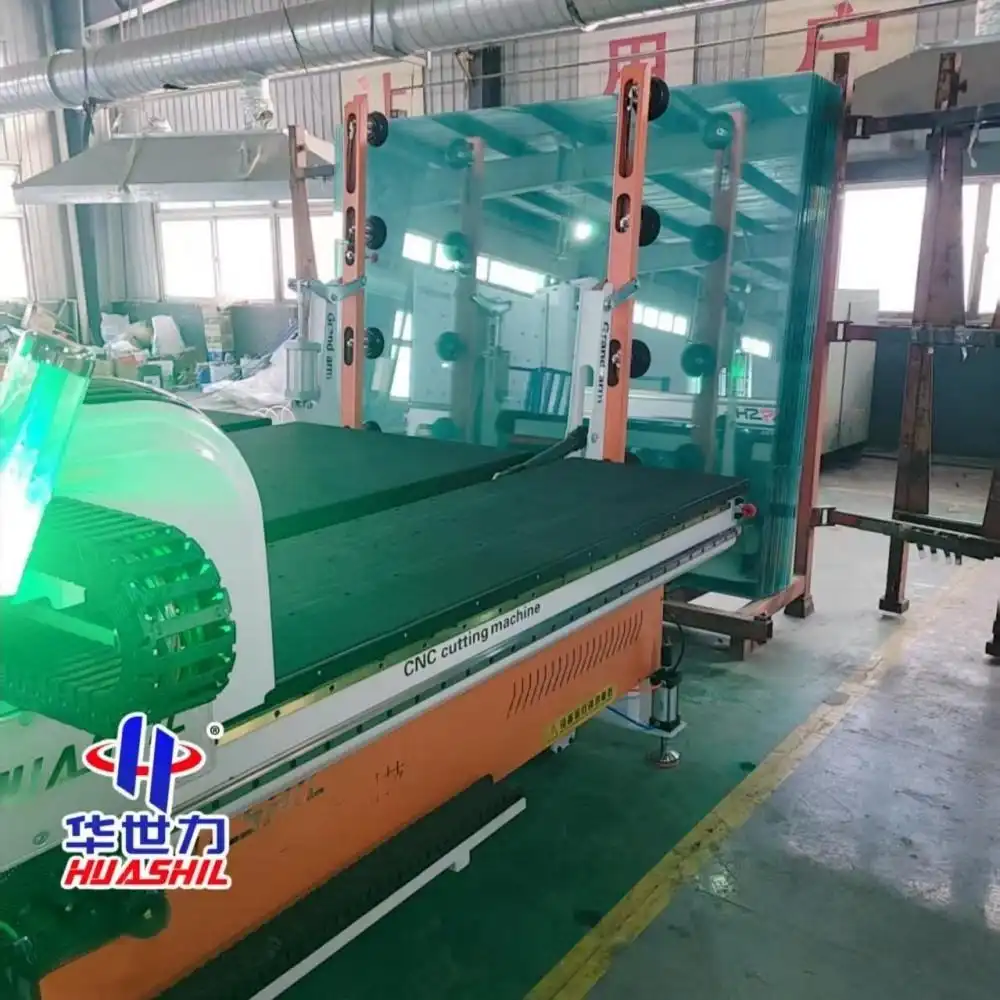
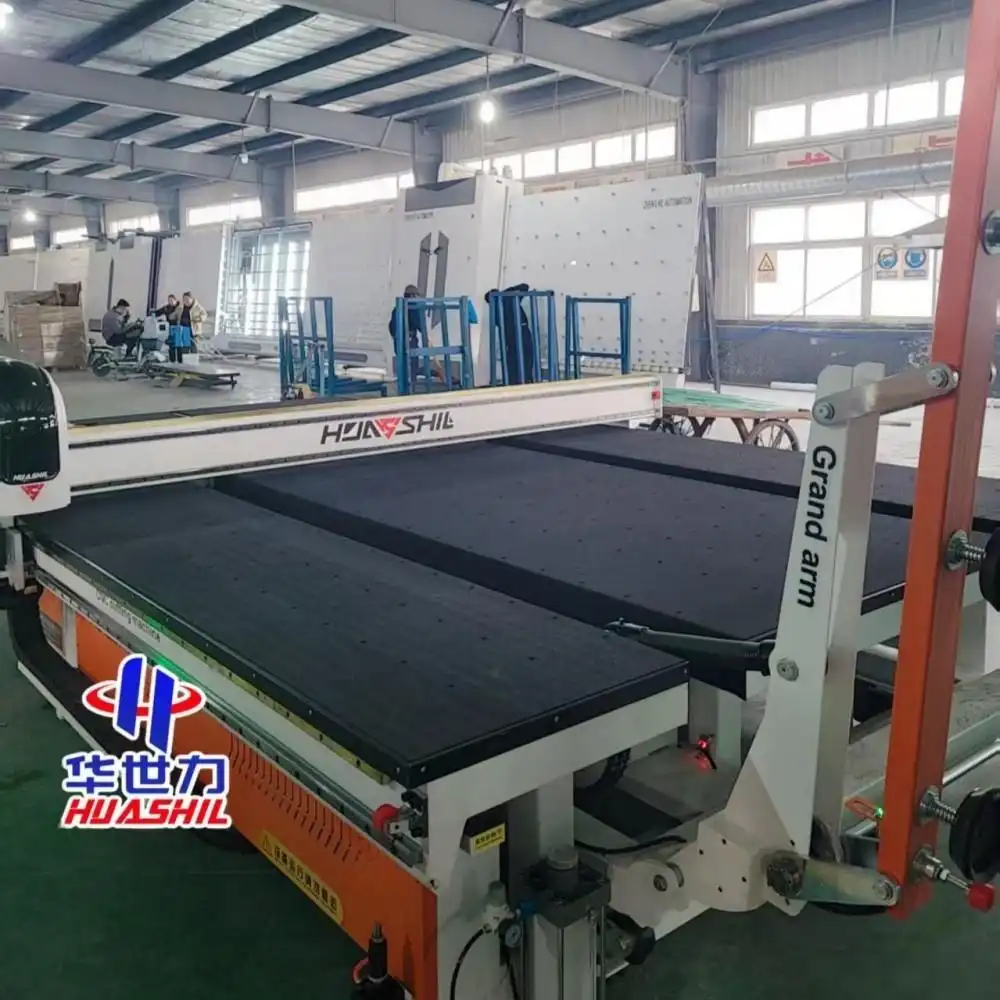
The system has a full three-table setup with a loading table, a cutting table, and a breaking table. This makes for a smooth process that cuts down on handling time and increases output. This unified method lets workers keep up continuous production cycles while making sure that every glass panel gets the right care during the cutting process.
The machine can handle glass pieces up to 2700x2100mm, which means it can be used for a wide range of projects, from building glazing to car glass. Both the above-ground and underground train systems can be set up with 2+2 stations, which gives manufacturers more options for how to set up their lines while still making the best use of room.
Advanced Optimization Software Integration
The addition of Optima optimization software is a big step forward in how efficiently glass is cut. This smart system looks at the shapes of glass panels to cut down on waste and get the most out of the materials used. This has a direct effect on production costs and the environment. The software figures out the best way to cut the glass sheets in real time, making sure that each one is used to its fullest.
On each side of the cutting line, there are three "grand arms" that make it easy to move the glass while it is being cut. This design guarantees accurate placement and lowers the chance of glass harm during production, which leads to higher yield rates and less waste.
Advantages of the 2721 Glass Cutting Line Over Traditional and Competitive Solutions
The market for glass cutting machines has changed a lot over the years. The 2721 glass cutting line stands out because it has a number of key performance benefits that directly lead to better manufacturing results.
Enhanced Precision and Quality Control
When cutting glass by hand, the accurate range is usually within ±2 to 3 mm, but the automatic 2721 system always gets it within ±0.5 mm. This increase in accuracy cuts down on the work that needs to be done later and makes sure that the final goods meet strict quality standards without needing any extra work to be fixed.
Material waste rates in factories that use traditional cutting methods are often between 15 and 20 percent. This is because of mistakes made by workers and bad layout planning. The 2721's built-in optimization software cuts this waste down to about 5–8%, which saves a lot of money on materials over the equipment's useful life.
Operational Efficiency Improvements
The 2721 system's automation features make it possible for ongoing production loops that work much better than manual tasks. Traditional ways of cutting require skilled workers to work at different speeds. The automatic line, on the other hand, keeps the same processing rates no matter how experienced the workers are.
A normal system can handle 150 to 200 glass panels in an eight-hour shift, while by hand, it would only be able to handle 60 to 80 panels. Because of this rise in productivity, manufacturers can handle bigger orders without having to pay more for workers or make more room for their facilities.
Long-term Cost-Effectiveness Analysis
When you buy automatic glass cutting technology, you save money in the long run because you need fewer workers, waste less material, and make better products. Usually, manufacturing facilities see a return on their investment within 18 to 24 months of installing new equipment. They also continue to save money on costs as long as the equipment is in use.
Another benefit is that the 2721 system uses less energy because it is more efficiently designed. It needs less power per unit of production than several hand-cutting stations doing the same work.
Selecting the Right 2721 Glass Cutting Line Model for Your OEM Business
To pick the right automated glass cutting option, you need to carefully consider your long-term business goals, production needs, and building limitations. During the decision process, there are many things to think about that affect both how well the business works now and how it can grow in the future.
Production Volume and Capacity Planning
Manufacturers need to look at how much they're making now and how much they expect to make in the future to make sure the tools they choose can handle both. The 2721 system is made up of separate modules that can be put together in different ways to meet the needs of growing businesses.
Facilities that process fewer than 100 glass panels per day might find that the full robotic features are more than they need right now. On the other hand, facilities that process 200 or more panels per shift will benefit from the system's ability to process panels continuously. The flexible station arrangement (2+2 setup) lets you find the best balance between room use and throughput.
Integration Requirements and Compatibility
The foundation of the production line is a very important factor in choosing the right tools. The 2721's rail system design can be changed to fit different building plans, and the three-table layout can be changed to work with current systems for moving materials.
Communication methods between the cutting line and other production tools make sure that they work well with the facility's existing quality control, inventory management, and production schedule software.
Supplier Evaluation Criteria
When looking at possible providers, people in charge of manufacturing should give more weight to companies that have experience automating glass processing. Huashil has a lot of experience making automated equipment, which gives them the technical know-how and business information they need for the project to go smoothly.
Long-term operating success is affected by things like the supply of spare parts, technical help, and training programs. To keep downtime to a minimum and performance at its best, suppliers should offer detailed instructions, operator training, and quick technical support.
Installation, Operation, and Maintenance Best Practices for Optimal Performance
To successfully set up the 2721 glass cutting line, it is important to follow the right steps for installation, safe working conditions, and preventative upkeep that guarantee long-lasting performance.
Professional Installation Process
The installation process usually takes two to three weeks, which includes getting the equipment, putting it together, calibrating it, and teaching the operators. For site planning, you need to make sure there is enough electricity, compressed air, and floor space to support the equipment's operating needs.
Calibration processes make sure that the accuracy of the cuts stays within the limits set and that the safety systems work properly. Before doing final acceptance testing with production materials, professional installation teams check all of the working parameters.
Daily Operation Protocols
Best practices for operations start with checking the state of cutting tools, the amount of lubrication, and the usefulness of the safety system before each shift. Before starting production, operators should follow set setup routines that make sure all systems are in the best possible state.
To keep optimizing working well, the Optima program needs to be updated regularly with new cutting patterns and material specs. With the right training, operators will be able to handle these changes quickly and effectively while still meeting output schedules.
Preventive Maintenance Programs
Planning regular repair stops unexpected downtime and makes tools last longer. As part of weekly checks, the state of the cutting wheels, the greasing of the rail system, and the pressure in the pneumatic system should all be checked.
As part of monthly maintenance chores, more thorough system checks are done, such as checking electricity connections, backing up software, and testing the safety system. By taking these preventative steps, problems can be found before they affect performance.
Annual maintenance programs should include complete system calibration, major component inspection, and performance proof tests, which should all be part of yearly maintenance plans. Professional service techs can do these thorough checks while also installing the newest software updates on the equipment.
Procurement Insights: Where and How to Buy the 2721 Glass Cutting Line?
A lot of people are involved in the process of buying automated glass cutting tools, and technical specs, business terms, and long-term support plans need to be carefully thought out.
Identifying Qualified Suppliers
Reputable equipment makers usually have direct sales departments or networks of approved dealers that offer full help during the whole process of buying and installing the equipment. Huashil's world reach means that all of its facilities can get professional help and support services.
When evaluating a supplier, you should look at their manufacturing skills, safety certifications, and customer examples from similar projects. Companies that have done successful projects in the past with automating glass handling are more likely to complete the project successfully.
Commercial Terms and Pricing Considerations
The high cost of equipment for automatic glass cutting systems is due to the complex technology and careful production that goes into making it. When you figure out the total cost of ownership, you should include the price you paid for the item, the cost of fitting, the cost of training, and the cost of regular upkeep.
There are different ways to get money, such as through standard purchase deals, leases, or performance-based contracts that link the cost of equipment to increases in production. Payment terms usually include a deposit that must be made, and the rest of the payment is due after installation and acceptance testing.
Value-Added Services and Support
Comprehensive training programs make sure that users and support staff can use all of the 2721 glass cutting line's features successfully. Technical documentation, such as operation instructions, repair routines, and troubleshooting tools, helps operations run smoothly.
The warranty should cover both broken equipment and performance promises that make sure the system meets certain accuracy and output standards. There are choices for extended warranties that offer extra safety for long-term operating reliability.
Conclusion
The strategic investment in the 2721 glass cutting line changes how OEMs can make things by making them more precise, more efficient, and with lower operating costs. Its smart optimization software and advanced automation features make the standard of the products it makes better while reducing the amount of trash. The system's many configuration options and full support services make it easy to integrate into a wide range of manufacturing settings. This makes it an ideal choice for businesses that want to update their glass processing processes and stay ahead in today's tough market.
FAQ
Q1: How does the 2721 glass cutting line improve manufacturing efficiency?
The automatic system can handle 150 to 200 glass panels in an eight-hour shift, while the human system could only handle 60 to 80 panels. With three tables, there are no more bottlenecks, and the Optima software improves cutting patterns to cut waste from 15-20% to 5-8%.
Q2: What safety measures are important during operation?
The system has built-in safety features like emergency stop buttons, protection walls around cutting areas, and features that turn the system off automatically if something goes wrong. Operators are kept safe by getting the right training and checking safety systems on a regular basis.
Q3: Can the system handle various glass types and thicknesses?
The 2721 can handle glass panels up to 2700x2100mm and can work with different kinds of glass, such as toughened, coated, and specialty glass. The cutting settings can be changed so that they work best for glass of different sizes and types.
Q4: What is the typical installation timeline?
Professional installation takes two to three weeks, which includes shipping, setup, testing, and training for the user. Before the equipment comes, the site should be prepared by setting up the power supply, compressed air systems, and the floor.
Q5: How important is after-sales support?
Full technical help keeps downtime to a minimum and performance at its best for the entire life of the equipment. This includes having access to spare parts, expert support, software updates, and programs for preventative upkeep that make devices last longer.
Ready to Transform Your Glass Manufacturing Operations?
The HSL-LSX2721 cutting line from HUASHIL gives current OEM makers the accuracy, speed, and dependability they need. Our skilled engineering team can help you choose the best setup for your production needs by giving you full consultation services. Email our experts at salescathy@sdhuashil.com to talk about your project needs and get a full quote. Check out huashil.com to see all of our automated glass processing options and learn why top makers around the world trust HUASHIL as their 2721 glass cutting line provider for mission-critical production needs.
References
1. Glass Manufacturing Industry Automation Trends and Productivity Analysis, Industrial Engineering Quarterly, 2023.
2. Comparative Study of Manual versus Automated Glass Cutting Systems in OEM Manufacturing, Journal of Manufacturing Technology, 2023.
3. Cost-Benefit Analysis of Automated Glass Processing Equipment in Industrial Applications, Manufacturing Economics Review, 2022.
4. Safety Standards and Best Practices for Automated Glass Cutting Line Operations, Industrial Safety Management, 2023.
5. Material Waste Reduction Strategies in Glass Manufacturing Through Advanced Optimization Software, Sustainable Manufacturing Journal, 2022.
6. ROI Assessment of Automated Glass Cutting Systems in Medium to Large-Scale Manufacturing Facilities, Capital Equipment Investment Analysis, 2023.
