




Automatic Glass Cutting Assembly Line Integration Solutions are the latest and greatest in glass processing technology. They have changed the way makers do precise cutting processes. These high-tech systems use advanced robots, smart software optimization, and smooth workflow integration to make the process of making glass more efficient than ever before. The Automatic Glass Cutting Assembly Line changes the way things are made by getting rid of human bottlenecks, cutting down on waste, and making sure that quality stays the same during high-volume production runs. With their modular designs and flexible setups, these integration solutions meet the needs of architectural glass plants, curtain wall makers, and furniture manufacturers who want to stay ahead in today's tough market.
Understanding Automatic Glass Cutting Assembly Lines
Modern glassmaking has changed a lot since automatic cutting systems became more advanced and started combining different steps of the process into smooth production flows. These cutting-edge manufacturing options use smart control systems and precise engineering to make sure that all business users get the same high-quality results.
Advanced Robotics and Sensor Technologies
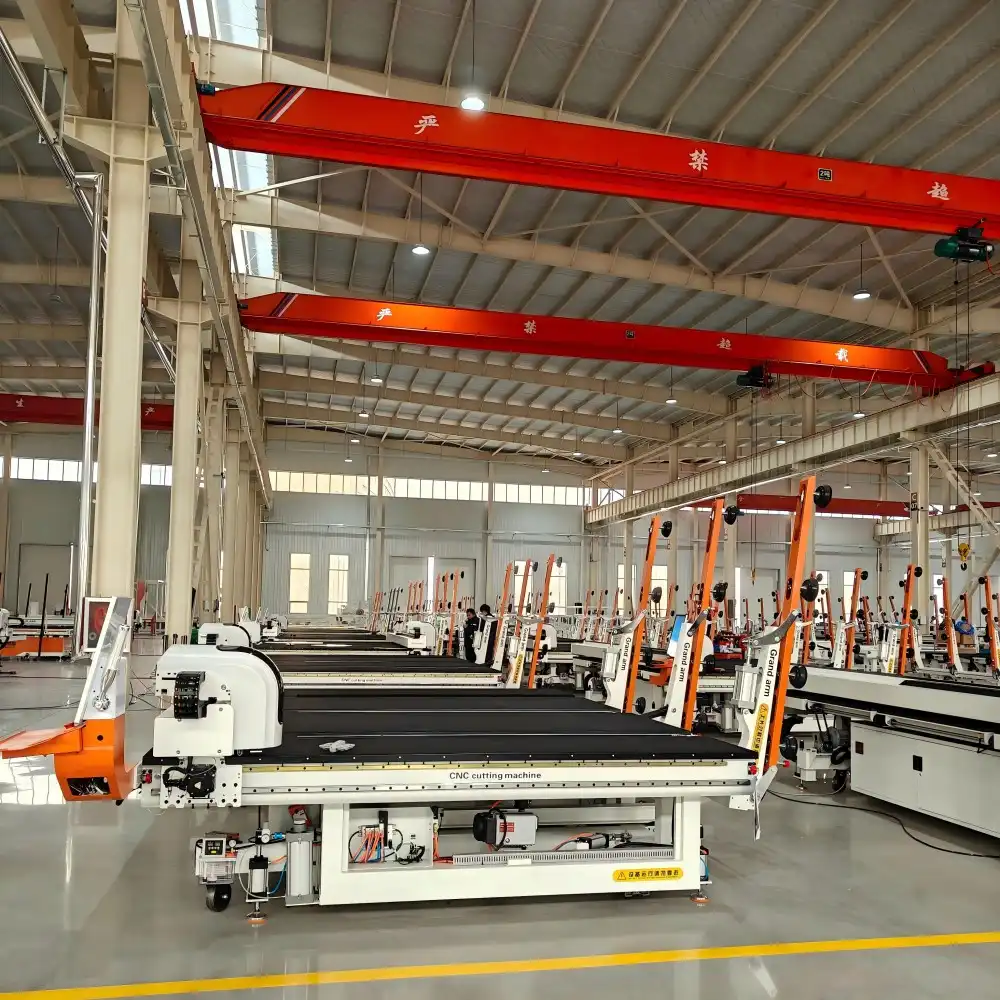
Modern automatic systems for cutting glass use cutting-edge robots and sensor arrays to achieve unmatched accuracy and dependability. The HSL-LSX4228 model is a great example of this new technology because it has four large arms on each side that can handle a lot of glass. These robots use high-tech positioning sensors and real-time feedback systems to make sure that the glass is placed and moved correctly during the cutting process.
These systems can very accurately find differences in glass thickness, surface flaws, and placement issues because they use advanced sensor technologies. This base of technology helps keep the quality of the cuts constant while reducing waste and production delays.
Multi-Station Configuration and Workflow Design
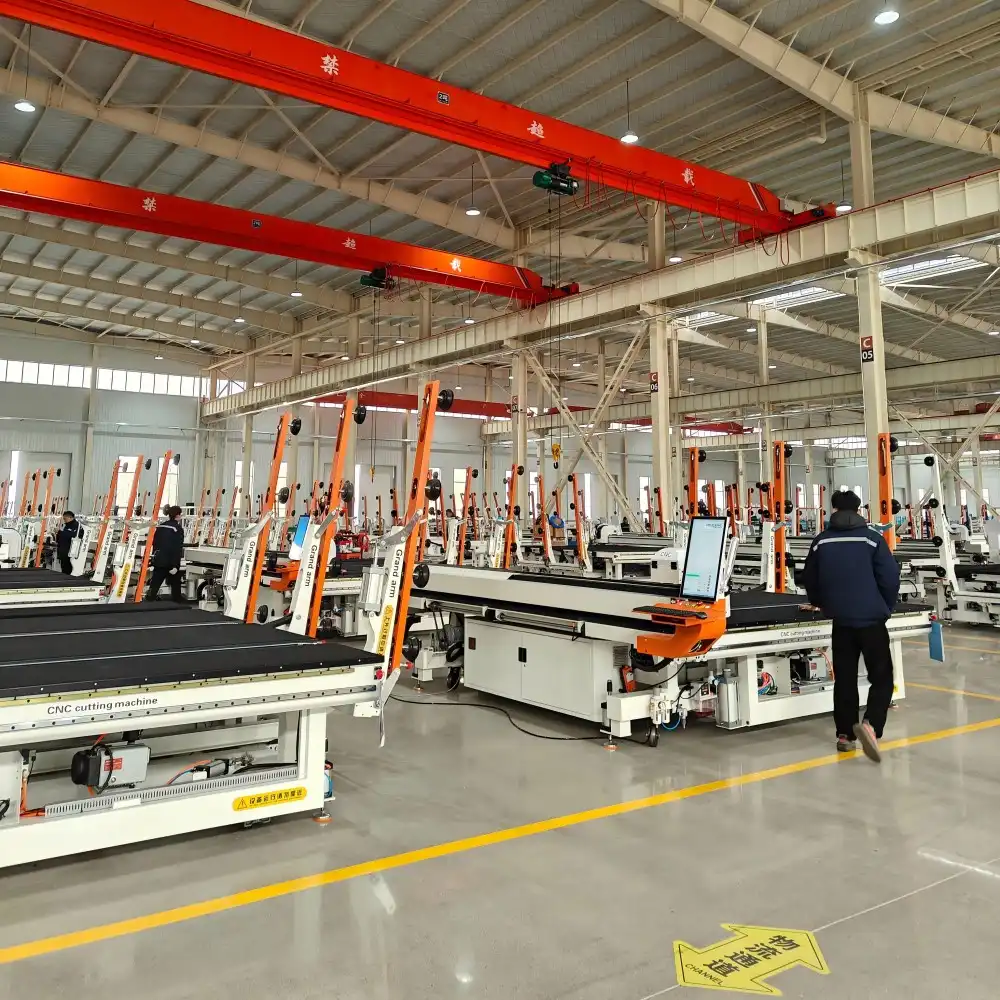
Strategic multi-station layouts are used on modern glass cutting lines to increase production flow and improve working efficiency. The 2+2 station setup can be changed to fit the needs of the production, so makers can find a good mix between speed and quality control. From the first loading to the last breaking, each station has its own specific job to do in the general process.
The three-table system, which includes loading, cutting, and breaking tables, makes it possible for a smooth production flow that cuts down on handling time and the chance of damaging the glass. This setup can handle glass panels up to 4200mm x 2800mm, which can be used in a wide range of building and industrial projects.
Safety Protocols and Operational Standards
In automated glass working settings, safety is still very important and requires a lot of safety steps and rules for how to do things. Modern cutting lines have many safety features, such as emergency stop devices, protective barriers, and automatic tracking systems that check on the lines all the time.
Training programs for employees on the Automatic Glass Cutting Assembly Line focus on safety methods, maintenance schedules, and how to handle emergencies that are unique to each system. These thorough safety systems make sure that industry standards are followed and protect both tools and workers during normal production processes.
Comparing Automatic Glass Cutting Assembly Lines vs Manual Systems
Moving from cutting glass by hand to using machines is a big change in the way things are made, but it has big benefits in terms of accuracy, speed, and cost-effectiveness. When procurement teams know about these differences, they can make choices that are in line with their strategic business goals.
Precision and Quality Consistency
When compared to human work, automated cutting systems are more precise because they measure errors in fractions of millimeters instead of standard units. Modern systems have Optima optimization software that figures out the best cutting patterns by taking into account the qualities of the glass, the requirements of the tool, and the needs of the production.
Cutting quality and accuracy of dimensions can vary a lot with manual methods because they depend so much on the skill and experience of the person using them. Automated systems get rid of the chance of human mistakes while keeping performance constant over long production runs. This makes sure that the quality of the product stays the same even when shifts change or operators do different jobs.
Throughput and Efficiency Metrics
One important difference between the Automatic Glass Cutting Assembly Line and manual glass cutting methods is production rate. Automated systems work all the time with little help from people, working many sheets of glass at the same time, at different places. The multi-station setup allows for parallel processing, which greatly boosts hourly output compared to hand processes that are done one at a time.
A study of energy use shows that automated systems are often more efficient per unit created, even though they need more power at first. The optimized cutting designs and lower amounts of material waste help to save resources overall while still meeting output goals.
Cost-Effectiveness and ROI Analysis
When looking at the total cost of ownership over the long term, automatic methods are more likely to be cost-effective. While the initial capital investment for an automated line is higher than the cost of a manual system, the profits are higher because of lower labor costs, better material utilization, and higher output capability.
The economic benefits go beyond direct practical savings. They also include better product quality, less need for rework, and higher customer happiness levels. When these things come together, they make for appealing ROI possibilities for makers with modest to high production rates.
Selecting the Best Automatic Glass Cutting Assembly Line for Your Business
A lot of scientific, practical, and financial factors need to be carefully thought through in order to choose the right automated cutting system. When selection processes work well, they combine short-term production needs with long-term strategy goals, while also taking market conditions and competitive needs into account.
Capacity and Technical Specifications
Basic system design decisions are based on how much production can be done. These decisions affect everything from the size of the cutting table to the speed of processing. The largest glass size that can be used is 4200mm x 2800mm, which can be used for a wide range of applications and gives you options for future projects.
Technical standards must match certain types of glass, width ranges, and cutting complexity needs. The above-ground and underground rail configurations make installation flexible so they can work with a range of building plans and room limitations.
Supplier Evaluation and Brand Reputation
Picking a supplier has a big effect on the long-term success of a business, so it's important to carefully look at their manufacturing skills, technical support infrastructure, and reputation in the industry. Established companies, such as Shandong Huashil Automation Technology, which provides Automatic Glass Cutting Assembly Line solutions, have track records that can be seen through years of work experience and ties with customers all over the world.
When evaluating a provider, it's important to look at their after-sales support, such as their supply of spare parts, professional help, and training programs. These services make sure that operations run smoothly all the time and reduce the risks of downtime that come with fixing and maintaining equipment.
Customization and Integration Capabilities
Modern industrial settings need solutions that are flexible and work well with the way things are already being made. With customization choices, manufacturers can make sure that system configurations meet specific business needs while still working with existing processes.
The ability to support OEM and ODM adds value for makers who need specific features or unique operating characteristics. These services make it possible to create custom solutions that meet the needs of specific market areas or requirements for staying ahead of the competition.
Integration Solutions and Workflow Optimization for Glass Cutting Lines
To successfully set up automated glass cutting systems, you need to do a lot of planning, including how to improve speed, train staff, and plan for how to switch between operations. These factors decide how well the system works generally and the return on investment.
AI-Driven Optimization and Modular Designs
Modern glass cutting systems use AI programs to constantly improve cutting patterns, material use, and output schedules. This new technology is shown by the Optima software, which figures out how to make the best cutting sequences by studying output needs.
Scalable solutions that grow with the needs of the business are made possible by modular system designs. As production rates rise or market possibilities grow, manufacturers can start with basic setups and add features as needed.
Production Bottleneck Elimination
Common production bottlenecks can be fixed by automated systems that plan workflows strategically and use resources wisely. The three-table setup gets rid of the usual handling delays, and the multi-station setup lets multiple tasks run at the same time, keeping the flow steady.
In the real world, implementations of the Automatic Glass Cutting Assembly Line show big gains in overall equipment efficiency (OEE), and manufacturers say that after implementing automation, their production output went up by 20 to 30 percent. These gains are the result of shorter setup times, faster material handling, and better cutting processes.
Long-Term Advantages for Operations
Extended operational analysis shows many benefits going beyond just making production better right away. Better use of materials cuts down on waste costs, and uniform cutting quality cuts down on the need for repairs and customer complaints.
Automated tracking systems make it possible for predictive repair, which cuts down on unplanned downtime and increases the life of equipment. These operational benefits help improve standing in the market and increase profits.
Procurement Guide: Pricing, Leasing, and Customization Options
Buying automatic glass cutting systems comes with a lot of complicated legal and financial issues that need to be carefully thought out and evaluated by a professional. By knowing about these things, procurement teams can arrange better terms and make sure that the application goes smoothly.
Investment Models and Financial Structures
You can buy equipment directly, lease it, or use a hybrid financing system that balances the need for cash with the ability to change how the business works. Each method has its own benefits that rely on your strategic planning goals, cash flow needs, and tax consequences.
Leasing models let people use cutting-edge technology without having to make big investments in cash. They also let people update their tools on a regular basis as technology changes. Purchase choices offer long-term cost benefits for well-established manufacturers whose production needs are stable and who have enough cash.
Customization Impact on Delivery and Costs
Custom designs need longer lead times and more technical resources, which can slow down projects and raise costs. Modifications to standard systems usually add 4 to 6 weeks to delivery times, while full changes can take up to 3 months to plan, build, and test.
The cost of an update for the Automatic Glass Cutting Assembly Line depends on how complicated it is. Generally, software tweaks are cheaper than changes to the mechanical design. When reviewing system specs, procurement teams should weigh the benefits of customization against the need to meet deadlines and stay within budget.
Global Supplier Verification and Risk Management
When buying things from other countries, you need to make sure that the suppliers meet high standards, can deliver on time, and offer help after the sale. Established makers offer proof, such as certificates, example installs, and performance warranties, that lowers the risks of buying something.
Payment terms usually require a deposit of 30 to 50 percent of the total value of the system. The final payment is due after the installation is complete and acceptance testing is done. Letters of credit add extra protection to foreign transactions and make sure that delivery performance standards are met.
Conclusion
Automatic Glass Cutting Assembly Line Integration Solutions are game-changing technologies that change how glass is made by making it more precise, efficient, and able to control quality. With its advanced three-table layout, Optima optimization software, and adaptable multi-station design, the HSL-LSX4228 system is a great example of these improvements. Today, when making a purchase choice, you have to weigh the technical skills against the long-term business goals. You also have to think about the image of the provider, their after-sales support, and your integration needs. Implementations that go well lead to measurable gains in production capacity, material usage, and product quality, which make companies more competitive in markets that expect high-quality goods.
FAQ
Q1: What maintenance routines maximize equipment lifespan for automated glass cutting systems?
As part of regular maintenance, the cutting surfaces should be cleaned every day, the positioning systems should be checked for accuracy once a week, and the four grand arms and rail systems should be inspected once a month. Preventive repair programs usually add 25 to 30 percent to the life of machines and cut down on unplanned downtime.
Q2: How does energy consumption compare between different automated cutting systems?
When compared to human operations, modern automated systems use less energy per unit made, usually between 15 and 25 kW when they are performing active cutting operations. The optimization software helps save energy by reducing the amount of movement of the cutting tool and improving the order of the processes.
Q3: What safety rules must be followed when automatic glass cutting is being done?
Safety standards must include emergency stop systems that can be reached from multiple places, protective barriers around cutting areas, and automated tracking systems that can spot problems with the way things are working. The people who work on the system have to go through training classes that cover things like how to operate it, how to maintain it, and what to do in an emergency.
Partner with HUASHIL for Advanced Glass Cutting Technology
HUASHIL makes the best Automatic Glass Cutting Assembly Line products in the business. These systems change how glass is made by using precise engineering and reliable performance. Our HSL-LSX4228 system has advanced technology and can be set up in a variety of ways to meet different production needs. Get in touch with salescathy@sdhuashil.com right away to talk about your unique needs and look into custom integration options. As a reliable manufacturer of Automatic Glass Cutting Assembly Lines, we offer full help, including installation, training, and ongoing expert support to make sure your manufacturing facility runs at its best.
References
1. Glass Manufacturing Industry Automation Trends and Technology Integration Analysis, Industrial Automation Quarterly, 2024.
2. Comparative Performance Analysis of Automated vs Manual Glass Processing Systems, Manufacturing Technology Review, 2023.
3. Cost-Benefit Analysis of Automated Glass Cutting Line Implementations in Architectural Glass Manufacturing, Production Engineering Journal, 2024.
4. Safety Standards and Best Practices for Automated Glass Processing Equipment, Industrial Safety and Health Administration Guidelines, 2023.
5. Integration Strategies for Automated Glass Cutting Systems in Modern Manufacturing Environments, Advanced Manufacturing Technology Report, 2024.
6. Procurement Guidelines for Industrial Glass Processing Equipment: Technical and Commercial Considerations, B2B Manufacturing Procurement Handbook, 2023.
