




To get the most out of a glass bilateral edging machine, you need to take a thorough approach that includes machine calibration, working efficiency, and managing your workflow. Modern systems for cutting two sides of a glass panel have advanced servo motor settings and multi-wheel setups that let them work precisely on both edges at the same time. It is possible for manufacturers to improve processing speed, quality consistency, and overall production efficiency while lowering costs and reducing downtime by following the right maintenance procedures, training operators well, and using automation features like servo-controlled conveying systems.
Assessing Current Performance and Identifying Bottlenecks in Glass Bilateral Edging
Figuring out how well your production is doing now is the first step toward making real changes through optimization. To find areas that need instant attention, manufacturing facilities must set clear benchmarks across a number of performance measures.
Critical Performance Metrics for Glass Edge Processing
Processing speed is the best way to tell how well a machine works. Modern tools for bilateral edging should be able to keep output rates steady while providing exact edge quality across a range of glass sizes. Comparing real processing speeds to ideal ones shows any technical problems or delays caused by operators that affect the total output.
Accurate measures include straight edges, smooth surfaces, and accurate readings of sizes. The quality of the product and the happiness of the customer are directly affected by these measures. When compared to single-sided machines, advanced bidirectional cutting machines with 12 grinding wheels per side—2 upper chamfers, 2 lower chamfers, and 8 flat grinding wheels—provide more consistent edges.
Patterns of energy use show how well machines work and how much they cost to run. Most of the time, servo motor-controlled systems are better at managing energy than standard gas or hydraulic systems. Monitoring how much power is used at different stages of operations can help find poor processes or equipment that needs to be serviced.
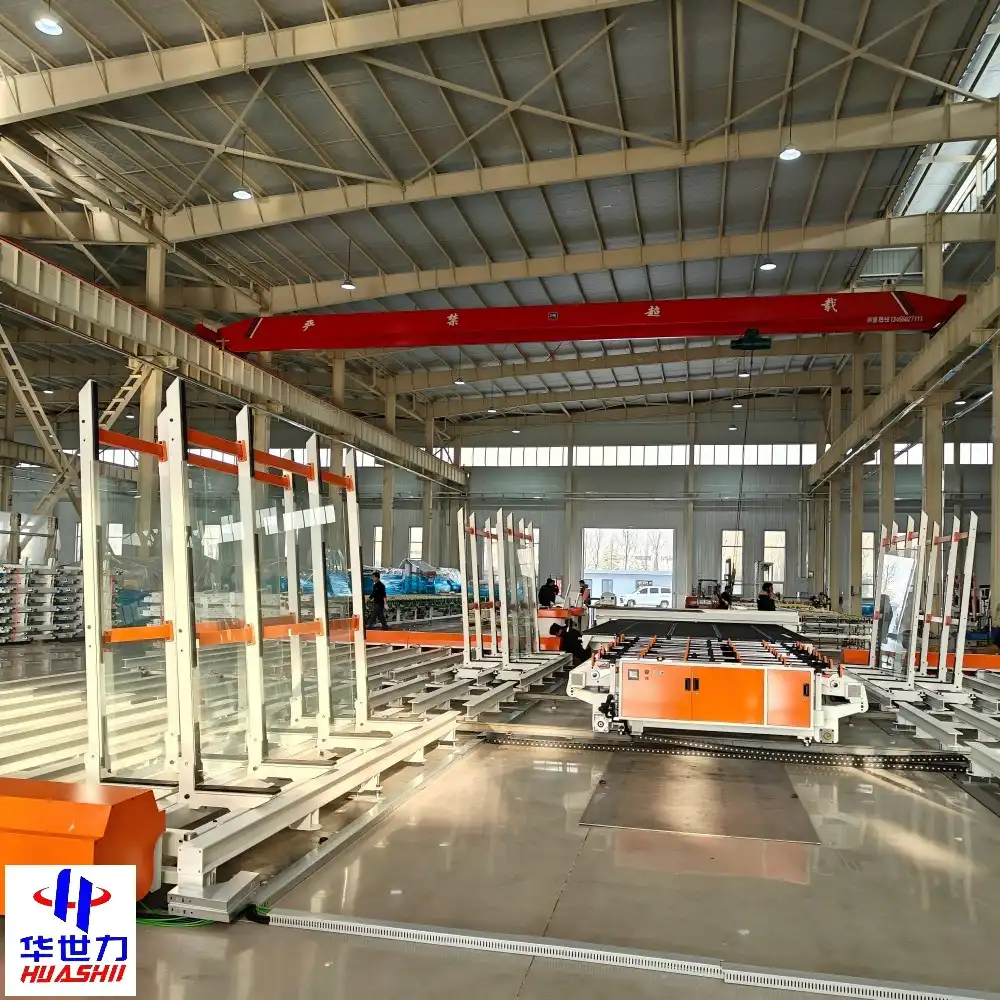
Common Production Bottlenecks
Most of the time, lower output quality is caused by mechanical wear. Wear and tear on the grinding wheel, broken bearings, and misaligned stepper motors all lead to processing problems that need to be fixed right away. By scheduling regular inspections, small problems can be stopped before they become big problems that stop production.
Operator skill gaps have a big effect on how much glass bilateral edging machines are used. Bilateral edging systems with opening lengths that can be adjusted from 0.35 meters to 2.5 meters need workers with a lot of experience who know how to set them up correctly for different glass sizes. Not getting enough training means that changes have to be made more often, there is more waste, and total throughput goes down.
During normal operation, machine calibration drift happens slowly, which affects the quality of the edges and the accuracy of the processes. Servo-controlled systems are more stable in terms of tuning, but they still need to be checked on a regular basis to make sure they keep working within the limits that were set. When there are problems with calibration, there are more edge flaws or differences in dimensions.
Key Principles and Techniques to Optimize Glass Bilateral Edging Machine Output
Systematic methods that deal with both the technical and operating parts of glass edge processing are needed for optimization to work well. These tried-and-true methods help producers get the most out of their tools while keeping quality standards high.
Machine Calibration and Maintenance Excellence
Following the right steps for calibration guarantees the best setting of the grinding wheel and the alignment of the servo motors. The two servo motors—one controls the automatic opening and closing, and the other controls the conveying—need to work together perfectly for the glass to be handled smoothly and the edge quality to be consistent. Regular calibration checks make sure that the systems for opening and shutting work within certain limits across the whole range of change.
Schedules for preventive repair take care of worn-out parts before they affect the level of production. Depending on the amount of glass they process and the type, grinding wheels need to be checked and replaced on a frequent basis. To keep running smoothly, servo motors need to be oiled and their electrical connections checked from time to time. Cleaning and adjusting the tightness of the belts on conveyor systems on a daily basis can help keep glass handling problems from happening.
Automation Technology Integration
Modern glass bilateral edging machines for symmetrical cutting have advanced automation features that make them less reliant on operators and more consistent in their work. Servo motor controls make it possible to precisely place the glass and keep the flow of materials through the processing station smooth. When different sizes of glass are in the machine's working range, these systems automatically change. This cuts down on setup time and the chance of human mistakes.
Updating the control system on older tools can make them work much better. Adding customizable logic devices with touchscreen screens makes operation easier and gives you more control over the production process. Real-time feedback tools let workers know about possible problems before they affect the quality of the product or the reliability of the machine.
Operator Training and Safety Protocols
Comprehensive training programs make sure that workers know both the basics of how to run an operation and more advanced methods for improving efficiency. Skilled workers can spot early signs of mechanical problems and make regular changes that keep the machine running at its best. Training should include the right way to handle glass, how to stay safe, and how to fix problems with systems that use two edges.
Safety rules keep both people and tools safe while keeping work going smoothly. Handling big glass panels safely keeps workers from getting hurt and keeps glass from breaking. Emergency stop methods make sure that possible dangers are dealt with quickly and that equipment damage is kept to a minimum.
Implementing Lean Improvement Strategies for Continuous Output Enhancement
When applied to glass edge cutting, lean production principles get rid of waste while boosting activities that add value. These methods make changes that last and get better over time.
Setting Measurable Optimization Goals
Clear performance goals help people work to improve and track their growth over time. Production speed goals should be based on accurate estimates of what the equipment can do and what the glass needs to be made of. Quality goals set accepted defect rates and keep customer happiness levels high.
Cost-efficiency metrics look at both the amount of production and the costs of running the business to find the best ways to make things better. The amount of energy used per unit of work shows how efficient the machinery is, while the number of hours worked per unit shows where automation or process improvement can be made.
Workflow Enhancement Strategies
Streamlined handling of glass in a glass bilateral edging machine cuts down on working time and the chance of breaking it. Efficient material flow systems place glass panels so that both edges can be easily reached, and they can handle panels of different sizes within the 0.35- to 2.5-meter range of the machine. Automatic filling and lifting systems get rid of the delays that come from having to handle things by hand, which slows down production.
Strategic timing groups glasses of the same type and size together to get the most use out of the tools. This method cuts down on the time needed to set up for each job while keeping quality standards high. Software for production planning helps find the best order for jobs based on how they need to be processed and when they need to be delivered.
Real-Time Monitoring Implementation
Modern tracking tools give you instant feedback on how well your production is going and how good the quality is. Sensors built into motor control systems keep track of how accurately the glass is placed, how fast it is processed, and how well the cutting wheel works. This information lets preventative changes be made that stop quality problems before they happen.
A mindset of continuous improvement pushes operators to find ways to improve the process and suggest them. At regular team meetings, problems with output and effective ways to improve it are discussed. Writing down the best ways to do things makes sure that information is shared and used consistently across all shifts.
Case Studies: Successful Output Optimization Using Bilateral Glass Edging Machines
Examples from real life show the real benefits that can be gained from regular improvement methods. These cases show common problems and tried-and-true methods that can be used in a variety of industry settings.
Case Study 1: Architectural Glass Manufacturer Precision Improvement
A big architectural glass fabricator had problems with uneven edge quality that made it hard to place curtain walls. The analysis showed that the servo motors in their paired cutting system were not calibrated correctly, which led to uneven grinding wheel pressure across the glass surface. The factory started doing daily calibration checks and updated to servo motor controls that are more accurate.
As a result, there were 40% fewer edge flaws and more consistent working speeds. Specific practical needs were met by the personalized calibration plan, which kept production going. Within eight months, the money spent on advanced servo control technology paid for itself through lower scrap rates and happier customers.
Case Study 2: OEM Supplier Speed and Efficiency Enhancement
To keep up with rising demand, a company that makes equipment for the car glass business needed to speed up production times with a glass bilateral edging machine. Even though their grinding wheels were set up correctly, their current setup for bilateral cutting reduced their production capacity. When improved servo motor systems with better conveying controls were added, working speeds went up by 25%.
Even though production went up, energy use went down by 15%. The new servo motor design made moving the glass smoother and reduced the stress on the grinding wheels, which increased the life of the parts. Total operations cost savings went over $50,000 a year, and shipping performance to auto customers got better.
Common Success Factors Analysis
Optimization projects that get the best return on investment have a few things in common. Before making changes, a thorough initial review finds the most important ways to make things better. Having operators involved in the whole process makes sure that new methods and technology are quickly adopted.
Preventative repair plans keep equipment from breaking down when it's least expected and also make it last longer. Monitoring speed on a regular basis lets optimization methods be improved all the time. When these things come together, they make changes that last and help a business grow over time.
Choosing the Right Bilateral Glass Edging Machine for Your Business
The choices you make about what equipment to buy have a big effect on your long-term output skills and operational efficiency. Manufacturers can make smart business decisions when they know about the different types of machines and how they work.
Machine Types and Specifications
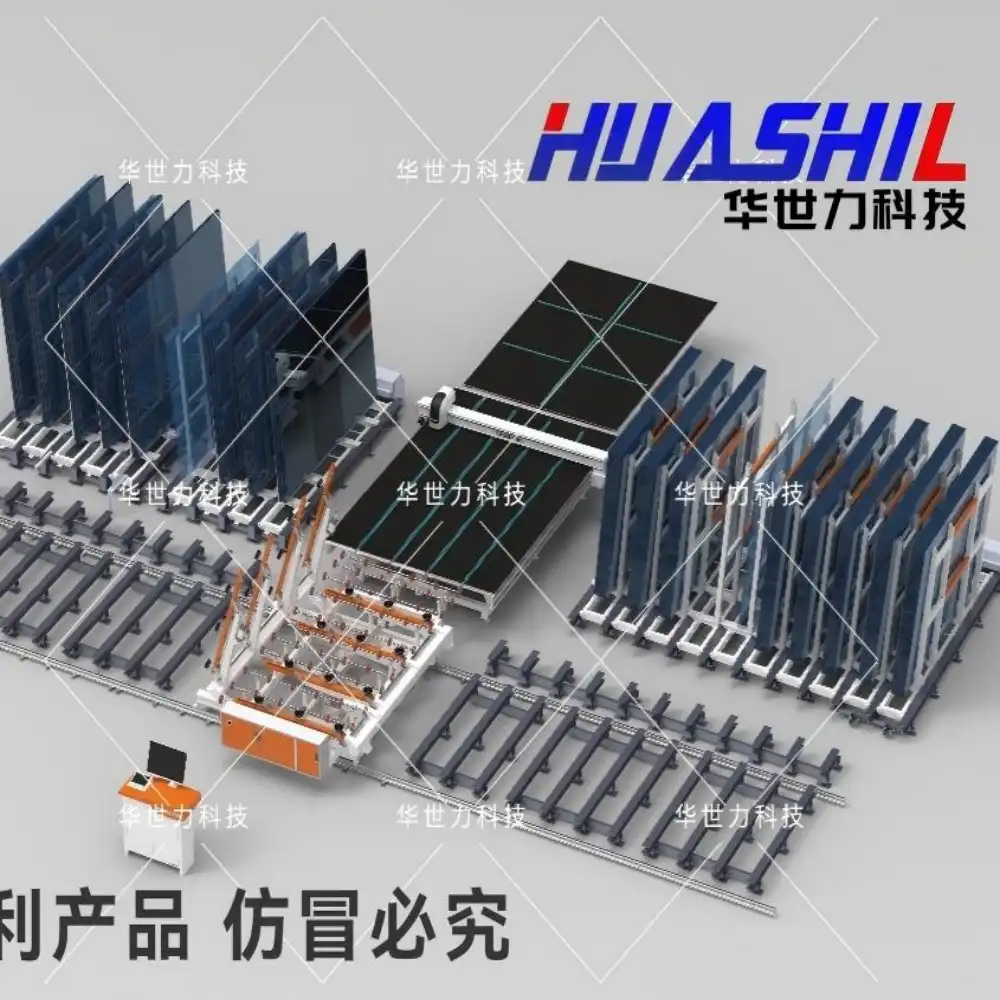
Automatic bilateral edging systems can be the most productive with their advanced servo motor controls and customizable operation routines. These tools can easily handle glass pieces from 0.35 meters to 2.5 meters in length. The 12-wheel setup on each side, which includes specialty chamfering and flat grinding wheels, gives better edge quality for all types of glass.
Semi-automatic systems combine the benefits of automation with lower start-up costs. These machines still use servo motor controls for important tasks, but they need more help from the user to set up and move materials. This setup works well for medium-sized businesses with a range of glass handling needs.
Traditional tools for symmetrical cutting offer basic features at low prices. Even though they don't have advanced robotic features, these systems are still much more productive than single-sided options. People who use manual controls need to be skilled, but they let you make exact changes for certain uses.
Procurement Considerations
The initial buy price, installation costs, training costs, and ongoing upkeep needs are all part of the total cost of ownership for a glass bilateral edging machine. Servo motor systems usually cost more to buy at first, but they are cheaper to run because they are more efficient and wear out less quickly. Both mechanical parts and computer control systems should be covered by the warranty.
After-sales help has a direct effect on how reliable the equipment is and how long work can go on. Manufacturers who offer full expert support, extra parts, and service training help lower the risk of downtime. Having local service providers cuts down on the time it takes to fix important problems.
Customization choices let tools be changed to fit the needs of a particular production. Machines can be set up in a variety of ways to suit different glass sizes, processing loads, and space limitations. OEM relationships can offer customized solutions for one-of-a-kind uses or the ability to work with current production lines.
Conclusion
To get the most out of a glass bilateral edging machine, you need to pay close attention to its performance measures, upkeep schedules, and overall operating efficiency. Modern systems that are managed by servo motors have a lot of benefits, like exact automation and consistent quality delivery. Technical changes, training for operators, and lean production concepts all work together to make optimization work. When you buy advanced bilateral edging technology, you get measured returns in the form of higher output, more consistent quality, and lower operating costs. These perks give manufacturers an edge in areas where glass processing is very important.
FAQ
Q1: How often should I perform maintenance on my bilateral glass edging machine?
Cleaning, lubricating, and visually checking the grinding wheels and stepper motors should all be part of daily upkeep. Every week, steps include checking the accuracy and inspecting the conveyor system. As part of the monthly repair, old parts are replaced and the machine's mechanics are carefully checked. Maintenance that is done once a year includes a complete repair of the system and precise tuning.
Q2: What safety features are essential for bilateral glass edging operations?
All operator roles must be able to easily reach the emergency stop buttons. People are safe from grinding wheels and moving glass panels because of safety guards. When an operator walks into a dangerous area, light curtains stop the machine from running automatically. Ventilation systems that work right keep air quality standards and get rid of glass dust.
Q3: What are the benefits of upgrading to automatic bilateral edging machines?
With automatic methods, less work needs to be done, and the results are more consistent. Servo motor settings make it possible to precisely place glass and keep the flow of material smooth. Programmable action patterns cut down on the time it takes to set up different types of glass. More consistent quality and higher productivity usually pay for the costs of an investment within 12 to 18 months.
Partner with HUASHIL for Advanced Glass Processing Solutions
HUASHIL has state-of-the-art tools for edging two pieces of glass that are meant to help you make the most of your production and quality standards. Our servo motor-controlled systems have 12 grinding wheels on each side, and the lengths of the wheels can be changed from 0.35 meters to 2.5 meters. As a reliable company that makes glass bilateral edging machines, we offer full expert support, low prices, and a variety of payment plans. Email our experts at salescathy@sdhuashil.com to talk about your unique needs and find out how our advanced robotics technology can change the way you process glass to give you a long-term competitive edge.
References
1. Glass Manufacturing International Quarterly, "Advanced Automation in Glass Edge Processing Technology," Volume 45, Issue 3, 2023.
2. Industrial Glass Processing Standards Association, "Best Practices for Bilateral Glass Edging Machine Optimization," Technical Publication 2023-07.
3. International Journal of Glass Technology, "Servo Motor Control Systems in Modern Glass Processing Equipment," Volume 28, Number 4, 2023.
4. Manufacturing Efficiency Research Institute, "Lean Manufacturing Applications in Glass Processing Operations," Annual Report 2023.
5. Glass Industry Technical Review, "Preventive Maintenance Strategies for Automated Glass Edging Systems," Issue 156, 2023.
6. American Glass Processing Association, "Safety Standards and Operational Guidelines for Bilateral Glass Edging Equipment," Technical Manual 2023 Edition.
