




Industrial glass breaking equipment plays a crucial role in various sectors, from architecture to automotive manufacturing. To ensure optimal performance and longevity of these sophisticated machines, proper maintenance is essential. This comprehensive guide explores the maintenance needs of industrial glass-breaking equipment, providing valuable insights for operators and maintenance teams alike.
Routine checks to prevent unexpected downtime
Regular inspections are the cornerstone of effective maintenance for industrial glass breaking equipment. These routine checks help identify potential issues before they escalate into costly breakdowns. Here are some key areas to focus on during your daily and weekly inspections:
- Visual inspection of cutting blades and breaking mechanisms
- Checking fluid levels, including hydraulic oil and coolants
- Examining belts and pulleys for signs of wear or misalignment
- Inspecting electrical connections and control panels for any loose wires or abnormalities
- Verifying the accuracy of measurement systems and calibration
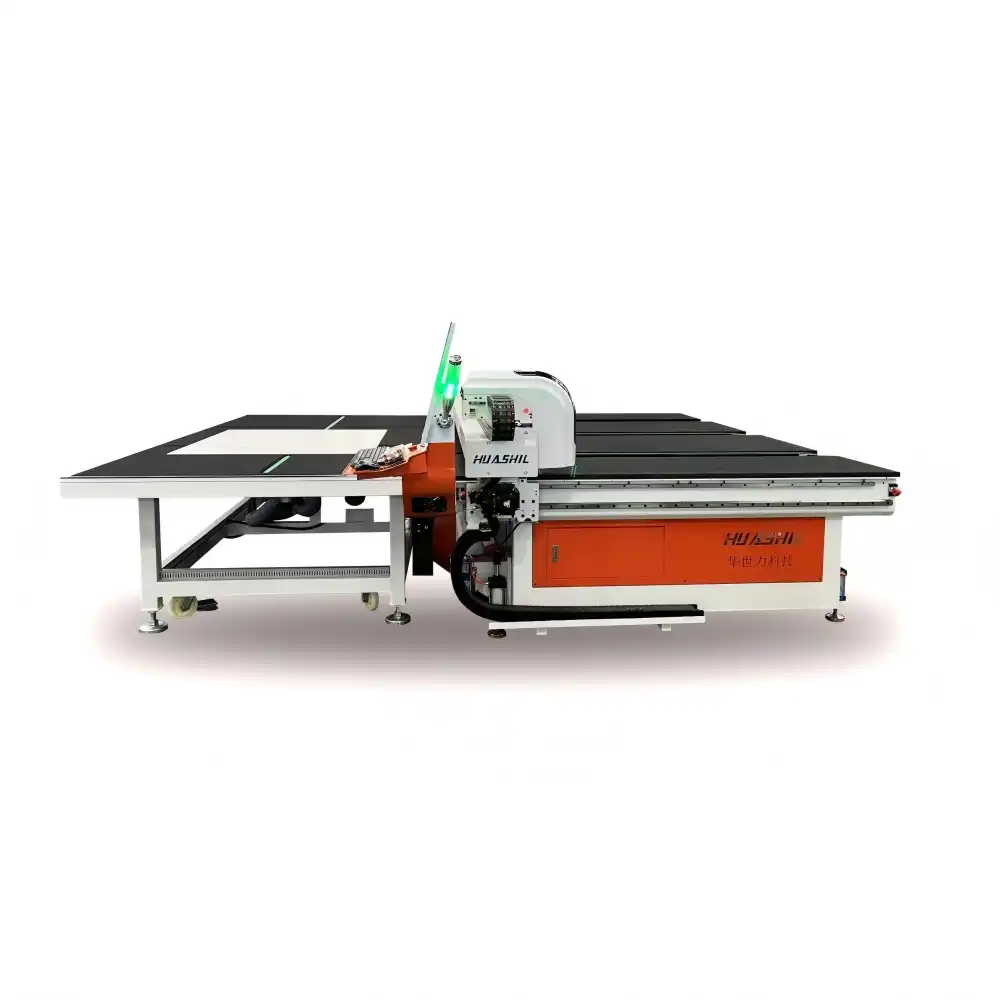
By implementing a systematic approach to these routine checks, you can significantly reduce the risk of unexpected downtime. It's important to note that the frequency of these inspections may vary depending on the specific model of your industrial glass breaking equipment and its usage intensity.
Additionally, maintaining a clean working environment is crucial for an industrial glass breaking equipment factory. Glass dust and debris can accumulate quickly, potentially interfering with the equipment's precision and overall performance. Regularly cleaning the work area and the machine itself helps prevent contamination and ensures smooth operation.
Lubrication and parts replacement schedules
Proper lubrication is vital for the smooth operation of industrial glass breaking equipment. It reduces friction, prevents wear, and extends the lifespan of moving parts. Developing and adhering to a comprehensive lubrication schedule is essential for maintaining your equipment's efficiency and reliability.
Here's a general guideline for lubrication and parts replacement:
- Daily: Check and top up lubricant levels in high-wear areas
- Weekly: Grease all fittings and bearings
- Monthly: Inspect and replace air filters
- Quarterly: Change hydraulic fluids and filters
- Biannually: Replace belts and assess the condition of pulleys
- Annually: Conduct a comprehensive overhaul, replacing worn parts as needed
It's important to note that these are general recommendations. The specific maintenance schedule for your industrial glass breaking equipment should be based on the manufacturer's guidelines and your operational demands. Factors such as production volume, environmental conditions, and the types of glass being processed can all influence the frequency of lubrication and parts replacement.
Implementing a robust inventory management system for spare parts is also crucial. This ensures that critical components are always on hand, minimizing downtime when replacements are needed. Regular audits of your spare parts inventory can help you maintain an optimal balance between stock levels and operational requirements.
Implementing predictive maintenance strategies
While routine checks and scheduled maintenance are essential, implementing predictive maintenance strategies can take your maintenance program to the next level. Predictive maintenance uses data analytics and sensor technology to anticipate potential failures before they occur, allowing for more efficient and cost-effective maintenance practices.
Here are some key aspects of implementing predictive maintenance for industrial glass breaking equipment:
- Vibration analysis: Monitoring vibration patterns can help detect misalignments, imbalances, or bearing issues early on
- Thermography: Using infrared cameras to identify hotspots that may indicate electrical or mechanical problems
- Oil analysis: Regular testing of hydraulic fluids can reveal contamination or wear patterns in the system
- Acoustic monitoring: Listening for changes in equipment noise levels can indicate potential issues
- Performance data tracking: Monitoring key performance indicators to identify trends and potential degradation
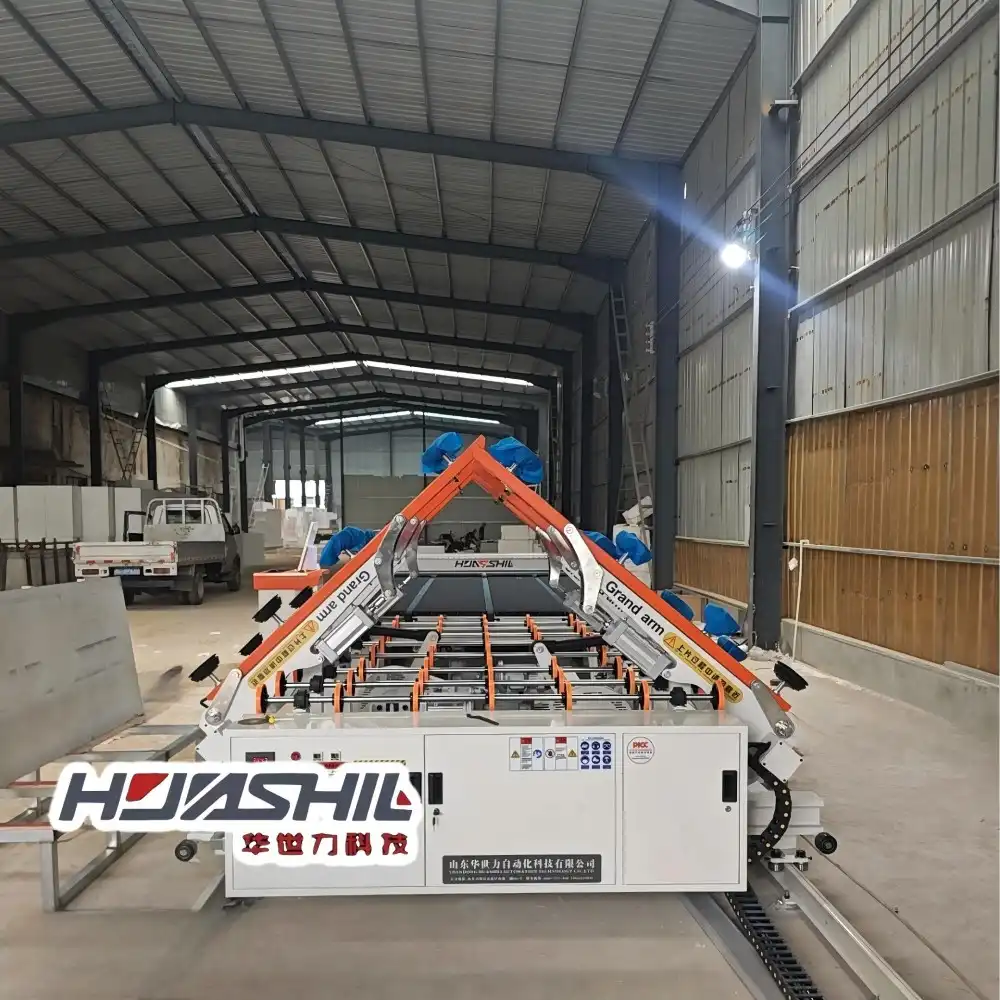
By leveraging these predictive maintenance techniques, you can optimize your maintenance schedule, reduce unexpected downtime, and extend the lifespan of your industrial glass breaking equipment. This approach not only improves operational efficiency but also contributes to significant cost savings in the long run.
Implementing a predictive maintenance strategy often requires an initial investment in sensors, monitoring equipment, and data analysis tools. However, the long-term benefits in terms of reduced maintenance costs, improved equipment reliability, and increased production efficiency typically outweigh the upfront costs.
It's also worth noting that predictive maintenance strategies can be particularly beneficial for an industrial glass breaking equipment factory operating multiple pieces of machinery. By analyzing data across your entire fleet of machines, you can identify patterns and optimize maintenance practices across your entire operation.
Conclusion
Proper maintenance of industrial glass breaking equipment is crucial for ensuring optimal performance, longevity, and cost-effectiveness in glass processing operations. By implementing a comprehensive maintenance strategy that includes routine checks, scheduled lubrication and parts replacement, and predictive maintenance techniques, you can significantly reduce downtime, improve productivity, and extend the lifespan of your equipment.
Remember, the specific maintenance needs of your industrial glass breaking equipment may vary based on the model, usage patterns, and environmental conditions. Always consult your equipment's manual and consider seeking professional advice to develop a tailored maintenance plan that best suits your operational needs.
For top-quality industrial glass breaking equipment and expert maintenance support, look no further than Shandong Huashil Automation Technology Co., LTD. With years of experience in automated R&D, manufacturing, and sales of mechanical equipment, we offer advanced technology, stable quality, and excellent service that's trusted by customers worldwide. Don't let maintenance issues hold back your glass processing operations. Contact us today at salescathy@sdhuashil.com to learn how our industrial glass breaking equipment and maintenance expertise can elevate your production capabilities.
FAQ
Q1: How often should I calibrate my industrial glass breaking equipment?
A: The frequency of calibration depends on several factors, including the equipment model, usage intensity, and manufacturer recommendations. Generally, it's advisable to perform a basic calibration check weekly and a comprehensive calibration monthly or quarterly. However, if you notice any inconsistencies in cut quality or precision, immediate calibration may be necessary.
Q2: What are the signs that my industrial glass breaking equipment needs maintenance?
A: Several indicators suggest your equipment may need maintenance:
- Unusual noises or vibrations during operation
- Decreased cutting precision or quality
- Increased energy consumption
- Frequent stoppages or error messages
- Visible wear on critical components
If you observe any of these signs, it's crucial to conduct a thorough inspection and perform necessary maintenance promptly.
Q3: Can I perform all maintenance tasks in-house, or should I rely on professional services?
A: While routine checks and basic maintenance can often be performed in-house by trained personnel, more complex tasks may require professional expertise. It's advisable to establish a relationship with the equipment manufacturer or a certified service provider for major overhauls, advanced diagnostics, and specialized repairs. This ensures that your equipment receives proper care and maintains its warranty status.
Q4: How can I extend the lifespan of my industrial glass breaking equipment?
A: To maximize the lifespan of your equipment:
- Adhere strictly to the manufacturer's maintenance guidelines
- Train operators thoroughly to ensure proper usage
- Keep the equipment clean and free from glass dust and debris
- Use high-quality lubricants and replacement parts
- Implement a predictive maintenance strategy
- Avoid overloading or pushing the equipment beyond its specified capabilities
By following these practices, you can significantly extend the operational life of your industrial glass breaking equipment.
Expert Industrial Glass Breaking Equipment Maintenance | HUASHIL
At Shandong Huashil Automation Technology Co., LTD, we understand the critical role that proper maintenance plays in the performance and longevity of industrial glass breaking equipment. Our team of experts is ready to assist you with all your maintenance needs, from routine checks to advanced predictive maintenance strategies. We offer comprehensive support to ensure your equipment operates at peak efficiency, minimizing downtime and maximizing productivity.
Don't let maintenance concerns impact your glass processing operations. Trust the experts at Huashil to keep your equipment running smoothly. Contact us today at salescathy@sdhuashil.com to discuss your industrial glass breaking equipment maintenance needs and discover how our tailored solutions can benefit your business.
References
1. Smith, J. (2022). "Predictive Maintenance Strategies for Industrial Glass Processing Equipment." Journal of Glass Technology, 45(3), 178-192.
2. Johnson, A., & Brown, T. (2021). "Optimizing Maintenance Schedules for Industrial Glass Breaking Machinery." International Conference on Industrial Automation and Robotics, 567-580.
3. Glass Manufacturing Institute. (2023). "Best Practices in Industrial Glass Equipment Maintenance." Annual Industry Report, 89-103.
4. Lee, S., & Zhang, Y. (2020). "Impact of Routine Maintenance on Productivity in Glass Manufacturing." Journal of Industrial Engineering, 33(2), 245-259.
