




In the ever-evolving world of industrial glass processing, manufacturers face crucial decisions when it comes to investing in glass breaking equipment. The delicate balance between cost and performance is a critical factor that can significantly impact a company's bottom line and competitive edge. This comprehensive guide explores the intricate trade-offs between cost and performance in industrial glass breaking equipment, helping you make informed decisions for your business.
Emerging Technologies Enhancing Glass Breaking
The landscape of industrial glass breaking is undergoing a remarkable transformation, driven by cutting-edge technologies that promise enhanced precision, efficiency, and versatility. These advancements are reshaping the cost-performance equation, offering new possibilities for manufacturers across various sectors.
One of the most promising developments is the integration of artificial intelligence (AI) and machine learning algorithms into industrial glass breaking equipment. These smart systems can analyze complex glass compositions, optimize breaking patterns, and adjust parameters in real-time, resulting in higher yield rates and reduced waste. While the initial investment in AI-powered equipment may be higher, the long-term benefits in terms of improved efficiency and reduced material costs can offset the upfront expenses.
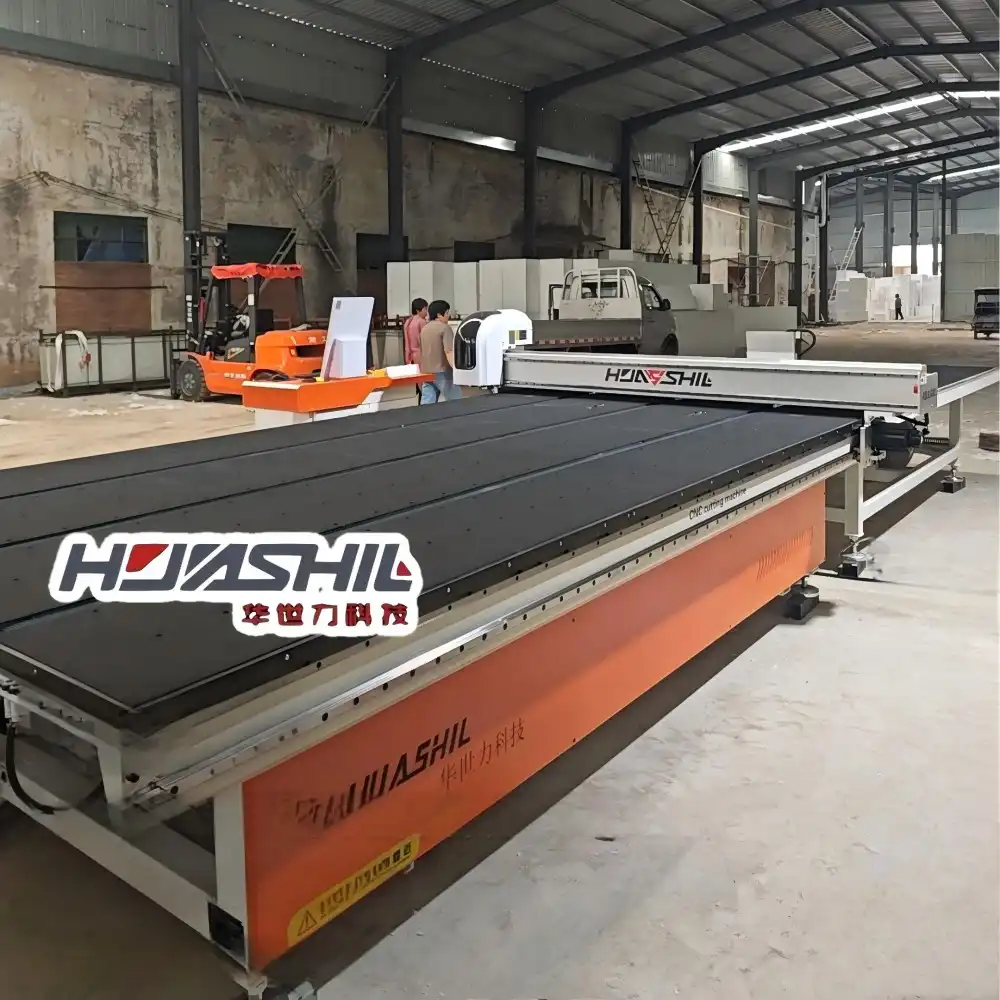
Another groundbreaking technology making waves in the industry is laser-assisted glass breaking. This method utilizes high-precision lasers to create microscopic defects along predetermined breaking lines, allowing for incredibly accurate and clean breaks. The laser technology enables the processing of ultra-thin and specialty glass types that were previously challenging to work with using conventional methods. Although laser-assisted systems come with a premium price tag, they open up new possibilities for manufacturers dealing with high-value, specialized glass products.
Advancements in robotics and automation have also significantly impacted the glass breaking sector. Robotic systems equipped with advanced sensors and vision systems can handle complex glass shapes and sizes with unprecedented accuracy and speed. These automated solutions not only improve productivity but also enhance workplace safety by reducing the need for manual handling of sharp glass edges. The initial investment in robotic systems can be substantial, but the long-term savings in labor costs and improved output quality make them an attractive option for medium to large-scale operations.
As these technologies continue to evolve, manufacturers must carefully weigh the costs against the potential performance gains. While cutting-edge industrial glass breaking equipment often comes with a higher price tag, the improved efficiency, reduced waste, and ability to tackle more complex projects can lead to a favorable return on investment over time.
Sustainability and Energy Efficiency Improvements
In an era of increasing environmental awareness and stringent regulations, sustainability and energy efficiency have become paramount considerations in the industrial glass sector. Manufacturers are now faced with the challenge of balancing cost-effective production with eco-friendly practices, a factor that significantly influences equipment choices.
Modern industrial glass breaking equipment is being designed with a focus on energy efficiency, incorporating features such as regenerative braking systems, low-power standby modes, and optimized cooling systems. These energy-saving technologies can lead to substantial reductions in operational costs over the equipment's lifespan. While energy-efficient models may have a higher initial cost, the long-term savings on utility bills can make them a more economical choice in the long run.
Water conservation is another critical aspect of sustainable glass processing. Advanced water recycling and filtration systems integrated into glass breaking equipment can significantly reduce water consumption and wastewater generation. These systems not only help companies meet environmental regulations but also cut down on water-related expenses. The trade-off here lies in the initial investment required for these advanced water management systems versus the ongoing savings and potential avoidance of regulatory fines.
Manufacturers are also exploring innovative materials and designs to extend the lifespan of wear parts in glass breaking equipment. For instance, the use of advanced ceramics and composite materials in cutting tools and contact surfaces can dramatically increase their durability, reducing the frequency of replacements and associated downtime. While these high-performance components may come at a premium, their extended lifespan and improved performance can result in lower total cost of ownership over time.
The shift towards circular economy principles is influencing equipment design as well. Some manufacturers are now offering modular industrial glass breaking equipment that allows for easier upgrades and component replacements, extending the useful life of the machinery. This approach not only reduces waste but also provides a more cost-effective way for businesses to stay up-to-date with technological advancements without the need for complete system overhauls.
As sustainability becomes increasingly important to consumers and regulators alike, investing in eco-friendly glass breaking equipment can also enhance a company's market position and brand image. This intangible benefit, while difficult to quantify, can contribute to long-term business success and customer loyalty.
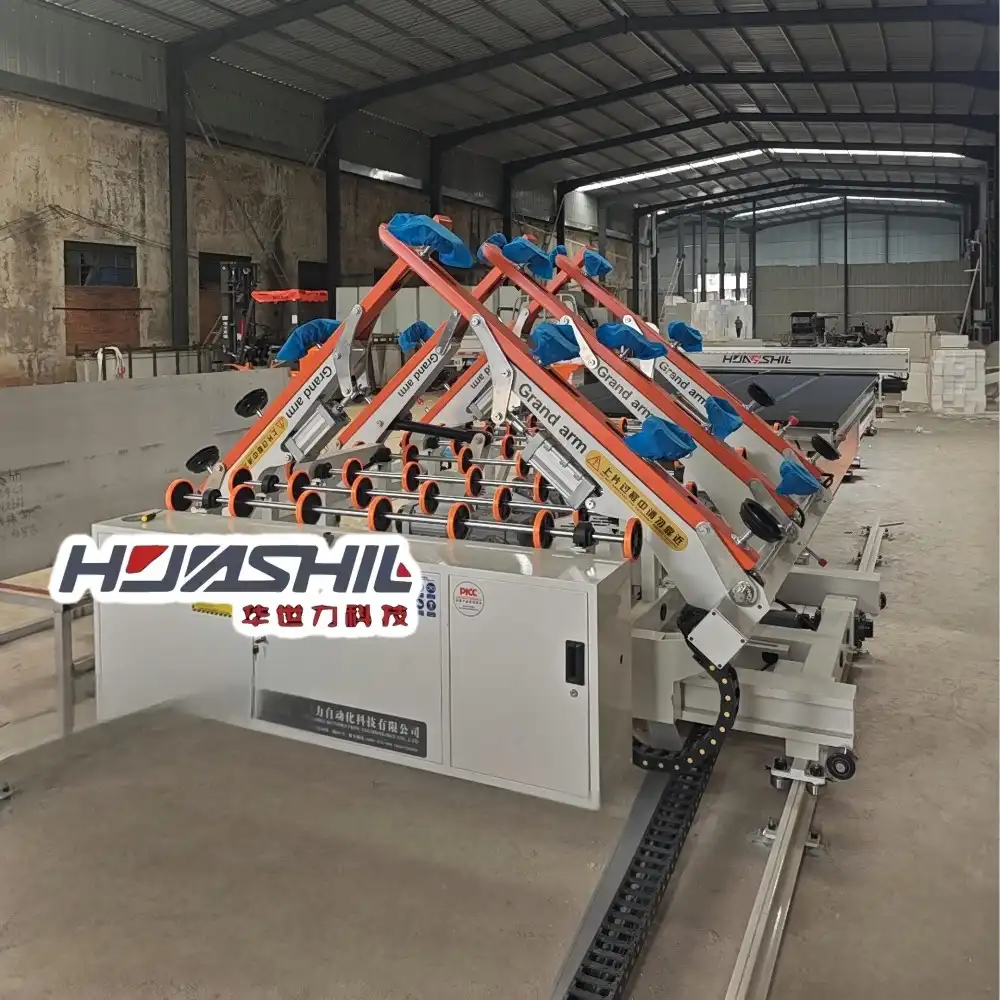
Market Demands Shaping Equipment Innovation
The evolving demands of various industries that rely on glass products are driving innovation in industrial glass breaking equipment. Manufacturers must adapt their equipment to meet these changing needs while maintaining a balance between cost-effectiveness and performance.
In the automotive sector, the trend towards larger, more complex windshields and increased use of glass in vehicle design is pushing the boundaries of glass breaking technology. Equipment capable of handling curved, laminated, and smart glass with embedded sensors and displays is in high demand. While specialized equipment for these applications comes at a premium, it allows manufacturers to tap into lucrative markets and secure high-value contracts.
The construction industry's shift towards energy-efficient building designs has led to a surge in demand for advanced insulating glass units (IGUs) and smart glass facades. This trend requires glass breaking equipment that can handle multi-layered glass assemblies with precision. Manufacturers investing in such specialized equipment may face higher upfront costs but can position themselves as leaders in the growing market for high-performance building materials.
In the electronics industry, the ongoing miniaturization of devices and the increasing use of glass in smartphones, tablets, and wearable technology are driving demand for ultra-precise glass cutting and breaking equipment. The ability to process ultra-thin glass with minimal tolerances is becoming a critical competitive advantage. While investing in high-precision equipment for these applications can be costly, it opens up opportunities in high-margin markets.
The growing popularity of customized and decorative glass products in interior design and furniture manufacturing is another factor influencing equipment choices. Versatile industrial glass breaking equipment that can handle a wide range of glass thicknesses, shapes, and finishes allows manufacturers to cater to this trend. The flexibility to switch between different product types quickly can justify the investment in more advanced, multi-functional equipment.
As the Internet of Things (IoT) continues to permeate various industries, there's an increasing demand for glass breaking equipment that can be integrated into smart factory ecosystems. Equipment with built-in connectivity and data analytics capabilities can provide valuable insights into production efficiency, predictive maintenance, and quality control. While these smart features may increase the initial equipment cost, they can lead to significant improvements in overall operational efficiency and reduced downtime.
Manufacturers must carefully assess their target markets and future growth strategies when making decisions about equipment investments. Choosing equipment that aligns with emerging market trends can provide a competitive edge, even if it requires a higher initial investment.
Conclusion
Navigating the cost vs. performance trade-offs in industrial glass breaking equipment requires a strategic approach that considers both immediate needs and long-term objectives. By staying informed about emerging technologies, prioritizing sustainability, and aligning equipment choices with market demands, industrial glass breaking equipment manufacturer can make investment decisions that drive competitiveness and profitability in the dynamic glass processing industry.
Are you ready to optimize your glass breaking operations with cutting-edge equipment that balances cost and performance? Shandong Huashil Automation Technology Co., Ltd. is here to help you make the right choice. With years of experience in automated R&D, manufacturing, and sales of mechanical equipment, we offer advanced solutions tailored to your specific needs. Our team of experts can guide you through the selection process, ensuring you invest in equipment that maximizes efficiency and quality while meeting your budget requirements. Don't let outdated equipment hold you back – contact us today at salescathy@sdhuashil.com to explore how our industrial glass breaking equipment can transform your operations and give you a competitive edge in the market.
FAQ
Q1: How do I determine the right balance between cost and performance for my industrial glass breaking equipment?
A: To strike the right balance, consider factors such as your production volume, types of glass products you manufacture, energy costs in your region, and long-term business goals. Conduct a thorough cost-benefit analysis that includes not just the initial purchase price but also operational costs, maintenance requirements, and potential revenue from new capabilities. Consult with industry experts and equipment suppliers to understand the latest technologies and their potential impact on your specific operations.
Q2: Are there financing options available for high-end industrial glass breaking equipment?
A: Yes, many equipment manufacturers and third-party financial institutions offer various financing options for industrial equipment. These may include leasing arrangements, equipment loans, or pay-per-use models. Some suppliers also offer trade-in programs for older equipment, which can help offset the cost of new purchases. Additionally, check for any government incentives or grants available for investing in energy-efficient or environmentally friendly manufacturing equipment.
Q3: How can I ensure that my investment in advanced glass breaking equipment will pay off in the long run?
A: To maximize your return on investment, focus on comprehensive training for your operators to fully utilize the equipment's capabilities. Implement a robust preventive maintenance program to minimize downtime and extend the equipment's lifespan. Regularly assess market trends and customer demands to ensure your equipment remains relevant. Consider equipment with modular designs or upgrade paths to future-proof your investment. Lastly, leverage data analytics and performance monitoring tools to continuously optimize your operations and identify areas for improvement.
Advanced Industrial Glass Breaking Solutions | HUASHIL
Looking for state-of-the-art industrial glass breaking equipment that delivers unparalleled performance without breaking the bank? Look no further than Shandong Huashil Automation Technology Co., LTD. Our cutting-edge solutions are designed to meet the most demanding glass processing needs while offering excellent value for your investment. From energy-efficient models to high-precision systems capable of handling complex glass products, we have the perfect solution for your business. Don't compromise on quality or efficiency – choose HUASHIL for your glass breaking equipment needs. Contact us today at salescathy@sdhuashil.com to discuss how we can elevate your glass processing capabilities to new heights.
References
1. Smith, J. (2023). "Advancements in Industrial Glass Processing: A Cost-Benefit Analysis." Journal of Glass Technology, 45(2), 112-128.
2. Chen, L., & Wang, H. (2022). "Energy Efficiency in Modern Glass Manufacturing Equipment." Sustainable Industrial Processes, 18(4), 305-321.
3. Johnson, R. (2023). "Market Trends Shaping the Future of Glass Breaking Technologies." Glass Industry Report, Glass Manufacturing Institute.
4. Patel, A., & Brown, S. (2022). "Balancing Cost and Performance in High-Precision Glass Processing Equipment." International Journal of Industrial Engineering, 37(3), 201-215.
