




In order to make an informed purchase choice when buying an automatic glass loading machine, it is important to know the important specs. These high-tech systems handle glass sheets precisely and quickly, turning tedious human loading tasks into streamlined automatic ones. Modern glass loading equipment uses high-tech features like pneumatic controls, sensor-based placement, and customizable logic devices to make sure that it works the same way in all production settings. The specs you look at will have a direct effect on your building's output, safety standards, and long-term running costs. This is why it's important to do a full evaluation to get the best return on your investment.
Understanding the Core Functional Specifications
Before you can choose an automatic glass loading machine, you need to know how it works and what kinds of automation it has. Any reliable glass handling system is built around a core functional design that decides how it works and how it can be integrated into current production lines.
Automation Levels and Control Systems
Modern glass filling systems come in a range of levels of automation, from semi-automatic models that need help from a user to fully automated units that can work on their own. The biggest difference between electric and hydraulic systems is how they work and how often they need to be maintained. Most of the time, electric systems are better at speed and power delivery, while gas systems are better at exact control and smooth operation. Programmable logic controllers (PLCs) are built into more advanced types. These allow for flexible loading patterns and seamless integration with equipment upstream and downstream.
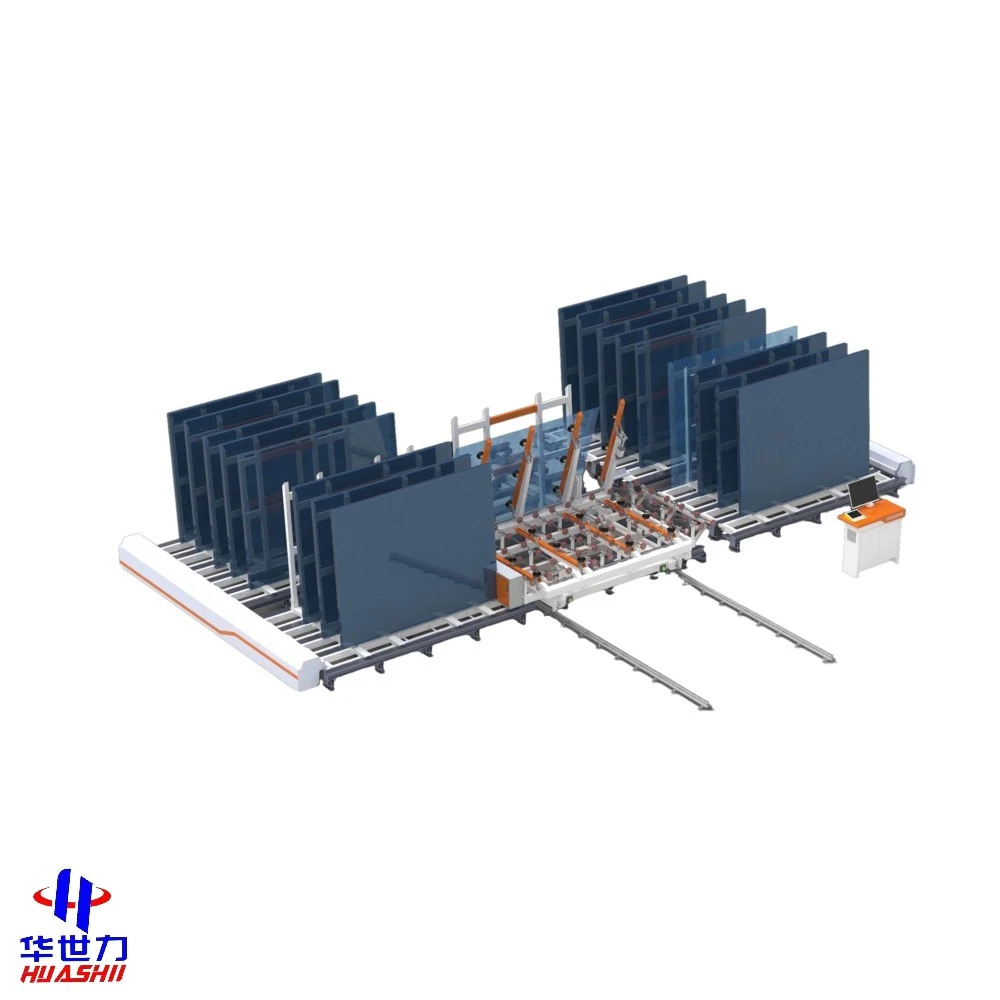
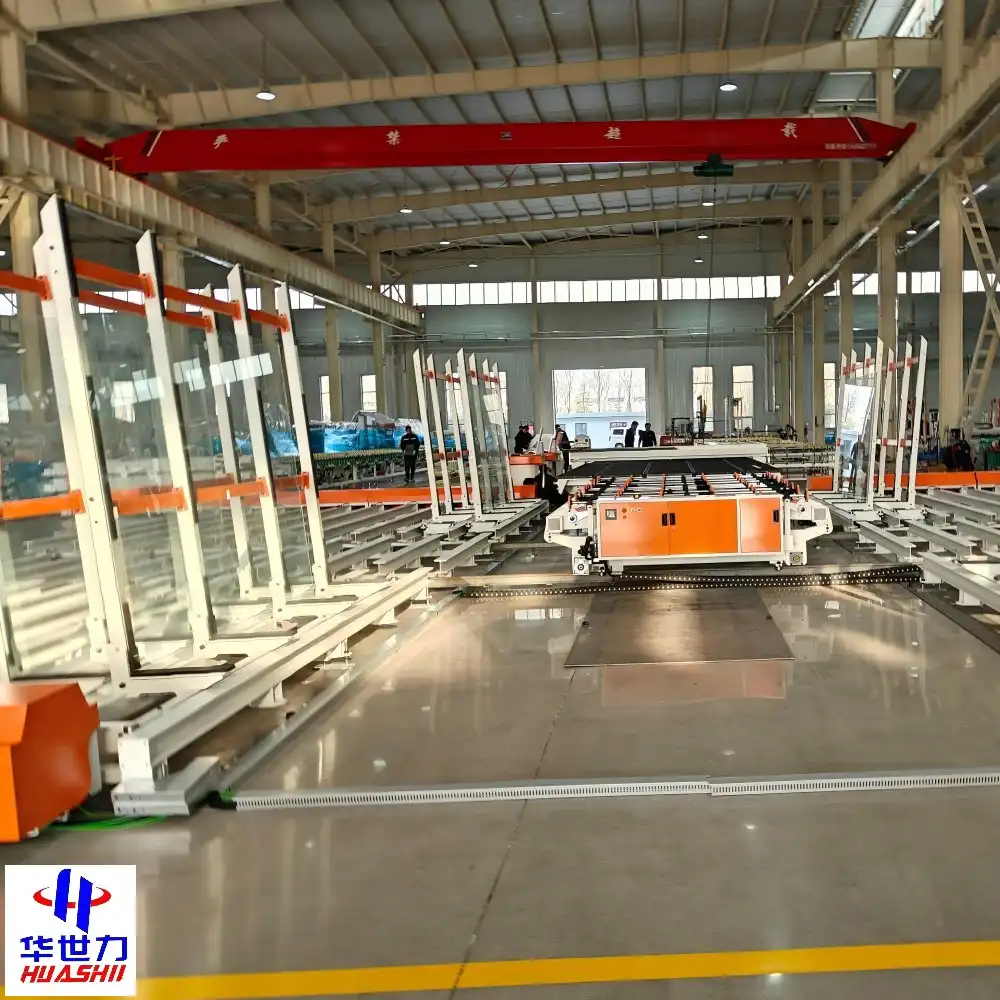
The three-arm filling system is a big step forward in the technology used to handle glass. This set-up spreads the load forces out evenly across the glass's surface, which means fewer stress spots could cause it to break. Each arm moves separately while staying in sync with the others, which lets the machine be precisely placed even on big sheets of glass. Because the system can handle different glass sizes and weights, it is especially useful for factories that make a lot of different products.
Safety Features and Compliance Standards
Safety requirements are the most important part of any workplace's glass handling tools. Multiple layers of safety are created for both workers and machinery by emergency stop systems, protective barriers, and sensor networks. Modern machines have laser safety screens, pressure-sensitive mats, and proximity sensors that stop the machine right away if someone who isn't supposed to be there comes in. Following the rules for CE marking and ISO 12100 safety standards makes sure that equipment follows international safety standards. This protects both workers and makers from potential issues.
Air Floating Technology Integration
Using controlled air pressure to make a cushioned transport environment, air-floating devices in an automatic glass loading machine are a new way to handle glass. This technology reduces the amount of direct touch between moving parts and glass surfaces. This makes it almost impossible for scratches and other damage to happen during the packing process. The air cushion effect also lowers friction, which makes it easier for big sheets of glass to move and makes both the glass and the tools used to move it last longer. Systems that can handle air floating can handle glass panels that are up to 3660mm x 2440mm, which is the largest size that is widely used in current building projects.
Key Performance Specifications to Evaluate
Performance review looks at things like processing capacity, speed, accuracy, and energy use—all of which are important for getting the best return on investment (ROI) and running a business efficiently. Quantifiable features of glass-filling equipment directly affect how much it can produce and how much it costs to run. Careful consideration of these features is essential for making decisions about what to buy.
Throughput Capacity and Cycle Times
Cycle time study shows how fast a machine can finish loading tasks, which has a direct effect on its total production capacity. Automatic glass loaders with a lot of power can handle normal glass sizes in 60 to 90 seconds, based on how thick the glass is and how hard it is to handle. Calculations of throughput ability need to take into account the different sizes and weights of glass, as well as the amount of accuracy that is needed. Machines that can walk in all directions give you more options because you can reach the glass from different angles. This cuts down on the time you need to move the machine and increases its general efficiency.
Because the walking system of the automatic glass loading machine can move in any direction, there is no need for complicated conveyor systems or human shifting of the glass. This function is especially useful in places where space is limited or where the layout isn't straight. Being able to get around objects and approach glass from the best angles cuts down on handling time and the chance of damage from an accident.
Precision and Accuracy Metrics
Product quality and material waste rates are directly affected by how precisely the goods are loaded. Advanced positioning systems use servo motors and encoder input to get placement accuracy to within ±0.5mm. This makes sure that the parts are always in the same place for further processing down the line. Vision systems and laser measuring tools allow for real-time checking of dimensions, and they can automatically change handling settings to account for small differences in glass dimensions.
Energy Efficiency and Environmental Impact
Energy-saving technologies built into modern glass-filling tools lower costs and help the environment at the same time. Variable frequency drives (VFDs) make sure that motors work at their best based on the load they are carrying. This means that they use less energy during rounds with less load. Regenerative braking systems collect energy when the vehicle slows down, which makes the total economy even better. Power consumption specs usually run from 5 to 15 kW, based on the size of the machine and the level of automation. Energy-efficient models use 20 to 30 percent less power than standard designs.
Design and Usability Specifications That Enhance Operational Efficiency
Excellent operational performance rests a lot on how easy it is to use the machine and how flexible it is. The way that humans interact with automated systems has a big effect on long-term working success, safety, and efficiency.
Control Interface and Monitoring Systems
Touchscreen displays on intuitive control systems make them easier to use and require less training. Modern human-machine interfaces (HMIs) let you check on the state of a machine in real time, get troubleshooting information, and look at production data. Supervisors can keep an eye on how equipment is working from central control rooms or even from other places with safe network links, thanks to remote monitoring.
Industry 4.0 technologies have made it possible for automatic glass loading machine glass loading tools to talk to enterprise resource planning (ERP) systems and factory execution systems (MES). This connection lets you keep an eye on production in real time, plan repairs ahead of time, and get quality reports automatically, all of which support lean manufacturing efforts.
Maintenance Accessibility and Durability
Machines that are well-designed make it easy to get to important parts for regular service and repair. Using modular building methods, techs can quickly repair worn-out parts without having to take the whole thing apart. Lubrication methods that distribute grease centrally make servicing more consistent while cutting down on service time. Protective covers keep fragile parts safe from glass fragments and other outdoor pollutants. This makes equipment last longer and requires less upkeep.
Customization and Adaptability
Being able to change the way glass filling equipment works makes sure that it fits the needs of the production process perfectly. Modular designs let changes and improvements be made in the field as production needs change. Custom fixture designs can fit different types and sizes of glass, and programmed handling routines can be changed to suit different types of glass. This adaptability is especially helpful for businesses that serve a wide range of customers or make unique glass goods.
Customization choices go beyond changes to the hardware and include software setup and interaction. Operators can get the best performance for certain tasks while still following safety rules thanks to programmable loading patterns, changeable speed settings, and adaptable safety zones.
Making the Right Choice: Comparing Types and Brands
When a business decides what to buy, it should look at the pros and cons of automatic, semi-automatic, and human glass fillers based on its size, throughput needs, and budget. As part of the selection process, present and future output needs, available floor space, and integration needs must all be carefully looked at.
Automatic vs. Semi-Automatic Systems
Fully automatic tools work best in high-volume settings where steady throughput and little work are most valuable. These methods are worth the extra money they cost at first because they take less work and are more consistent. For medium-volume processes, semi-automatic systems are a good compromise because they combine the benefits of automation with human control and lower capital investment needs.
Manual loading systems can still be used for specific uses with low volumes or businesses that are tight on money. However, human handling requires a lot of work, which raises the risk of injury and limits the ability to make more products. As production rates rise, automation becomes more appealing.
Brand Reputation and Supplier Reliability
Manufacturers of automatic glass loading machines that have been around for a while and have a good track record offer less risk and more predictable service. When evaluating a supplier, you should look at their expert assistance, supply of spare parts, and training programs. Local dealer networks are very helpful for installation, training, and ongoing upkeep. They cut down on downtime and service costs.
International makers usually offer full guarantee packages and global support networks that make sure service is the same no matter where the installation is done. For mission-critical uses, where equipment failure has a big effect on production schedules, the image for quality and dependability is even more important.
Financial Considerations and Pricing Strategies
Leasing and bulk buy discounts are two types of equipment financing choices that can give you financial freedom while keeping your working capital safe. When you figure out the total cost of ownership, you have to include the costs of installation, training, upkeep, and energy over the equipment's expected lifetime. Some providers offer maintenance plans based on performance that ensure a certain level of uptime and predictable running costs.
Ensuring Long-Term Value: Maintenance and Troubleshooting Tips
Disciplined maintenance habits and proactive fixing are needed to get the most out of your machines' uptime and extend their life. Setting up thorough maintenance plans saves the investment in equipment and ensures that output capacity is always maintained.
Preventive Maintenance Schedules
Visual checks of gas systems, electrical links, and safety devices should be part of daily inspections. As part of regular weekly maintenance, moving parts are usually oiled, sensors and vision systems are cleaned, and the safety system's functionality is checked. As part of the monthly checks, wear parts are carefully looked at, alignment is confirmed, and performance is tested.
Common Issues and Solutions
One of the most common problems to look for in an automatic glass loading machine is a broken sensor, which is usually fixed by cleaning or recalibrating the sensor. For software problems, you might need to change some parameters or restart the machine. Most mechanical problems are caused by worn or misaligned parts, and they need to be diagnosed in an organized way to find their causes.
After-Sales Support and Service Networks
Full insurance coverage and quick technical help are very important for keeping downtime and repair costs to a minimum. When suppliers offer remote diagnostics, problems can often be fixed without having to send a service technician to the customer's location. This cuts down on response time and service costs. Maintenance staff training programs make sure that building staff can handle regular service needs on their own.
Conclusion
It is important to carefully consider functional specs, performance measures, usability features, and long-term support when choosing the right automatic glass loading machine. The amount of automation, safety features, throughput capacity, and customization choices are some of the core specifications that have a direct effect on business efficiency and return on investment. Modern technologies like air floating systems, three-arm loading mechanisms, and 360-degree movement make it easier to handle big glass sizes (up to 3660x2440mm). To be successful, you need to make sure that the equipment's capabilities match the needs of the production process and that there is enough expert help and maintenance to keep it running smoothly.
FAQ
Q1: What size glass can automatic loading machines handle?
Modern automatic glass loading machines can handle glass sizes up to 3660x2440mm, and they can be set up in different ways to meet different size needs. The three-arm loading system spreads support across large panels, making sure that architectural glass and large sheets widely used in building can be handled safely.
Q2: How does air floating technology improve glass handling?
Using controlled air pressure, air floating systems make a cushioned shipping environment that keeps mechanical parts from coming into direct contact with glass surfaces. This technology pretty much gets rid of scratches and other damage to the surface while also lowering friction during movement. This makes things run more smoothly and makes equipment last longer.
Q3: What automation levels are available for glass loading equipment?
Glass loading systems range from fully manual processes that need full human control to fully automatic units that can work on their own. Semi-automatic systems are a good compromise between automation and operator control. Fully automatic machines, on the other hand, work best in high-volume production settings where little work needs to be done by hand.
Q4: Can glass loading machines be customized for specific applications?
Yes, modern glass loading equipment can be easily customized with modular designs, preset handling routines, and unique fixture arrangements. These changes make it possible to work with different types of glass, different production needs, and different building plans while still meeting safety and performance standards.
Partner with HUASHIL for Advanced Glass Loading Solutions
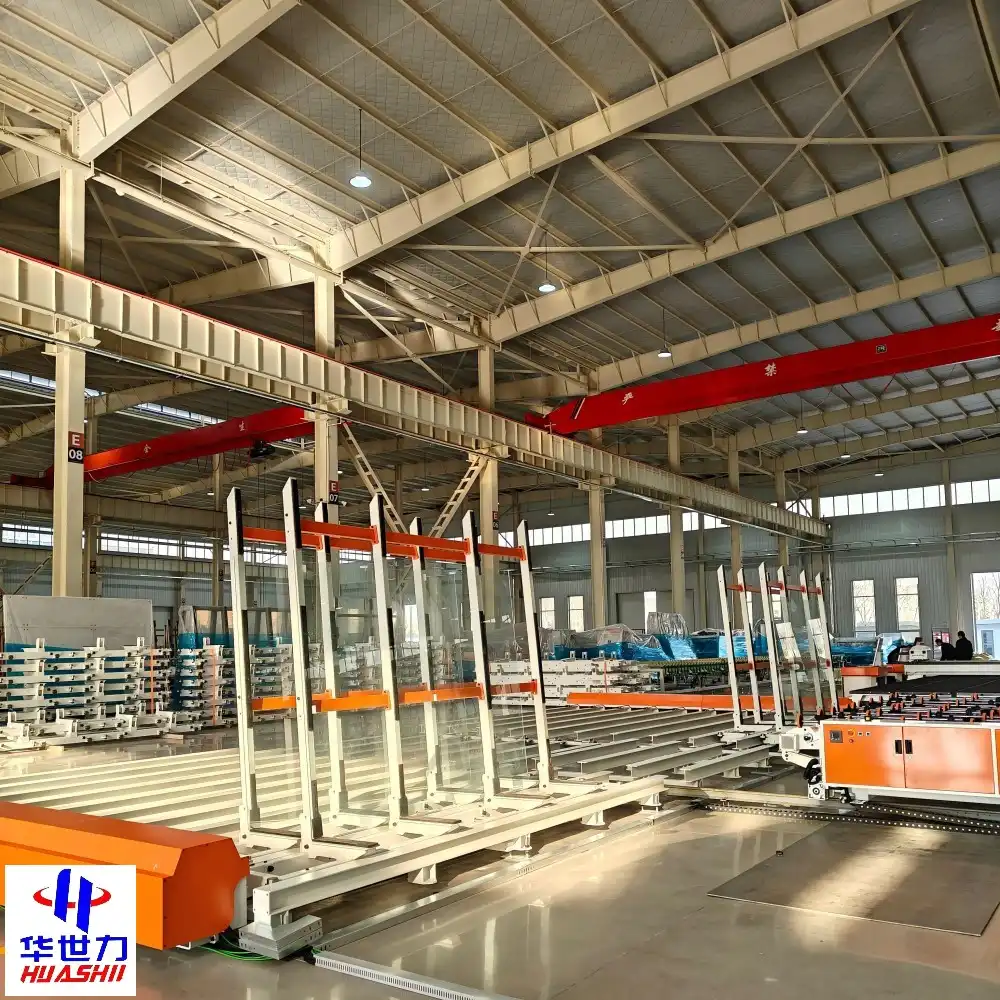
HUASHIL is an expert in making automatic glass loading machines that use cutting-edge automation technology that is made for tough glass working settings. Our high-tech systems can move in all directions and have three-arm loading mechanisms, air floating technology, and the ability to move glass up to 3660x2440mm with great accuracy. HUASHIL offers full automation solutions with expert technical support. Their products are reliable in making architectural glass, curtain walls, and furniture, and they can be customized in a lot of ways. Email our team at salescathy@sdhuashil.com to talk about your unique needs and find out how our automatic glass loading machine technology can help you make more money.
References
1. International Organization for Standardization. "ISO 12100: Safety of machinery - General principles for design - Risk assessment and risk reduction." Geneva: ISO Press, 2021.
2. Glass Manufacturing Industry Council. "Automation Technologies in Glass Processing: Performance Standards and Safety Guidelines." Glass Industry Technical Report, 2023.
3. European Committee for Standardization. "CE Marking Requirements for Industrial Glass Handling Equipment: Compliance and Certification Procedures." Brussels: CEN Publications, 2022.
4. American Society of Mechanical Engineers. "Pneumatic and Electric Control Systems in Glass Manufacturing Automation." ASME Technical Conference Proceedings, 2023.
5. Industrial Automation Research Institute. "Energy Efficiency in Glass Processing Equipment: Technologies and Implementation Strategies." Manufacturing Technology Journal, Volume 45, 2023.
6. Glass Industry Safety Association. "Best Practices for Automated Glass Handling Systems: Safety Protocols and Risk Management." Industrial Safety Guidelines, 2022.
