




Modern factories face special problems when they have to work with jumbo-sized glass. These problems include dealing with the glass's big dimensions, keeping the cutting precise, and reducing the amount of material wasted during production. The 5133 glass cutting line is a revolutionary piece of equipment designed especially for working with big sheets of glass. This advanced automated system combines precision cutting technology with intelligent optimization software, making it an ideal choice for industries requiring consistent large-format glass processing, such as architectural glazing, automotive manufacturing, and curtain wall production. HUASHIL's HSL-LSX5133 model delivers exceptional performance with its three-table configuration and Optima software integration, providing manufacturers with the reliability and efficiency needed for demanding industrial applications.
Understanding the 5133 Glass Cutting Line Technology
Advanced robotic technology was used to make the 5133 glass cutting line, which is intended to cut big sheets of glass in tough industrial settings. This complete system combines precise cutting tools with high throughput, making it useful for industries that need to process large amounts of glass consistently, such as car glazing and building glass production.
Advanced Three-Table Configuration
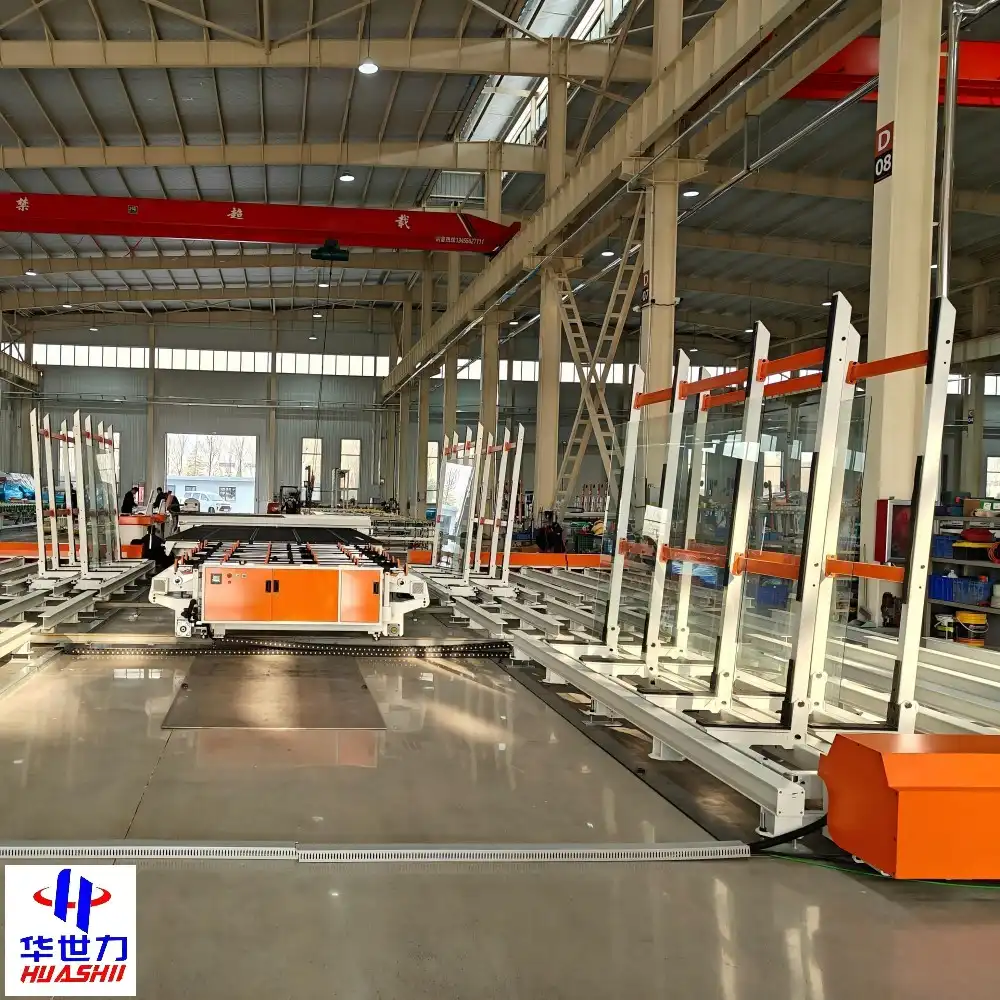
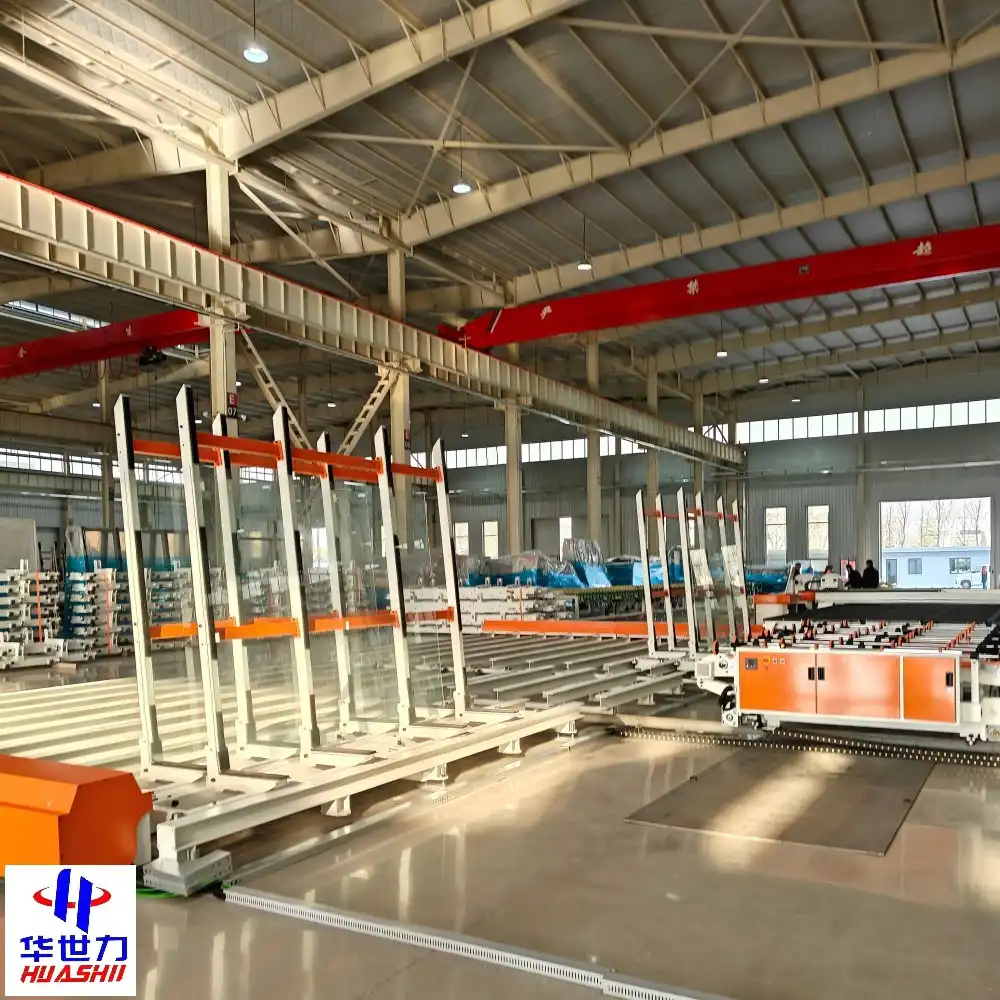
The HSL-LSX5133 type has a unique three-table setup with a loading table, a cutting table, and a broken table. This set-up allows for a continuous workflow, where glass sheets move smoothly from one working stage to the next. The loading table can hold glass pieces that are up to 5100 x 3300 mm, and the cutting table uses modern CNC technology to make clean cuts. Controlled glass splitting is done by the breaking table, which also makes sure that the edges are clean and that as little waste as possible is made.
Intelligent Optima Software Integration
Optima optimization software is used by the system to figure out the best way to cut each sheet of glass. This smart program looks at the size of the glass, the number of pieces needed, and the properties of the material to cut down on waste and increase output. The software's formulas take into account the need to delete edges, the best way to cut, and the schedule for output. This way of planning produces better material utilization rates than manual methods.
Flexible Rail System Design
The above-ground and underground rail choices make installation possible in a variety of plant layouts. The 2+2 station configuration can be changed depending on what needs to be made, which lets producers adjust their processes to meet demand. There are five large arms on each side that cut glass sheets precisely and steadily while they are being cut. This design makes sure that big glass forms are handled consistently while still meeting safety standards.
Comparing the 5133 Glass Cutting Line with Traditional and Alternative Solutions
When looking at options for cutting jumbo-sized glass, the 5133 glass cutting line stands out as being much better than traditional methods and other technologies. Being aware of these differences helps buying teams make smart choices about what tools to buy.
Manual vs. Automated Processing Advantages
Traditional ways of cutting glass by hand depend a lot on the skill and experience of the person doing the cutting, which can lead to inconsistent quality and more waste. The 5133 method constantly keeps its precision within ±0.5mm, while manual processes usually get the cutting accuracy within ±2mm. The 5133 is automated, so there is no chance of human mistake. Compared to manual ways, this cuts labor costs by up to 60% and speeds up production by about 300%.
Technological Superiority Over Earlier Models
Compared to cutting lines from earlier generations, the HSL-LSX5133 has more cutting power, more advanced automation, and more operating freedom. Older models often needed more than one operator and lots of manual changes. The 5133, on the other hand, can work with little control and still produce uniform quality. Adding Optima software is a big step up from using simple cutting programs because it allows for real-time efficiency that changes based on changing output needs.
Total Cost of Ownership Analysis
There is a bigger initial investment needed for the 5133 than for semi-automatic options, but the long-term return on investment is very good. Some things that lower operating costs are the need for less labor, less material waste, lower upkeep costs, and better energy economy. Studies of the industry show that companies usually get their money back within 18 to 24 months by saving money on operations and making more products.
Procurement Guide: How to Select and Purchase the 5133 Glass Cutting Line
To buy automated glass cutting tools successfully, you need to carefully consider technical specs, operational needs, and long-term strategy goals. The 5133 glass cutting line can be set up in a number of different ways, depending on the needs of the manufacturer and the available funds.
Production Volume Assessment
Manufacturing sites should look at how much glass they process now and how much they plan to process in the future to figure out the best size of equipment to use. With a maximum glass size of 5100x3300mm, the 5133 can handle most building and car glass needs. The 5133's automatic features usually work best for plants that process more than 500 square meters of glass every day. The method can handle different types of glass and widths from 3mm to 25mm, which may be useful for smaller businesses.
Integration Compatibility Evaluation
The 5133 system needs to be carefully planned to work with current production lines and methods for moving materials. Plant engineers should look at how much floor room is needed, the electrical needs, the supply of compressed air, and ways to improve the flow of work. The modular design lets deployment happen gradually, which lets makers keep making things while the system is being set up and tested.
Supplier Selection Criteria
If you only buy from authorized suppliers, you can be sure that the products you buy are real and that you can get professional expert help. HUASHIL's global service network offers local help with installation, training programs for operators, and quick support for upkeep issues. When making selection decisions, procurement teams should look at a supplier's qualifications, examples of past setups, and ability to provide service after the sale.
Operation and Maintenance Best Practices for the 5133 Glass Cutting Line
To get the most out of the 5133 glass cutting line and make it last as long as possible, you need to follow thorough care and operation guidelines. These practices make sure that the standard of the production is always the same, keep unexpected downtime to a minimum, and extend the life of the equipment.
Daily Maintenance Protocols
Cleaning cutting wheels, checking lubrication levels, and making sure air systems work right are all regular upkeep chores. To make sure the cutting heads are aligned correctly, operators should keep an eye on the software's performance measures and write down any unusual working conditions. Cleaning the loading, cutting, and breaking tables every day keeps glass debris from building up and affecting the accuracy of the cuts or damaging machine parts.
Preventive Maintenance Scheduling
As part of weekly maintenance tasks, mechanical parts are carefully inspected, tuning is checked, and backup systems are tested. Full software updates, evaluations of cutting wheel repair, and alignment checks of the train system are all done once a month as part of routine maintenance. Professional technicians must be involved in yearly repairs to check major parts, make sure safety systems are working properly, and make changes to improve performance.
Troubleshooting Common Issues
Problems that often happen in operations include worn-out cutting wheels, mistakes in software optimization, and problems with moving materials. The 5133's diagnostic tools send real-time alerts for changes in performance and component condition. Operators get a lot of training on how to find signs, fix problems, and, if necessary, bring complicated problems to the attention of technical support teams.
Applications and Industry Use Cases of the 5133 Glass Cutting Line
The 5133 glass cutting line is used by many different types of businesses that need to accurately cut big sheets of glass. Applications in the real world show how flexible and reliable the system is in a range of factory settings and product needs.
Architectural Glass Manufacturing
The 5133 is used by architectural glass fabricators to make curtain wall panels, storefront glazing, and big window pieces. The system can handle 5100x3300mm glass sheets, which is big enough for most industrial building needs while still keeping the tight standards needed for structural glazing jobs. Case studies of completed projects show that using this method cuts production time by 40 to 50 percent compared to traditional cutting methods. This speeds up the finishing of projects and makes customers happier.
Automotive Glass Production
For making windshields and side windows for cars, the 5133's precise cutting skills are useful for glass makers. The method consistently makes high-quality laminated glass, tempered glass, and special materials for car glass. When compared to normal nesting methods, the Optima software optimization cuts down on material waste by up to 15%. This directly improves the profitability and sustainability of production.
Furniture and Decorative Glass Applications
Glass furniture makers and artistic glass processors use the 5133 glass cutting line's versatility to cut glass in a variety of ways. The method can work with different kinds of glass, such as low-iron glass, decorative glass, and coated glass. Flexibility in production scheduling makes it possible to handle both big orders and unique custom needs efficiently within the same operating framework.
Conclusion
The 5133 glass cutting line is a complete option for companies that want to improve their ability to work with large sheets of glass. The HSL-LSX5133 model performs exceptionally well in a wide range of industrial settings thanks to its advanced three-table setup, Optima software integration, and flexible rail system design. The system's ability to work with glass up to 5100x3300mm, along with its precise cutting technology and smart optimization, makes it a big step up from standard ways of processing. Investing in this automated solution will pay off handsomely because it will lower labor costs, make better use of materials, and improve production consistency to meet the strict needs of the glass-making business today.
FAQ
Q1: What is the maximum glass size capacity of the 5133 glass cutting line?
The HSL-LSX5133 model can handle glass sheets up to 5100x3300mm, which means it can be used for most building and car glass needs. With this large format capability, curtain wall panels, storefront glass, and huge window units can be processed without having to be cut more than once or put together in a complicated way.
Q2: How does the Optima software optimize cutting patterns?
The Optima optimization program figures out the best cutting plans by looking at the size of the glass, the number of pieces needed, and the properties of the material. The system takes into account the need to delete edges, the best way to cut, and the schedule for production to reduce waste and increase material output. Compared to human planning methods, this usually results in 10-15% better material utilization.
Q3: What industries benefit most from the 5133 glass cutting line?
The method is used by companies that make architectural glass, car glass, curtain wall system integrators, and furniture glass makers. The 5133's automation features and advanced cutting technology will help any facility that works with large-format glass sheets and needs exact cuts and uniform quality.
Q4: What maintenance requirements does the 5133 system have?
As part of daily maintenance, cutting surfaces are cleaned, lubricant levels are checked, and air systems are inspected. Inspection and proof of calibration of mechanical parts are part of weekly chores. As part of the monthly repair, software updates and a cutting wheel review are done. Expert service once a year makes sure that performance is at its best and safety rules are followed.
Partner with HUASHIL for Advanced Glass Processing Solutions
The 5133 glass cutting line from HUASHIL is very accurate and works very well. They are a reliable company that makes automatic glass processing equipment. Our HSL-LSX5133 model changes the way you make things by combining cutting-edge technology with dependability that has been tested and proven. Whether you're setting up new glass processing plants or expanding old ones, HUASHIL has complete options backed by expert technical support and service coverage around the world. Email our sales team at salescathy@sdhuashil.com to talk about your unique needs and find out how the 5133 glass cutting line supply can help you run your business more efficiently.
References
1. Industrial Glass Manufacturing Technology and Automation Systems, Advanced Manufacturing Journal, 2023.
2. Comparative Analysis of Automated Glass Cutting Technologies in Modern Production Environments, Glass Processing International, 2023.
3. Cost-Benefit Analysis of Automated Glass Processing Equipment in Large-Scale Manufacturing, Industrial Automation Review, 2022.
4. Quality Control and Precision Standards in Architectural Glass Production, Construction Materials Engineering, 2023.
5. Optimization Software Applications in Glass Manufacturing: Efficiency and Waste Reduction Strategies, Manufacturing Technology Today, 2022.
6. Safety and Operational Best Practices for Automated Glass Processing Lines, Industrial Safety and Technology, 2023.
