




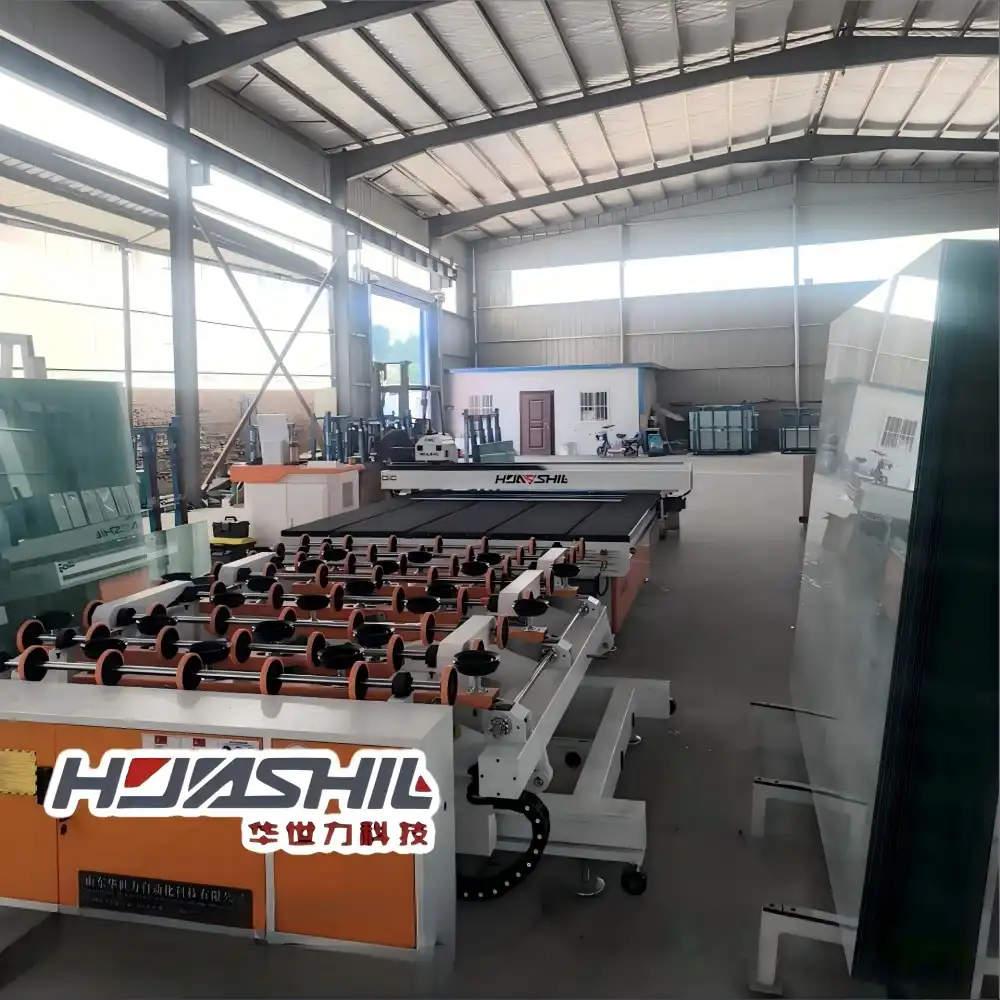
If you compare glass loader robots to traditional loading systems, the answer rests on what's most important to your business. Glass loader robots work best in places with a lot of work that needs precision, speed, and less work, so the initial investment is worth it. Small businesses that value simplicity and low start-up costs can still use traditional methods. Modern robotic solutions, such as HUASHIL's HSL-SPT3624, which can handle glass up to 3660x2440mm and has air flotation technology and a remote control that works in all directions, show how automation can improve efficiency. That being said, the right choice will depend on your facility's long-term strategic goals, production size, and budget.
Introduction to Glass Loading Systems
Handling glass is still one of the most important parts of production because it has a direct effect on output, quality, and safety in the workplace. There are two main types of technologies used in this area: automated glass loader systems and standard loading methods that are done by hand or with some automation. Procurement managers and plant directors can make smart choices about capital expenditures when they know how each system affects operational efficiency.
Robotic arms, vacuum suction systems, and programmable logic controllers are used by automated glass loaders to move big sheets of glass from storage racks to cutting tables or processing lines. In traditional systems, things are moved by hand, and overhead cranes, roller conveyors, and other devices that help with lifting require a lot of human input. The difference between these methods has grown as the need for production grows, and the cost of labour rises in the US manufacturing sector.
Modern plants that make architectural glass, curtain wall processors, and furniture are under more and more pressure to cut cycle times while still meeting zero-defect standards. If the glass breaks during filling, material is lost right away, and the process is slowed down. When safety issues happen with heavy glass sheets, there are big liability and insurance consequences. Because of these glass loader operational facts, engineering teams look more closely at loading system specifications during cycles for capital planning.
Key Differences Between Glass Loader Robots and Traditional Loading Systems
Operational Mechanisms and Workflow Integration
Robotic glass movers use servo-driven motion systems with multi-axis control to place things accurately, within millimetre errors. Vacuum suction cups spread the pulling force evenly across the glass surfaces, which stops stress buildup that leads to tiny cracks. Built-in sensors measure the size of the glass and change the gripping patterns automatically, so production runs with different-sized glass don't need to be rearranged by hand. With traditional methods, the accuracy of positioning depends on how skilled the operator is. For crane-assisted loading, workers have to move the glass sheets by hand, which makes it harder to get them exactly where they need to go. Roller conveyors make work easier on the body, but they still need to be watched all the time to avoid accidents or imbalance. Some semi-automated systems have basic monitors, but they can't adapt to changes in production.
Performance Metrics Comparison
At scale, differences in speed become clear. Depending on the size of the glass, robotic systems can finish filling cycles in 45 to 90 seconds, and their throughput stays the same no matter how long the shift lasts. The average turn time for traditional methods is two to four minutes, and performance drops as operators get tired during long production runs. The same thing can be said about precision measurements. Positioning accuracy of automated loaders is within ±0.5mm, which is very important for CNC cutting processes that come after. When positioning by hand, errors of about 3 to 5 mm are common. This is fine for less demanding tasks, but not good enough for building glass that needs precise measurements.
Advantages and Disadvantages: Glass Loader Robots vs Traditional Systems
Robotic Automation Strengths
A case for automatic glass loaders is built on a number of strong points. In tight job markets, lowering the cost of labour is very appealing. One robotic system can replace two to three full-time workers per shift, and at average US wage rates, it pays for itself in 18 to 24 months. When performance is consistent, there are no mistakes caused by distractions, drops in performance between shifts, or problems caused by people not showing up for work. Precision that can be repeated leads to better quality. Using the right vacuum pressure to stop micro-cracks in finished products makes them last longer. When filling cutting lines or tempering furnaces, accurate placement that stays the same cuts down on waste. Systems like HUASHIL's that have CE and ISO9001 certifications give documentation audit trails that meet the needs of automotive and aerospace glass suppliers. Safety improvements are important for both people and the economy. Taking workers out of areas where they have to do heavy lifting almost completely gets rid of joint injury claims. Automated glass loader systems have multiple safety interlocks that meet OSHA standards for machine guarding, which lowers the risk of injury.
Robotic System Challenges
The main obstacle is the initial expense. Traditional systems cost between $30,000 and $80,000, but turnkey robotic setups cost between $150,000 and $400,000. In order to get financial approval, detailed ROI modelling is needed. This is usually done by cross-functional teams, and evaluation rounds last for several months. Technical complexity calls for new sets of skills. Maintenance teams need to know how to program PLCs and figure out what's wrong with servo systems. Smaller businesses may not have the ability to do their own work, so they need to rely on outside service providers. Keeping spare parts for specialised parts on hand adds to the cost of doing business.
Decision Criteria for Choosing Between Glass Loader Robots and Traditional Systems
Production Volume Analysis
Daily output goals help choose the system. Traditional methods may be enough for facilities that process less than 80 glass sheets per shift, especially if the mix of products stays the same. When operations handle more than 150 sheets per day, the efficiency gains from robots make the investment in automation worth it. Changes in seasonal demand affect the estimates. Businesses that have big peaks can benefit from robotic systems that keep output steady during busy times without paying extra for overtime. On the other hand, businesses that have steady demand all year might choose traditional methods because they have lower fixed costs.
Total Cost of Ownership Evaluation
Lifecycle costs are only 40–50% of the purchase price. Adding 15–25% to the base cost of equipment, installation prices for robotic systems cover things like upgrading the electrical infrastructure, putting up safety fences, and integrating them into the production line. Traditional methods don't need many changes to the building, but they do require ongoing labour costs that rise every year. Budget estimates for maintenance vary a lot. Every 500 to 1000 hours of operation, robotic systems need scheduled preventative repair. Service contracts for a year usually cost $12,000 to $18,000. Traditional systems need to repair parts more often, but each incident costs less. Robotics uses less energy than other types of systems; electric servo systems use 30 to 40 percent less power than gas or hydraulic ones.
Emerging Trends and Future Outlook in Glass Loading Technology
Intelligent Automation Integration
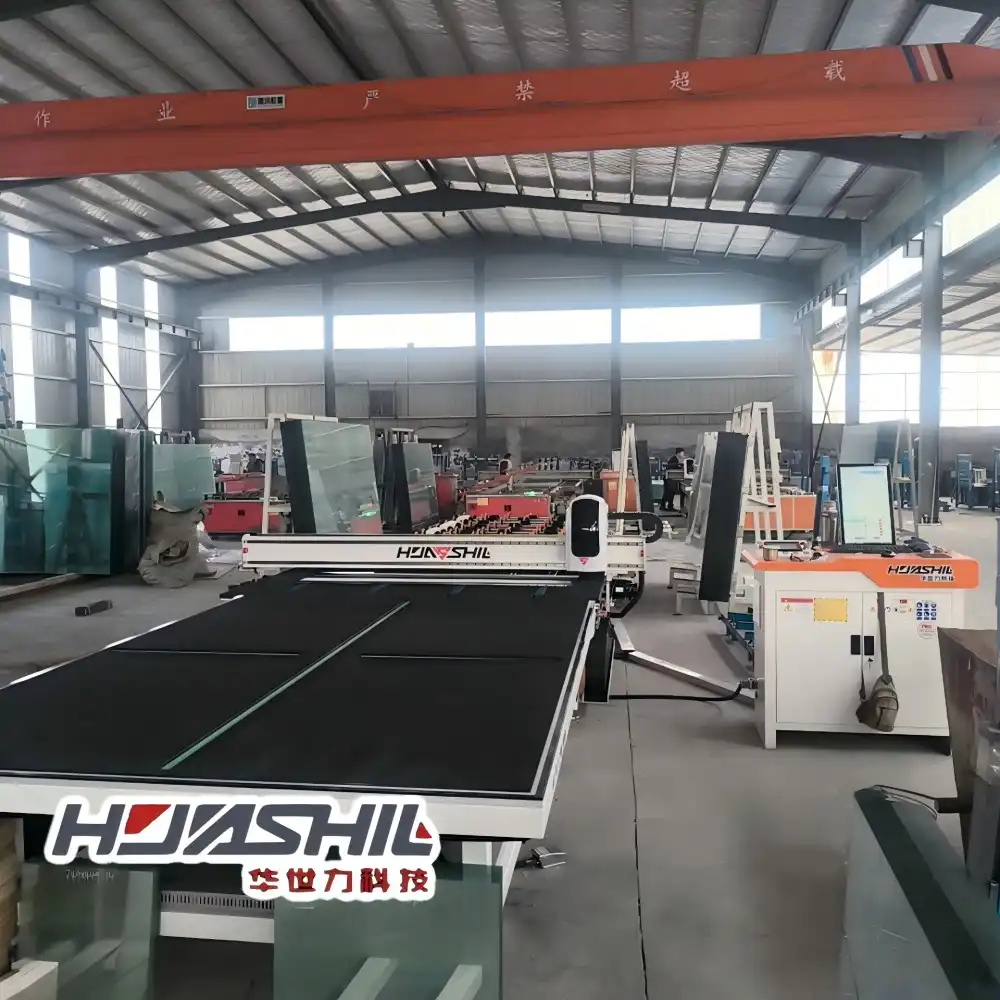
Artificial intelligence algorithms now optimize loading sequences based on downstream process status. Predictive analytics monitors vacuum pump performance, scheduling maintenance before failures occur. Machine vision systems inspect glass edges, pre-loading, and routing defective sheets to rejection stations automatically. Industry 4.0 connectivity transforms isolated equipment into networked production ecosystems. Real-time data exchange between loaders, cutting tables, and ERP systems enables dynamic scheduling adjustments responding to rush orders or material glass loader shortages. Cloud-based monitoring allows production managers to oversee multiple facilities from centralized dashboards.
Sustainability Imperatives
Energy efficiency gains traction as utility costs rise and environmental regulations tighten. Next-generation servo motors reduce power consumption by 45% compared to systems manufactured five years ago. Regenerative braking captures kinetic energy during deceleration cycles, feeding electricity back to facility power grids. Material waste reduction drives adoption of precision loading systems. Eliminating breakage during handling prevents landfill disposal of damaged glass, supporting corporate sustainability targets. Enhanced process documentation aids LEED certification applications for green building projects.
Market Evolution Projections
Analysts forecast North American glass processing automation equipment sales growing 8-12% annually through 2028, propelled by reshoring initiatives and labor shortage pressures. Technological maturity reduces robotic system costs while expanding capabilities, lowering adoption barriers for mid-market fabricators. Hybrid solutions blending robotic precision with traditional system economics may emerge, targeting transitional applications.
Conclusion
Selecting between robotic glass loaders and traditional systems demands rigorous analysis of production scale, financial capacity, and strategic direction. Robotic automation delivers measurable advantages in throughput, quality consistency, and safety for operations processing significant daily volumes. Traditional methods retain relevance where capital constraints dominate, or production complexity remains low. The decision transcends simple cost comparison, encompassing workforce capabilities, facility infrastructure, and long-term competitive positioning. Successful implementation requires matching system characteristics to operational realities while partnering with suppliers offering robust technical support throughout equipment lifecycles.
FAQ
1. What ROI should facilities expect from robotic glass loaders?
Typical payback periods range from 18 to 30 months, depending on labor rates and production volumes. Facilities running multi-shift operations see faster returns through eliminated overtime costs and reduced breakage waste. Detailed ROI modeling should incorporate productivity gains, quality improvements, and safety incident reductions beyond direct labor savings.
2. How steep is the learning curve for operating robotic loading systems?
Operators familiar with touchscreen interfaces master basic robotic system operation within 3-5 days of training. Advanced troubleshooting and parameter optimization require 2-3 weeks for maintenance technicians. Reputable suppliers provide comprehensive training programs and ongoing technical support to accelerate competency development.
3. Can robotic loaders integrate with existing glass processing lines?
Modern robotic systems accommodate diverse production configurations through customizable interfaces and flexible mounting options. Retrofitting existing facilities typically proves feasible, though layout optimization may enhance efficiency. Consultation with equipment manufacturers during planning phases ensures compatibility with specific cutting tables, edging machines, and material handling workflows.
Partner with HUASHIL for Advanced Glass Loading Solutions
HUASHIL brings decades of automation expertise to architectural glass fabrication challenges, serving window manufacturers, curtain wall integrators, and furniture producers worldwide. Our HSL-SPT3624 glass loader combines proven reliability with innovative features—air flotation systems protecting delicate coatings, breaking table integration streamlining workflow, and remote control operation maximizing flexibility. CE and ISO9001 certifications validate our quality glass loader standards, meeting global procurement requirements.
Whether you're evaluating your first automation investment or expanding existing production capacity, our engineering team provides detailed technical consultations tailored to your operational needs. We support B2B clients throughout the procurement cycle—from initial feasibility studies through installation, training, and ongoing service partnerships. As a trusted glass loader manufacturer, we maintain a North American spare parts inventory and technical support, ensuring minimal downtime.
Contact our team at salescathy@sdhuashil.com to discuss your glass loading requirements and receive a customized proposal addressing your specific production challenges and budget parameters.
References
1. Glass Manufacturing Industry Council. "Automation Impact on Glass Processing Efficiency and Safety Standards." Industrial Glass Technology Quarterly, 2023.
2. Martinez, R. and Thompson, J. "Robotic Material Handling Systems: Cost-Benefit Analysis for Medium-Volume Manufacturing." Journal of Manufacturing Systems Engineering, Vol. 47, 2023.
3. American Glass Association. "Labor Trends and Automation Adoption in Architectural Glass Fabrication." Industry Report 2024.
4. Chen, L. "Precision Positioning Systems for Large-Format Glass Handling Applications." International Journal of Advanced Manufacturing Technology, 2023.
5. National Safety Council Manufacturing Division. "Ergonomic Risk Reduction Through Automated Material Handling: Case Studies from Glass Processing Facilities." Safety Research Bulletin, 2023.
6. Industry 4.0 Implementation Group. "Smart Factory Integration Strategies for Glass Processing Equipment." Manufacturing Technology White Paper Series, 2024.
