




These days, people who make furniture have to pick different tools to use because they want to be more eco-friendly. Eco-friendly ideas went into making a furniture glass machine that cuts glass table tops, cabinet panels, and decorative furniture pieces very accurately while using less power. Companies can meet their production goals and their environmental duties with the help of modern CNC glass cutting systems. These systems combine technology with furniture, glass, and machine care for the world around them. The way furniture is made has come a long way, thanks to this new mix of eco-friendly technology and modern tools for making things.
Understanding Eco-Friendly Furniture Glass Machines
What Makes Glass Processing Equipment Sustainable
Sustainable glass processing equipment has motors that use less energy, smart power control systems, and ways to cut down on waste. These machines use variable frequency drives that change how much power they use based on how much work they have. Compared to older types, these machines use 30–45% less electricity. Modern methods for recycling coolant keep water waste to a minimum while cutting, and blade paths that are optimised keep raw materials from being wasted. This method is shown by the HSL-CNC3829 model's Optima optimisation software, which figures out the best cutting patterns before the processing starts.
Core Technologies Driving Environmental Performance
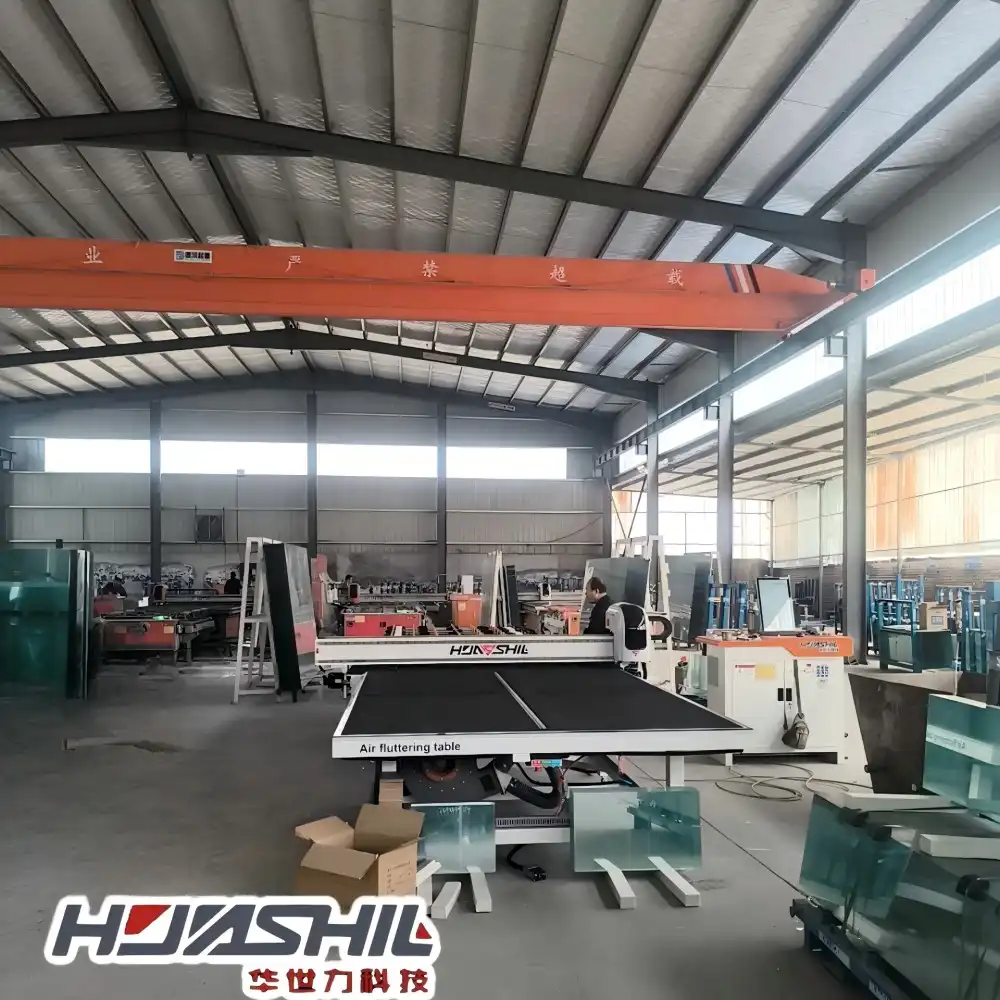
Environmentally friendly glass cutting systems are different from regular ones in a number of ways. Smart devices check the temperature, vibration, and power use in real time, so that energy isn't wasted on things that aren't being used or are set up inefficiently. Modern CNC machines have an air flotation device that protects glass surfaces during positioning and stops energy loss caused by friction. Automatic edge finding makes sure that the pieces are put in the right place the first time, which cuts down on setup time and waste. Together, these features make each production cycle less harmful to the environment while keeping working speeds fast enough for business use.
Benefits of Using Eco-Friendly Furniture Glass Machines in Manufacturing
Environmental Impact Reduction
There are measurable environmental benefits in many furniture glass machine ways when you use sustainable glass cutting tools. Motors that use less energy and smart power management cut each machine's electricity use by 8,000 to 12,000 kWh per year in a normal furniture factory. Recycling systems for water cut use by 70%, which helps solve resource problems in many industrial areas. With precision cutting technology, glass waste is kept to less than 3% of the raw material used. This is much lower than the 8–12% waste rate that happens when cutting glass by hand. These changes directly lower the amount of harmful gases that are released during production. Companies that use certified eco-friendly tools say they don't have to pay as much to get rid of coolant and cutting residue. The automatic pressure control feature stops the glass from breaking during processing, which gets rid of broken units that would have gone into trash streams otherwise. These environmental benefits are valued by plant managers because they can be turned into measurable sustainability metrics that improve corporate social responsibility reporting and meet customer demands for green supply lines.
Economic Advantages for Manufacturers
In addition to being better for the earth, sustainable glass processing equipment saves a lot of money over its lifetime. Based on industrial power rates in the US, if each machine uses less energy, its monthly utility costs go down by $600-$900. Cutting down on trash saves between 5 and 7 percent of the cost of raw glass every year, which increases profits on every production run. Quality models like the HSL-CNC3829 that have CE and ISO9001 certifications make legal processes easier and avoid the delays and fines that come with breaking the rules. The lower total cost of ownership these tools offer is something that procurement managers value. Precision improvements cut the cost of rework by 40%, and automatic features cut the time it takes to train an operator from three weeks to five days. Reliable equipment increases production uptime to 95% or higher, which cuts down on costly interruptions. Financial leaders find that eco-friendly machines usually pay for themselves in 18 to 24 months through combined operational savings. This makes them appealing capital expenditures even when budgets are tight.
Criteria for Selecting the Best Eco-Friendly Furniture Glass Machine
Essential Performance Specifications
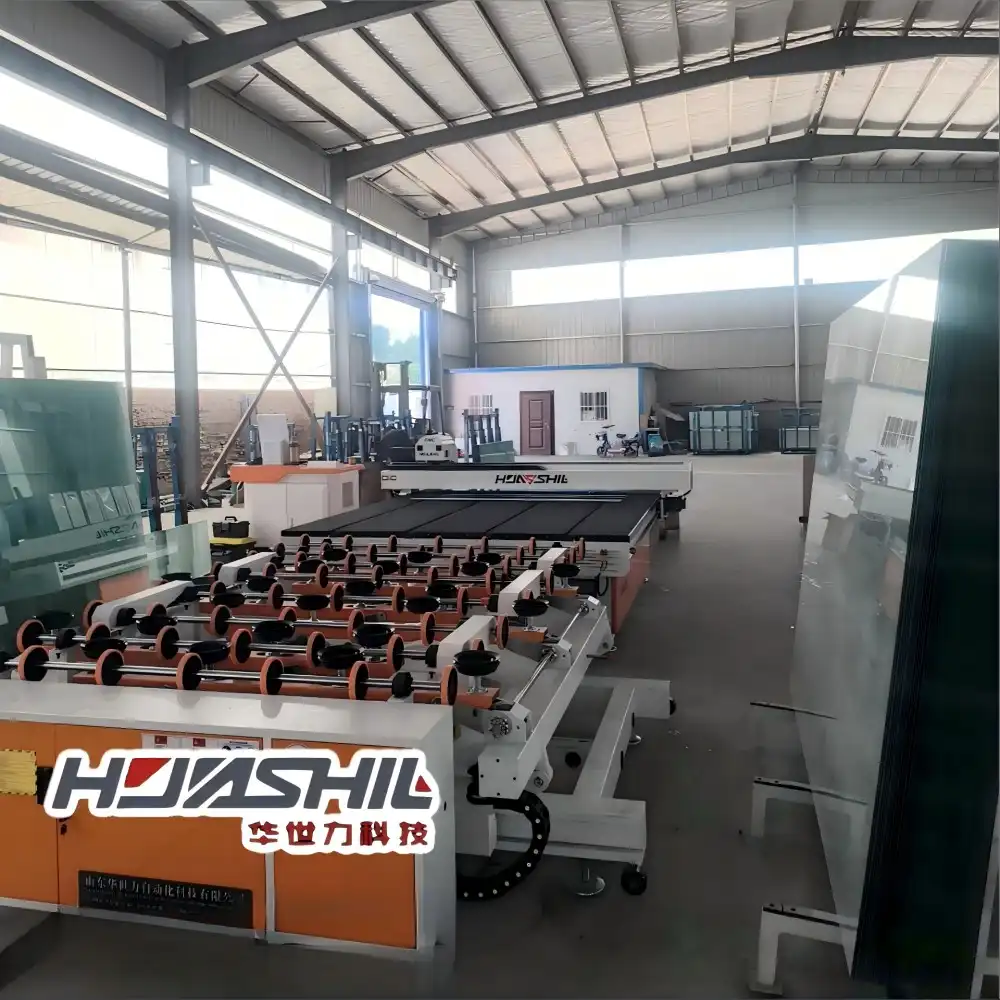
When engineering managers look at glass-cutting equipment, they should focus on a few technical factors that affect both how long the equipment will last and how much it can produce. Processing power affects throughput potential. The HSL-CNC3829 can handle a maximum glass size of 3600x2800mm, which is big enough for large furniture panels, and a thickness range of 2–19mm, which is flexible enough to meet a wide range of product needs. Cutting precisely within ±0.1mm limits makes sure that the quality stays the same from one production run to the next. Energy efficiency scores, which are given in kilowatt-hours per square metre processed, make it easy to compare models directly. Features of automation have a big impact on how well operations run and how well the world is treated. Automatic pressure control changes the cutting force based on the width of the glass. This keeps waste from breaking and makes the best use of energy. When moving things, air flotation devices cut down on friction and power use. Integrated optimisation software, such as Optima, figures out the best way to cut the glass sheets so that the most glass is used. When put together, these features make the total cost of ownership lower than with semi-automated options.
Certification and Reliability Factors
Certification credentials provide objective validation of furniture, glass, and machine equipment quality and environmental performance. CE certification confirms compliance with European safety and environmental standards, essential for manufacturers supplying international markets. ISO9001 certification demonstrates consistent quality management in equipment production, reducing the risk of defects and reliability issues. Procurement teams should verify that certifications come from accredited testing bodies rather than self-declarations. Machine reliability directly impacts production economics and sustainability outcomes. Equipment downtime wastes energy during restart cycles and disrupts optimized production schedules. Technical managers should review the mean time between failure data and the availability of local service support. Warranty terms indicate manufacturer confidence—comprehensive coverage spanning 24-36 months, with responsive parts availability, suggesting superior build quality. The availability of training programs ensures operators can maximize equipment efficiency from day one.
Maintaining and Operating Eco-Friendly Furniture Glass Machines Safely
Scheduled Maintenance Protocols
Preventive maintenance preserves both equipment performance and environmental efficiency over extended operational periods. Daily inspection routines should verify coolant levels, check cutting blade condition, and confirm sensor calibration. Weekly maintenance includes cleaning air filtration systems and inspecting pneumatic connections for leaks that waste compressed air. Monthly procedures involve lubricating motion components, testing safety interlocks, and reviewing software logs for error patterns. These scheduled activities prevent efficiency degradation that increases energy consumption and waste generation. Production directors should establish maintenance documentation systems tracking service intervals and replacement part usage. Organized records enable data-driven decisions about component lifecycle and help identify recurring issues before they cause failures. Supplier-provided maintenance training equips technical staff to handle routine procedures internally, reducing dependency on external service calls. Stocking critical spare parts minimizes downtime risk—recommended inventory includes cutting wheels, sensors, and seal kits based on typical wear patterns.
Safety Standards and Operator Protection
Glass processing equipment presents specific hazards requiring comprehensive safety protocols. Automated pressure control systems protect operators by eliminating manual force adjustment near cutting zones. Emergency stop mechanisms positioned at multiple locations around machines ensure rapid shutdown capability. Safety enclosures with interlock switches prevent access to moving components during operation. The 360-degree remote control walking function on advanced models allows operators to reposition equipment from safe distances. Training programs must address both machine operation and emergency procedures. Operators should understand proper material handling techniques to prevent strain injuries when loading large glass sheets. Personal protective equipment requirements include safety glasses, cut-resistant gloves, and hearing protection in high-throughput facilities. Regular safety audits verify compliance with OSHA standards in the United States or equivalent regulations in other jurisdictions, protecting workforce health while reducing liability exposure.
Future Trends and Innovations in Sustainable Furniture Glass Machines
Artificial Intelligence in Energy Management
Emerging AI technologies promise substantial advances in glass processing efficiency. Machine learning algorithms analyze historical production data to predict optimal cutting parameters for each glass type and thickness, reducing energy consumption and waste. Predictive maintenance systems monitor equipment performance patterns, scheduling service interventions before failures occur. These intelligent features continuously improve operational efficiency without requiring manual optimization, adapting to changing production requirements automatically. Integration with facility energy management systems enables sophisticated demand response capabilities. Glass cutting equipment can shift high-consumption operations to off-peak hours when electricity rates are lower, and grid carbon intensity decreases. Real-time energy monitoring displays help operators understand the environmental impact of process decisions, fostering sustainability awareness throughout production teams. These AI-driven innovations represent the next evolution in eco-friendly manufacturing technology.
Recyclable Components and Circular Economy
Progress in material science is making machine parts that can be recycled into furniture, glass machines, when they reach the end of their useful life. More and more, manufacturers are asking for recyclable aluminium metals for structural frames and standard fasteners that make taking things apart easier. When new technologies come out, modular designs let you change parts instead of throwing away the whole machine. This circular economy method lowers the damage that making equipment does to the environment and might help create new markets for used equipment. Standardising parts across generations of equipment makes it last longer by giving users ways to update instead of having to buy new equipment. As processing algorithms get better, control systems with software designs that can be upgraded will still be useful. These design ideas are in line with environmental goals because they make the best use of resources and reduce the waste that comes from replacing equipment.
Strategic Investment Considerations
When buying tools, people who work in procurement should think about how ready it is for the future. Machines that can get software updates and add-on modules keep themselves from becoming obsolete quickly. Partnerships with providers that are committed to ongoing innovation make it possible to get access to new technologies for sustainability through upgrade programs instead of having to make big capital investments. Green financing choices that support buying environmental equipment can make a project more profitable by offering lower interest rates or longer terms. The way the industry is going, it looks like regulations will keep getting stricter about how much energy and emissions factories produce. When investing in equipment today, these changing needs should be taken into account, and solutions that go beyond current standards should be chosen instead of just meeting them. This proactive method keeps return on investment safe and shows environmental leadership by avoiding costly repairs or replacements before regulations change.
Conclusion
Making furniture in a way that is good for the environment and also makes money needs processing equipment that strikes a balance between the two. Eco-friendly glass cutting technology cuts down on wasteful materials, energy use, and operational costs while still meeting government standards and protecting a brand's image. Procurement teams can choose options that have the lowest total cost of ownership by carefully looking at technical specs, certifications, and the abilities of suppliers. With its advanced automation, energy economy, and full certification, the HSL-CNC3829 is the best example of what's possible right now. Manufacturers can stay competitive in the long run by investing in certified, environmentally friendly equipment. This is because environmental standards are always changing across global markets.
FAQ
1. What distinguishes eco-friendly glass cutting equipment from traditional machines?
Eco-friendly models incorporate energy-efficient motors, intelligent power management systems, and waste reduction technologies that lower electricity consumption by 30-45%. Optimized cutting algorithms minimize material waste to below 3%, while water recycling systems reduce consumption by 70%. Certified sustainable equipment meets international environmental standards through documented performance testing.
2. How can procurement teams evaluate energy efficiency before purchase?
Request specific energy consumption data expressed in kilowatt-hours per square meter processed. Compare these metrics across competing models at similar production speeds. Review certification documentation from accredited testing laboratories confirming efficiency claims. Calculate projected annual energy costs based on planned production volumes and local electricity rates to determine lifecycle savings.
3. What maintenance practices maximize equipment lifespan and efficiency?
Implement daily inspection routines covering coolant levels, blade condition, and sensor calibration. Perform weekly cleaning of filtration systems and monthly lubrication of motion components. Maintain detailed service records, tracking part replacements and identifying patterns. Stock critical spare parts based on supplier recommendations and typical wear schedules to minimize downtime.
Partner with HUASHIL for Certified Sustainable Glass Processing Solutions
HUASHIL delivers proven eco-friendly furniture glass machine technology, designed for manufacturers prioritizing both performance and environmental responsibility. Our HSL-CNC3829 model combines CE and ISO9001 certification with advanced features, including automatic pressure control, air flotation systems, furniture glass machine, and Optima optimization software. Processing capabilities extending to 3600x2800mm glass sizes and 2-19mm thickness ranges support diverse furniture production requirements while maintaining energy efficiency.
Manufacturing expertise spanning decades enables HUASHIL to provide comprehensive support from equipment selection through installation and ongoing technical service. Contact our procurement specialists at salescathy@sdhuashil.com to discuss your specific production needs and receive detailed technical specifications. We offer factory demonstrations, customization options, and flexible financing terms supporting sustainable manufacturing investments. Discover why leading furniture glass machine suppliers trust HUASHIL technology to meet demanding quality standards while reducing environmental impact.
References
1. Anderson, M. (2023). Energy Efficiency in Industrial Glass Processing: Standards and Best Practices. Manufacturing Technology Press.
2. Chen, L., & Rodriguez, P. (2024). Sustainable Automation in Furniture Manufacturing: Equipment Selection and ROI Analysis. Journal of Industrial Ecology, 28(2), 145-167.
3. European Commission Directorate-General for Energy. (2023). Eco-Design Requirements for Industrial Machinery: Implementation Guide for Glass Processing Equipment.
4. Hayes, R. (2024). CNC Technology Advances in Architectural and Furniture Glass Fabrication. Glass Manufacturing Industry Quarterly, 41(3), 78-94.
5. National Institute of Standards and Technology. (2023). Energy Performance Metrics for Manufacturing Equipment: Glass Cutting and Processing Systems.
6. Williams, T., & Kumar, S. (2024). Circular Economy Principles in Manufacturing Equipment Design. International Journal of Sustainable Engineering, 17(1), 22-41.
