




It takes accuracy, careful planning, a furniture glass machine, and tight adherence to safety rules to operate a furniture glass machine. These automatic cutting systems take flat sheets of glass and cut them into custom-shaped parts that can be used in furniture, shower doors, cabinets, and walls. To use a machine safely, you must first understand how it works, do pre-operation checks, follow structured operational sequences, and regularly keep the equipment. This guide shows plant managers, production directors, and workshop operators tried-and-true safety methods that keep workers from getting hurt, improve output quality, and extend the life of glass machines used in business settings.
Understanding Furniture, Glass Machines, and Safety Fundamentals
What Are Furniture Glass Machines?
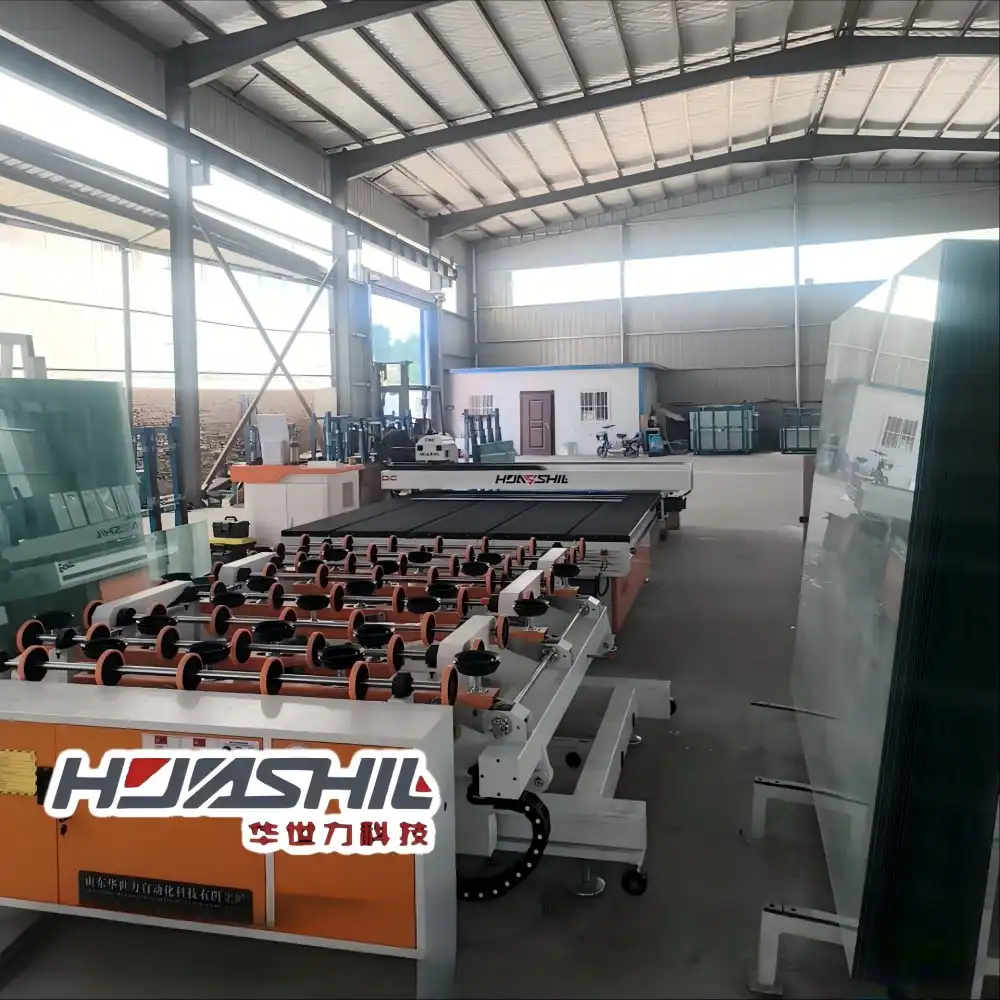
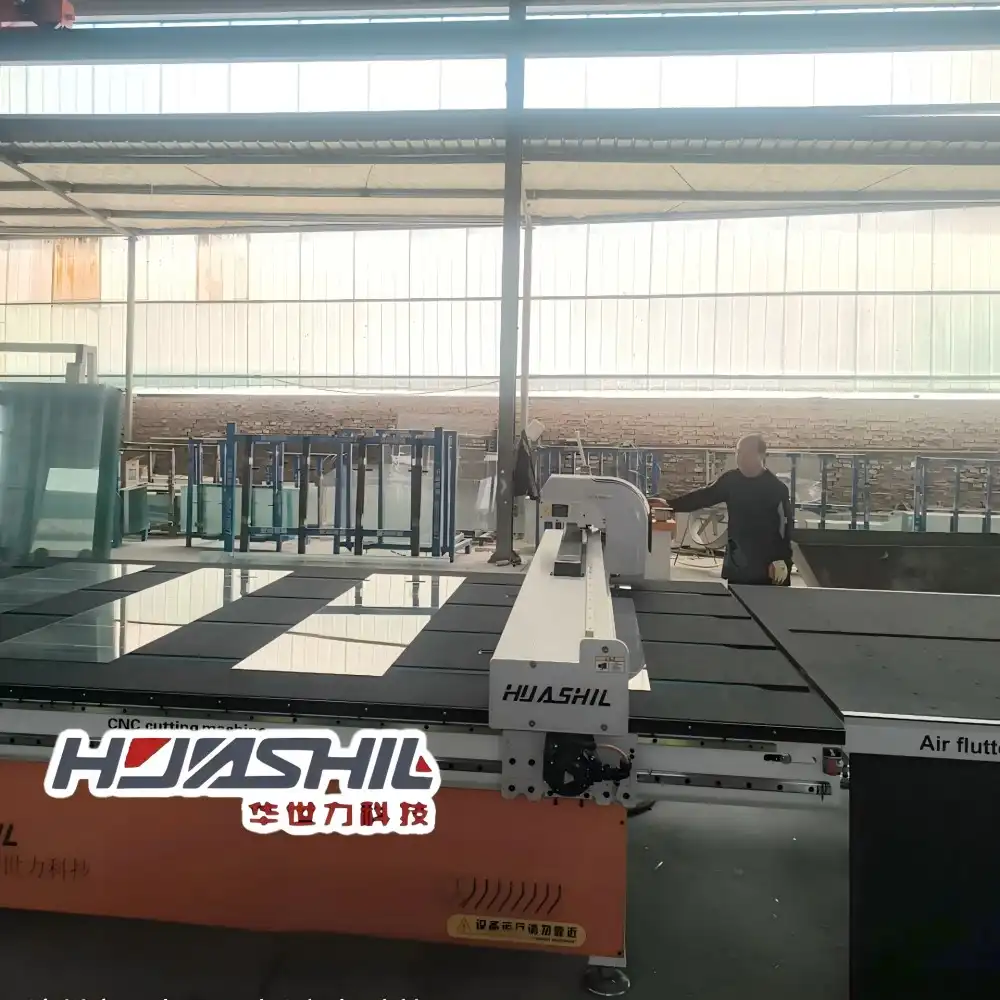
The cutting tools in furniture glass machines are designed to work with glass sheets from 2 mm to 19 mm thick with computer-controlled accuracy. Modern CNC glass cutting machines use automatic edge detection and pressure control to get consistent results during large production runs. The HSL-CNC3829 model is an example of this technology. It can cut glass up to 3600mm x 2800mm and comes with Optima optimisation software that figures out the best cutting lines and minimises material waste. Architectural glass plants use these systems to make window and door panels, curtain wall makers use them to make building facades, and furniture manufacturers use them to make glass tops and cabinet fronts. Learning about the features of equipment helps purchasing managers match machine specs to production needs and find safety-important parts like cutting heads, vacuum tables, and air float systems.
Core Safety Components and Operational Risks
There are three important safety features built into every CNC glass cutter. When you press an emergency stop button, everything stops right away. When sensor arrays pick up on foreign items or an operator being close to moving parts, they shut down the machine automatically. Guard rails and safety zones keep people from touching the cutting wheels and glass edges by chance while the machine is running. Cuts from broken glass, pinch points between moving parts, and flying objects during cutting processes are all common dangers. Machines with high feed rates make so much noise that you need to wear earplugs. When there isn't enough airflow, breathing protection for glass dust, furniture, and glass machine particles is needed. When workshop managers are aware of these risks, they can put in place the right controls and training programs to keep workers safe while still meeting efficiency goals.
Pre-Operation Safety Checks and Preparation
Daily Machine Inspection Routine
Starting each shift with a set of systematic checks keeps tools from breaking down and keeps workers from getting hurt. Check the cutting wheels for chips or wear patterns that show they need to be replaced. Make sure the surfaces of the hoover tables are clean and free of glass bits that could damage the work. To make sure the emergency stop works, press each button and make sure the power goes out right away. In water-fed systems, check the coolant amounts to make sure they don't get too hot during long cutting sessions. Check the electrical connections for loose terminals or wires that are frayed. Make sure that pneumatic pressure gauges read within the ranges given by the maker. For air flotation systems, this range is usually between 6 and 8 bar. Check the 360-degree remote control unit to make sure the batteries are still charged and that the signal reaction is still instantaneous. Write down the results of all inspections in maintenance logs, along with any fixes or replacements that were made.
Workspace Organization and Hazard Control
Keeping the factory floor clean and organised lowers the risk of accidents and speeds up work. Clear areas should be set aside for loading arriving glass sheets, and the aisles should not be obstructed. Place staging areas for finished pieces away from areas where cutting is happening to keep them from breaking by accident. Make sure there is enough lighting around the whole machine to get rid of any clouds that could hide dangers. Use high-visibility tape to mark the edges of the floors and set up no-entry zones around automatic equipment. Labelled cabinets close to the machine but outside of its working area should be used to store extra cutting wheels, suction cups, and repair tools. Fire extinguishers that can put out electrical fires should be kept 50 feet away from control switches. During production shifts, make sure that eyewash stations and first aid kits are always available and fully stocked.
Step-by-Step Safe Operation of a Furniture Glass Machine
Material Selection and Initial Setup
Start by choosing glass sheets that fit the needs of your project. Look for cracks or chips that could get bigger when you cut them. Place the sheet on the air float table and turn on the blower system to make a cushion that makes it easy to move around without scratching. The automatic edge-finding function looks around the edge of the glass to set accurate reference points for figuring out the cutting path. Type in the cutting patterns into the Optima software, and then look over the nesting plan to make sure you're using the right amount of material. The system creates toolpaths that keep stress concentrations from causing breaks while minimising the time it takes for the blade to move. Before starting the cutting sequence, double-check all the measurements. When working with big architectural glass panels, programming mistakes cost a lot of money.
Machine Calibration and Safety Verification
Turn on the automatic pressure control system. This will let sensors change the cutting force based on how thick the glass is that the edge finder finds. Lift one corner of the glass sheet slowly to test the hoover hold-down. Good suction should stop movement without using too much force. Do a dry cycle without the blade in place to make sure the cutting head can move easily along both the X and Y axes. To make sure all the safety interlocks work right, quickly open the access panels. This should stop the machine right away. Make sure that the furniture glass machine's emergency stop button on the remote works within one second of being pressed. Before hitting the cycle start button, make sure you can see the cutting area from the operator station.
Maintenance and Troubleshooting for Long-Term Safety and Efficiency
Scheduled Preventive Maintenance Protocols
Setting regular repair times for equipment makes it last longer and keeps it from breaking down during production runs. As part of weekly chores, linear guides need to be oiled, drive system belt tensions need to be checked, and optical sensors that control automatic functions need to be cleaned. Electrical cabinets should be checked every month to make sure they are clean, that the cooling fans are working, and that the backup power sources are working. Maintenance is done every three months, and it includes changing the hydraulic filters, calibrating the pressure transducers, and using precise measurement tools to check the accuracy of the positioning. Authorised technicians do annual overhauls that include changing the oil in the gearbox, inspecting the ball screws, and checking the whole electrical system. Keeping in touch with original equipment manufacturers (OEMs) makes sure that you can get genuine spare parts that fit the design specs. This way, you can avoid compatibility problems that could put safety or performance at risk.
Diagnosing Common Operational Issues
If the quality of the cut gets worse, check the state of the blades first. Dull wheels make edges that are rough and chip more. If the vacuum system stops holding, check the seals around the table's surface and make sure the vacuum pump works. Cutting depths that don't stay the same often mean that the Z-axis bearings are worn or that the mounting clamps are loose and need to be adjusted. Software mistakes that show up on the control panel are usually caused by sensors or position encoders that don't work right. Check the troubleshooting part of your operator manual for diagnostic codes and suggestions on how to fix the problem. Bypassing safety interlocks to keep working is never a good idea because it puts people at serious risk of getting hurt and voids equipment warranties.
Comparing Safety Features Across Furniture Glass Machines for B2B Procurement
Manual vs. Automated System Safety Profiles
Manual glass cutting tables rely on operator skill and attention to maintain safety, with risks concentrated during hands-on scoring and breaking operations. These systems suit low-volume custom work but create ergonomic challenges during repetitive tasks. Automated CNC systems like the HSL-CNC3829 reduce direct operator contact with glass edges, lowering laceration risks while improving cut consistency across production batches. Automation introduces different hazards, particularly around moving gantries and robotic loading systems. Proper guarding, sensor integration, and operator training mitigate these risks effectively. Procurement managers evaluating equipment should assess whether existing workforce skills align with manual operation demands or if automation better supports safety objectives alongside productivity targets.
Advanced Safety Technologies in Current Equipment
Leading CNC glass machines now feature laser scanning furniture glass machine systems that detect operator presence within hazardous zones, automatically halting motion until personnel clear the area. Predictive maintenance modules monitor vibration patterns and component temperatures, alerting supervisors to developing failures before catastrophic breakdowns occur. Touchscreen interfaces with visual work instructions reduce programming errors that could cause equipment damage or workpiece ejection. Remote diagnostics allow equipment suppliers to access machine data securely, providing real-time troubleshooting support that minimizes downtime. Cloud-connected systems track usage patterns, generating maintenance reminders based on actual operating hours rather than arbitrary calendar intervals. When comparing equipment specifications, prioritize manufacturers offering comprehensive operator training programs and responsive technical support channels that demonstrate commitment to safe, efficient machine utilization.
Evaluating Total Cost of Ownership and Support
The initial purchase price represents only one component of long-term equipment investment. Calculate the total cost of ownership by including installation expenses, operator training programs, spare parts inventory requirements, and expected maintenance service costs over five to seven years. Machines backed by robust warranties covering both parts and labor provide greater financial predictability than limited coverage options requiring separate service contracts. Suppliers offering flexible payment structures, such as equipment leasing or deferred payment schedules, enable capacity expansion without depleting working capital reserves. Evaluate whether manufacturers maintain regional service centers with technicians experienced in your specific equipment model. Comprehensive after-sales support, including installation supervision, production optimization consulting, and operator refresher training, adds measurable value that justifies premium pricing compared to basic equipment offerings.
Conclusion
Safe operation of glass cutting equipment demands systematic preparation, disciplined execution, and proactive maintenance across every production shift. Understanding machine capabilities, performing thorough pre-operation inspections, following structured operational sequences, and maintaining open communication with equipment suppliers creates a safety culture that protects personnel while delivering consistent output quality. Investing in modern automated systems with advanced safety features reduces injury risks, lowers long-term operating costs, and positions furniture manufacturers to meet evolving market demands efficiently. The practices outlined in this guide provide procurement managers and production directors with actionable frameworks for equipment selection and operational excellence.
FAQ
1. What are the most critical safety steps when operating glass cutting equipment?
Always conduct complete pre-operation inspections covering emergency stops, vacuum systems, and cutting tool condition before starting production cycles. Wear appropriate personal protective equipment, including safety glasses, cut-resistant gloves, and hearing protection, throughout machine operation. Maintain clear communication with other workshop personnel, ensuring everyone understands which equipment is active and where restricted access zones are established. Never bypass safety interlocks or attempt repairs on energized equipment without following lockout/tagout procedures.
2. How often should preventive maintenance be performed on CNC glass machines?
Implement weekly lubrication and sensor cleaning, monthly electrical system checks, and quarterly calibration verification as baseline maintenance intervals. Actual service frequency should adjust based on production volume—high-throughput operations running multiple shifts daily require more frequent attention than facilities with intermittent usage patterns. Consult manufacturer maintenance schedules specific to your equipment model, tracking service history in digital logs that support warranty claims and regulatory compliance documentation.
3. Do safety requirements differ between manual and automated glass cutting systems?
Manual systems demand constant operator vigilance during scoring and breaking operations, with laceration risks from direct glass handling. Automated equipment introduces hazards around moving components, requiring different guard designs and operator positioning protocols. Both system types require comprehensive PPE, workspace organization, and emergency response training. Automated machinery typically includes integrated safety sensors and interlocks that provide additional protective layers not available on manual cutting tables.
Partner With HUASHIL for Reliable Glass Processing Solutions
Shandong Huashil Automation Technology delivers industrial-grade glass cutting furniture glass machine systems engineered for safety, precision, and production efficiency in demanding commercial environments. Our HSL-CNC3829 model combines CE and ISO9001 certification with advanced features, including automatic pressure control, edge detection, and air flotation technology that simplifies large-format glass handling. As an established glass cutting machine manufacturer, we support furniture fabricators, architectural glass plants, and curtain wall integrators with customizable automation solutions backed by comprehensive technical support.
Procurement managers seeking dependable equipment suppliers benefit from our extensive spare parts inventory, flexible OEM/ODM capabilities, and responsive after-sales service. We provide detailed technical documentation supporting equipment evaluation, installation supervision, ensuring proper commissioning, and operator training programs promoting safe, efficient machine utilization. Contact our team at salescathy@sdhuashil.com to discuss your production requirements and receive tailored equipment recommendations that enhance workshop safety while optimizing glass processing operations.
References
1. Glass Association of North America. Safety Guidelines for Glass Fabrication Equipment Operation. 2023 Edition.
2. National Institute for Occupational Safety and Health. Preventing Injuries in Glass Manufacturing Facilities: Engineering Controls and Work Practices. Publication No. 2022-145.
3. International Organization for Standardization. ISO 12100:2010 - Safety of Machinery: General Principles for Design. Geneva: ISO Standards Catalogue.
4. American National Standards Institute. ANSI Z87.1-2020: Occupational and Educational Personal Eye and Face Protection Devices. New York: ANSI Publications.
5. Occupational Safety and Health Administration. Machine Guarding Requirements and Safe Operating Procedures. OSHA Technical Manual, Section III, Chapter 4.
6. European Committee for Standardization. EN 12543: Glass in Building - Laminated Glass and Safety Glass. Brussels: CEN Standards Repository.
