




If you take good care of your furniture glass machine, it will last 30% to 50% longer. This makes it possible to use it for longer and lowers the total cost of ownership. If producers make sure that important parts are cleaned, fixed, and replaced at the right times, their machines will run smoothly and not break down overnight. This book is for plant managers and people who buy things used to make glass. This article tells places that make furniture glass, building glass, and art glass how to always make good glass.
Understanding Furniture Glass Machine Maintenance
Equipment used to cut and handle glass needs more than just being cleaned every so often to be properly maintained. It uses organised rules to keep things working, stop parts from breaking down too soon, and keep production accuracy over time.
What Maintenance Entails for Glass Processing Equipment?
Maintenance tasks for automatic and semi-automated glass machinery include lubricating moving parts, checking the electrical systems, making sure cutting tools are sharp, and recalibrating location sensors. These jobs make sure that the machine works according to the manufacturer's instructions and gives the same results in each production run. If you don't do these things, the quality of your output will vary, and there is a greater chance that equipment will break down suddenly, stopping production lines.
Common Problems from Neglect
When repair plans aren't followed, mechanical wear, cutting heads that aren't lined up right, and system problems happen. When dust builds up on sensors, it can lead to wrong edge recognition, and when bearings aren't oiled enough, they wear out faster. When blades are dull, they chip the sides and lose material. These problems get worse over time, requiring expensive emergency fixes and longer periods of downtime that cause supply promises to be missed.
Cost Savings and Efficiency Gains
Industry standards put out by factory groups show that proactive repair can cut unexpected downtime by as much as 40%. Regular maintenance costs less than emergency fixes, and keeping machines running at their best uses less energy. Another benefit is that well-maintained equipment lowers the risk of technical breakdowns that could put workers in danger. These benefits are in line with strategic asset management methods used in the industry sectors of North America and Europe. These sectors base decisions about capital investments on the total cost of ownership.
Key Maintenance Areas and Best Practices
To keep the machine running at its best, you need to pay attention to a few important parts. Knowing about these places helps repair teams make service plans that cover all the possible points of failure.
Routine Cleaning and Lubrication Schedules
Every day, cleaning the machine's lines, surfaces, and sensors gets rid of dust and other small pieces of junk. By doing this easy thing, dirt and dust won't be able to hurt specific parts. Linear guides, ball screws, and bearings build up friction and heat. To stop this, lubricate them once a week with products recommended by the factory. For the most part, oils made from petroleum can be used to grease mechanical parts. However, silicone-free oils should be used near glass touch points to keep them clean. By writing down the cleaning tasks, you can be sure that everyone does the same thing each time and does not forget anything.
Inspection and Replacement of High-Wear Parts
Since the blades, cutting wheels, and guide rollers are always being used, they need to be checked often. You can fix cracks, chips, or too much wear before they make the cutting less good. Watch out for the motors and drive belts too. They're about to break if they make noise or move in strange ways. If you change these parts the way the maker tells you to, the damage won't spread to other systems that use them. The machine is down for less time while the parts are being changed, when you have extra important parts on hand.
Calibration and Alignment Checks
For precise cutting, the cutting heads must be placed correctly, and the glass bed must be lined up correctly. Every month, the machine's coordinate system is calibrated to make sure it fits the settings that were designed. When making furniture glass with tight specs, laser alignment tools are very important because they can find differences as small as 0.1 mm. Regular checks of the alignment keep the product consistent and cut down on the waste of material from panels that were cut incorrectly.
Electrical and Control System Maintenance
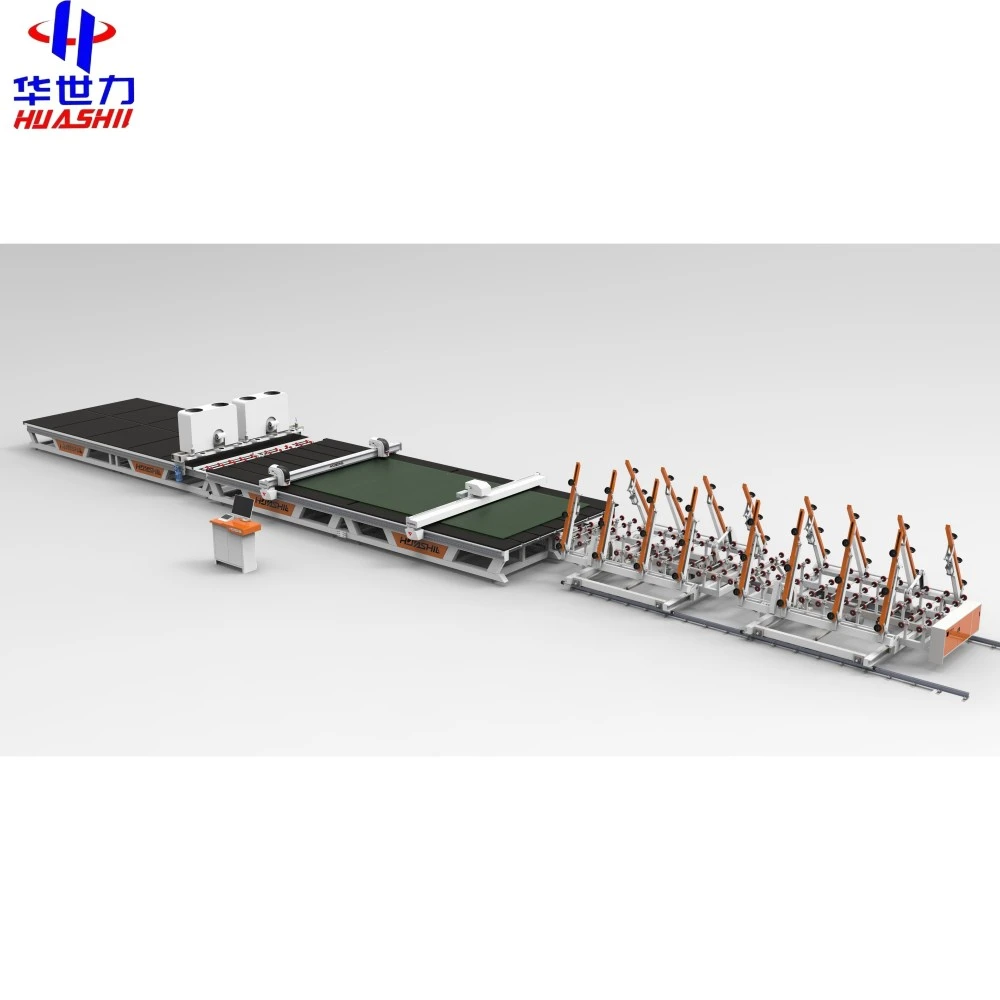
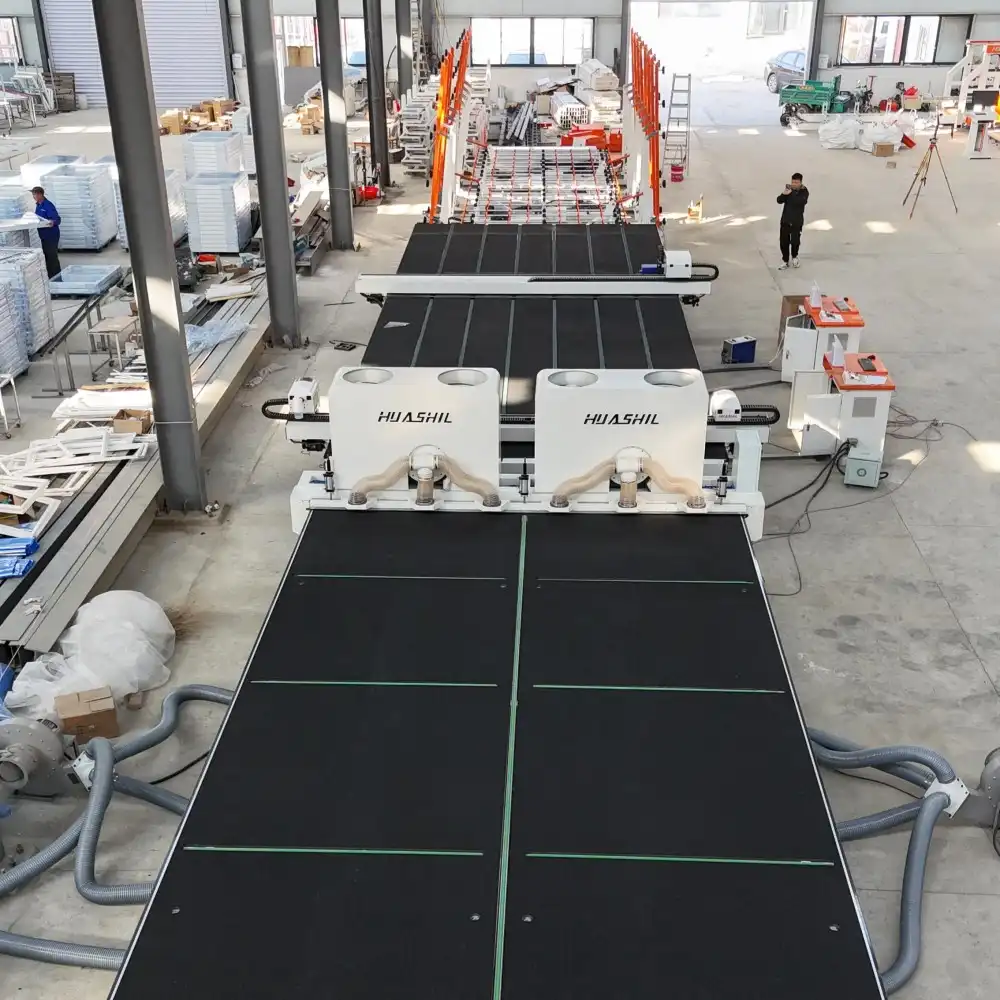
Modern CNC glass tools, like the HSL-CNC3829 type, and furniture glass machines have complex control systems that need to be checked on a regular basis. Firmware changes from the maker fix bugs in the software and make it easier to use. Sensor tests find proximity switches or encoders that aren't working right before they cause location mistakes. When electrical connections are inspected, loose contacts that could cause signal loss or power outages are found. These safety steps make sure that the cutting patterns saved in optimisation software like Optima are always carried out by the computer system.
Maintenance by Furniture, Glass and Machine Type
Different types of machines and levels of technology need different ways to be maintained. Knowing about these differences helps buying teams choose tools that work with the services their building offers.
Manual Versus Automatic Glass Machine Maintenance
Maintaining a manual cutting table is easier, but it depends a lot on how skilled the person using it is to keep things consistent. There are fewer places to grease, and it's easy to make mechanical changes. There are more sensors and gas parts in automatic systems that need special care, like those with air-floating systems and automatic edge finding. The HSL-CNC3829's automatic pressure control system changes the cutting force based on the thickness of the glass from 2 mm to 19 mm. To keep working at its best across the whole thickness range, the pressure needs to be calibrated on a regular basis. The 360-degree walking function on the remote control depends on wireless transmission units that work better when the signal strength is checked often.
Specialised Tips for Cutting, Polishing, and Drilling Machines
Cutting tools put a lot of importance on having sharp blades and accurate placement. Downstream quality problems can be avoided by inspecting the blade once a week and replacing it when the edge quality gets worse. Abrasive slurry can get into the polishing equipment. To keep the quality of the surface finish, polishing compound lines need to be flushed every day, and old polishing pads need to be replaced. Spindle concentricity and cooling system flow rates need to be checked on drilling tools on a frequent basis. Different types of machines need different kinds of care based on how they are used and how stressful they are.
Real-World Case Examples
A medium-sized furniture glass company in Wisconsin set up an organised maintenance programme for their CNC cutting line. The programme includes daily cleaning instructions and monthly checks to make sure the machine is calibrated. They reported a 35% drop in unexpected downtime and a 20% rise in first-pass yield within six months. Another architectural glass maker in Texas worked with their equipment source to set up predictive maintenance on important motors by putting sound sensors on them. This method found early signs of bearing wear, which kept their production line from stopping for two weeks because of a major spindle failure. These cases show how regular repair practices have a direct effect on how well operations run and how much money they make.
Common Maintenance Challenges and How to Overcome Them?
Early Detection Through Diagnostic Techniques
By keeping an eye on speed measures, you can spot new problems before they become major ones. Keeping track of cycle times helps find slowdowns that happen over time and could be signs of mechanical wear or problems with the control system. Motors and bearings' temperatures can show when heat is being produced in a way that isn't normal. Using mobile devices for acoustic analysis, it is possible to find problems with bearings weeks before they become noticeable during regular operation. Using these monitoring methods changes upkeep from being reactive to being predictive, which lowers the number of times that emergency repairs need to be made.
Scheduling to Minimise Production Downtime
Planning repairs for planned breaks in production saves time that could be used to make money. A lot of places plan big maintenance jobs for the weekends or during shift changes. By spreading out repairs across several machines, some output capacity is always available. It is very important to plan repair windows that allow for recalibration of large-format pointing systems when using machines like the HSL-CNC3829 furniture glass machine, which can work with glass sizes up to 3600mm by 2800mm. When the production schedule team and the repair team talk to each other clearly, disagreements don't happen, and service can happen without affecting customers' plans.
Safety Recommendations and Compliance
When you do maintenance, you bring risks that need to be carefully managed. Lockout/tagout measures keep machines from starting up by chance while they are being serviced. Personal protective equipment, like safety glasses, cut-resistant gloves, and shoes with steel toes, keeps workers safe from mechanical and glass pieces. In the United States, following OSHA rules means writing down safety methods and making sure that repair staff get regular training. These actions keep workers safe and show officials and insurance companies that you are doing your job.
Leveraging Technology and Supplier Support for Maintenance
Smart Technologies for Predictive Maintenance
IoT-enabled sensors installed on critical machine components transmit real-time performance data to centralised monitoring systems. Machine learning algorithms analyse this data to predict component failures before they occur, enabling just-in-time parts replacement. Remote monitoring capabilities allow equipment manufacturers to provide diagnostic support without site visits, reducing response times. These technologies complement traditional scheduled maintenance, creating a hybrid approach that balances routine care with data-driven interventions.
Collaboration with Trusted Suppliers
Establishing relationships with reputable suppliers who provide comprehensive after-sales support proves invaluable. Manufacturers like HUASHIL, holding CE and ISO9001 certifications, offer technical training that empowers maintenance teams to service equipment confidently. Access to genuine OEM parts ensures compatibility and reliability—aftermarket components may appear cost-effective initially, but often lack the precision and durability of original parts. Warranty assurances provide financial protection against premature component failures, reducing risk in capital equipment investments.
The availability of optimisation software like Optima, which integrates with the HSL-CNC3829 model, streamlines production planning while providing diagnostic feedback about machine performance. Technical support channels that offer multilingual assistance and rapid response times prove particularly valuable when troubleshooting complex issues.
Financing Solutions and Bulk Purchasing
Negotiating maintenance service contracts or bulk purchasing agreements for consumable parts, such as those for furniture glass machines, improves cash flow management and reduces per-unit costs. Some suppliers offer performance-based warranties that extend coverage when customers adhere to recommended maintenance schedules. These arrangements align supplier interests with customer operational goals, creating partnerships that benefit both parties.
Conclusion
Implementing systematic maintenance practices for glass processing equipment delivers measurable benefits across production efficiency, equipment longevity, and total cost of ownership. Cleaning, lubrication, calibration, and timely parts replacement form the foundation of effective maintenance programmes. Adapting these practices to specific machine types—whether manual cutting tables or sophisticated CNC systems with automatic edge finding and air flotation—ensures maintenance efforts address the most critical failure points. Overcoming common challenges through predictive diagnostics, strategic scheduling, and rigorous safety protocols protects both equipment investments and workforce safety. Leveraging modern technologies and cultivating strong supplier relationships extends these benefits, creating a comprehensive approach that supports long-term operational success in furniture glass manufacturing, architectural glass fabrication, and related industries.
FAQ
1. How often should routine maintenance be performed?
Daily cleaning and visual inspections form the baseline maintenance schedule. Weekly lubrication of mechanical components and monthly calibration checks maintain performance within specifications. Annual comprehensive servicing by qualified technicians addresses deeper maintenance needs, including electrical system testing and replacement of components approaching end-of-life. Machines operating in high-volume production environments may require more frequent attention.
2. When should professional servicing be sought?
Indicators include unusual noises, vibrations, inconsistent cutting quality, or error messages from the control system. Any electrical burning smell or visible component damage warrants immediate professional assessment. Regular performance metrics help identify gradual degradation that may not be immediately obvious but indicates emerging problems requiring expert intervention.
3. How does maintenance affect warranty conditions?
Most equipment warranties require adherence to manufacturer-specified maintenance schedules. Documented maintenance records prove compliance and support warranty claims. Conversely, neglecting recommended maintenance may void warranty coverage, leaving operators financially responsible for repairs. Maintaining proper records protects this valuable asset.
Partner with HUASHIL for Reliable Glass Processing Solutions
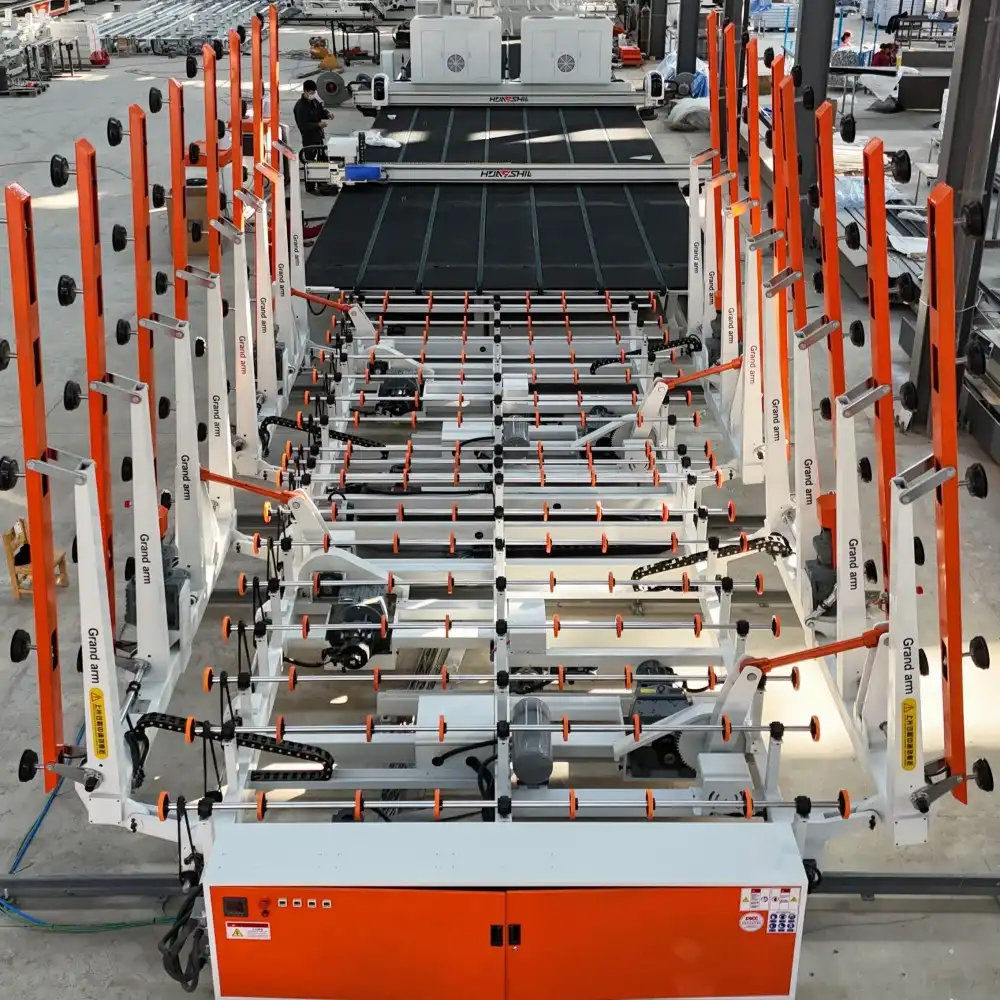
HUASHIL combines extensive manufacturing experience with advanced automation technology to deliver furniture glass machine and glass processing equipment that meet rigorous production demands. Our HSL-CNC3829 model processes glass up to 3600mm by 2800mm, handling thickness from 2mm to 19mm with precision enabled by Optima optimisation software. Features including automatic pressure control, automatic edge finding, and air flotation systems enhance productivity, while the 360-degree remote control walking function improves operator convenience. CE and ISO9001 certifications validate our commitment to quality and safety standards. As a furniture glass machine manufacturer focused on long-term customer success, we provide comprehensive technical support, genuine replacement parts, and training resources that empower your maintenance teams. Contact our team at salescathy@sdhuashil.com to discuss how our equipment and support services can enhance your production capabilities while minimising operational costs through reduced downtime and extended equipment life.
References
1. Manufacturing Technology Association. "Predictive Maintenance Strategies for Industrial Equipment." Industrial Maintenance Journal, 2022.
2. Glass Manufacturing Industry Council. "Best Practices for CNC Glass Cutting Equipment Maintenance." Technical Standards Publication, 2021.
3. American Society of Mechanical Engineers. "Lubrication Guidelines for Precision Machinery." ASME Maintenance Standards, 2020.
4. National Institute of Standards and Technology. "Calibration Procedures for Automated Manufacturing Systems." NIST Special Publication, 2021.
5. Occupational Safety and Health Administration. "Lockout/Tagout Compliance Guidelines for Manufacturing Equipment." OSHA Technical Manual, 2023.
6. International Organization for Standardization. "Quality Management Systems for Manufacturing Operations." ISO 9001 Implementation Guide, 2022.
