




Furniture glass tools and furniture glass machines have changed how makers do special work and are now an important part of modern glass manufacturing businesses. When it comes to exact cutting, shape, edging, and finishing, these specialised tools and machines are the only way to go. When it comes to making unique furniture, like beautiful glass tabletops, cabinet doors, or shower walls with lots of different parts, your competitive edge depends on how well and how often you maintain your glass processing equipment. Advanced technology in glass cutting and polishing makes it possible for makers to achieve repeated accuracy while cutting down on labour costs and material waste. This means that they can meet clients' ever-more-complex needs without sacrificing delivery times or profit margins.
Understanding Furniture Glass Machines and Their Role in Custom Production
As technology for handling glass has improved, it has changed what can be done when making unique furniture. Computer numerical control systems and advanced material handling features are built into modern glass cutting and shaping tools. This lets production teams turn raw glass sheets into finished parts very quickly and accurately.
Core Operating Principles of Glass Processing Equipment
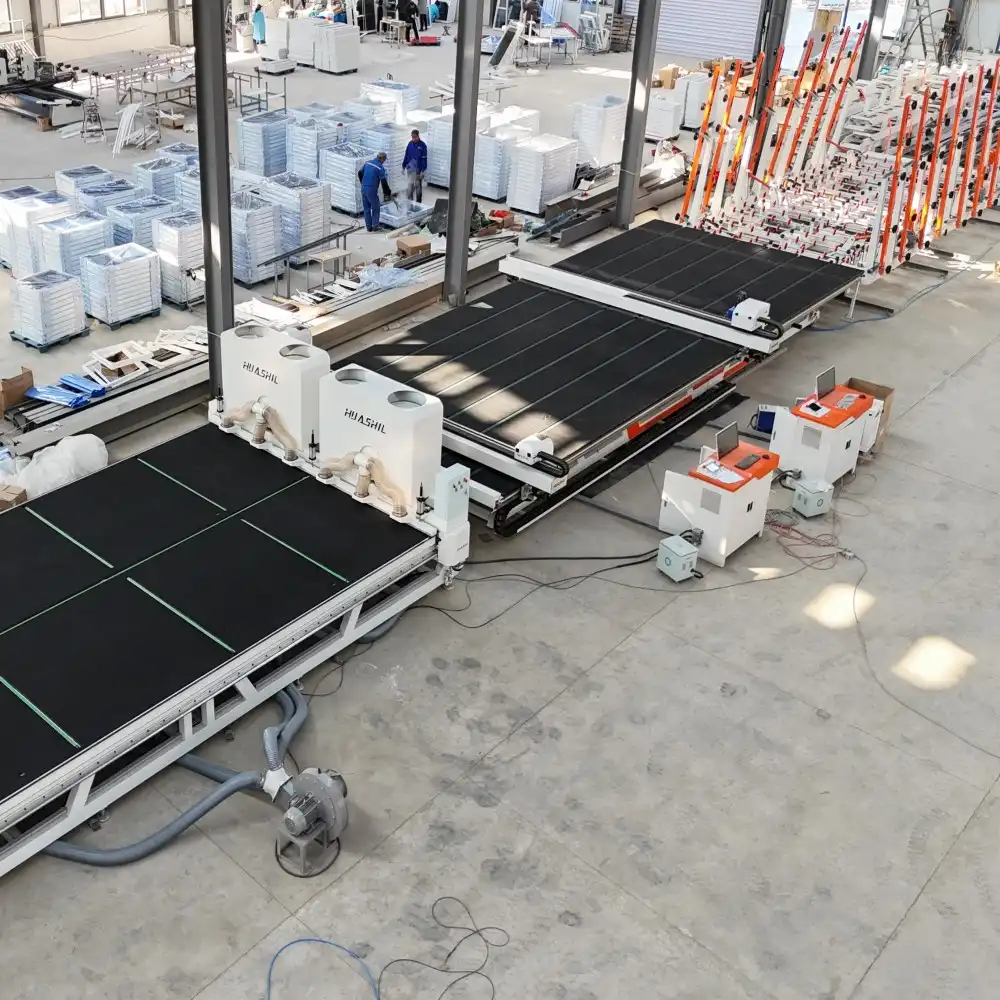
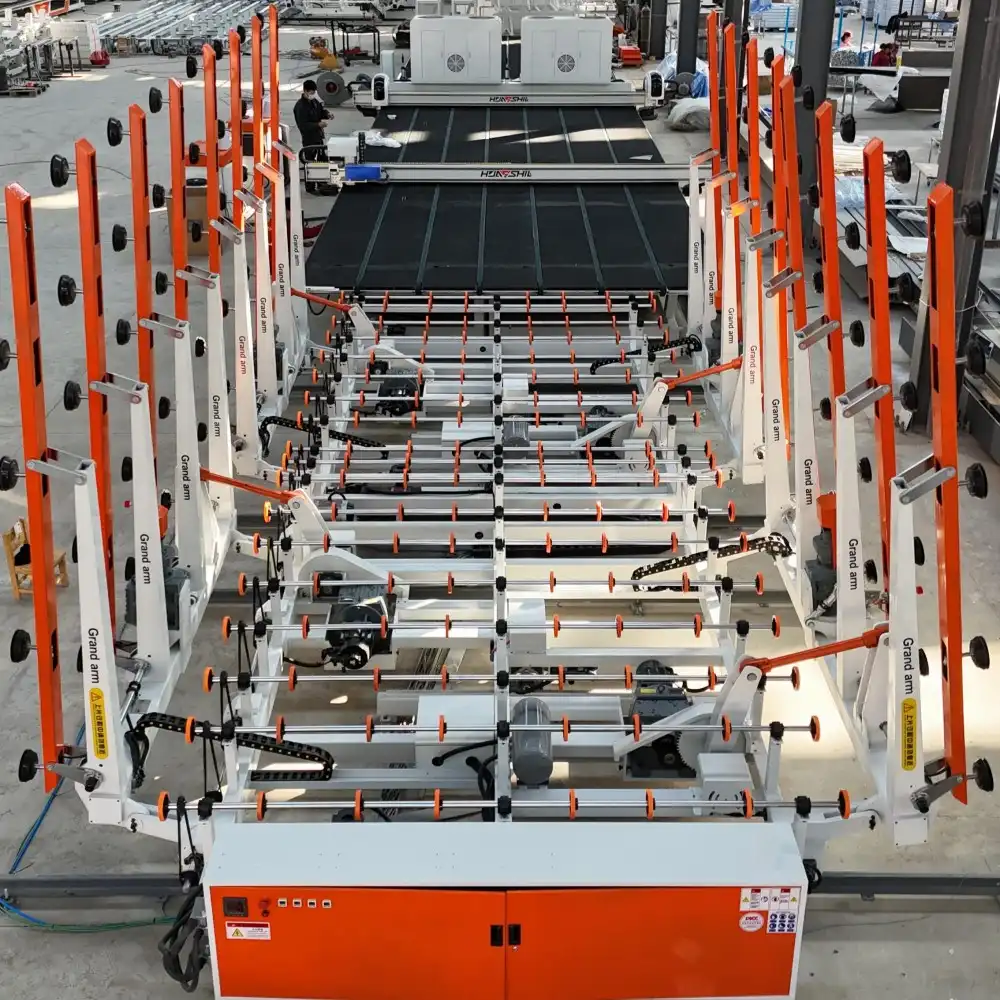
There is a mix of mechanical accuracy and smart technology at the heart of these systems. Automated glass cutting machines use diamond-coated or high-speed cutting wheels that follow pre-programmed paths to make clean separation lines on glass surfaces from 2 mm to 19 mm thick. The first step is an air float system that gently lifts and holds large sheets of glass—some models can handle sizes up to 3600x2800mm—while reducing friction during placement and the chance of scratching the surface. Automatic pressure control changes the cutting force based on the width and make-up of the glass. This keeps the quality the same for all materials. Modern systems also have automatic edge-finding technology that reads and maps the exact position of each sheet of glass. This makes up for any small differences in placement and makes sure that the cutting tracks are perfectly lined up with the material.
How Does Automation Enhance Customisation Capabilities?
Computer-controlled systems are great because they are flexible, which is what customisation needs. Manufacturers can easily stack multiple different shapes within a single glass sheet by matching cutting tools with optimisation software like Optima. This makes the best use of material while reducing waste. With this digital process, switching between product designs only takes a few clicks instead of retooling by hand, which takes a lot of time. Advanced models have a 360-degree remote control walking feature that lets workers move the cutting bridge without having to physically get to the machine. This makes work easier and safer. All of these automated features cut down on setup time, speed up flow, and make it possible to make small batch orders cheaply, which is very important when working with customers who want custom furniture with specific needs.
Integration with Modern Manufacturing Workflows
The tools used to make glass today don't work alone. Cutting and edging systems that work well for makers are part of larger production environments that include quality control checkpoints, inventory management systems, and just-in-time delivery plans. Digital optimisation software makes cutting plans that production teams can look over and change before committing materials. This cuts down on mistakes and lets them plan ahead. When machines regularly make parts that are the right size, assembly processes further down the value chain run more smoothly, and everything is more reliable. When you think about integration, handling glass goes from being a separate job to a strategic tool that helps you respond quickly to changing customer and market needs.
Types of Furniture Glass Machines and Their Suitability for Different Production Needs
Manual and Semi-Automatic Solutions
A lot of small shops and new companies start out with cheap, simple, and easy-to-use hand or semi-automatic tools, including furniture glass machines. Hand-cut glass cuts need trained workers who know how to score and break glass with their hands. This method takes a lot of work, but it works well for small-scale speciality work. Cutting heads that are driven and simple measurement systems are part of semi-automatic machines, but they still need to be loaded and set up by hand. These basic options can be used by businesses that don't have a lot of money to invest and don't make a lot of things. They're not as good for businesses that want to grow, though, because they aren't as open or reliable as fully automatic choices.
Fully Automatic CNC Glass Cutting Systems
Fully automatic CNC systems are very helpful for factories that make medium to large amounts of goods. These tools have cutting tracks that are controlled by a computer and can automatically load, place, and remove. The HSL-CNC3829 model is a good example of this type. It has CE and ISO9001 licences, which show that it meets international standards for safety and quality. These systems get rid of a lot of the work that needs to be done by hand, which slows down production and causes errors. Cutting patterns are set by operators using easy-to-use tools, and the machine makes complex series of cuts with little help from the operators. This technology cuts down on the need for highly skilled workers while also making the output more consistent, which is very important when meeting contracts with tight limits.
Specialised Edging and Polishing Equipment
Cutting is only one step in the process of making glass. Edges need to be ground, bevelled, or polished to make them safe to handle and to get the look you want. Dedicated tools for shaping use grinding wheels with increasingly finer abrasives to turn rough, sharp edges into smooth, finished surfaces. Some combined production lines cut and edge at the same time, while other places use separate edging systems that work with pieces that have already been cut. Which one to use relies on how much you need to make, how much room you have, and whether your customers value speed or the best finish quality.
Space-Efficient Compact Models
The cost of real estate and the layout of a facility can affect the choice of tools, especially for makers who work in cities or have facilities that make more than one product. OEMs and component providers who need to divide up floor space for different production tasks like compact glass processing machines because they offer good precision and capacity in smaller packages. These simplified designs often have vertical storage systems for materials and optimised cutting bridge setups that keep functionality while cutting down on overall size.
How to Choose the Right Furniture Glass Machine: A B2B Procurement Guide?
Evaluating Production Capacity Requirements
Start by figuring out how much you're currently producing and how much you think it will grow over the equipment's projected service life, which is usually ten years or more for good machinery. Find out how many glass sheets you process each day, how many components are on average each sheet, and what range of thicknesses and sizes you handle. When machines are rated for bigger maximum glass dimensions, they can handle orders that are too big sometimes, even if most of the work is with smaller pieces. When looking at a model like the HSL-CNC3829, which can handle 3600x2800 mm, you should see if this size range covers your 95th percentile order size so that only the most unusual jobs need to be outsourced.
Precision and Quality Consistency Standards
For different uses, different amounts of accuracy are needed. Tolerances for architectural glass used in curtain walls are usually within ±0.5mm, but for artistic furniture parts, they may be a little less strict. When compared to traditional methods, CNC systems are more repeatable because they keep the specs the same over thousands of cuts without any difference caused by the operator. Automatic edge finding and pressure control technologies help keep things consistent by making up for differences in the material and the surroundings. Instead of depending only on maker specs, look at examples of the work that potential machines have produced and ask for information on their real measured limits.
Total Cost of Ownership Analysis
The price of buying something is only one part of how much it will cost in the long run. Figure out how much energy is being used by using the rated power draw and the local utility rates. Servo motors that use less power and sleep modes that use less power will save you money over thousands of work hours. Different designs have very different maintenance needs. Machines with wear parts that are easy to get to and standard parts make service faster and cheaper. Downtime risk is directly affected by warranty coverage and the availability of after-sales help. This is especially important for facilities that run tight production plans without backup capacity. For furniture glass machines, China-based makers often offer reasonable prices without losing build quality. However, buyers should check the reputation of the seller, make sure that the product meets all approval requirements, and see how easy it is to get extra parts before making a decision.
Supplier Reputation and Service Infrastructure
It doesn't matter how reliable the equipment is if you can't get expert help when problems happen. Check out potential providers by looking at how well they've worked with similar customers in the past, how quickly they respond to technical questions, and how spread out their service staff is geographically. Manufacturers that have a strong foreign footprint usually keep parts and trained techs in big markets, which keeps service times to a minimum. Look for providers that offer full training programmes that help operators get better faster and lower the amount of trouble they face at the start-up stage. A seller who is ready to give building tours, customer contacts, and clear paperwork shows that they believe in their goods and want to work with you for a long time.
Ensuring Efficient and Safe Operation of Furniture Glass Machines
Preventive Maintenance Protocols
Establish scheduled maintenance routines covering daily, weekly, and monthly tasks. Daily activities include cleaning glass dust and debris from cutting tables, checking lubrication levels in moving components, and inspecting cutting wheels for wear. Weekly maintenance extends to air filter changes, belt tension verification, and calibration checks on positioning systems. Monthly deep maintenance involves bearing lubrication, electrical connection inspections, and software backup procedures. Documenting maintenance activities creates accountability and provides early warning signals when consumption rates for wear items change unexpectedly. Proactive replacement of cutting wheels, seals, and belts costs far less than emergency repairs following unexpected failures that halt production.
Operator Training and Skill Development
Even highly automated equipment benefits from knowledgeable operators who understand underlying principles. Comprehensive training programmes should cover machine setup, material loading procedures, software operation, quality verification methods, and troubleshooting techniques. Operators who grasp how automatic pressure control responds to different glass types can adjust parameters to optimise results rather than simply running default settings. Cross-training multiple team members ensures production continuity during absences and fosters knowledge sharing that improves overall facility competency. Ongoing skill development keeps pace with software updates and evolving best practices, maintaining a competitive advantage.
Safety Compliance and Risk Mitigation
Glass processing involves inherent hazards, including sharp edges, heavy materials, and pinch points in automated handling systems. Implement comprehensive safety protocols covering personal protective equipment requirements, machine guarding standards, and emergency stop procedures. Modern equipment meeting CE certification standards incorporates safety interlocks that prevent operation when guards are open or unsafe conditions exist. Beyond regulatory compliance, safety culture impacts productivity—workers confident in their protection maintain focus and make better decisions. Regular safety audits identify emerging risks before incidents occur, and transparent incident reporting enables continuous improvement.
Future Trends and Innovations in Furniture Glass Machines for Custom Production
The glass fabrication industry continues evolving, driven by technological advances, environmental pressures, and changing customer expectations. Staying informed about emerging trends helps manufacturers make strategic investments that remain relevant as markets shift.
Smart Manufacturing and Connectivity
Industry 4.0 principles are transforming glass processing through IoT sensors, cloud connectivity, and data analytics. Modern machines, including furniture glass machines, collect operational data, including cycle times, cutting tool condition, energy consumption patterns, and quality metrics. This information feeds predictive maintenance algorithms that forecast component failures before breakdowns occur, enabling scheduled replacements during planned downtime rather than emergency interruptions. Production managers access real-time performance dashboards that reveal bottlenecks, optimise scheduling, and track key performance indicators across multiple machines. Remote diagnostics allow technical support teams to troubleshoot issues without site visits, reducing resolution times and travel costs.
Sustainability and Energy Efficiency
Environmental regulations and corporate sustainability commitments drive demand for greener manufacturing processes. Next-generation glass-cutting systems incorporate energy-recovery systems, variable-speed drives that match power consumption to workload, and optimised motion profiles that reduce unnecessary acceleration cycles. Water recycling systems in edging operations minimise consumption and wastewater discharge. Material optimisation software reduces glass waste through smarter nesting algorithms, directly cutting raw material costs while supporting circular economy principles. Manufacturers demonstrating measurable environmental improvements gain advantages in procurement processes where sustainability criteria influence supplier selection.
Artificial Intelligence and Autonomous Operation
Artificial intelligence applications in glass fabrication remain emerging but show significant promise. Machine learning algorithms analyse historical cutting data to identify patterns that predict optimal parameters for unfamiliar glass compositions. Computer vision systems inspect finished edges, automatically detecting defects that human inspectors might miss during high-volume production. Autonomous material handling systems coordinate multiple machines, moving work-in-progress between cutting, edging, and packaging stations without manual intervention. While full lights-out manufacturing remains aspirational for most facilities, incremental automation advances steadily reduce labour requirements and improve consistency.
Conclusion
The strategic importance of furniture glass machines in custom production extends far beyond simple material processing. These systems determine production capacity, quality consistency, operational flexibility, and ultimately competitive positioning within increasingly demanding markets. Manufacturers who invest thoughtfully in appropriate equipment—balancing automation capabilities, precision requirements, and total ownership costs—position themselves to capture market opportunities while maintaining operational excellence. As technology continues advancing towards smarter, more sustainable, and more autonomous systems, staying informed and adaptable separates industry leaders from those struggling to keep pace. The right glass-processing equipment, properly maintained and skilfully operated, transforms from a capital expense into a strategic asset that drives business growth and customer satisfaction across years of reliable service.
FAQ
1. What is the typical lifespan of furniture glass machines under heavy use?
Quality CNC glass cutting and edging equipment typically delivers 10-15 years of productive service when properly maintained, though actual longevity varies based on operating intensity, maintenance rigour, and environmental conditions. Facilities running multi-shift operations accelerate wear on moving components, potentially shortening lifespan to 8-10 years without aggressive preventive maintenance. Critical factors include regular lubrication, timely replacement of cutting wheels and belts, and protection from glass dust accumulation that damages bearings and slides.
2. How do maintenance requirements differ between CNC and manual machines?
CNC systems require more sophisticated maintenance due to their electronic controls, servo motors, and automated subsystems. Maintenance teams need calibration tools and software diagnostic capabilities beyond basic mechanical skills. Manual machines involve simpler maintenance focused on cutting tool replacement and basic lubrication, though they demand more operator skill for consistent results. The trade-off favours CNC automation when production volumes justify the higher complexity and maintenance investment.
3. When should manufacturers consider upgrading their glass processing equipment?
Key indicators include consistently failing to meet delivery schedules despite full capacity utilisation, quality defect rates exceeding acceptable thresholds, rising maintenance costs approaching annual equipment depreciation, or losing competitive bids due to capability limitations. Technological obsolescence matters too—machines lacking integration capabilities may become bottlenecks as facilities modernise surrounding processes.
Partner with HUASHIL for Your Glass Processing Solutions
Manufacturing excellence demands reliable equipment backed by experienced partners. HUASHIL brings decades of specialized expertise in automated glass processing machinery, combining proven engineering with responsive customer support. Our HSL-CNC3829 CNC glass cutting machine exemplifies our commitment to delivering production-grade solutions featuring automatic pressure control, advanced edge-finding technology, and air flotation systems that protect your valuable materials throughout processing. Certified to CE and ISO9001 standards, our equipment meets international quality benchmarks while maintaining competitive pricing that respects your capital budget constraints. Whether you're a furniture manufacturer seeking your initial automation investment or a production director planning facility expansion, we provide tailored consultations addressing your specific requirements. Connect with our technical team at salescathy@sdhuashil.com to discuss how our furniture glass machine supplier expertise can elevate your custom production capabilities.
References
1. Smith, J. and Williams, R. (2021). Advanced Glass Processing Technologies for Modern Manufacturing. Industrial Press Publications.
2. Chen, L. (2022). "Automation Integration in Furniture Glass Production: A Comparative Study." Journal of Manufacturing Systems, 58(3), 412-428.
3. Thompson, M. (2020). CNC Machining Systems: Principles and Applications in Glass Fabrication. Technical Engineering Press.
4. European Committee for Standardization (2023). Safety Requirements for Glass Processing Machinery: EN 12543 Standards. CEN Publications.
5. Rodriguez, A. and Kumar, P. (2022). "Total Cost of Ownership Analysis for Industrial Glass Cutting Equipment." Production Economics Quarterly, 45(2), 89-107.
6. International Glass Manufacturing Association (2023). Industry Trends Report: Digital Transformation in Glass Processing. IGMA Research Division.
