




Glass loading tools have changed the way industrial glass is processed by automating one of the most dangerous and time-consuming glass loading steps in the process. A glass loader is the first and most important part of an automated cutting and processing line. It moves big sheets safely from storage racks to cutting tables or processing stations. Even though these machines are very well engineered, they can have problems that stop them from working as planned and put workers' safety at risk. If you know about these problems and use good troubleshooting methods, you can avoid costly production stops and keep your business running smoothly. This guide offers useful solutions based on real-life industrial experiences to help procurement managers, plant engineers, and technical leaders deal with the most common problems that come up with automated glass loading equipment.
Understanding Common Issues with Glass Loading Machines
Automated loading equipment encounters several recurring problems that impact productivity across architectural glass plants, curtain wall fabricators, and furniture manufacturing facilities. Recognizing these issues early allows maintenance teams to respond promptly and prevents minor malfunctions from escalating into major breakdowns.
Mechanical Failures and Component Wear
Most of the time, mechanical problems are what go wrong with glass loading tools. When these problems happen over and over, they usually show up as bearing seizures, chain drive misalignment, roller surface wear, and structural frame deformation. Heavy glass sheets moving all the time wear down touch surfaces over time, especially suction cups, hoover pads, and friction rollers. Mechanical parts are put under a lot of stress in plants that make large architectural glass panels that are bigger than 3660mm by 2440mm. When you check your machine often, you can find early warning signs like strange vibration patterns, strange noises when it's working, and obvious surface scoring on the rollers. When moving parts lose their original standards, positioning accuracy goes down. This can cause sheets to be put on cutting tables in the wrong place, the glass loader and glass to break during transfer.
Pneumatic and Vacuum System Malfunctions
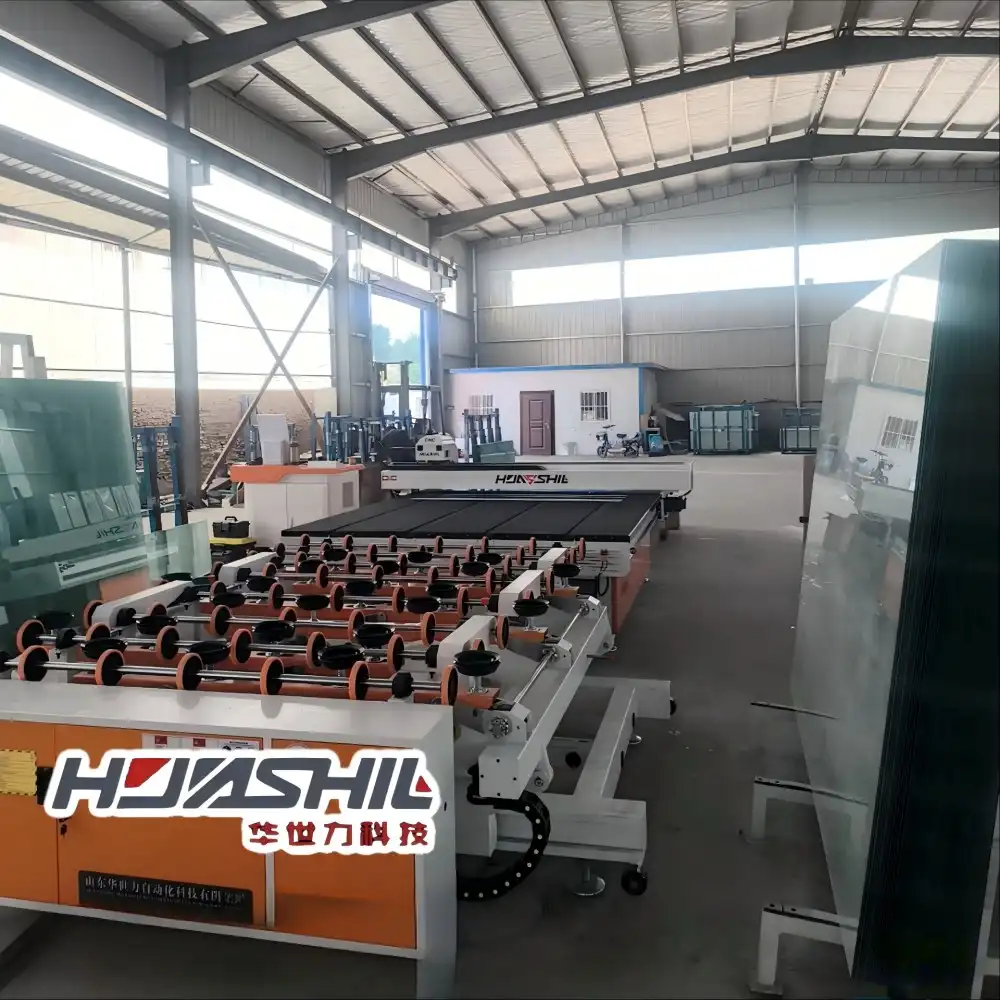
The pneumatic system powers important parts like the safety locks, lifting devices, and the suction cup. The main problem is hoover leaks, which usually happen at connection places, in old tubing, or where seals around suction pads are damaged. Air flotation devices need stable pressure levels to work properly because they support thin glass sheets while they move horizontally. When the pressure goes below what it needs to be, the system can't make enough lifting force, which makes sheets drag across surfaces or not release properly after being placed. Problems with the pressure control, the compressor, and the air filters all make the system less effective. Plants that work in dusty or high-humidity areas have faster seal degradation and filter contamination, which means that parts need to be replaced more often than recommended by standard maintenance plans.
Systematic Troubleshooting Approach for Glass Loaders
Resolving equipment malfunctions efficiently requires methodical problem-solving techniques that minimize diagnostic time while protecting expensive machinery from further damage. Plant engineers and maintenance technicians achieve the best results by following structured procedures adapted to their specific equipment configurations.
Problem Identification and Data Collection
Accurately writing down symptoms is the first step to effective analysis. Operators should write down when problems happen during production cycles, whether they happen all the time or sometimes, and any strange sounds, noises, or error codes that are shown. Looking at machine operation logs and production data can help you find trends that link problems to certain shifts, types of products, or environmental conditions. Visual checks done on machinery that is under load often show mechanical problems that can't be seen when the machinery is in a still state. Thermal image cameras can find motors, bearings, and electrical parts that are getting too hot before they break down completely. This organised collection of data keeps people from wasting time on wrong diagnoses and creates a database that can be used to predict what maintenance will be needed in the future.
Diagnostic Tools and Testing Methods
Diagnostic tools give objective measures instead of subjective opinions during modern troubleshooting. Pressure gauges compare the performance of a pneumatic system to the manufacturer's specs. This lets you know right away if the Hoover generation meets the standards. Multimeters and circuit testers check that control systems have good ground connections, the right voltage levels, and electrical continuity. Laser alignment tools make sure that mechanical parts stay in the geometric relationships that are written down in technical documents. When technicians are fixing sensor problems, they should check the voltage of the power source, use oscilloscopes or logic analysers to look at the signal output, and make sure that the mounting positions haven't changed from what was calibrated. Sequential component testing is helpful for breaking tables with automated loading systems because it separates sections to find out if the problems are in the loading mechanisms, the table positioning systems, or the control interfaces.
Best Practices for Maintaining Glass Loading Machines
Preventive maintenance programs deliver substantial returns by extending equipment lifespan, reducing emergency repair costs, and maintaining consistent production output. Well-designed maintenance protocols address both routine service tasks and comprehensive system evaluations.
Routine Inspection Schedules
Maintenance programs should establish clear task frequencies aligned with equipment usage intensity and environmental conditions. Daily checks performed by operators include visual examination of vacuum pads for damage, verification of proper suction cup seating, confirmation that safety barriers function correctly, the glass loader, and listening for abnormal operational sounds. Weekly inspections conducted by maintenance technicians focus on lubrication point assessment, air filter condition, hydraulic fluid levels, and electrical connection tightness. Monthly comprehensive reviews examine bearing condition through vibration analysis, measure drive chain tension and alignment, test emergency stop functionality, and verify sensor calibration accuracy. Plants operating continuous production shifts or processing particularly large glass dimensions may need accelerated maintenance intervals to compensate for increased component stress.
Lubrication and Fluid Management
Proper lubrication practices prevent premature wear and maintain smooth mechanical operation throughout equipment service life. Technicians must use lubricants specified in manufacturer documentation, as incorrect viscosity grades or chemical formulations can damage seals and accelerate corrosion. Automated lubrication systems provide consistent bearing protection but require periodic inspection to ensure delivery lines haven't become clogged or disconnected. Hydraulic systems maintaining precise fluid cleanliness through filtration prevent valve contamination and cylinder scoring that compromise positioning accuracy. Oil analysis programs identify contamination or degradation trends before they cause operational problems, allowing proactive fluid changes rather than reactive repairs.
Comparison: Glass Loading Machines vs Traditional Manual Methods
Procurement decisions evaluating automated glass loading equipment against conventional manual handling should consider multiple performance dimensions extending beyond initial capital costs. Automated solutions deliver measurable advantages across productivity, safety, quality consistency, and total cost of ownership that accumulate substantial value throughout the equipment lifecycle.
Manual loading operations inherently limit production throughput due to physical constraints on worker handling speed and sheet size capacity. Even experienced teams struggle to safely manipulate large architectural glass panels, creating bottlenecks in processing lines capable of much higher cutting and edging speeds. Automated loaders like the HSL-SPT3624 model with air flotation systems and remote control capabilities maintain consistent cycle times regardless of panel dimensions up to maximum capacity specifications. This throughput advantage proves particularly valuable for curtain wall fabricators working under tight project delivery schedules, allowing single-shift operations to achieve output previously requiring multiple crews.
Workplace safety improvements represent another compelling automation benefit. Manual glass handling generates significant injury risks, including lacerations, back strain, and crushing hazards when heavy sheets slip from grips. Industry safety statistics document lower incident rates in facilities utilizing mechanical loading systems that eliminate direct worker contact with sharp glass edges during material transfer. Breaking tables integrated with automated loaders further enhance safety by providing controlled environments for sheet separation and handling.
Quality consistency receives measurable improvement through automation, eliminating human variability in sheet positioning accuracy. Manual placement introduces minor position and angular errors that compound in downstream processing, potentially causing dimension discrepancies in finished products. Automated systems maintain positioning repeatability within tight tolerances, ensuring cutting tools encounter glass at precisely programmed coordinates. This accuracy reduces material waste from miscuts and rework, generating ongoing cost savings that offset equipment investment.
How to Choose the Right Glass Loading Machine for Your Business
Selecting appropriate automated loading equipment requires careful evaluation of technical specifications, supplier capabilities, financial considerations, and long-term support infrastructure. Procurement managers should approach this decision systematically, engaging stakeholders across engineering, production, and finance departments.
Technical Specification Evaluation
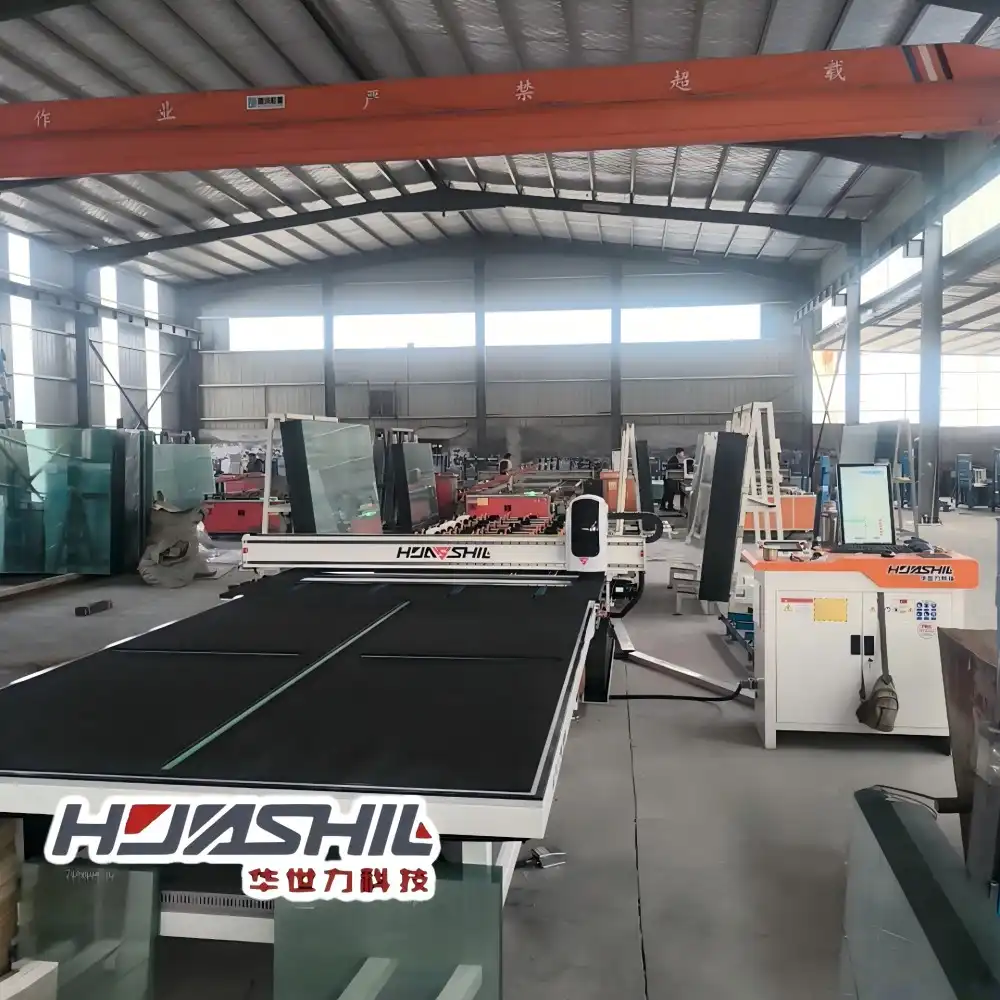
Equipment capacity represents the foundational selection criterion, encompassing maximum glass dimensions, thickness range, and weight limits. Plants processing primarily standard architectural sizes may find mid-range capacity sufficient, while curtain wall system integrators handling oversized specialty panels require maximum capability models. The HSL-SPT3624 configuration accommodating sheets up to 3660mm by 2440mm serves diverse architectural glass applications while maintaining a compact footprint compared to larger custom systems. Integration compatibility with existing cutting tables, edging lines, and material handling systems prevents costly workflow disruptions and minimizes installation complexity. Automation features, including air flotation systems, programmable loading sequences, and remote operation capabilities, should align with production volume requirements, glass loader and operator skill levels available within your facility.
Supplier Reliability Assessment
Equipment supplier selection impacts not just initial purchase satisfaction but ongoing operational success throughout the machine lifecycle. Manufacturers demonstrating established engineering capabilities, quality certifications like CE and ISO 9001, and proven customer installations provide greater confidence than emerging suppliers with limited track records. Spare parts availability and delivery timeframes critically affect downtime duration during component failures, making supplier logistics capabilities an important evaluation factor. Technical support responsiveness, including remote diagnostic assistance, field service availability, and documentation quality, determines how quickly your team can resolve operational challenges. Warranty coverage comprehensiveness and clarity regarding included services versus billable repairs influence total cost projections and budget planning.
Financial and Scalability Considerations
Capital equipment investments require thorough financial analysis extending beyond purchase price to encompass installation costs, operator training expenses, ongoing maintenance budgets, and projected energy consumption. Lease and financing options provided by equipment suppliers or third-party lenders can improve cash flow management for facilities while simultaneously upgrading multiple production line components. Bulk purchase programs and multi-unit discounts benefit organizations operating multiple facilities or planning phased expansion projects. Scalability features allowing incremental capability additions as production demands grow protect initial investments while providing upgrade pathways aligned with business development timelines.HUASHIL's engineering team brings extensive automation expertise to glass processing applications, developing robust loading solutions specifically designed for demanding industrial environments. Our equipment incorporates air flotation technology that gently supports delicate glass surfaces during transfer operations, preventing micro-scratches that compromise surface quality. The 360-degree remote control walking system provides operators with precise positioning control from safe vantage points, enhancing both productivity and workplace safety.\
Conclusion
Automated glass loading equipment delivers transformative productivity and safety improvements for architectural glass fabricators, curtain wall manufacturers, and furniture producers. Understanding common operational challenges, implementing systematic troubleshooting approaches, and maintaining proactive maintenance programs maximizes equipment reliability and return on investment. The comparative advantages over manual methods, combined with careful supplier selection, ensure successful automation projects that enhance competitive positioning. As production demands increase and labor availability constraints intensify, automated loading solutions become not merely advantageous but essential for sustained industrial success.
FAQ
1. What causes vacuum suction failures in automated glass loaders?
Vacuum failures typically result from deteriorated seals around suction cups, air leaks in connecting hoses, or inadequate compressor capacity. Environmental contamination, including dust accumulation on pad surfaces, reduces grip effectiveness. Regular inspection and seal replacement according to manufacturer schedules prevent most vacuum-related problems.
2. How often should glass loading machines receive professional maintenance?
Maintenance frequency depends on usage intensity and operating conditions. Standard recommendations suggest monthly comprehensive inspections for single-shift operations, with weekly detailed checks for continuous production environments. Critical components like bearings and drive systems benefit from quarterly specialist evaluation to detect wear patterns requiring attention.
3. Can production teams perform troubleshooting without specialized training?
Operators can safely address basic issues, including clearing minor obstructions, resetting fault codes, and verifying proper glass positioning. However, pneumatic system repairs, electrical diagnostics, and mechanical adjustments require qualified technicians to prevent equipment damage and maintain safety standards. Comprehensive training programs enable internal teams to handle routine maintenance while recognizing when expert intervention becomes necessary.
Partner with HUASHIL for Reliable Glass Loading Solutions
Shandong HUASHIL Automation Technology Co., Ltd. delivers proven automated glass loading systems trusted by architectural glass plants, curtain wall fabricators, and furniture manufacturers worldwide. Our HSL-SPT3624 glass loader model combines robust construction with intelligent automation features, including air flotation support, integrated breaking tables, and wireless remote control capabilities. As an experienced glass loader manufacturer, we provide comprehensive support from initial technical consultation through installation, commissioning, and ongoing maintenance assistance. Our engineering team collaborates with clients to configure systems matching specific production requirements, ensuring optimal integration with existing processing lines. Contact our technical specialists at salescathy@sdhuashil.com to discuss your automated loading requirements and discover how HUASHIL glass loader equipment can enhance your production efficiency, workplace safety, and product quality consistency.
References
1. Johnson, M. & Williams, R. (2021). Industrial Glass Processing Equipment: Design, Operation, and Maintenance. Manufacturing Technology Press.
2. Chen, L., Thompson, K., & Martinez, D. (2022). Automated Material Handling Systems in Architectural Glass Production. Journal of Industrial Automation, 18(3), 245-267.
3. European Committee for Standardization (2020). Safety Requirements for Glass Processing Machinery - Part 4: Loading and Unloading Equipment. CEN Technical Report TR-1590.
4. Anderson, P. (2023). Preventive Maintenance Strategies for Automated Glass Fabrication Lines. Glass Manufacturing International, 45(2), 112-128.
5. International Glass Review (2022). Comparative Analysis of Manual versus Automated Glass Loading Systems: Productivity and Safety Outcomes. Industry Research Report Series, Volume 7.
6. Zhang, H., Kumar, S., & O'Brien, T. (2023). Troubleshooting Methodologies for Pneumatic Systems in Glass Processing Equipment. Automation Engineering Quarterly, 31(1), 89-104.
