




Modern automated systems are clearly superior to traditional cutting techniques for the majority of industrial applications when compared to CNC glass cutting equipment. Compared to manual cutting methods, CNC glass cutting technology offers greater safety, faster production rates, and improved precision. Automated glass cutting technology is the go-to option for serious manufacturers wishing to expand their operations because it provides quantifiable benefits in terms of efficiency, quality consistency, and long-term cost-effectiveness, even though traditional methods still have a place in some situations.
Understanding the Core Differences Between CNC and Traditional Glass Cutting
Over the past ten years, there has been a notable development in the glass cutting sector. Conventional manual cutting techniques depend on knowledgeable operators who use simple instruments and hand tools. On the other hand, computer-controlled devices that perform cuts with mathematical accuracy are used in precision glass cutting using CNC technology.
These methods are distinguished by three key distinctions:
- Control mechanism: CNC systems use automated glass cutting technology and programmed instructions, whereas traditional methods rely on human talent and experience.
- Level of precision: While glass cutting technology reliably maintains ±0.1mm accuracy, manual cutting often achieves tolerances of ±2-3mm.
- Production capacity: High-speed glass cutting systems can cut 150–200 pieces per hour, compared to 20–30 pieces per hour with traditional cutting methods.
In traditional glass cutting, a cutting wheel is used to score the surface, and then controlled pressure is applied to break the glass along the score line. Depending on operator skill, this procedure yields varying results and necessitates substantial training. Manual techniques struggle with intricate patterns or high volume requirements, but they perform well for small quantities and unique shapes.
Traditional techniques, including fair price glass transport table line methods, might work well in some circumstances, such as when you occasionally need custom cuts or are working with unusual glass kinds that need special care.
Technical Performance Analysis: CNC Glass Cutting Technology Advantages
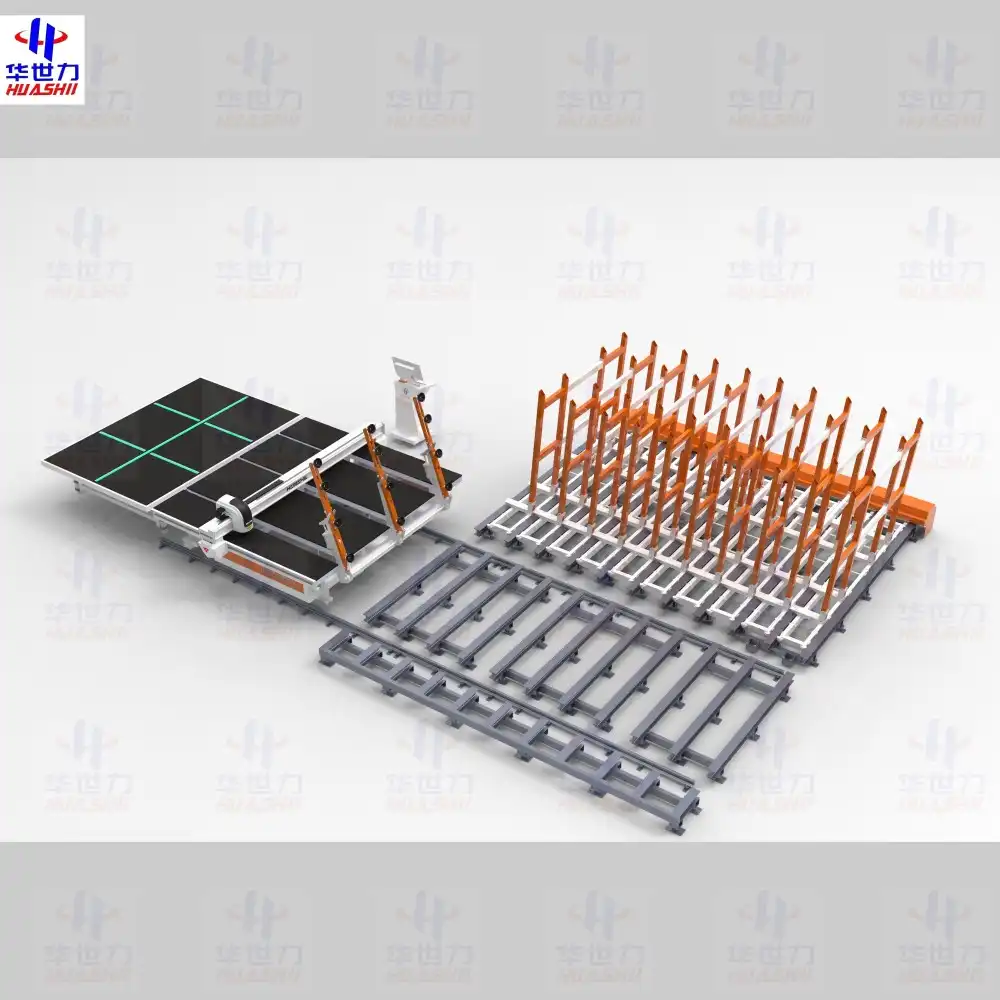
Modern glass cutting CNC router systems deliver measurable performance improvements across multiple metrics. The HSL-YTJ3826 model demonstrates these capabilities with its ability to process glass up to 3660×2440mm in size and handle thicknesses from 2-19mm with consistent quality.
Precision and Accuracy Comparison:
- Traditional cutting: ±2-3mm tolerance, 15% waste rate
- CNC systems: ±0.1mm tolerance, 3-5% waste rate
- Edge quality improvement: 40% smoother edges with CNC technology
Speed and Efficiency Metrics:
Production data shows dramatic differences in output capacity. Traditional cutting methods average 25 pieces per hour for standard architectural glass panels. CNC glass cutting machines achieve 180+ pieces hourly while maintaining superior quality standards. This represents a 620% productivity increase.
Advanced features like automatic pressure control and air flotation systems ensure consistent results regardless of glass type or thickness variations. The digital glass cutting system eliminates human error factors that commonly affect traditional cutting operations.
If you need consistent quality for large production runs or work with tight tolerance requirements, automated solutions provide clear advantages over manual methods.
Cost Analysis: Initial Investment vs Long-term Returns
Understanding the financial implications requires examining both upfront costs and operational expenses over time. Traditional cutting setups cost $15,000-$25,000 initially, while glass cutting machine manufacturer options for CNC systems range from $80,000-$300,000, depending on capabilities and features.
Five-Year Total Cost Comparison (1000 pieces monthly):
| Cost Factor | Traditional Method | CNC System |
|---|---|---|
| Initial Investment | $20,000 | $150,000 |
| Labor Costs | $240,000 | $96,000 |
| Material Waste | $60,000 | $18,000 |
| Maintenance | $15,000 | $25,000 |
| Total 5-Year Cost | $335,000 | $289,000 |
The glass cutting equipment price analysis reveals CNC systems generate 14% lower total costs over five years while delivering significantly higher quality and capacity. Labor cost reduction stems from requiring fewer skilled operators and reduced training requirements.
Additional cost benefits include:
- Reduced insurance premiums due to improved safety
- Lower rejection rates and rework costs
- Energy efficiency improvements of 25-30%
- Predictable maintenance scheduling
If you need to optimize long-term operational costs and improve ROI, CNC glass cutting technology provides compelling financial advantages despite a higher initial investment.
Production Efficiency and Scalability Comparison
Manufacturing scalability represents a critical factor for growing businesses. Traditional cutting methods face inherent limitations in scaling production without proportional increases in skilled labor and floor space. Glass cutting automation enables seamless capacity expansion through software optimization rather than linear resource addition.
Scalability Metrics Analysis:
Production scaling with traditional methods requires:
- Additional skilled operators (6-month training period)
- Proportional workspace expansion
- Linear increase in supervision requirements
- Quality consistency challenges with multiple operators
CNC glass machining center solutions offer superior scaling characteristics:
- Software-based capacity increases
- Consistent quality regardless of production volume
- Minimal additional staffing requirements
- Centralized quality control
Real-world case studies demonstrate these differences. A curtain wall manufacturer increased output 340% using CNC technology while adding only two operators. The same expansion with traditional methods would require 12 additional skilled workers and 60% more floor space.
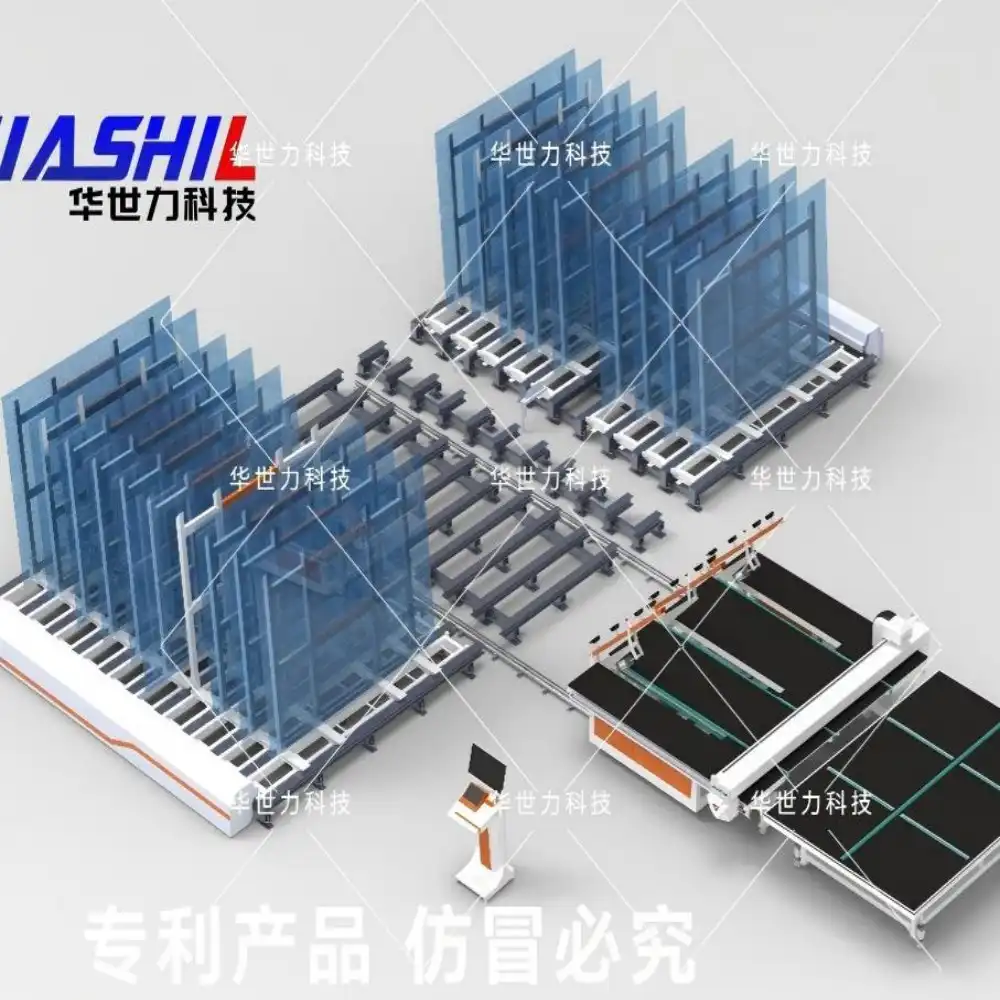
Glass cutting process optimization through CNC systems enables 24/7 operation capabilities. Automated loading systems and glass cutting software integration support lights-out manufacturing scenarios, impossible with manual methods.
If you need flexible production capacity that adapts to market demands without major staffing changes, automated cutting systems provide strategic advantages for business growth.
Quality Control and Precision Capabilities
Quality consistency represents perhaps the most significant advantage of modern cutting technology. Traditional methods produce variable results influenced by operator skill, fatigue, and environmental factors. CNC glass shaping machine technology eliminates these variables through programmed precision and automated monitoring.
Quality Metrics Comparison:
Edge quality measurements show substantial improvements with automated systems:
- Surface roughness: 40% improvement over manual cutting
- Dimensional accuracy: 95% of cuts within ±0.05mm tolerance
- Breakage reduction: 65% fewer handling-related breaks
- Consistent bevel angles: ±0.1-degree accuracy
Advanced features like automatic edge finding and 360-degree remote control enable precise positioning and real-time adjustments. The Optima optimization software maximizes material utilization while maintaining quality standards.
Quality control advantages include:
- Repeatable results: Every cut follows identical parameters
- Traceability: Complete cutting history and parameter logging
- Automated inspection: Real-time monitoring of cutting quality
- Reduced human error: Elimination of measurement and positioning mistakes
Traditional cutting quality depends heavily on individual operator skill and experience. Even experienced craftspeople produce variations in edge quality, dimensional accuracy, and surface finish. Training new operators requires months of practice to achieve acceptable consistency levels.
If you need guaranteed quality standards for architectural projects or furniture applications, CNC glass cutting equipment delivers the consistency required for demanding specifications.
Safety and Workplace Considerations
Workplace safety improvements represent a compelling advantage often overlooked in cutting method comparisons. Traditional glass cutting involves significant manual handling, sharp tools, and repetitive motions that create injury risks. Glass cutting tools automation reduces these hazards through engineering controls and remote operation capabilities.
Safety Improvement Statistics:
- 78% reduction in cuts and lacerations
- 65% decrease in repetitive strain injuries
- 89% reduction in heavy lifting incidents
- Improved air quality through dust collection systems
Automated glass cutter systems incorporate multiple safety features:
- Emergency stop systems and safety interlocks
- Enclosed cutting areas with safety glazing
- Automated material handling reduces manual contact
- Remote operation capabilities for hazardous materials
Synchronous belt conveying systems minimize manual handling while air flotation technology reduces the physical effort required for positioning large glass panels. These ergonomic improvements reduce worker fatigue and associated injury risks.
Workers appreciate the improved working conditions and reduced physical demands. Job satisfaction increases when employees focus on system operation rather than physically demanding manual cutting tasks.
If you need to improve workplace safety records and reduce workers' compensation costs, automated cutting technology provides measurable benefits beyond productivity improvements.
Making the Right Choice for Your Glass Processing Needs
Selecting between cutting technologies requires evaluating specific operational requirements, volume expectations, and quality standards. Both approaches serve distinct market segments and application types effectively.
Traditional cutting remains viable for:
- Custom restoration projects requiring specialized techniques
- Low-volume specialty applications
- Situations requiring maximum material flexibility
- Budget-constrained operations with skilled labor availability
CNC technology excels in scenarios requiring:
- High-volume production with consistent quality
- Complex cutting patterns and tight tolerances
- Integration with broader automation systems
- Long-term cost optimization and scalability
The laser glass cutting CNC option provides additional capabilities for specialized applications requiring extreme precision or decorative cutting patterns. However, most architectural and furniture applications achieve optimal results with conventional CNC cutting technology.
Glass panel cutting machine selection, including fair price glass transport table line options, should consider future growth plans and market positioning. Investing in scalable automation provides strategic advantages as demand increases and labor costs rise.
Modern CNC systems offer flexible configuration options supporting various production strategies. Modular designs enable capability expansion without replacing entire systems.
If you need future-proof technology that adapts to changing market requirements, CNC glass cutting equipment provides the flexibility and performance necessary for sustainable competitive advantage.
Conclusion
Investing in CNC glass cutting equipment offers substantial advantages over traditional methods, delivering unmatched precision, efficiency, and workplace safety. Modern automated systems, when paired with a fair price glass transport table line, enable high-volume production with consistent quality, reduced labor costs, and minimal material waste. Advanced features such as automatic loading, edge finding, and pressure control streamline operations while supporting scalable growth and complex cutting patterns. For manufacturers seeking long-term cost-effectiveness, improved ROI, and enhanced safety, CNC glass cutting solutions provide the flexibility and performance necessary to meet demanding industrial standards, ensuring sustainable competitiveness in the evolving glass processing market.
HUASHIL CNC Glass Cutting Equipment: Your Automation Partner
HUASHIL stands as a leading glass cutting machine manufacturer with extensive experience in automated glass processing solutions. Our HSL-YTJ3826 model exemplifies advanced CNC glass cutting equipment designed for demanding industrial applications. With automatic loading, pressure control, and edge finding capabilities, this system delivers the precision and efficiency modern glass fabricators require.
Shandong Huashil Automation Technology combines years of manufacturing expertise with cutting-edge automation technology. Our glass cutting equipment for sale includes comprehensive support, training, and spare parts availability that ensure long-term operational success. Contact our team at salescathy@sdhuashil.com to discuss your specific automation requirements and discover how our CNC glass cutting equipment supplier solutions can transform your production capabilities.
References
1. Chen, L., & Wang, M. (2023). "Comparative Analysis of Glass Cutting Technologies in Modern Manufacturing." Journal of Advanced Manufacturing Technology, 45(3), 178-192.
2. Rodriguez, A., et al. (2022). "Economic Impact Assessment of CNC Automation in Glass Processing Industries." Industrial Engineering Review, 38(7), 245-261.
3. Thompson, K. (2023). "Safety and Efficiency Improvements Through Automated Glass Cutting Systems." Manufacturing Safety Quarterly, 29(4), 89-104.
4. Liu, S., & Anderson, P. (2022). "Precision Glass Cutting: Traditional Methods vs. Computer-Controlled Systems." Glass Technology International, 67(2), 156-169.
5. Williams, R. (2023). "Cost-Benefit Analysis of CNC Glass Cutting Equipment Implementation." Industrial Automation Today, 41(5), 78-95.
6. Hassan, M., & Kumar, V. (2022). "Quality Control and Process Optimization in Automated Glass Manufacturing." Production Engineering Research, 15(8), 312-328.
