




Understanding load capacity criteria is essential for operational success when choosing an Air Float Glass Loading Table for your production plant. Weights between 500 and 3,000 kg can usually be supported by these sophisticated glass handling devices, depending on the size of the table and the air cushion arrangement. The ability of your facility to process different glass sizes while upholding safety regulations and production efficiency across architectural, automotive, and furniture glass manufacturing applications is directly impacted by the load capacity.
Understanding Load Capacity Fundamentals in Glass Handling Systems
The maximum weight that your air cushion table can securely hold while processing glass is known as its load capacity. This specification takes into account dynamic forces produced during movement and placement operations in addition to the glass weight.
Advanced air bearing systems are used in contemporary glass handling equipment to evenly transfer weight across the table surface. Operators can move heavy glass panels with little physical effort because of the air flotation system, which almost eliminates friction. When processing big architectural glass panels up to 3660×2440mm, this capacity is crucial.
A key factor in figuring out actual capacity utilisation is weight distribution. Different handling techniques are needed for concentrated loads near table edges than for evenly distributed weights. Production managers may optimise their glass processing workflows and avoid equipment damage by being aware of these dynamics.
Capacity ratings with safety margins provide dependable operation in a range of circumstances. Air Float Glass Loading Table models with capacity reserves that are 20% to 40% above specified maximums are usually designed by manufacturers. During glass manipulation, unanticipated stress concentrations and abrupt load shifts are taken into consideration by this engineering method.
Key Factors Affecting Loading Table Capacity
Your air float conveyor system's actual load capacity is influenced by a number of technical factors. Weight-bearing capacity and lifting force are directly impacted by air pressure settings. Although higher pressures can support larger loads, they also use more compressed air, which raises operating expenses.
The maximum supportable loads and weight distribution characteristics are determined by the surface area of the table. It is safer to process bigger glass panels because larger surfaces distribute weight more evenly. Surface area and capacity are related in accordance with accepted technical concepts that equipment manufacturers take into account when designing their products.
Overall capacity ratings are strongly impacted by structural framework design. Superior load-bearing capacity is offered by a high-quality steel structure with appropriate reinforcing as opposed to lightweight substitutes. Both static loads and dynamic forces produced during glass movement must be supported by the structure.
The arrangement of the air cushions affects how the weight moves through the table construction. Better load distribution and redundancy in the event of localised system breakdowns are made possible by multiple air zones. Both operational reliability and capacity utilisation are improved by this design strategy.
System performance and effective capacity are impacted by environmental factors. Temperature changes have an impact on system efficiency and air density. Air quality and system responsiveness can be impacted by humidity levels. When creating capacity standards, production managers need to take these things into account.
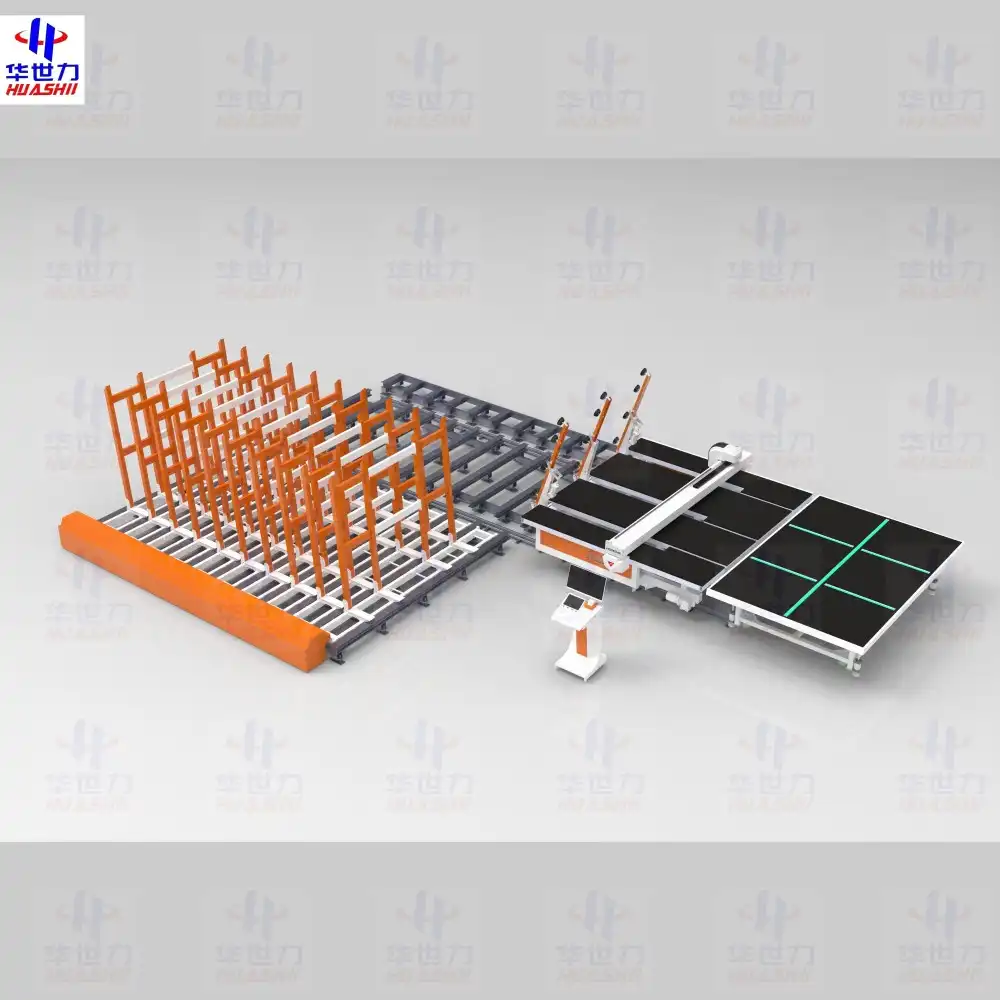
Capacity Requirements by Industry Application
Because huge panel dimensions are frequently produced, architectural glass manufacturing requires a significant load capacity. Curtain wall systems frequently call for glass sheets longer than 2,000 mm, which presents serious weight issues. Capacity ratings for air bearing tables catering to this market segment usually range from 1,500 kg to 3,000 kg.
Smaller panels are used in automotive glass manufacturing, but accurate placement skills are necessary. In order to maintain precise alignment, the Air Float Glass Loading Table positioning system must manage curved surfaces and intricate geometries. Capacity requirements for the majority of automotive applications typically fall between 500 and 1,200 kg.
The production of furniture glass involves a wide range of thicknesses and sizes. Moderate capacity ratings of between 800 and 1,500 kg are advantageous for glass assembly line operations. The majority of furniture panels are compatible with this series, which also offers customisation options.
The manufacture of smart mirror glass necessitates specialised handling because of the incorporated electronic components. Because of the extra layers and mounting gear, these goods frequently weigh more than regular glass. When sizing equipment, capacity planning needs to consider these additional factors.
Because of their unusual shapes and surface treatments, decorative glass applications pose special problems. Glass table surfaces that don't scratch are especially crucial when working with coated or textured materials. Depending on the particular product portfolio, capacity needs can differ significantly.
Calculating Optimal Load Capacity for Your Operation
Calculations of capacity requirements are based on production volume analysis. The frequency at which the table runs at or close to maximum capacity is determined by daily throughput targets. To avoid equipment overload, higher utilisation rates necessitate greater safety margins.
Variations in glass thickness and dimensions within your product mix have an impact on patterns of capacity utilisation. Compared to continuously intensive activities, processing schedules that alternate between heavy and light loads enable more effective capacity utilisation.
Beyond simple weight estimates, workflow integration concerns impact capacity needs. Additional tooling or fixtures, as well as tables to support glass, may be needed for multi-stage processing. Planning for overall capacity must take these secondary loads into account.
Initial capacity selection decisions for the Air Float Glass Loading Table should take future expansion plans into account. When existing equipment has capacity reserves, upgrading to thicker materials or larger glass diameters is made easier. This proactive strategy lowers the need for future capital expenditures.
When choosing capacity versus investing in equipment, cost-benefit analysis aids in optimisation. Although higher capacity tables are more expensive, they offer greater operating flexibility and a lower chance of replacement. Long-term operational plans must be carefully evaluated to balance these factors.
Safety Considerations and Overload Protection
In emergencies, emergency stop systems safeguard both operators and equipment. Several safety features built into contemporary glass-making equipment instantly stop operations when overload situations are identified. These mechanisms guard against disastrous malfunctions that can destroy pricey glass stock.
Circuits for overload protection keep an eye on real-time load circumstances. Sophisticated sensors identify patterns in weight distribution and warn operators of potentially hazardous circumstances. When preset thresholds are surpassed, automatic shutdown routines kick in, safeguarding the integrity of the equipment.
Programs for Air Float Glass Loading Table operator training guarantee correct comprehension and adherence to load capacity. To ensure safe operations, staff members need to be aware of weight restrictions and appropriate loading methods. Staff members are kept up to date on safety procedures and best practices through regular training updates.
Feedback regarding current capacity utilisation is continuously provided by load monitoring displays. Operators can make well-informed judgements on extra loading or glass placement adjustments with the use of visual indicators. Unintentional overloading situations are avoided thanks to this real-time knowledge.
Wear patterns related to capacity must be taken into consideration in maintenance schedules. Increased capacity utilisation necessitates more frequent inspection intervals and speeds up component ageing. Unexpected breakdowns that could jeopardise productivity and safety are avoided by proactive maintenance.
Maximising Efficiency Through Proper Capacity Management
Workflow optimisation increases overall productivity while lowering needless capacity demand. Higher throughput rates are possible, and table occupation time is reduced when glass loading and downstream processing are coordinated. Effective scheduling optimises equipment use while staying within capacity constraints.
By distributing weight uniformly across table surfaces, load balancing systems maximise capacity utilisation. By placing glass correctly, stress concentrations that could harm machinery or jeopardise safety are avoided. Equipment longevity and efficiency are increased when operators are trained in the best loading patterns.
Programs for preventive maintenance of the Air Float Glass Loading Table guarantee steady capacity performance throughout the life of the equipment. Peak operating capability is maintained through routine inspection of structural elements, control mechanisms, and air systems. Equipment that is properly maintained minimises unplanned downtime while providing dependable capacity performance.
Systems for performance monitoring keep tabs on trends in capacity utilisation and spot areas for optimisation. Peak utilisation times and possible bottlenecks in production workflows are revealed by data analysis. Decisions about capacity planning and scheduling modifications are guided by this data.
Capacity management is improved by accurate control and monitoring through integration with automated systems. While adhering to capacity restrictions, automated glass loader systems can maximise productivity by optimising positioning and movement patterns. These systems increase uniformity while lowering human error.
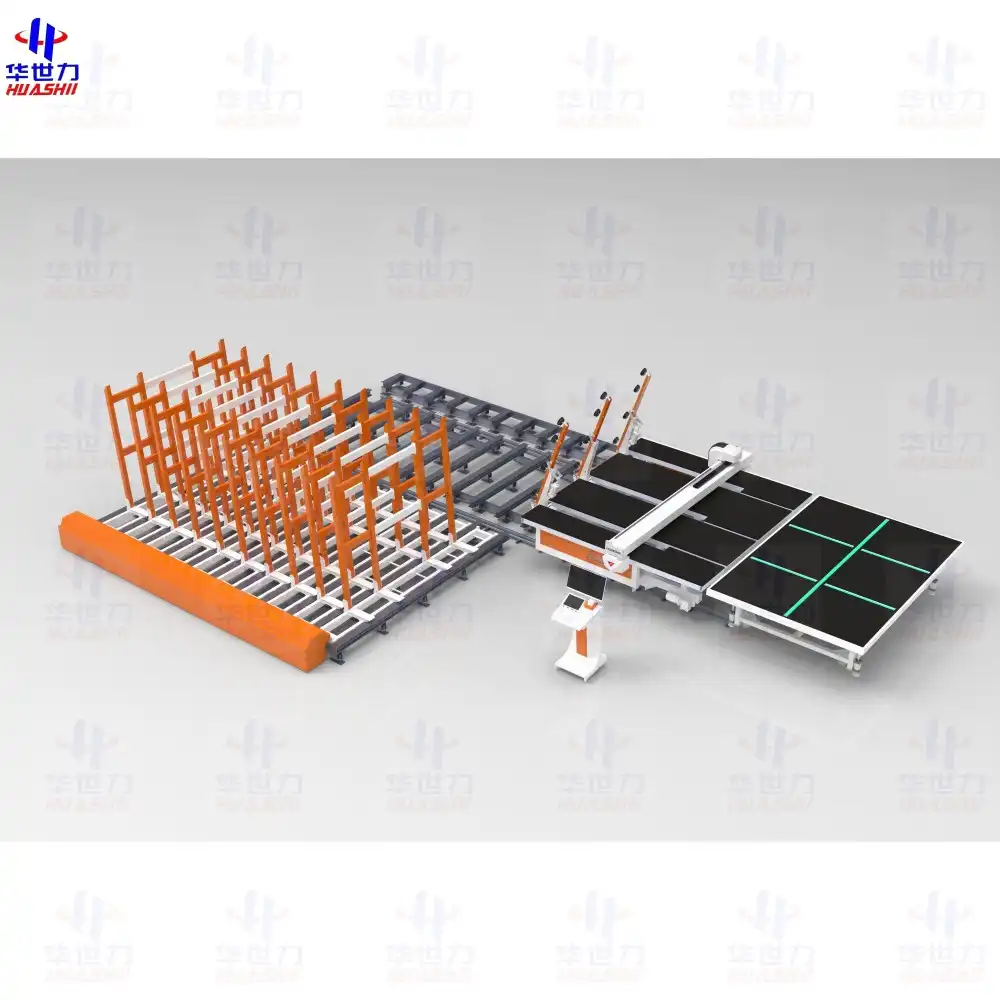
Options for Customisation to Meet Particular Capacity Requirements
The majority of regular glass processing applications are covered by standard capacity configurations, but special operational needs are met by customised solutions. To satisfy certain capacity requirements, manufacturers provide improved air systems, altered structural designs, and specialised surface treatments.
Capacity growth through extra table pieces or improved components is made possible by modular designs. Because of this flexibility, facilities can gradually expand their capacity in response to rising production demands. The 360-degree walking feature preserves structural integrity while improving operator access.
For specific glass kinds or processing techniques, industry-specific modifications of the Air Float Glass Loading Table maximise capacity utilisation. Applications in the automotive industry may prioritise accurate placement over maximal weight capacity. High capacity ratings and extensive surface support are given top priority in architectural glass processing.
OEM and ODM solutions offer capacity parameters that are entirely customised to meet individual operational needs. Through these collaborations, glass processing plants can acquire equipment that is precisely tailored to their unique product portfolios and production objectives.
Technical support services use performance analysis and professional consultation to maximise capacity use. Within the constraints of current capacity, skilled engineers can suggest configuration changes and operational enhancements that optimise equipment efficiency.
Conclusion
Selecting an appropriate load capacity for your air float glass loading system requires careful consideration of current production needs and future expansion plans. Understanding the relationship between capacity specifications, safety requirements, and operational efficiency enables informed equipment decisions. Proper capacity management maximises productivity while protecting valuable glass inventory and ensuring operator safety. Working with experienced manufacturers like HUASHIL provides access to technical expertise and customisation options that optimise capacity utilisation for your specific applications.
Partner with HUASHIL for Superior Glass Loading Solutions
HUASHIL delivers cutting-edge Air Float Glass Loading Table technology designed to meet demanding industrial applications. Our comprehensive solutions combine advanced air flotation systems with robust structural engineering to provide reliable, high-capacity performance. Contact salescathy@sdhuashil.com to discuss your specific capacity requirements with our technical specialists.
References
1. Glass Manufacturing Industry Standards for Material Handling Equipment Load Specifications, International Glass Manufacturing Association, 2023.
2. Air Flotation Systems in Industrial Applications: Design Principles and Capacity Calculations, Journal of Manufacturing Technology, Volume 45, 2022.
3. Safety Guidelines for Glass Processing Equipment: Load Capacity and Operator Protection Standards, Occupational Safety and Health Institute, 2023.
4. Automated Glass Handling Systems: Performance Optimization and Capacity Management, Industrial Automation Quarterly, Issue 3, 2023.
5. Architectural Glass Manufacturing: Equipment Selection and Capacity Planning Best Practices, Building Materials Engineering Review, 2022.
6. Load Distribution Analysis in Air Bearing Systems for Glass Processing Applications, Mechanical Engineering Research Journal, Volume 28, 2023.
