




Choosing between new and reconditioned glass processing equipment affects your bottom line and production efficiency when growing or updating. Cutting cabinet door glass, processing shower enclosures, or making ornamental glass partitions requires a large investment in a furniture glass machine. Understanding the differences between factory-fresh and professionally reconditioned equipment helps procurement teams, production directors, and plant managers make operational and budget-friendly decisions. This paper discusses B2B purchasers' key considerations for furniture manufacturing, glass cutting, and processing equipment.
Understanding Furniture Glass Machines: Types and Key Features
Glass manufacturing equipment has advanced, giving furniture producers remarkable accuracy and automation. Glass sheets are processed into cabinets, tables, shower doors, and architectural pieces using these devices.
Core Equipment Categories in Glass Processing
Furniture glass production lines start with glass cutting systems. CNC glass cutting machines like the HSL-CNC3829 process 2mm to 19mm glass with millimeter accuracy. Standard furniture and specialized architectural projects can use these systems for 3600x2800mm glass. Optima optimization software calculates the most effective cutting patterns to reduce material waste and raw material costs by 15% compared to manual planning approaches.
Edge processing machine finishes glass edges for safety and aesthetics after cutting. Automated edge grinding machines polish, bevel, and chamfer glass edges for furniture frames or direct mounting. Production facilities with moderate to large quantities benefit from automated systems with continuous feed and several grinding units.
Manual versus Automated Processing Systems
Manual glass cutting tables work for small workshops making less than 50 pieces daily. These systems are flexible for prototypes and one-time applications, but require expert operators. Startups and specialty fabricators may afford manual equipment for $8,000 to $25,000.
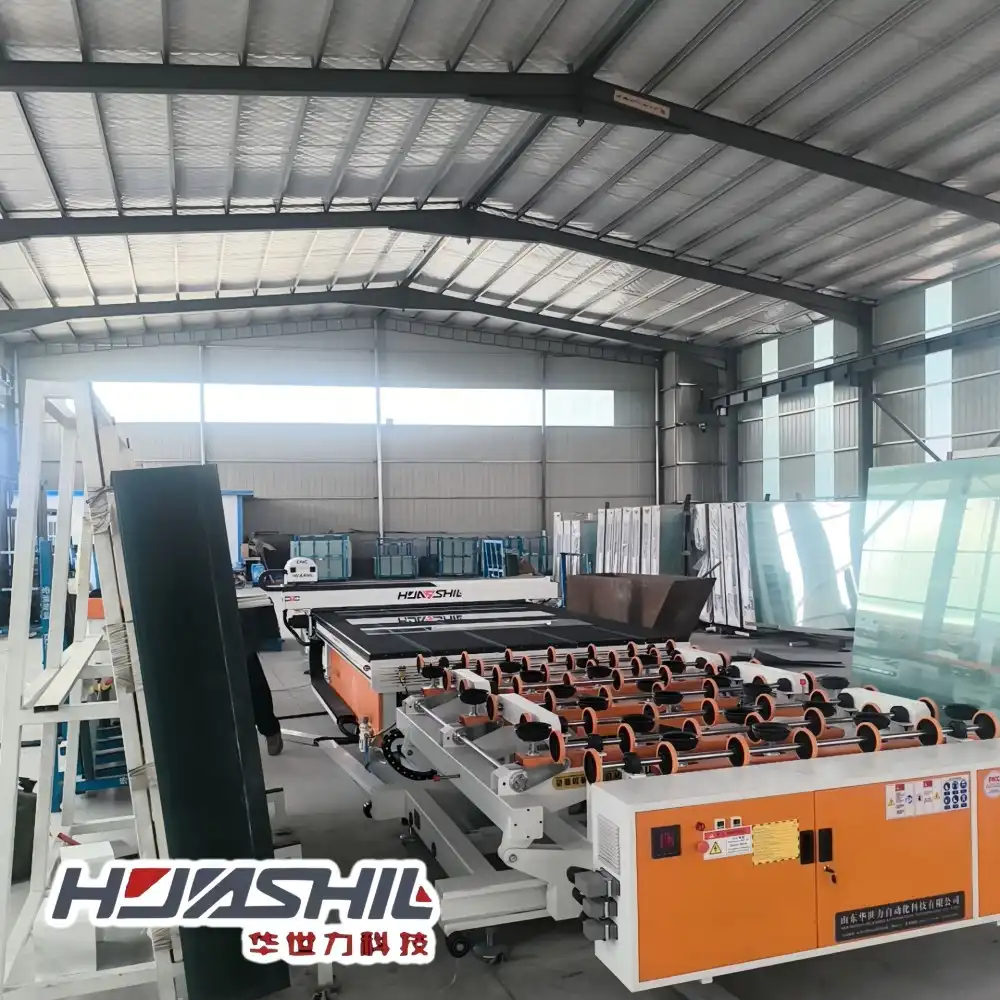
CNC automation provides speed and consistency that human processes cannot match. A well-configured CNC glass cutter produces 200-300 standard furniture panels every eight-hour shift with ±0.1mm cut precision. Auto-pressure control changes the cutting force dependent on glass thickness to prevent stress fractures and breakage in the HSL-CNC3829. The air flotation device protects huge glass sheets from scratches and allows single-operator operation. A remote control lets personnel position the equipment from a safe distance, improving setup safety.
Critical Purchase Specifications
A procurement specialist assessing a furniture glass machine and glass processing equipment should highlight numerous technical specs. Precision in cutting impacts product quality and assembly efficiency. Tolerances below ±0.2mm ensure furniture components fit without field modifications. Modern CNC systems need 8-15 kW during active cutting, while hydraulic machines use 20-30 kW. Equipment with modular components and tool-free access panels reduces downtime. The CE and ISO9001 certifications guarantee compliance with international safety standards and quality management systems for regulated markets and major institutional customers.
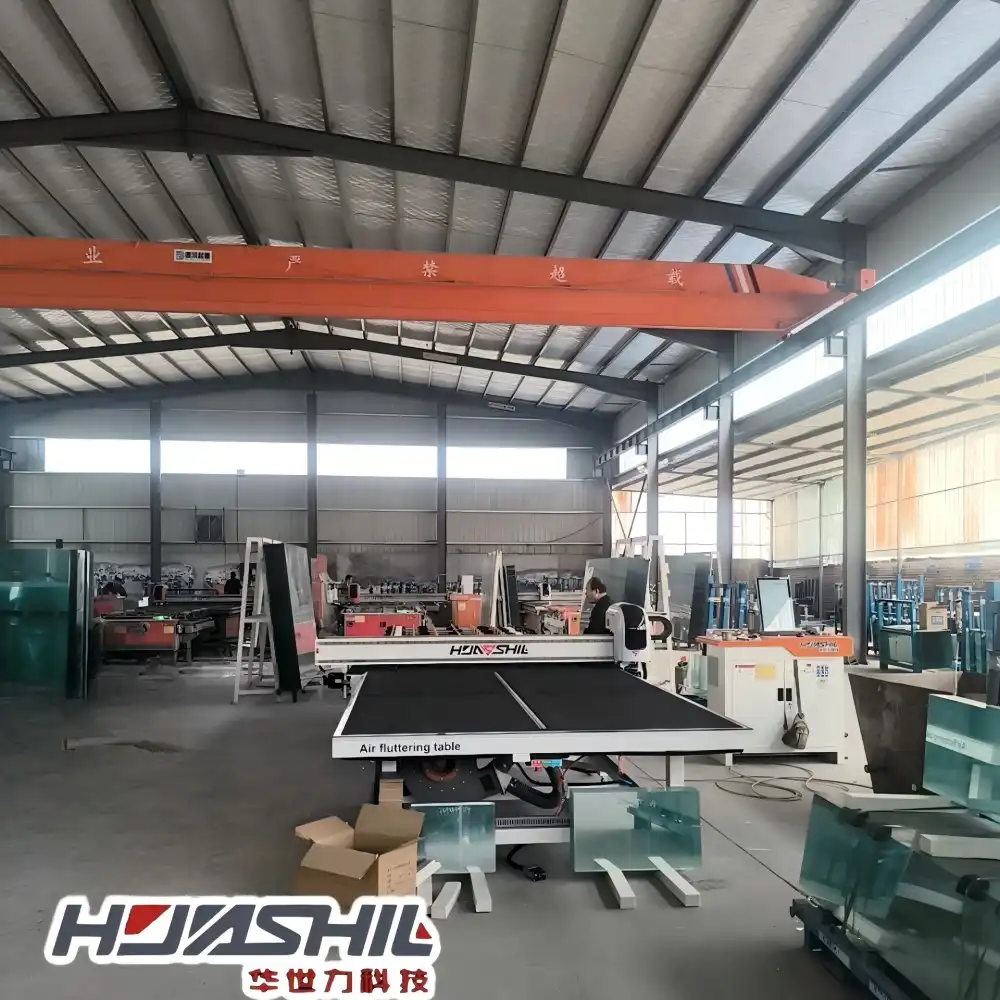
New vs Refurbished Furniture Glass Machines: Core Differences and Market Insights
Beyond pricing, buying new or used glass processing equipment entails considering other criteria. Each choice has advantages and disadvantages that impact total cost of ownership during the machine's lifespan.
New Equipment Advantages and Considerations
New glass cutting machines have optimised energy efficiency, the latest control systems, and 12-24 month manufacturer warranties. Established manufacturers like Huashil have improved their equipment with new servo motors, nesting algorithms, and mechanical components that lengthen maintenance intervals. Without wear on linear guides, ball screws, and cutting heads, performance is optimal from the start.
New machine warranties safeguard capital investments against manufacturing flaws and component breakdowns. Technical assistance, spare parts replacement, and on-site service visits are included in comprehensive warranties, ensuring financial predictability during the critical production ramp-up phase. Direct manufacturer ties allow buyers to obtain engineering knowledge for production optimization and expansion planning.
The initial capital cost of new equipment is the main concern. A new CNC glass cutting system with complete automation costs $45,000 to $120,000, depending on table size, automation level, and features. This investment level demands careful financial preparation and executive clearance, which delays the purchase cycle.
Refurbished Equipment Realities
Professionally repaired glass machines are 30-60% cheaper than new ones, allowing budget-constrained enterprises to use automation technology. Reliable refurbishment includes mechanical inspections, component replacement, control system updates, and rigorous testing before resale. Quality refurbishing restores 85-95% of machine performance.
However, reconditioned equipment has aspects to consider. Suppliers vary in renovation scope and quality. Some suppliers use new vital components in mechanical rebuilds, while others conduct minor cosmetic repairs. Refurbished computers have 3-6-month warranties that may omit worn items, moving maintenance risk to the buyer. Service life is unknown due to operational history—hours of use, maintenance quality, and application demands.
Regional industrial activity and equipment upgrade cycles affect refurbished glass processing equipment availability. Buyers may wait months for certain combinations, limiting manufacturing expansion. Refurbished machines are 5-15 years old, thus control systems and software may not work with production management systems.
Financial and Operational Trade-offs
The total cost of ownership study compares better than the purchase price. Through efficiency, downtime, and material waste reduction, new equipment lowers per-piece manufacturing costs. New CNC systems with 98% uptime and 8% greater material yield can repay their price premium in 18-30 months of continuous production, compared to reconditioned ones with more maintenance and waste.
When used to supplement production capacity during demand surges, build proof-of-concept operations before full-scale investment, or outfit satellite facilities with established production volumes, refurbished equipment makes sense. Single-shift operations with moderate volume may not fully exploit new equipment's efficiency benefits, making reconditioned solutions economically feasible.
How to Choose the Right Furniture Glass Machine for Your Business Needs?
Equipment capabilities should match operational needs to avoid undercapacity and overinvestment in needless features. Systematic production parameter evaluation informs equipment selection.
Production Volume and Capacity Planning
Required machine throughput depends on daily production objectives. Semi-automated or remanufactured CNC systems help small workshops make 20–75 unique glass pieces every day. Flexible and rapid product specification changes are prioritized above cutting speed in these activities.
Medium-volume producers making 100-250 items per day need dependable automated systems that maintain quality throughout long production cycles. At this size, machine downtime immediately impacts client delivery obligations, making new CNC equipment with proven uptime and timely technical support crucial.
New automated systems with redundancy planning are needed in high-volume plants generating 300+ standardized components every day. Reliability, parts availability, and manufacturer support are crucial when choosing several machines for business continuity. New equipment integrates with automated loading systems, quality inspection stations, and packaging lines, improving efficiency over reconditioned devices.
Precision Requirements Across Applications
Different furniture glass machine applications require different precision. Properly maintained semi-automated equipment may achieve ±0.5mm cutting tolerances for tempered glass panels used in cabinet doors. To achieve appropriate sealing and aesthetic alignment, frameless shower enclosures require CNC accuracy with stricter requirements of ±0.2mm. To maximize production, architectural glass installations with complicated forms and cuts need CNC with automated edge-finding functions and nesting software like Optima.
The HSL-CNC3829's configurable cutting settings and automated pressure adjustment meet various accuracy demands. CNC versatility lets operations process several product types, implement distinct cutting processes for varied glass thicknesses and dimensions without time-consuming mechanical modifications.
Buyer Profile Alignment
Startup furniture makers starting glass processing generally have capital restrictions and prefer reconditioned or leased devices. This method allows operations while retaining working cash for marketing, inventory, and business expansion. As production stabilizes and the customer base grows, upgrading equipment becomes financially and operationally viable.
Experienced manufacturers value manufacturing dependability and efficiency. Operator risk is reduced by new equipment from providers with extensive after-sales service, easily available replacement parts, and technical training. The larger initial investment is justified by predictable performance, cheaper maintenance costs, and more manufacturing flexibility for product line growth.
OEM fabricators and curtain wall system integrators need customisation that new equipment manufacturers offer. Custom table dimensions, tooling integration, and control system changes that interact with proprietary production management software are usually only accessible through direct manufacturer contacts on new equipment acquisitions.
Maintenance, Safety, and Troubleshooting: Ensuring Machine Longevity
Product quality, operator safety, and production uptime depend on equipment maintenance. Whether machines are new or reconditioned, rigorous maintenance methods improve ROI.
Routine Maintenance Protocols
Daily maintenance begins with glass debris removal from cutting tables, guiding rails, and air flotation systems. Linear guides with glass particles wear faster and reduce cutting precision. Operators should replace worn or chipped cutting wheels before they degrade the cut quality. Automatic lubrication systems on sophisticated CNC machinery simplify daily checks of moving component lubrication locations.
Air pressure systems are inspected weekly to ensure consistent pressure to flotation tables and pneumatic positioning devices. Drive system belt tension should be checked and adjusted according to the manufacturer's specifications. Control system diagnostics detect faults before they disrupt production.
Precision alignment measurement, calibration verification, and consumable component replacement near service life limitations are part of monthly preventative maintenance. Operations keeping extensive maintenance logs find patterns that help manage parts inventories and estimate component replacement. Huashil's new equipment has maintenance scheduling software built into machine controls to notify operators of anticipated servicing needs.
Safety Standards and Operator Training
Glass manufacturing has unique risks that require thorough safety precautions. Trained operators must follow protocols for sharp glass edges, heavy material handling, and moving machinery. The HSL-CNC3829's 360-degree remote control walking capability allows machine placement from safe distances, reducing operator risk.
Emergency stop procedures, PPE, safe glass handling, and maintenance lockout/tagout protocols should be included in training. On-site training by manufacturer technicians teaches operators and maintenance staff safe operation and normal servicing procedures for new equipment. Refurbished equipment may require further training, increasing ownership costs.
Troubleshooting Common Issues
Worn cutting wheels, misplaced guides, and loose mechanical parts degrade cutting precision. Systematic inspection finds the problem, with minor changes to component replacement. Unreliable air flotation performance suggests air system leaks or pressure regulation issues that need seal replacement or service.
Control system faults can result from software, sensor, or electrical connection difficulties. Manufacturer technical assistance offers remote diagnostics, software upgrades, and guided troubleshooting for new equipment. If original manufacturers stop supporting outdated control systems, refurbished equipment owners may need third-party service providers with less product-specific experience to resolve issues.
Spare parts are crucial while troubleshooting. New active manufacturing equipment provides component availability with 3-7 day delivery periods for popular parts. Extended parts procurement or unique manufacture of outdated components may increase downtime and repair costs for refurbished equipment on discontinued models.
Supplier and Brand Overview: Where to Buy and Whom to Trust?
Choosing the correct machine and equipment provider is equally crucial. Suppliers determine parts availability, technical support quality, and operational longevity.
Evaluating Manufacturer Credentials
Industry involvement and certifications show quality commitment from established manufacturers. EU safety criteria are verified by CE certification, whereas ISO9001 accreditation demonstrates systematic quality control throughout manufacture. These certifications guarantee worldwide equipment standards independent of production location.
Furniture glass machine manufacturers that present at Glasstec and join regional trade groups show market commitment and industry integration. At international exhibits, Huashil engages with global glass processing communities and stays current with industry advances. Huashil.com offers technical specs, application case studies, and client testimonials that demonstrate real-world performance.
Assessing After-Sales Support Infrastructure
Premium equipment providers offer comprehensive after-sales assistance. Assess vendors' technical support—dedicated hotlines, email response times, and remote diagnostics. The finest providers assist multinational consumers in several languages and time zones.
Spare parts logistics stress operational continuity. Suppliers with regional parts warehouses provide components in days, minimizing manufacturing delays. Supplier websites and beginning agreements should disclose parts prices to avoid unanticipated machine costs. The meticulous design of parts compatibility across product generations safeguards customer investments over time.
Quality training and documentation show supplier dedication to client success. Multilingual operating manuals, maintenance guidelines, and video tutorials help equipment users. On-site commissioning ensures appropriate installation and setup, while frequent training updates alert operators to software changes and additional functionality.
Procurement Strategies for B2B Buyers
Single-machine and production-line purchasing methods differ greatly. Buying single CNC glass cutters is simple with the given costs, regular payment terms, and delivery dates. Engineering collaboration, specialized integration, and months-long deployment plans are needed for fully automated lines with integrated cutting, edge processing, and handling systems.
Deposits range from 30-50% upfront, with the remainder due upon delivery, installation, or acceptance testing. Letters of credit protect buyers and sellers in international transactions. Bulk buyers could negotiate service agreements, extended warranties, and bulk spare parts packages to lower overall ownership costs.
Equipment finance companies provide leasing options that protect capital and give modern equipment. At the end of 3-5 years, leases provide buyout possibilities. This method is ideal for organizations with changing production needs or that prefer to update equipment rather than maintain it.
Conclusion
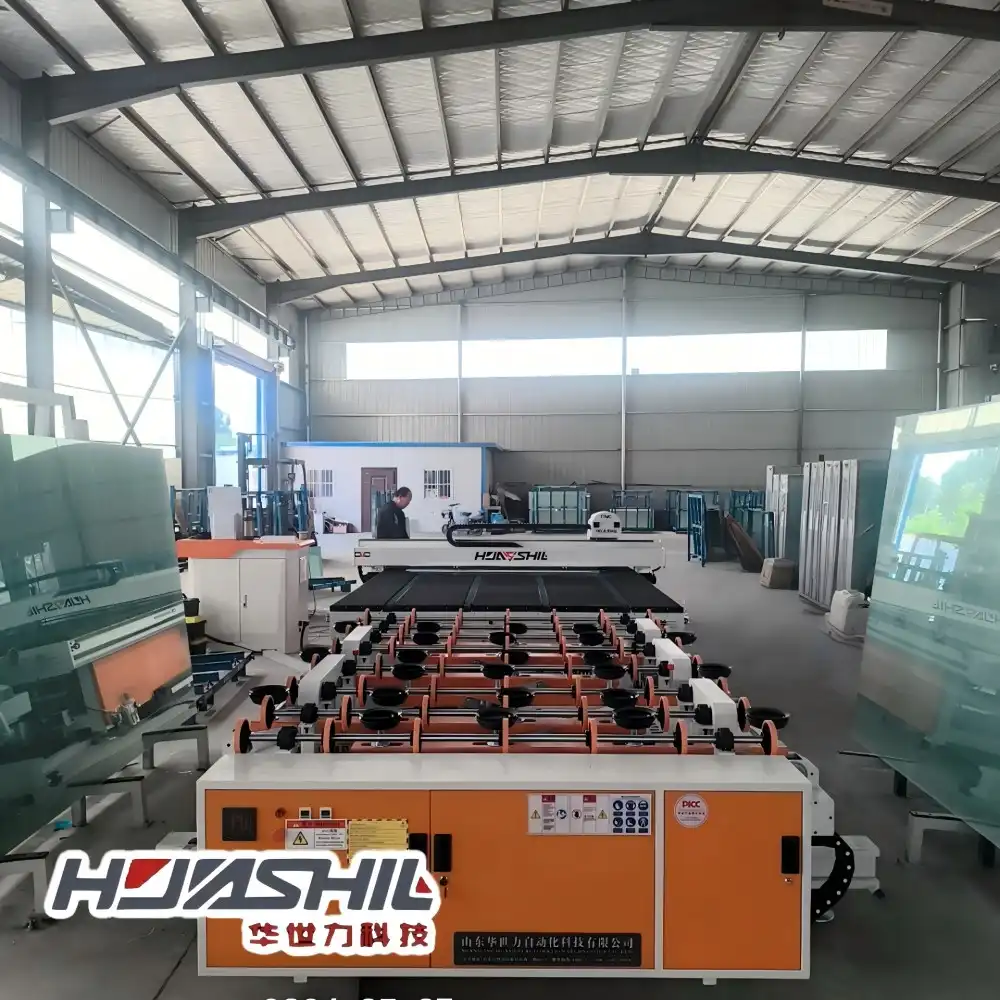
Budget restrictions and long-term operating needs must be considered when choosing new or used glass processing equipment. New CNC glass cutting machines reduce operational risk with proven dependability, current technology, complete warranties, and manufacturer support. Refurbished equipment is affordable but requires supplier verification and decreased warranty protection. Selecting based on production volume, accuracy, and business development. Whatever you choose, working with proven suppliers who provide timely technical support, clear parts pricing, and extensive training protects your investment's long-term value.
FAQ
Q1: Is refurbished equipment safe for high-volume furniture glass production?
Professionally refurbished machines from reputable suppliers can safely support production operations when properly maintained. However, they require more frequent monitoring and preventive maintenance compared to new equipment. High-volume facilities should verify complete refurbishment documentation, request inspection reports, and confirm availability of replacement parts before committing to refurbished equipment. New machines provide greater operational certainty for mission-critical production environments where downtime directly impacts customer commitments.
Q2: What maintenance practices optimize glass cutting machine performance?
Daily cleaning of glass debris from all surfaces prevents premature wear. Weekly inspection of air systems, cutting wheels, and drive mechanisms identifies developing issues early. Monthly calibration checks maintain cutting accuracy. Automated lubrication systems on modern CNC equipment reduce maintenance labor while ensuring consistent component protection. Maintaining detailed service logs reveals patterns that inform parts replacement timing and prevent unexpected failures.
Q3: How can buyers verify refurbishment quality before purchasing?
Request complete refurbishment documentation detailing replaced components and inspection results. Conduct on-site equipment inspection or arrange a third-party technical evaluation. Verify control system functionality and cutting accuracy through test operations. Review warranty coverage specifics—comprehensive warranties indicate supplier confidence in refurbishment quality. Request customer references from similar production operations to understand real-world performance and support responsiveness.
Contact HUASHIL for Your Glass Processing Equipment Needs
Shandong Huashil Automation Technology provides comprehensive glass processing solutions backed by decades of manufacturing expertise and global customer support. Our HSL-CNC3829 CNC glass cutting machine delivers precision, reliability, and automation features that enhance furniture manufacturing productivity. As an established furniture glass machine manufacturer, we offer complete technical specifications, application engineering support, and responsive after-sales service. Whether you're establishing new production capabilities or upgrading existing equipment, our team provides customized solutions aligned with your operational requirements and budget parameters. Contact us directly at salescathy@sdhuashil.com to discuss your specific needs, schedule virtual demonstrations of our equipment, or request detailed quotations. We support procurement professionals, production managers, and engineering teams throughout the equipment selection, installation, and optimization process, ensuring your investment delivers sustained competitive advantage in furniture glass manufacturing.
References
1. Glass Manufacturing Industry Council, "Automated Glass Processing Equipment Standards and Best Practices," Industry Technical Publication, 2023.
2. Anderson, M., "Total Cost of Ownership Analysis for Industrial Glass Cutting Systems," Journal of Manufacturing Equipment Management, Vol. 18, No. 3, 2023, pp. 145-162.
3. International Association of Glass Processors, "Safety Protocols for CNC Glass Cutting Operations," Safety Guidelines Manual, 2024 Edition.
4. Chen, L., and Roberts, D., "Comparative Performance Analysis of New versus Refurbished Glass Processing Equipment," Industrial Automation Quarterly, Vol. 12, No. 2, 2024, pp. 78-94.
5. European Committee for Standardization, "CE Certification Requirements for Glass Processing Machinery," Technical Standards Document EN 12543, 2023.
6. Williams, J., "Strategic Equipment Procurement for Furniture Manufacturing Operations," Production Management Review, Vol. 29, No. 4, 2023, pp. 210-228.
