




It is one of the most important changes in the way glass is made today that we talk about when we talk about automated glass processing. Automated systems combine technologies for cutting, grinding, polishing, and checking into unified processes that require a lot less human work while improving accuracy and speed. These methods help companies make sure that the quality is always the same, that they pay their workers less, and that the workplace is safe. These are all important things to have when they want to increase production or enter new markets. Knowing how to build, optimize, and choose these systems can have a huge effect on how profitable and reliable your business is.
Understanding Automated Glass Processing Systems
Computerized controls, robotics, and real-time tracking are used to coordinate several working steps in automated glass fabrication. This combination includes everything from putting raw glass sheets on moving belts to checking the quality one last time before they are packed.
Core Machinery and Technologies
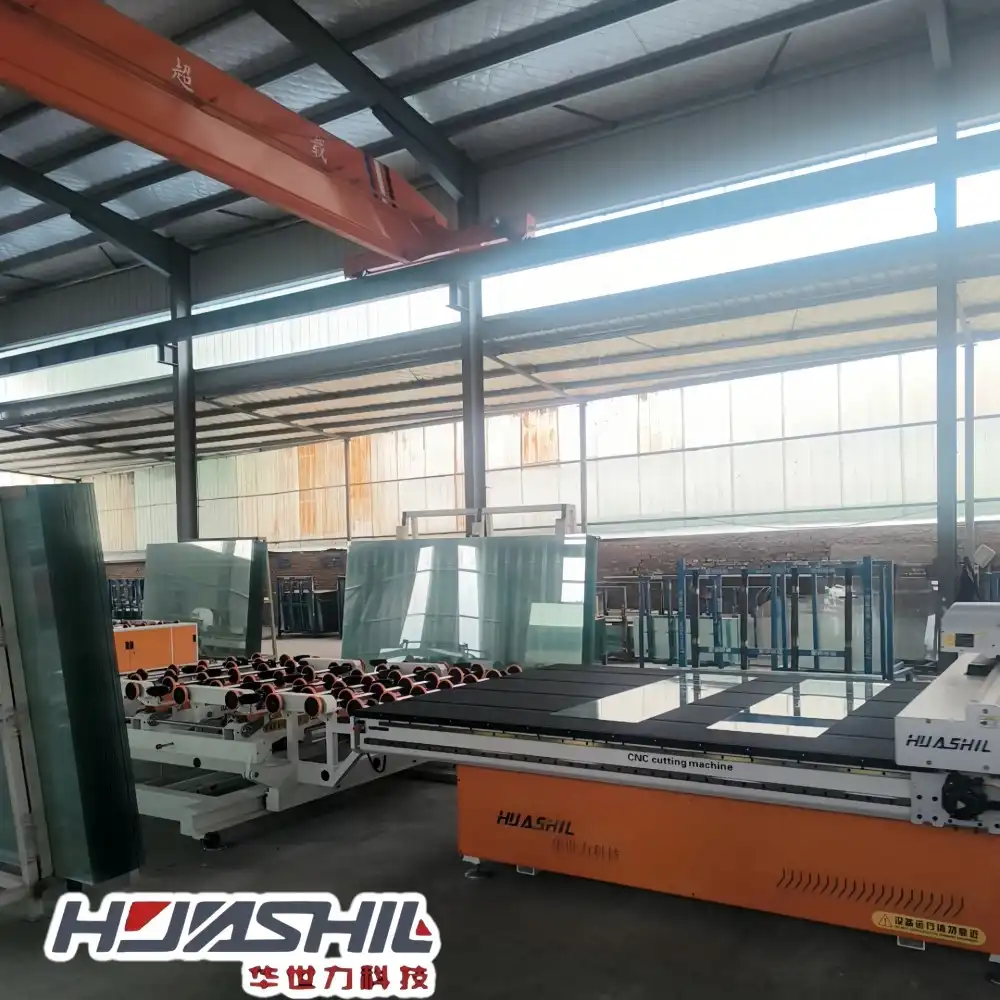
A lot of the time, modern glass robotic systems have filling tables, cutting stations, breaking tables, edging machines, washing units, and inspection modules. Centralized software systems let each part talk to the others, which improves the flow of materials and cuts down on useless time. Advanced sensors check the sizes, find flaws, and make changes without any help from an operator. This makes sure that the process is repeatable over thousands of production runs.
Industry Trends Reshaping Glass Fabrication
AI is now being used to figure out what repairs need to be done before they happen, and an IoT connection lets diagnosis and performance tracking be done from afar. Motors that use less energy and cutting lines that are better designed use up to 30% less power than older equipment. Even with these benefits, problems like needing a lot of money up front and finding ways to combine old technology with new ones are still important things to think about when planning a purchase.
Design Principles for Optimizing Automated Glass Processing Systems
To start optimizing, you should carefully look at your current automated glass processing production process to find places where delays, inconsistent quality, or equipment problems happen. Bottlenecks usually happen at the changes between steps in the process, like when you have to handle things by hand between cutting and edging, or in old control systems that can't effectively coordinate many machines.
Streamlining Workflow and Equipment Layout
Strategically placing equipment cuts down on cycle times and the lengths that need to be traveled to move materials. Depending on the size of the plant and the amount of product, U-shaped or straight plans work well. Modular designs let you make small changes without shutting down whole lines, which gives you options as your production needs change. Real-time tracking software keeps track of how machines are being used, lets workers know when something is wrong, and stores performance data for long-term efforts to make things better.
Real-World Performance Gains
We've seen curtain wall makers cut down on cutting waste by 18% after using optimization tools to figure out the best layouts for glass sheets. By switching to servo-driven cutting tables with regenerative braking, another artistic glass plant cut its energy costs by 25%. These case studies show real results on investments and can be used as standards when judging tools.
Comparing Automated Versus Manual Glass Processing
When glass is made by hand, the quality of the edges, the accuracy of the measurements, and the speed of the process all depend on how skilled the maker is. Handling sharp objects and doing the same thing over and over again are also bigger risks of injury when using manual methods. These problems are made even worse by a lack of workers, which makes it hard to increase production or meet tight supply dates.
Benefits of Full Automation
Automated systems provide consistent edge quality within micron limits, work nonstop with little guidance, and build quality checking right into the production line. These features lower the number of repair jobs, raise the return of materials, and lower the total cost per unit. As workers move from manual tasks to supervisory jobs that involve keeping an eye on how the equipment is working, workplace safety gets a lot better.
Hybrid Approaches for Balanced Investment
Not all tasks need or can afford to be fully automated. Hybrid methods use both automatic cutting and breaking and hand-cutting or custom shaping. This method makes the best use of capital while still gaining efficiency in high-volume processes. It also frees up trained workers to do unique, complicated work that machines can't do yet at a low cost.
Selecting the Right Automated Glass Processing Equipment
When you're choosing tools, you need to make sure that the technical specs match up with your business needs. Precision of the machine, speed of working, and software compatibility all have a direct effect on output and quality.
Key Evaluation Criteria
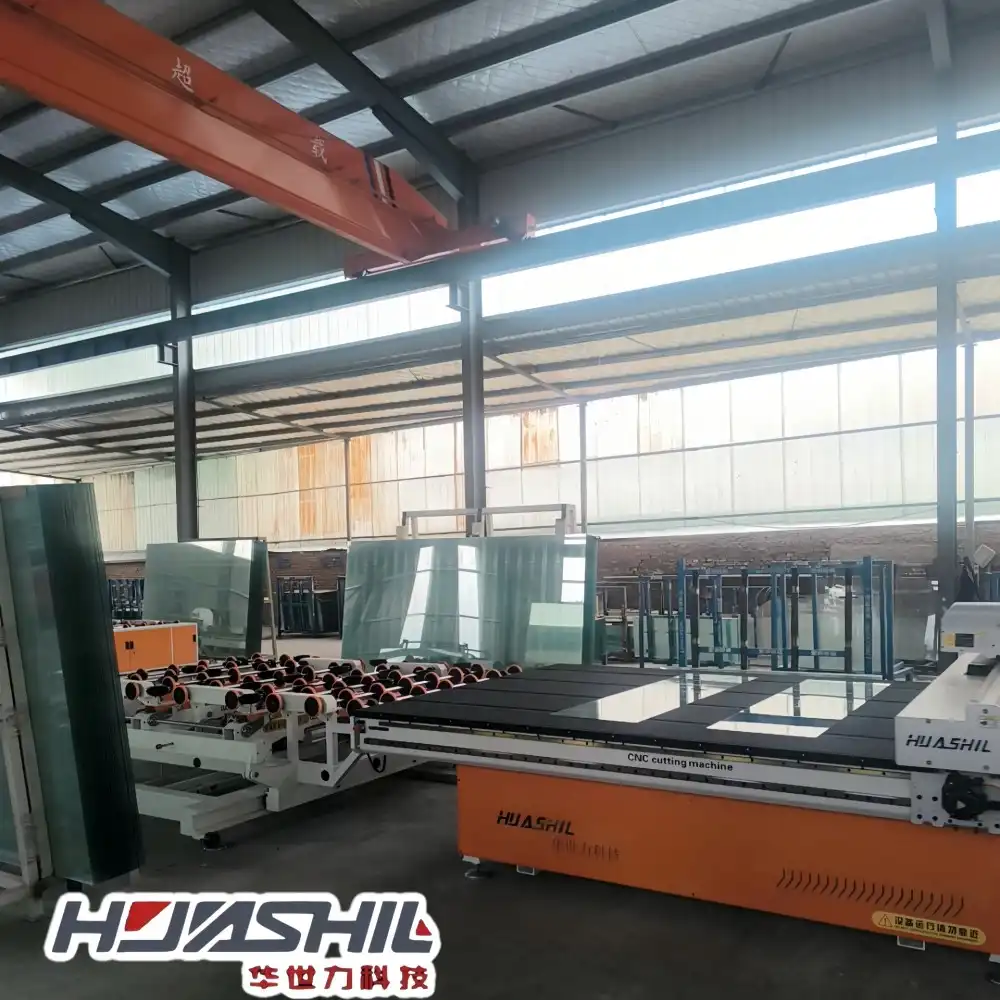
Check the positioning accuracy (usually ±0.1mm for building uses), cutting speed (in meters per minute), and tool switching times of the automated glass processing glass cutting systems you are considering. How easily new tools can talk to current ERP or MES systems depends on how well the software can integrate with them. One example on the market is the HUASHIL HSL-LSX4228 model, which has three built-in tables for loading, cutting, and breaking. It also comes with Optima optimization software that figures out the best way to cut materials to get the most out of them. Its two+two station setup and four grand arms on each side make it easy to work with glass sheets up to 4200x2800mm, which includes normal architectural glass and large curtain wall panels.
Cost Analysis and Financing
The initial cost of buying tools is only a small part of the total cost of ownership. Think about how much it will cost to install, train operators, do preventative maintenance, and keep extra parts on hand. Payback times are usually between 18 and 36 months, but they depend on how much is made and how much money is saved on wages. Leasing saves operating capital and spreads costs over the equipment's useful life, which lets mid-sized producers who might not have been able to afford changes before get automation.
After-Sales Support Considerations
How reliable your equipment is depends a lot on how quickly you can get expert help and what parts are available. Downtime risks are kept to a minimum by manufacturers who offer 24-hour hotlines, full guarantee coverage, and local service networks. When looking at different providers, get examples from current customers who have used similar products and look at how well they've done at delivering parts on time and fixing problems remotely.
Future-Proofing Your Automated Glass Processing System
As the market changes and technology improves, equipment plans need to be flexible and adaptable. Machine learning algorithms are starting to find the best cutting settings based on the type of glass and the surroundings. Predictive maintenance, on the other hand, finds patterns of wear on parts to cut down on unplanned downtime.
Modular Design for Incremental Upgrades
When you buy systems with open design, you can add features as your needs change. For example, you can add automatic loading equipment or improve inspection modules without having to replace whole lines. Software-based changes usually lead to better performance through firmware updates instead of replacing hardware. This protects financial investments and extends the life of equipment.
Aligning Equipment Strategy with Business Goals
To expand into new product categories like smart mirror glass or decorative building panels, the handling needs to be flexible, which can't be done with rigid, specialized automated glass processing equipment. Configurable automation systems can handle different glass thicknesses, forms, and finishing needs, which lets the product line grow without having to duplicate infrastructure. Building stronger relationships with robotic providers who know how your industry is changing will give you access to new technologies and application know-how.
Conclusion
To get the most out of automated glass processing systems, you have to find a balance between technical performance, budgetary limits, and strategy adaptability. Glass fabricators can compete well in markets that want better quality, faster delivery, and lower prices if they understand basic automation principles, compare equipment choices in a structured way, and plan for future flexibility. The switch from manual to computerized processing costs a lot of money, but the improvements in consistency, safety, and scalability give the company long-term benefits that make the investment worthwhile.
FAQ
Q1: How long does installation typically take for automated glass cutting systems?
Single machine installations generally require one to two weeks, including equipment setup, software configuration, and operator training. Complete production line implementations involving multiple integrated stations typically span four to eight weeks, depending on facility modifications and customization requirements.
Q2: What quality improvements can automated inspection deliver?
Automated optical inspection systems detect edge defects, dimensional variations, and surface imperfections that human inspectors might miss, particularly during high-speed production runs. This reduces customer returns and rework costs while ensuring compliance with architectural standards.
Q3: Are leasing options available for glass processing equipment?
Many manufacturers and third-party financiers offer leasing arrangements that preserve working capital and provide tax advantages. Lease terms typically range from three to five years, with options to purchase equipment at residual values or upgrade to newer technology at lease end.
Partner with HUASHIL for Advanced Automated Glass Processing Solutions
HUASHIL brings decades of engineering expertise in automated glass processing equipment tailored to architectural glass, curtain wall fabrication, furniture manufacturing, and decorative applications. Our HSL-LSX4228 cutting system combines precision, flexibility, and intelligent optimization software to maximize material yield and production efficiency. As an experienced automated glass processing manufacturer, we provide comprehensive support from initial system design through installation, training, and ongoing technical assistance. Our global customer base benefits from responsive after-sales service, readily available spare parts, and continuous innovation in automation technology. We invite plant managers, engineering teams, and procurement professionals to explore how our customized solutions can elevate your production capabilities. Contact our team at salescathy@sdhuashil.com to discuss your specific requirements, request detailed technical specifications, or arrange a demonstration of our equipment in action.
References
1. Chen, M. and Liu, Y. (2022). Advances in Glass Processing Automation: Technologies and Applications. Industrial Manufacturing Press.
2. Thompson, R. (2021). "Optimizing Material Yield in Architectural Glass Fabrication Through Software Integration." Journal of Manufacturing Systems, 58, 124-137.
3. Zhang, H., Wang, S., and Peterson, K. (2023). Total Cost of Ownership Analysis for Glass Processing Equipment. International Glass Technology Institute.
4. Martinez, J. (2022). "Predictive Maintenance Strategies in Automated Glass Production Lines." Automation in Manufacturing Quarterly, 15(3), 45-62.
5. Williams, D. and Anderson, P. (2021). Modular Design Principles for Flexible Manufacturing Systems. Production Engineering Publishers.
6. Kumar, R. (2023). "Energy Efficiency Improvements in Glass Cutting and Edging Automation." Sustainable Manufacturing Review, 9(2), 78-93.
