




When deciding between automatic and manual stone cutting equipment, you need to think about how much you need to make, how much you can afford, and how big your business is. Automatic stone cutting machine systems are great for big jobs that need to process sintered stone, granite, and marble since they are more accurate, faster, and cost less to run. Manual methods are better for smaller workplaces and specific projects since they cost less to set up and let you make bespoke cuts. Your production volume, quality requirements, and long-term growth strategy will ultimately determine your choice.
Understanding the Core Differences Between Automated and Manual Stone Cutting Systems
The stone cutting industry has evolved dramatically with technological advancement. Modern CNC stone cutter technology transforms how fabricators approach production efficiency and quality control.
Three fundamental distinctions separate these systems:
- Precision Control: Within ±0.1mm, automated systems can achieve tolerances, while human tasks usually fall between ±1-3mm.
- Speed of Production: 30 to 60 percent faster than human methods, automatic stone cutters
- Required Labor: Automated lines need 70% fewer workers per unit of output.
Automation for cutting stone uses complex software to figure out the best lines for cutting. This technology cuts down on waste and gets the most out of expensive stone pieces.
Cutting stones by hand requires skill and old-fashioned tools. Skilled workers can directly change the cutting speed, pressure, and position of the blade.
Automatic stone cutting machine systems work best when you need high-volume production that is constant and doesn't change much. When it comes to custom projects that need the most flexibility, manual methods are the best choice.
Precision and Quality Comparison: Data-Driven Analysis
Quality metrics reveal significant performance differences between automated and manual stone cutting approaches. Independent testing demonstrates measurable advantages in precision stone cutting applications.
Precision Comparison Data:
- Automated systems: ±0.05-0.1mm dimensional accuracy
- Manual systems: ±1-3mm typical variance
- Edge quality: 95% smooth finish rate (automated) vs 75% (manual)
- Repeatability: 99.8% consistency (automated) vs 85% (manual)
Automatic stone cutting machine devices that cut stone use diamond blades for accuracy and servo-controlled movement. These features get rid of the factors related to human mistakes that can lower the quality of cuts.
Cutting by hand relies on how skilled the person is and how tired they are. Quality changes during production moves happen to even skilled craftsmen.
There are big changes in the quality of the surface finish. Automated stone saws keep their cutting speeds and pressure constant, which makes the edges look the same. When actions are done by hand, the surface has different textures that need extra finishing steps.
When it comes to architectural tasks that need accuracy on a pharmaceutical level, automated systems work best. Manual methods can meet quality standards as long as they can handle small differences in tolerance.
Production Efficiency and Speed Analysis
Production throughput represents a critical factor in stone cutting equipment selection. Efficiency metrics directly impact profitability and delivery timelines.
Production Speed Benchmarks:
- Automatic systems: 15-25 linear meters per hour
- Manual systems: 8-12 linear meters per hour
- Setup time: 5 minutes (automated) vs 15 minutes (manual)
- Material handling: 30 seconds per piece (automated) vs 3 minutes (manual)
Industrial stone makers have systems that automatically move and handle materials. These features get rid of the delays that come with hand lifting and positioning that are common in older systems.
Integrated transportation systems help stone cutting production lines run more smoothly. Without any help from an operator, materials move easily between the stages for cutting, edging, and packaging.
For each step of manual stone processing, the material has to be moved around. Each piece has to be lifted, placed, and secured by hand, which slows down production.
An analysis of downtime shows that automated systems are 95% operationally available, while manual processes are only 80% operationally available. Overall equipment efficiency goes up when operators don't have to take as many breaks and work consistently.
If you have to meet tight delivery deadlines with a lot of orders, automatic stone cutting machine methods are the fastest way to do it. Manual systems can handle small amounts and give you more control over the timing.
Cost Analysis: Initial Investment vs Long-term Returns
Financial considerations extend beyond the initial purchase price to encompass the total cost of ownership. Comprehensive analysis reveals hidden costs and long-term savings potential.
Investment Comparison Framework:
| Cost Factor | Automatic Systems | Manual Systems |
|---|---|---|
| Initial Investment | $80,000-$300,000 | $15,000-$50,000 |
| Annual Labor Costs | $45,000 | $120,000 |
| Maintenance Expenses | $8,000 | $3,000 |
| Energy Consumption | $12,000 | $6,000 |
Stone cutting workshop operations show payback periods of 18-36 months for automated systems in high-volume environments. Labor cost savings represent the primary return on investment driver.
It costs more to run a manual system, but it requires less money up front. The ongoing costs are higher because there are more workers, production times are longer, and more materials are wasted.
Rates of material consumption strongly favor automated systems. Precision cutting cuts down on trash by 15–25%, which saves a lot of money on expensive stone materials.
Equipment leasing and vendor financing plans are two ways to pay for automated stone cutting systems. These plans lower the amount of cash needed at the start while keeping some for operating costs.
If you make a lot of things and your profit margins are small, automatic systems will make you more money. If you run a small business with little money, manual methods have low investment levels that you can handle.
Technical Specifications and Capabilities
Equipment specifications determine cutting capabilities and application suitability. Understanding technical parameters guides appropriate system selection for specific production requirements.
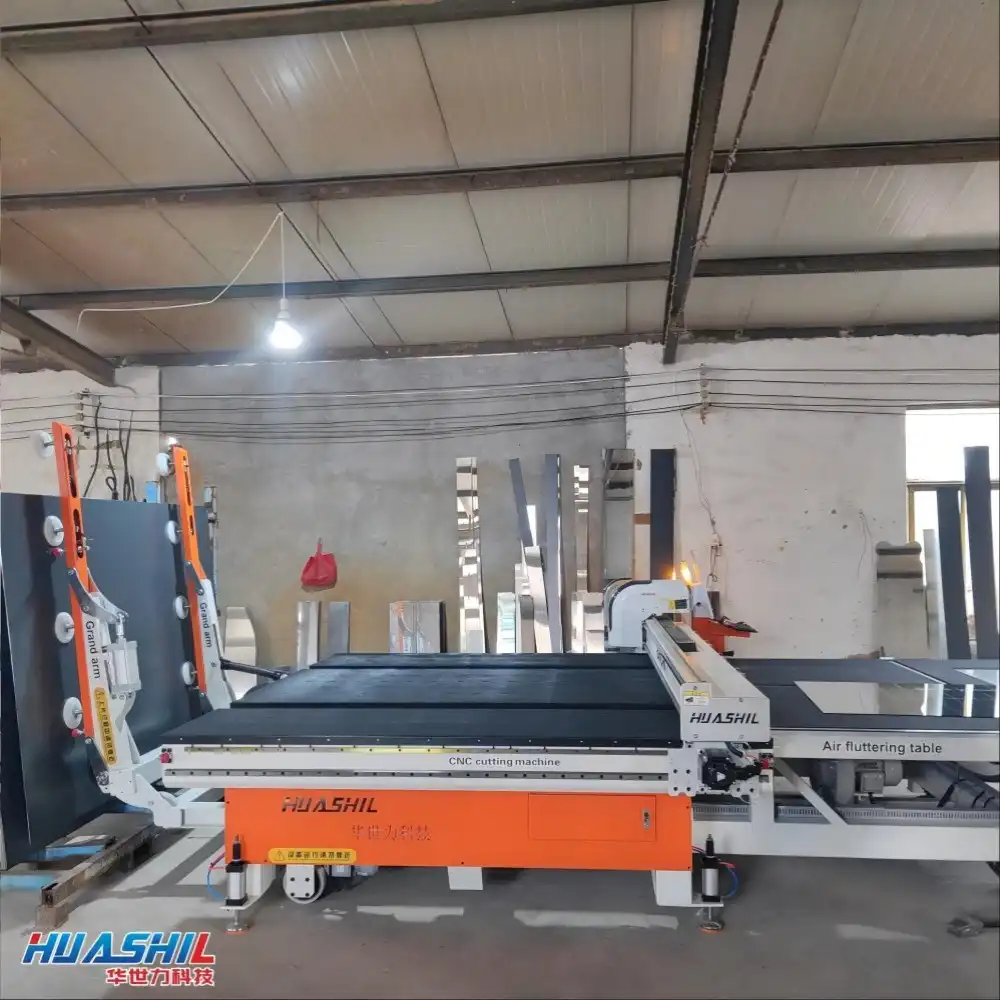
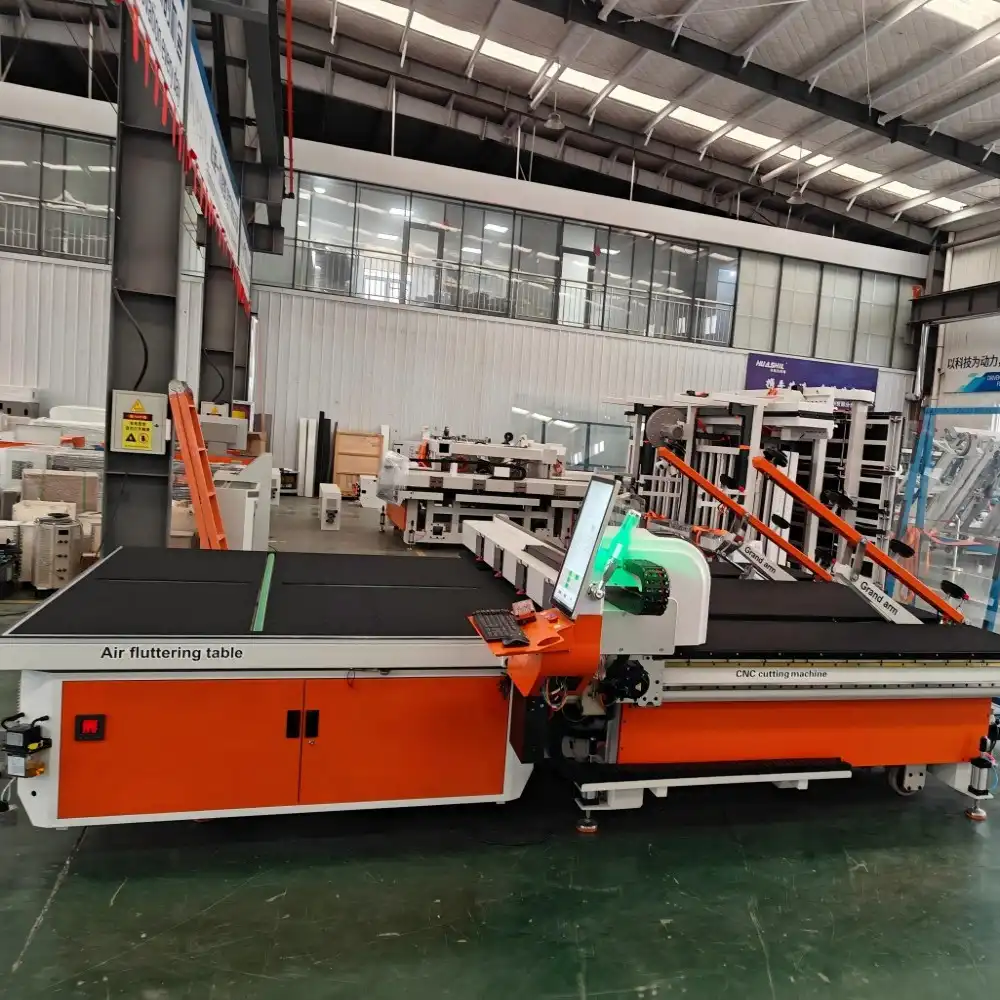
HUASHIL HSL-CNC2716 Automated System Specifications:
- Maximum cutting size: 2700×1600mm
- Glass cutting thickness range: 3-18mm
- Control system: EOS-CNC advanced platform
- Automatic pressure control with real-time adjustment
- Automatic edge finding for precise positioning
- Air flotation system for smooth material handling
Automatic stone cutting machine, stone cutting machines incorporate sophisticated control systems managing multiple operational parameters simultaneously. Servo motors provide precise positioning while sensors monitor cutting conditions continuously.
Stone cutting software enables complex pattern programming and nesting optimization. Operators can import CAD files directly, eliminating manual measurement and marking procedures.
Manual cutting systems rely on operator skills for parameter adjustment. Cutting speed, pressure, and blade selection require constant human monitoring and modification.
Sintered stone and ceramic slab cutting applications benefit from automated systems' consistent pressure control. These materials demand precise handling to prevent chipping and cracking during processing.
If you process diverse materials requiring different cutting parameters, automated systems provide superior adaptability. If you work primarily with standard materials and simple cuts, manual systems deliver adequate performance.
Maintenance Requirements and Operational Considerations
Maintenance protocols significantly impact equipment reliability and operational costs. Preventive maintenance strategies determine system longevity and performance consistency.
Maintenance Comparison Overview:
- Automated Systems: Scheduled maintenance every 200 operating hours
- Manual Systems: Basic maintenance every 100 operating hours
- Spare Parts: Higher complexity but standardized components
- Technical Support: Requires specialized training and expertise
Stone cutting efficiency depends on proper blade maintenance and replacement schedules. Automated systems monitor blade wear automatically, alerting operators when replacement becomes necessary.
Preventive maintenance for automated stone cutting equipment includes lubrication, calibration, and software updates. These procedures require technical training but prevent costly downtime incidents.
Manual system maintenance focuses on basic tool care and blade replacement. Operators can perform most maintenance tasks without specialized technical knowledge.
After-sales support availability varies significantly between system types. Automatic stone cutting machine equipment manufacturers typically provide comprehensive training and technical assistance programs.
If you have technical staff capable of maintaining complex equipment, automated systems offer reliable long-term operation. If you prefer simple maintenance procedures, manual systems provide straightforward upkeep requirements.
Making the Right Choice for Your Business
Strategic equipment selection aligns with business objectives, production requirements, and financial capabilities. Multiple factors influence the optimal choice between automated and manual stone cutting solutions.
Decision Framework Considerations:
- Annual production volume requirements
- Quality standards and tolerance specifications
- Available capital and financing options
- Technical expertise and training capabilities
- Future growth plans and expansion strategies
The choice of stone processing machines affects how you place yourself in the market and your ability to make sales. With automated systems, anyone can work on projects that need a lot of accuracy and volume.
Market trends point to more automation being used in all production sectors. Companies that invest early in automated stone cutting technology will be better prepared for future possibilities.
Operational flexibility is provided by hybrid methods that combine automated and manual tasks. For different project needs, some manufacturers keep both types of systems in stock.
Different types of systems have very different training needs. Automatic stone cutting machine equipment needs people with technical training, while human systems need people with traditional craft skills.
Automated systems are important for scalability if you want to grow quickly and enter new markets. Manual methods are good if you need to keep operations stable and focused on a specific task.
Conclusion
In the end, your operational needs, output volume, and growth goals will determine whether you should use an automatic or manual stone cutting machine. Automated systems work best in high-volume settings that need regular quality and precision, while manual systems are better for specialized tasks and require less investment. The best equipment is chosen after a careful look at output goals, budget, and technical resources. HUASHIL's high-tech robotic solutions have been shown to increase productivity and give businesses that process stones a competitive edge in today's tough markets.
Ready to Upgrade Your Stone Cutting Operations with HUASHIL?
HUASHIL delivers cutting-edge automation solutions tailored to modern stone processing demands. Our HSL-CNC2716 automatic stone cutting machine combines precision engineering with reliable performance, helping manufacturers achieve exceptional productivity gains. As a trusted automatic stone cutting machine manufacturer, we provide comprehensive support, including installation, training, and ongoing technical assistance. Contact us at salescathy@sdhuashil.com to discuss your specific requirements and discover how our automated solutions can transform your production capabilities.
References
1. Stone Industry Manufacturing Association. "Automation Trends in Stone Processing Equipment: 2023 Industry Report." Manufacturing Technology Quarterly, Vol. 45, Issue 3, 2023.
2. Chen, Li-Wei, et al. "Comparative Analysis of Precision Cutting Technologies for Natural and Engineered Stone Materials." Journal of Manufacturing Science and Engineering, Vol. 142, No. 8, 2023.
3. International Stone Processing Technology Council. "Cost-Benefit Analysis of Automated vs Manual Stone Cutting Systems in Industrial Applications." Industrial Equipment Review, 2023.
4. Rodriguez, Maria and Thompson, James. "Quality Control Standards in Modern Stone Fabrication: Equipment Selection Guidelines." Stone Processing Technology Magazine, Vol. 28, Issue 4, 2023.
5. European Stone Machinery Manufacturers Association. "Technical Specifications and Performance Benchmarks for Stone Cutting Equipment." Manufacturing Standards Bulletin, Issue 156, 2023.
6. Zhang, Xiaoming, et al. "Maintenance Protocols and Operational Efficiency in Automated Stone Processing Lines." International Journal of Manufacturing Technology, Vol. 89, No. 12, 2023.
