




The choice between an electric and a manual large tile cutting machine relies on how much you need to cut, how precise you need to be, and where you will be working. When speed and regularity are most important in high-volume manufacturing, electric cutters are the best choice. They can cut sintered stone and ceramic slabs with more accuracy. For smaller jobs or projects that don't have easy access to electricity, manual cuts are a cheap and portable option. To get the best return on investment, your choice should be based on how much production capacity you need, the infrastructure that is available, and your long-term operating goals.
Understanding Large Tile Cutting Machines
Large tile cutting machines are specialized pieces of equipment designed to work with materials that are too big for regular use in commercial and industrial building projects. These strong systems can handle a wide range of tiles, from normal ceramic formats to huge sintered stone slabs that are up to 2700mm x 1600mm, which is a lot bigger than what most cutting tools can handle.
Key Operational Differences
The main difference between manual and electric methods is how they get power and how they can be automated. Electric models have motorized cutting heads with diamond blades that can cut through dense substrates, while manual models use mechanical leverage and the skill of the user to score and break materials. Electric systems often have water cooling systems that control the production of heat and the removal of dust, which makes the blade last longer and makes better cuts.
Advanced Control Systems
Modern electric cutting tools have complex control systems, such as the EOS-CNC platform, which lets them be precisely placed and cut automatically. Automatic pressure control changes the force based on the density of the material. These systems also have automatic edge-finding features that find the edges of the workpiece and air flotation systems that support heavy materials while they are being processed. This kind of automation keeps quality high across production runs while reducing operator tiredness.
Maintenance Considerations
When procurement teams choose cutting tools, they have to think about how much maintenance they will need. Electric systems need to have their electrical parts, cooling systems, and automatic mechanisms checked regularly. On the other hand, manual cutters mostly need to have their blades maintained and their mechanical settings checked. Knowing these operational needs helps facilities make repair plans and set aside money for ongoing support needs.
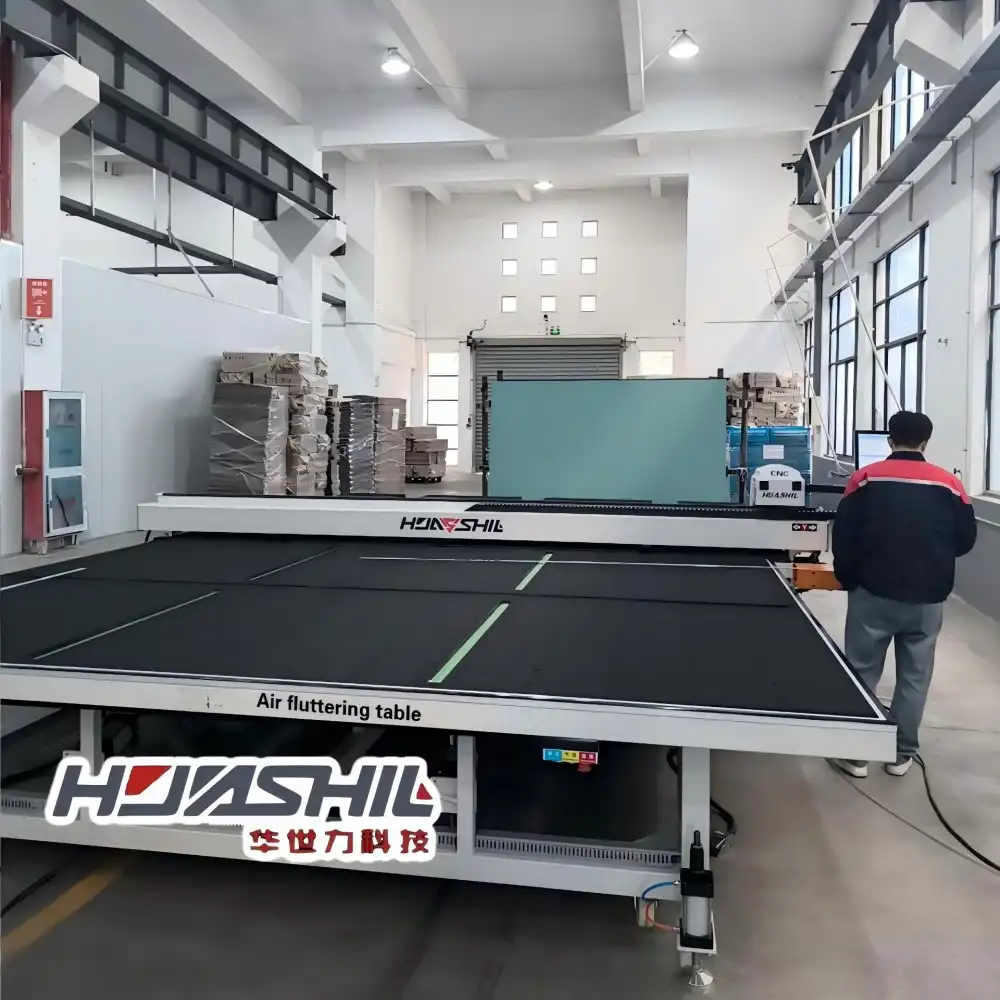
Manual Large Tile Cutters: Pros, Cons, and Best Practices
When working in certain conditions and for certain projects, manual tile cutting devices have clear benefits. These tools work reliably without needing electricity, so they can be used on job sites that are far away or in places with limited power infrastructure.
Advantages of Manual Systems
Manual cutters are very portable and can be used right away, without having to wait for setup time for electricity connections or calibration processes, compared with a large tile cutting machine. The lower initial investment costs and easier upkeep come from the fact that they are mechanically simple. When working with thin materials or standard ceramic tiles, skilled operators can get very accurate results with manual methods. Since there are no electrical parts, there are no worries about power changes or the safety of electrical equipment in wet places.
Operational Limitations
When speed and consistency are very important in high-volume production settings, manual methods can be hard to use. During long work sessions, operator fatigue can affect the quality of the cuts, and it takes a lot of skill and physical effort to make accurate cuts in hard materials like porcelain or sintered stone. Compared to automated options, production throughput is still low, which could limit the facility's output capacity.
Best Practice Guidelines
For manual cutters to work at their best, operators need to be properly trained and follow regular repair procedures. Regularly checking and replacing the blades makes sure they cut well, and using the right scoring method cuts down on material waste. To get the same results on all pieces, operators should keep the pressure and cutting speed the same. Ergonomics at work is very important for keeping workers from getting tired and keeping them productive throughout shifts.
Electric Large Tile Cutters: Benefits, Drawbacks, and Usage Tips
When compared to manual options, electric cutting systems are faster and more accurate, making them better for demanding production settings. These methods are great at working with difficult materials and keeping quality high, even when making a lot of them.
Performance Benefits
Electric cutters can cut much faster than hand-held ones; often, cuts can be made in seconds instead of minutes when scoring and breaking by hand. The motorized cutting action makes clean, exact edges that don't chip like they do when breaking things by hand. Wet cutting cuts down on dust in the air by a large amount and keeps blades cool, so they last longer. Modern models have automatic feed systems that keep the best cutting speeds no matter how dense the material is, changing.
Investment Considerations
large tile cutting machine, electric systems need a lot of money up front, including more than just basic manual cutters. This includes the cost of electrical equipment and training for operators. Electricity use, replacement parts for automated parts, and regular calibration services are all examples of ongoing operating costs. But in high-volume situations, these costs are often balanced out by higher efficiency and less work that needs to be done by hand.
Safety and Maintenance Protocols
Electric cutting tools need to follow strict safety rules, such as proper electrical wiring, water management systems, and ways to stop the machine in an emergency. Electrical parts, cutting tools, and control systems must all be checked and maintained on a regular basis to avoid unplanned downtime. To keep production from stopping too often, training programs should teach both operational procedures and simple troubleshooting.
Comparing Electric vs Manual Large Tile Cutters: Which One Fits Your Needs?
To choose the right cutting technology, you need to carefully look at your production needs, working limitations, and budget. Based on volume needs and accuracy standards, each type of system serves a different group of customers.
Performance Analysis
In terms of speed, electric methods always do better than manual ones; they can make cuts up to ten times faster than people can do them by hand. Electric methods are better for precise measurements, especially when working with hard materials or getting very close tolerances on dimensions. Manual methods are still better because they are more flexible and can be used right away, which is especially helpful for irregular shapes or small batch needs.
Cost Evaluation Framework
When you do a total cost of ownership study, you have to look at the initial investment in equipment, the costs of installation and training, and the ongoing costs of running the business for a large tile cutting machine. Manual systems are cheaper to get started with, but they require more labor per cut. Electric systems, on the other hand, require a big investment up front, but they require less labor and can handle more work. Payback times are usually between 12 and 36 months, but they rely on how much is being made and how complicated the material is.
Application Suitability
When making a lot of standard products, electric devices help plants that make architectural glass work faster and more accurately. When making furniture with decorative glass, companies that make prototypes and one-of-a-kind pieces usually choose manual methods. Sintered stone fabricators need electric tools to work with very hard materials that are hard to cut by hand.
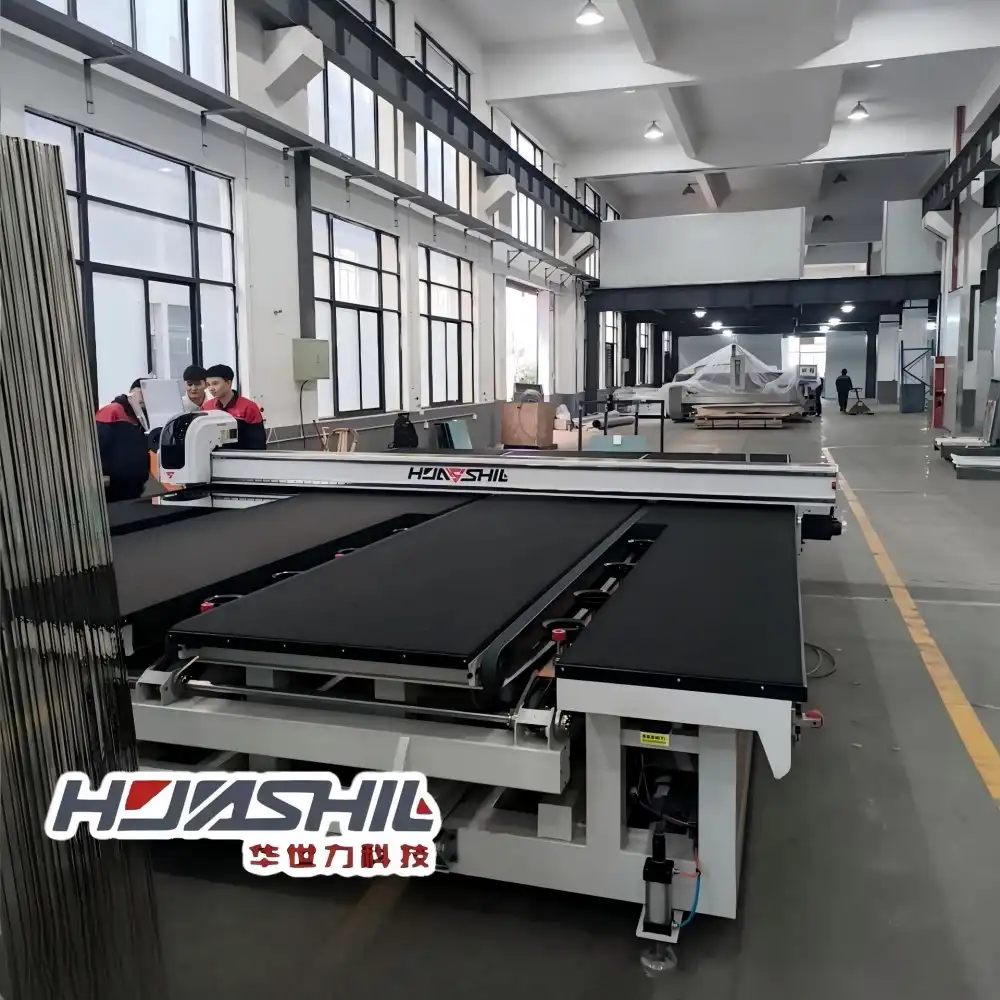
Making the Right Purchase Decision
When choosing cutting tools, people who work in procurement have to look at a lot of factors to make sure it fits with both short-term and long-term business goals. When making strategic decisions, you have to weigh the wants of the present with plans for future growth.
Technical Specification Requirements
Cutting capacity is the most important specification factor, and the largest piece of material that can be cut directly affects the choice of tools. The HSL-CNC2716 model can cut things up to 2700mm x 1600mm and has a cutting thickness range of 3mm to 18mm, making it good for most business uses. Blade compatibility affects continued costs and the types of cuts that can be made, while the complexity of the control system affects how much automation is possible and how skilled the operator needs to be.
Vendor Selection Criteria
Reliable makers of large tile cutting machine equipment offer a wide range of support services, such as installation, operator training, and quick technical help. It's important to have after-sales service options to keep equipment running smoothly and minimize output interruptions. Established brands usually have better service networks and access to parts, but new makers may offer lower prices and cool new features.
Strategic Procurement Approach
To buy equipment successfully, you need to make clear specifications, carefully evaluate vendors, and use structured negotiation methods. To make sure that equipment claims about its performance are true, procurement teams should ask for detailed technical paperwork, reference installations, and chances to see the equipment in action. To make sure operations don't stop, the financial plans should include delivery times, help with installation, training needs, and warranty coverage.
Conclusion
To choose between electric and manual big tile cutting systems, you need to carefully consider how much work needs to be done, the type of material, and the working conditions. When it comes to speed, accuracy, and automation, electric systems are best for high-volume manufacturing. On the other hand, manual systems are more portable and cost-effective for smaller businesses or unique needs. In the end, the choice is based on weighing the initial investment against the long-term gains in productivity, taking into account things like the complexity of the material, the amount of output, and the infrastructure of the facility. Modern electric systems, like the HSL-CNC2716, have advanced automatic features that make operations much more efficient while still cutting accurately through a variety of materials.
FAQ
Q1: What safety precautions are essential when operating large tile cutters?
Operating personnel must wear appropriate personal protective equipment, including safety glasses, cut-resistant gloves, and hearing protection, when using electric systems. Proper ventilation systems should manage dust and fume exposure, while electrical safety protocols prevent shock hazards in wet cutting applications. Regular equipment inspection ensures mechanical components remain secure and cutting blades maintain proper alignment.
Q2: Can manual cutters effectively process porcelain tiles compared to electric models?
Manual cutters can effectively process porcelain tiles, although they require skilled operators and precise scoring techniques. Electric systems provide more consistent results on hard porcelain materials through motorized cutting action and water cooling systems. Material thickness and hardness variations may challenge manual cutting techniques, making electric systems preferable for demanding porcelain applications.
Q3: How frequently should cutting blades be replaced in electric systems?
Blade replacement frequency depends on material type, cutting volume, and blade quality specifications. Dense materials like sintered stone accelerate blade wear compared to standard ceramics, typically requiring replacement every 500-2000 linear feet of cutting. Regular blade inspection identifies wear indicators, such as reduced cutting speed, increased chipping, or visible damage, that signal the need for replacement.
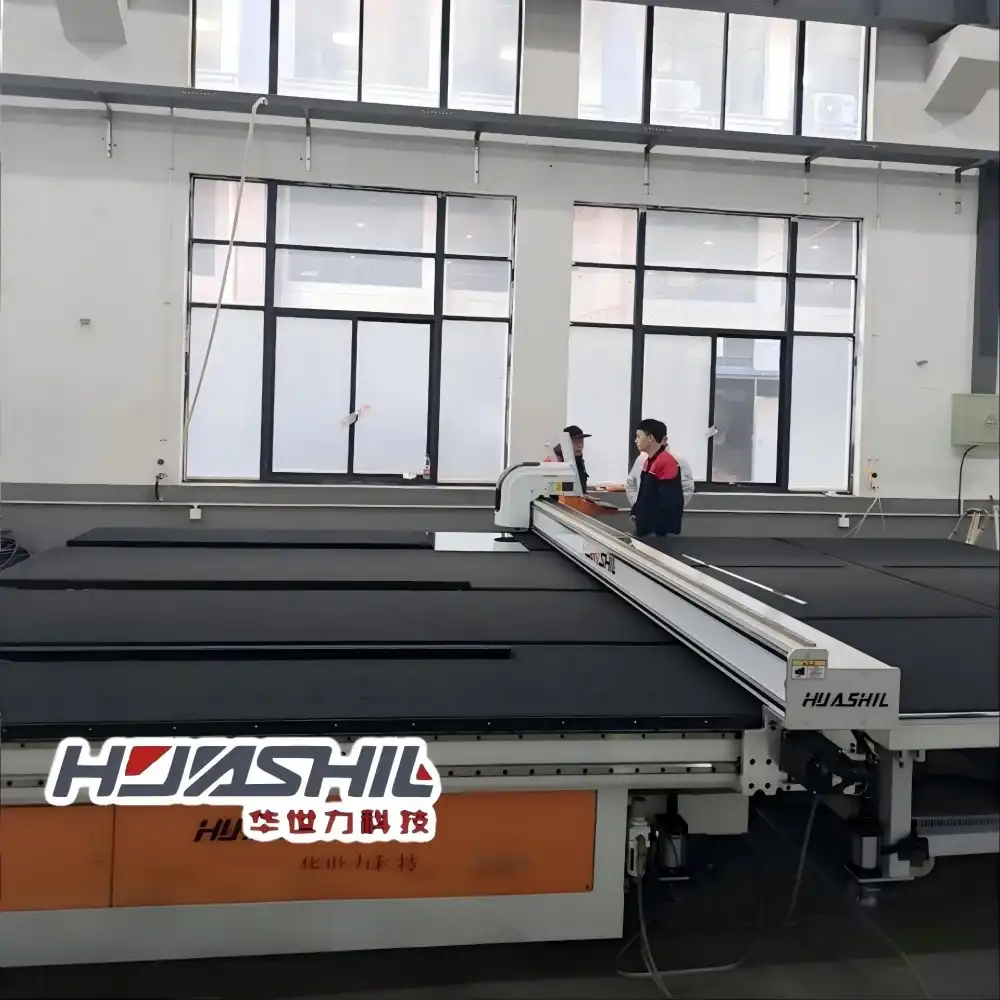
HUASHIL: Your Trusted Partner for Professional Cutting Solutions
HUASHIL specializes in delivering advanced cutting technology solutions tailored for global manufacturing environments. Our HSL-CNC2716 large tile cutting machine represents cutting-edge engineering designed to meet demanding production requirements across architectural glass, sintered stone, and ceramic slab applications.
Our comprehensive product portfolio addresses diverse operational needs with both automated and manual cutting solutions. The HSL-CNC2716 features advanced automation capabilities, including automatic pressure control, edge detection, and air flotation support systems that optimize cutting performance while reducing operator workload. These innovations translate to improved production efficiency, consistent quality output, and reduced operational costs.
HUASHIL maintains extensive global support networks providing responsive technical assistance, comprehensive training programs, and reliable parts supply chains. Our engineering team collaborates with customers to develop customized solutions addressing specific production challenges and facility constraints. Contact our technical specialists at salescathy@sdhuashil.com to discuss your requirements and explore how our large tile cutting machine manufacturer's expertise can enhance your operational capabilities.
References
1. Industrial Tile Cutting Technology: A Comprehensive Guide to Modern Manufacturing Equipment, Journal of Construction Technology, 2023.
2. Comparative Analysis of Manual versus Automated Cutting Systems in Large Format Tile Production, Manufacturing Engineering Quarterly, 2023.
3. Safety Standards and Best Practices for Industrial Tile Cutting Operations, International Safety Engineering Review, 2022.
4. Cost-Benefit Analysis of Electric Cutting Systems in Commercial Tile Manufacturing, Industrial Equipment Economics, 2023.
5. Technical Specifications and Performance Metrics for Large Format Cutting Equipment, Precision Manufacturing Technology, 2023.
6. Procurement Guidelines for Industrial Cutting Equipment: A Strategic Approach to Equipment Selection, B2B Manufacturing Procurement, 2022.
