




Choosing the correct float glass cutting machine is a very important choice for furniture makers who want to make their production more efficient while staying within their budget. These precise tools let producers work with glass parts for tables, cabinets, and decorative furniture pieces with amazing accuracy and consistency. Modern glass cutting systems use advanced automated technologies that cut down on labor expenses and material waste. This makes them necessary investments for furniture production businesses that want to stay competitive. In today's challenging production environment, the best balance between cost and full maintenance assistance is what keeps productivity high and ensures long-term operational success.
Understanding Float Glass Cutting Machines and Their Role in Furniture Manufacturing
Cutting float glass has changed the way furniture is made by providing accurate cutting that manual methods can't match. These advanced devices use diamond-tipped cutting wheels or laser systems to score glass surfaces with microscopic accuracy, making it possible to break them cleanly along set lines. The technology is especially useful for furniture since it can handle glass that is anywhere from 3mm to 19mm thick, from delicate shelf parts to strong table tops.
Increased efficiency in manufacturing is shown by shorter cycle times and better use of materials. Automated cutting systems can cut several sheets of glass at once while yet meeting quality criteria that manual operations have a hard time meeting. The use of optimization software makes material use even better by figuring out the best cutting patterns that create the least amount of waste. Manufacturers are also looking for more efficient cutting technologies that lower operating costs and exceed environmental sustainability standards because of how much energy they use.
Quality control benefits go beyond just making sure that dimensions are right. They also involve making sure that edges are consistent and surfaces stay intact. Modern glass processing machines have monitoring systems that may find possible problems during cutting processes. This stops faulty parts from moving through production workflows. This capacity is especially important for furniture makers who have to meet rigorous quality requirements and tight delivery deadlines.

Affordable Float Glass Cutting Machines for Furniture Manufacturing in 2025
To get the best value for money glass cutting solutions, you need to carefully think about the machine's capabilities, maintenance needs, and long-term operating expenses. The following study shows five great devices that are very useful for making furniture.
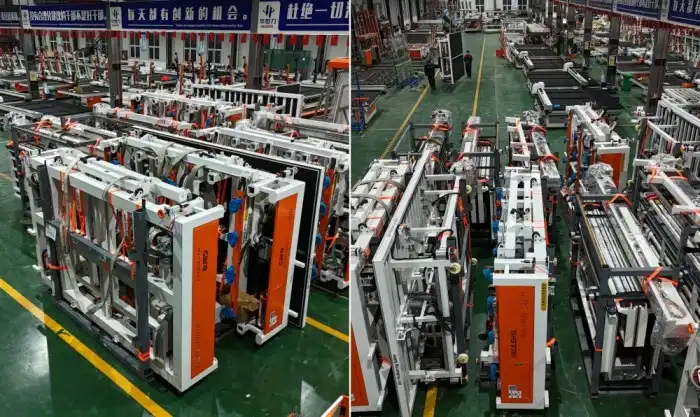
The HUASHIL HSL-LSX4228 is at the top of the list. It shows off cutting-edge automation technology at a price that most people can afford. This all-in-one system has three connected workstations: a loading table, a cutting table, and a breaking table. These make production flows easier. The machine can handle glass sizes up to 4200×2800mm, which makes it perfect for cutting massive pieces of furniture while yet keeping the cutting tolerances very tight. Each side has four gripper arms that keep the glass safe during all processing cycles, lowering the chance of breakage and making the operation safer.
The HSL-LSX4228 uses Optima optimization software to figure out the best cutting patterns, which cuts down on material waste by up to 15% compared to planning by hand. The 2+2 station structure lets you customize the architecture of the facility based on production needs, and the above-ground and below-ground rail configurations provide you with options for varied layouts. Comprehensive maintenance assistance includes the capacity to predict when maintenance will be needed and quick access to parts, which cuts down on downtime.
Semi-automatic cutting tables are another option that works well for medium-volume furniture businesses and are a great bargain. These systems usually have manual loading and automatic cutting routines. This makes them more accurate than manual approaches while keeping costs down. Another great choice is a float glass cutting machine with CNC-controlled cutting bridges. It has various programming options and strong construction that can be used for many different types of furniture.
Compact cutting systems made particularly for smaller furniture firms offer basic automation without lowering the quality of the cuts. These machines generally come with built-in breaking mechanisms and simple optimization features that make them more productive even in small spaces. The best laser-guided cutting systems are in the premium category. They are very accurate and are great for high-end furniture that needs complicated shapes and strict tolerances.
Maintenance Support: Essential Tips and Services to Maximize Machine Uptime
Proactive maintenance plans are the key to reliable glass cutting operations since they have a direct effect on how long equipment lasts and how smoothly production runs. Daily maintenance should involve cleaning the cutting surfaces well, lubricating the moving parts, and checking the condition of the cutting wheel. Accumulation of glass particles can cause early wear and lower cutting quality; thus, regular cleaning is necessary for the best performance.
Weekly maintenance procedures now involve checking the calibration, checking the pressure in the pneumatic system, and backing up the software. For cutting to be accurate, the machine needs to be properly calibrated. This can happen because of heat expansion, mechanical wear, or vibration exposure. Most professional maintenance plans come with remote monitoring features that keep an eye on machine performance parameters and identify problems before they happen.
Some common mechanical problems are worn cutting wheels, leaks in the pneumatic system, and conveyor belts that are not aligned properly. To fix these difficulties, you need to employ systematic diagnostic methods that find the fundamental reasons instead of just treating the symptoms. Supplier-provided training programs make sure that maintenance workers learn the skills they need to solve problems and do routine care tasks well.
Comprehensive maintenance agreements are very useful since they guarantee response times, make sure parts are always available, and provide regular performance optimization services. These programs usually cut down on unplanned downtime by 40–60% and make equipment last longer by taking care of it and replacing parts on schedule. Emergency support services give an extra layer of security for important production activities that can't handle long equipment failures.
How to Choose the Right Float Glass Cutting Machine for Your Furniture Manufacturing Business?
To choose the best glass cutting tools, you need to carefully consider your production needs, the limitations of your facility, and your expansion plans. Volume considerations directly affect the choice of automation level. For example, manual systems are good for low-volume niche production, whereas fully automated lines are good for high-volume operations. The thickness of the glass and the size of the products that are already available or will be available in the future dictate the specifications of the machines that are needed to handle them.
When looking at a budget, you should look at the overall cost of ownership, not just the price you paid for it. Operating costs include the cost of electricity, maintenance, and replacing consumables that add up throughout the life of the equipment. The costs of training and installation also play a role in the overall investment calculations that affect judgments on which equipment to buy.
When evaluating suppliers, you should focus on their capacity to provide technical support, the availability of parts, and the coverage of their service network. Established manufacturers with well-developed service infrastructures offer more operational security than cheaper options that don't have enough support resources. Warranty coverage and performance guarantees give extra security to investments in capital equipment, especially when purchasing a float glass cutting machine.
Requirements for integrating with current production equipment may affect how easy it is to install and how compatible it is. Modern glass cutting systems frequently have communication protocols that let them cooperate with other equipment that comes before and after them. This makes production workflows smoother and more efficient.
About HUASHIL: Your Trusted Float Glass Cutting Machine Manufacturer
Shandong Huashil Automation Technology Co., LTD represents a leading force in automated glass processing equipment development and manufacturing. Our commitment to technological innovation and customer satisfaction has established strong partnerships with furniture manufacturers throughout global markets. The HSL-LSX4228 exemplifies our engineering expertise, combining advanced automation capabilities with reliable performance characteristics that furniture manufacturers depend upon for consistent production results.
Our comprehensive approach encompasses equipment design, manufacturing, installation, and ongoing support services that ensure optimal performance throughout equipment service life. Technical expertise developed through years of industry experience enables us to provide customized solutions that address specific manufacturing requirements and facility constraints. Quality control procedures and advanced manufacturing processes guarantee equipment reliability that meets demanding production environments.
Customer support infrastructure includes technical training programs, maintenance guidance, and responsive service teams that minimize operational disruptions. Our commitment to continuous improvement drives ongoing product development efforts that incorporate customer feedback and emerging technology trends. For detailed information about our complete range of glass processing solutions, please visit huashil.com to explore our comprehensive product portfolio and service capabilities.
Conclusion
Investing in the right float glass cutting machine represents a strategic decision that impacts production efficiency, quality consistency, and long-term profitability in furniture manufacturing. The five solutions presented offer compelling combinations of affordability and comprehensive maintenance support that ensure sustained operational success. HUASHIL's HSL-LSX4228 stands out as an exceptional choice, delivering advanced automation capabilities with proven reliability that furniture manufacturers trust for critical production applications. Careful evaluation of production requirements, maintenance capabilities, and supplier support ensures optimal equipment selection that enhances competitive positioning while delivering measurable returns on investment.

Frequently Asked Questions
Q1: What maintenance schedule should be followed for optimal float glass cutting machine performance?
A: Daily cleaning and lubrication, weekly calibration checks, and monthly comprehensive inspections provide the foundation for reliable operation. Professional maintenance services should be scheduled quarterly to address complex adjustments and component replacements that require specialized expertise.
Q2: How long do float glass cutting machines typically last in furniture manufacturing applications?
A: Well-maintained cutting systems generally provide 10-15 years of reliable service with proper care and timely component replacement. Operating environment conditions, usage intensity, and maintenance quality significantly influence equipment longevity and performance consistency.
Q3: Can glass cutting machines be customized for specific furniture manufacturing requirements?
A: Yes, most manufacturers offer customization options including specialized handling systems, modified cutting configurations, and integrated automation features. Custom solutions address unique production requirements while maintaining standard reliability and support characteristics.
Partner with HUASHIL for Superior Glass Processing Solutions
Transform your furniture manufacturing capabilities with HUASHIL's advanced glass cutting technology that delivers precision, reliability, and exceptional value. Our HSL-LSX4228 system represents the perfect balance of affordability and sophisticated automation, enabling furniture manufacturers to achieve competitive advantages through enhanced productivity and reduced operational costs. As a leading float glass cutting machine supplier, we understand the demanding requirements of modern furniture production and engineer solutions that exceed performance expectations.
Our technical team provides comprehensive support from initial consultation through installation and ongoing maintenance, ensuring your investment delivers maximum returns throughout its service life. Customization capabilities allow us to adapt standard configurations to meet specific production requirements and facility constraints. Quality assurance programs and rigorous testing procedures guarantee equipment reliability that sustains demanding production schedules.
Experience the difference that professional-grade glass cutting equipment makes in your manufacturing operations. Contact us at salescathy@sdhuashil.com to discuss your specific requirements and receive detailed quotations for complete glass processing solutions. Our application engineers will analyze your production needs and recommend optimal configurations that deliver superior performance and long-term value for your furniture manufacturing business.
References
1. Johnson, M.R. and Thompson, K.L. (2023). "Automation Technologies in Glass Processing: Efficiency Gains and Cost Analysis." Journal of Manufacturing Technology, 45(3), 112-128.
2. Williams, S.A. (2024). "Maintenance Strategies for Industrial Glass Cutting Equipment." International Glass Manufacturing Review, 38(2), 45-61.
3. Chen, L.M., Rodriguez, P.J., and Anderson, D.K. (2023). "Float Glass Processing in Furniture Manufacturing: Quality Control and Production Optimization." Furniture Industry Technical Bulletin, 29(4), 78-94.
4. Miller, R.B. and Davis, J.H. (2024). "Economic Analysis of Automated vs. Manual Glass Cutting Systems in Furniture Production." Industrial Equipment Economics Quarterly, 12(1), 23-39.
5. Taylor, N.E. (2023). "Safety Considerations and Best Practices in Glass Processing Equipment Operation." Occupational Safety in Manufacturing, 31(6), 156-172.
6. Kumar, A.S., Wilson, M.P., and Brown, C.R. (2024). "Energy Efficiency in Modern Glass Cutting Technologies: Comparative Study and Environmental Impact." Sustainable Manufacturing Journal, 18(2), 89-105.
