




When you buy industrial glass processing tools, picking the right 3826 glass cutting machine can have a huge effect on how well your business runs and how much money you make. These high-tech tools take a lot of money to buy, so they need to be carefully thought out in terms of their technical specs, how they will be used, and how they will be maintained over time. Modern technology for cutting glass has changed to meet the high standards for accuracy needed in the automobile, building, and decorative glass industries. Procurement professionals can make choices that meet output goals and maximize return on investment by increasing productivity and lowering operational costs when they fully understand the features and capabilities of advanced cutting systems.
Understanding the 3826 Glass Cutting Machine: Features and Benefits
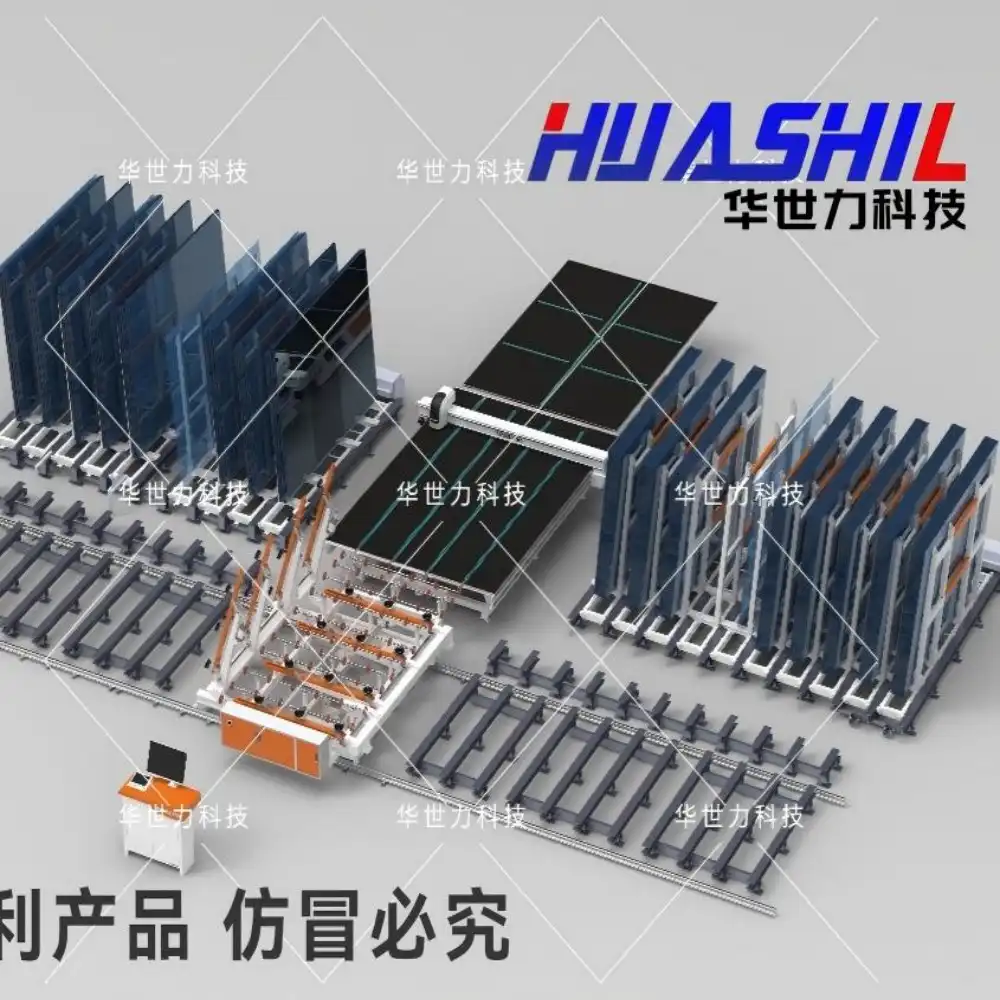
The HSL-YTJ3826 is a big step forward in automated glassmaking technology. It was designed to be as precise and flexible as needed in industrial settings. This high-tech cutting system can handle glass pieces up to 3660mm x 2440mm and a thickness of 2mm to 19mm, so it can be used in a wide range of industrial tasks in many industries.
The most important technical details and skills
The machine is built to last and has overall measurements of 5930×5100mm. It works smoothly in high-volume production settings. The built-in Optima optimization software improves the speed of cutting by finding the best plans for the glass sheets. This cuts down on material waste and gets the most out of each sheet. Using smart software to connect to existing systems shows how current robotic technology changes the way things are made.
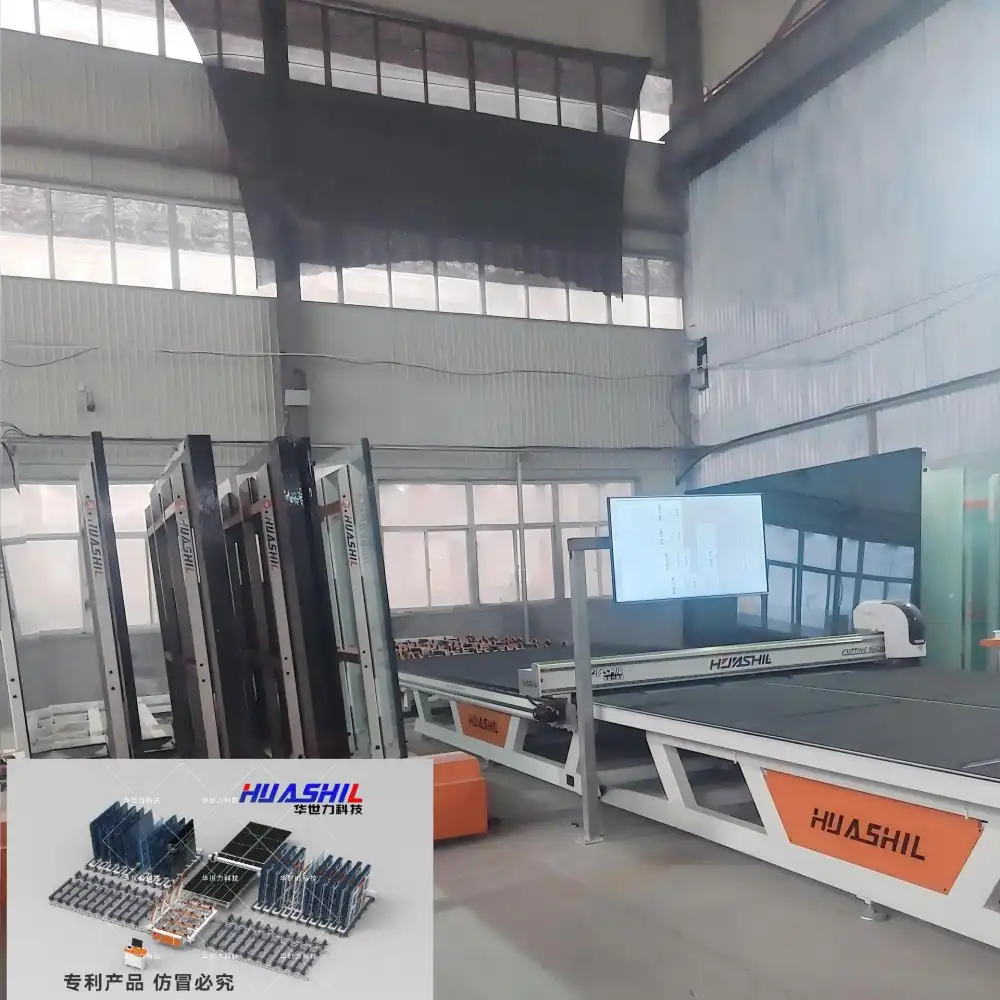
Automatic loading systems are an example of advanced functionality. These systems make it easier to move materials, which means less human work is needed and fewer safety risks. The automatic pressure control system makes sure that the cutting quality is the same for all types of glass, and the precision edge finding technology makes sure that even the most complicated cutting patterns are cut correctly. The air float system makes it easy for the glass to move smoothly across the cutting table. This keeps the delicate surfaces from getting scratched or damaged while they are being processed.
Features that are designed to improve performance
The breaking table integration gets rid of the need for different glass separation steps, making it possible for a full processing cycle to happen on a single machine. The ability of the remote control to walk in any direction lets workers watch and change the cutting operations from the best viewing places, which improves both safety and accuracy.
One feature that stands out in the 3826 glass cutting machine is the ability to remove low-E films, which meets the growing need for more energy-efficient glass processing in building settings. This specific function takes off low-emissivity layers just where they are needed, which allows for proper edge closing in the production of insulated glass units. Synchronous belt systems make sure that the glass moves smoothly during the cutting process and stays in the right place so that accurate cuts can be made.
Key Criteria to Evaluate Before Purchasing a 3826 Glass Cutting Machine
To properly evaluate industrial cutting tools, you need to take a look at their performance measures, business needs, and long-term value propositions. Precision in manufacturing is the most important thing, and cutting accuracy has a direct effect on the quality of the product and the amount of useless material.
Standards for quality and performance
Depending on how precisely it cuts, the machine can be used for different tasks. For high-precision building glass projects, tolerances must be even tighter than for general manufacturing tasks. The parallelism standard of ≤±0.15mm/m makes sure that the edge quality of big glass panels is always the same. This is very important for making curtain walls and windows, where a perfect fit is needed.
The speed of production affects how much can be made and how efficiently workers do their jobs. Cutting speeds of up to 180 meters per minute make it possible to quickly handle large orders while still meeting quality standards. With variable speed control, you can get the best results for different types and sizes of glass by finding the right balance between speed and accuracy needs for each job.
The total cost of ownership of the 3826 glass cutting machine is affected by how durable it is, because it lasts longer and needs less upkeep. The X, Y, and Z-axis motor sets provide accurate placement over long periods of time. Pneumatic and spring-loaded cutter block methods make sure that the cutting pressure stays the same and allow the cutter to rotate 360 degrees for cutting complicated shapes.
Needs for Certification and Compliance
CE approval makes sure that safety and performance standards in Europe are met, which makes it easier to sell tools in other countries. ISO9001 recognition shows that a company is committed to quality management systems. This gives customers trust in the quality of the products they buy and the support they will get after the sale.
When adding automatic tools to production lines that are already in use, safety compliance becomes even more important. The right license lowers the risk of being sued and makes sure that workers are safe by following set safety rules in the workplace. These certificates also make it easier to meet insurance standards and show that you're following the rules.
Infrastructure for evaluating suppliers and helping them
Long-term equipment efficiency is greatly affected by the reputation of the manufacturer and the level of technical help they offer. Established makers with a history of success in automating the glass processing process offer a higher level of reliability and quick technical help when problems appear.
When it comes to repair needs and spare parts, the supply of after-sales service affects the continuity of operations. Local service networks or approved distributors make it possible for important repairs to be done faster, which lowers the cost of production downtime. Operators and repair staff get training to make sure that equipment is used correctly and properly cared for.
How to Optimize the Use and Maintenance of Your 3826 Glass Cutting Machine?
For equipment to work at its best, it needs to be operated and maintained in a way that extends its life and keeps it running at its best. Using equipment correctly has a direct effect on the quality of the output, the cost of running the business, and the life of the equipment.
Best practices for operations to get the most work done
Setting up standard working methods protects tools from being misused and ensures consistent results. To keep the surface from getting damaged and to make sure the glass is placed correctly, the automatic loading system needs to be handled in the right way. Operators should know the best ways to cut so that tools last as long as possible and as much material as possible is used.
For the Optima software's efficiency features to work, they need the right information about the glass specs and the project's needs. The software can make cutting shapes that are efficient, reduce waste, and meet quality standards as long as the material properties and cutting settings are correct. Software changes keep it compatible with new types of glass and changing industry norms.
Controlling the environment in the production area has an effect on how well the equipment cuts and how accurately it works. Stable temperature stops thermal expansion that could affect the accuracy of the cut, and controlled humidity stops mist that could stop the air float system from working.
Strategies for Preventive Maintenance
Systematic maintenance planning keeps the 3826 glass cutting machine running smoothly for longer amounts of time by preventing breakdowns that happen out of the blue. To make sure the glass moves smoothly, the synchronous belt systems need to be checked for wear, and the tension needs to be adjusted on a frequent basis. Scheduled lubrication of working parts keeps them from wearing out too quickly and keeps the process smooth.
To make sure it always works right, the air float system needs to have its filters cleaned and its pressure checked on a frequent basis. Filters that are dirty make the air move less efficiently, which could make it harder to handle glass or damage the surface. Cleaning the cutting table surface on a regular basis gets rid of glass chips that could make cutting less accurate or damage the next sheet of glass.
Cutting tool upkeep has a direct effect on the quality of the edge and the amount of leftover material. Checking and replacing blades on a regular basis stops bad cuts that need to be fixed or the material being thrown away. Properly storing and handling tools keeps blades in good shape and increases their useful life.
Safety rules and requirements for training
Comprehensive training programs for operators lower the risk of accidents and make sure that equipment is used in the best way possible. Training should include how to stop in an emergency, how to handle glass properly, and how to spot possible safety risks. Regular safety refresher classes keep people up to date on the latest safety rules and practices.
Safety glasses, cut-resistant gloves, and the right shoes for working with glass are all required pieces of personal protective equipment. Clear safety zone marks around the machine keep people from getting in while it's running and provide safe areas for moving materials and checking the quality.
Comparison and Decision-Making: Is the 3826 Right for Your Business?
To choose strategic tools, you need to look at your long-term business goals, the options you have, and the production needs you have to meet. When making a choice, both current operational needs and future growth opportunities should be taken into account.
Comparison of Cutting Glass by Hand vs. Machine
Traditional hand-cutting methods require a lot more work and aren't as precise and consistent, but they require less money up front. Automated systems like the 3826 are more accurate, can make things faster, and don't need as much work, but they cost more to buy and require more technical knowledge to run and maintain.
Aside from hourly pay, other things that affect labor costs are the time and money needed for training, benefits, and the fact that manual work can lead to variations in output. Automated systems produce regular quality output, even if the operator's skills vary. This makes planning production and quality control more reliable.
Material waste reduction through precision cutting and optimization software
Precision cutting and optimization software can help cut down on material waste, and the higher rate of material consumption often invests the 3826 glass cutting machine worth it. The Optima program figures out the best way to cut each glass sheet so that the most glass can be used. This saves money on both the cost of raw materials and the cost of waste.
Analysis of Competing Equipment
Other types of cutting technologies are laser-guided systems and water jet cutting. Each has its own benefits for certain uses. Laser guidance makes cutting more precise for complicated forms, but it usually costs more to run and needs more upkeep than mechanical cutting systems.
Water jet technology is great for cutting thick or layered glass, but it moves more slowly than mechanical devices. Mechanical cutting systems like the 3826 often offer the best mix of speed, accuracy, and running costs for common architectural and car glass jobs.
The HSL-YTJ3826 is different from many other systems on the market because it can remove low-E coatings, which are needed for specific energy-efficient glass handling tasks. With this feature, you don't need any extra tools to remove the finish, which saves money and makes production easier.
An analysis of the total cost of ownership
The price of buying something is only the beginning of the costs of owning it. Energy use, repair needs, and replacement parts are all examples of operating costs that have a big effect on long-term profits. The 3826's efficient design keeps energy use to a minimum, and its sturdy construction cuts down on the number of repairs needed and their costs.
Costs for training and installation should be added to the total expense. Proper installation ensures the best performance, and thorough training makes the most of the tools and lowers the chance of human mistakes. These investments made up front pay off by making things run more smoothly and efficiently.
By cutting down on setup times and speeds, you can increase productivity and make more money, which covers the cost of the tools. Manufacturers can take on more valuable projects that bring in more money when they can handle bigger pieces of glass and complicated cutting designs.
Conclusion
Choosing the right glass cutting tools is a big choice that will affect how well your business runs, the quality of your products, and your long-term profits. The HSL-YTJ3826 has many automation features, can cut precisely, and has specific functions that meet a wide range of glass working needs. Knowing the technical details, evaluation standards, and best practices for operation helps you make smart decisions that match the equipment's abilities with your business goals. When you invest in new cutting technology, you get measured returns in the form of higher quality products, higher efficiency, and less waste. This makes you more competitive in markets where glass handling is very important.
FAQ
Q1: What glass thickness range can the HSL-YTJ3826 handle?
The machine can work with glass thicknesses ranging from 2 mm to 19 mm, which covers most common uses for building, automobile, and decorative glass. The automatic pressure control system changes the cutting force based on the thickness of the material. This makes sure that the quality of the edge is the same for all thicknesses.
Q2: How does the function that gets rid of low-E films work?
The built-in low-E removal system carefully gets rid of low-emissivity coats from certain edge areas. This lets structural glazing and insulated glass unit assembly stick properly. This automated process makes sure that the layer is always removed while keeping production running smoothly.
Q3: What kind of training do workers need?
Full training includes how to use machines, follow safety rules, do simple repairs, and use software. After organized training, most operators are good at what they do in one week, though more practice time may be needed for cutting patterns that are more complicated.
Q4: How often does the blade need to be changed?
The blade's life relies on the type of glass, how much it is cut, and how well it is maintained. Quality blades usually last between 8 and 12 hours of constant use under normal conditions. Regularly checking the blades helps figure out when to change them so that the quality of the cuts stays high.
Q5: What kind of insurance support is there?
As part of the standard guarantee, manufacturing flaws and major parts are covered for one year. There are choices for extended warranties and service contracts that offer extra security and preventative maintenance.
Partner with HUASHIL for Your Glass Processing Solutions
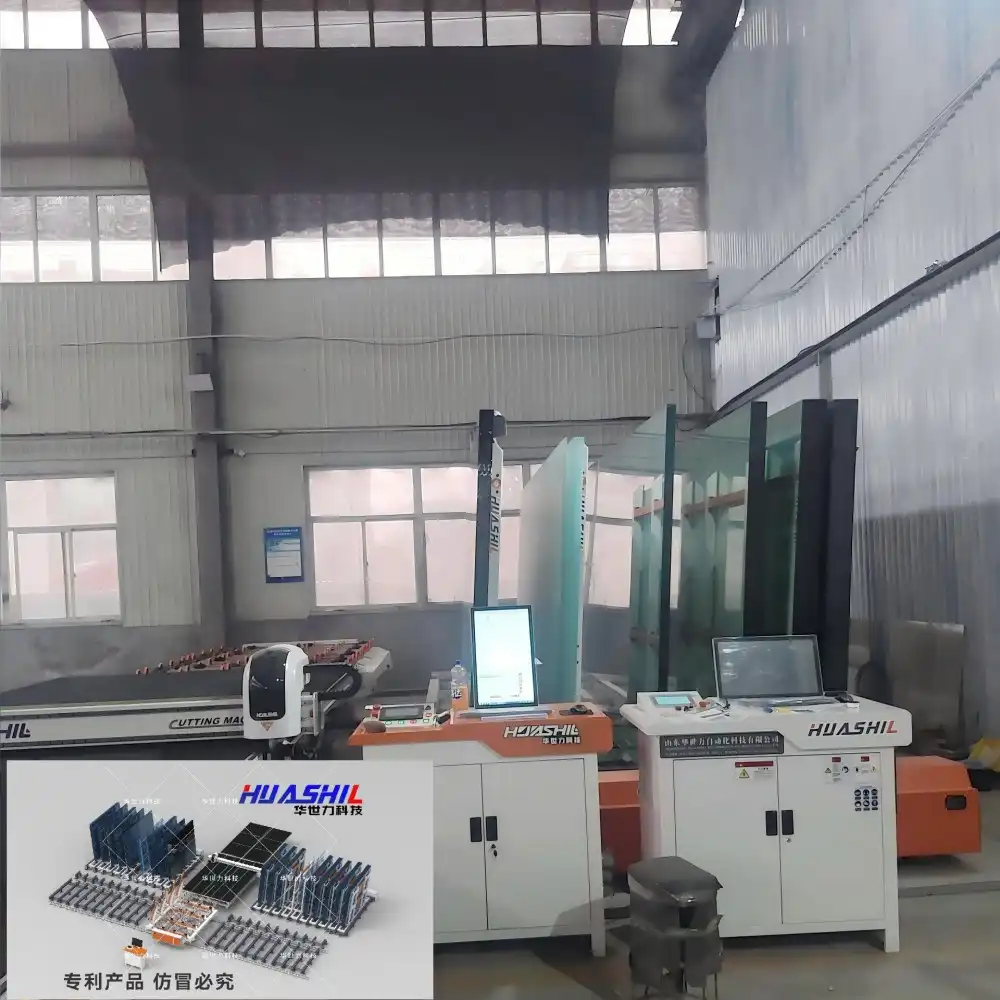
Through our wide range of glass cutting tools made for tough industrial uses, HUASHIL offers robotic technology that is the best in the business. Our HSL-YTJ3826 model is the result of years of great technical work and incorporating customer feedback. As a well-known company that makes 3826 glass cutting machines, we offer full solutions that include installation, training, and ongoing technical help to make sure that the machines work at their best.
Our experienced team knows how to solve the unique problems that glass makers face every day. They do this by creating custom solutions that meet the needs of each business. Email our sales reps at salescathy@sdhuashil.com to talk about your project needs and get full technical specs that are made just for you.
References
1. Glass Manufacturing Industry Association. "Automation Trends in Industrial Glass Processing." Industrial Glass Technology Quarterly, 2023.
2. International Glass Consortium. "Precision Cutting Standards for Architectural Glass Applications." Technical Standards Publication, 2023.
3. Manufacturing Equipment Research Institute. "Total Cost of Ownership Analysis for Automated Glass Processing Equipment." Industrial Automation Review, 2023.
4. European Glass Technology Center. "Safety Standards and Certification Requirements for Industrial Glass Cutting Machinery." Safety Technology Bulletin, 2023.
5. American Glass Processing Association. "Best Practices for Glass Cutting Equipment Selection and Operation." Industry Guidelines Manual, 2023.
6. Global Industrial Automation Council. "Maintenance Strategies for Automated Glass Processing Systems." Equipment Reliability Journal, 2023.
