




To take care of your Air Float Glass Loading Table, you need to know how its complex air float works and the important maintenance steps that make sure it works at its best. This important piece of equipment changes how architects, automakers, and furniture makers handle glass by making an air cushion that lets fragile glass materials be moved without damage. Proper repair and operational understanding have a direct effect on how well your facility produces, how long your equipment lasts, and how safe it is generally.
Understanding the Air Float Glass Loading Table
Air floating glass handling systems are a completely new way to move heavy sheets of glass around in factories. These high-tech tools use forced air to make a smooth surface that lets people move glass pieces that weigh several hundred pounds with little physical effort.
Core Components and Working Principles
Making a controlled air cushion under the glass panels is what the system does for the most part. Air supply systems use precision-engineered tubes spread out across the table area to create steady pressure. Modern units have clever control systems that change the air pressure automatically based on the size and weight of the glass. The three-grand arm automatic loading system improves operating efficiency by getting rid of the need for manual positioning. This is especially helpful when working with glass that is 3660mm x 2440mm or bigger.
Continuously, control units check the air pressure, temperature, and flow rates. There are safety interlocks in these systems that stop them from working when the air pressure drops below the recommended levels. The ability to walk in all directions means that workers can reach glass panels from any angle, which greatly improves the speed of work in production settings.
Industrial Applications and Versatility
Manufacturers in a wide range of industries have added air float devices to their production lines. These tables are used by architectural glass fabrication plants to prepare big panels that will be used for curtain wall installations and business building projects. When working with expensive specialty glass materials, where damage means big financial losses, the ability to handle things precisely is very helpful.
The high level of accuracy these devices offer helps the glass industry for cars. When they are being made, windshields and side windows for cars need to be precisely placed. Air Float Glass Loading Table suspension stops making mistakes that could affect fit and finish. Furniture makers like that they can handle artistic glass panels and mirrors without damaging the surfaces, as they do with other methods.
Customization choices let makers change the specs of tools to meet specific production needs. This adaptability lets it fit easily into current production processes and also allows for future growth plans.
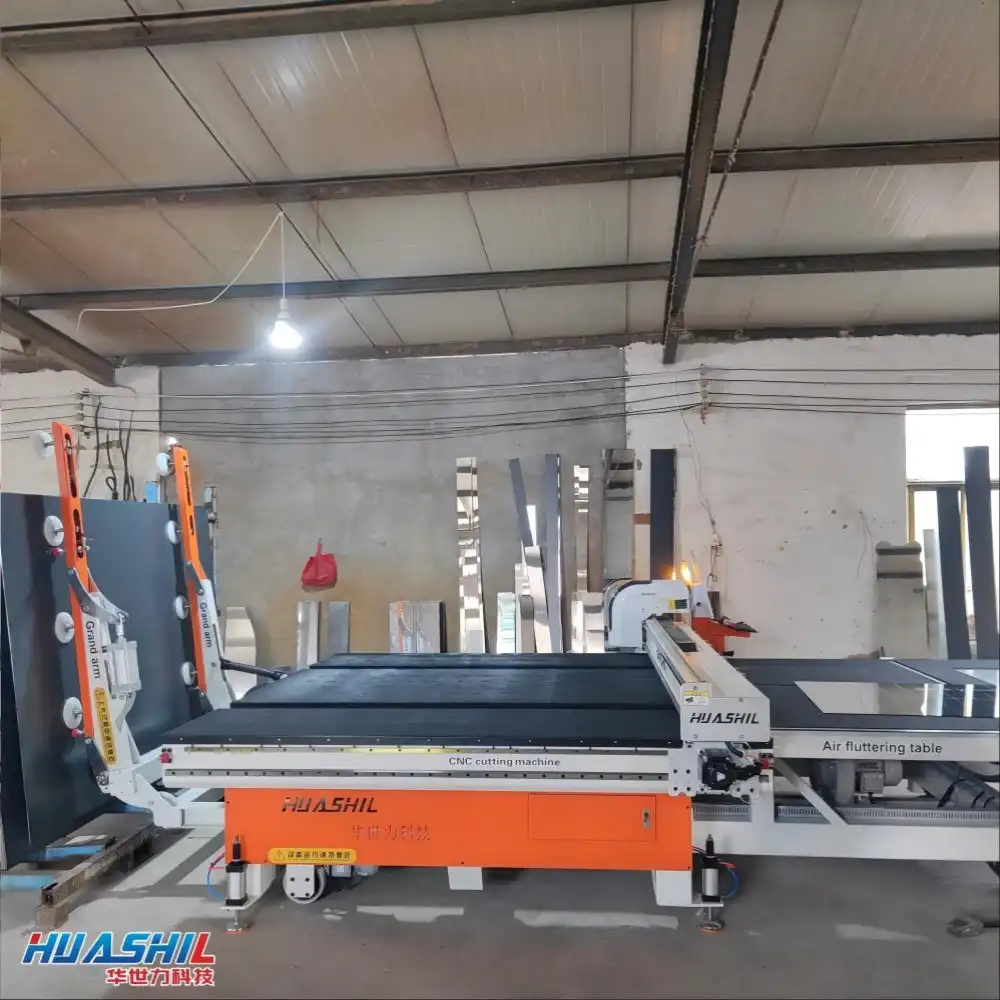
Essential Maintenance Tips for Air Float Glass Loading Tables
Air flotation systems work reliably when they have preventative repair plans in place. By setting up regular check times, small problems can be stopped before they become expensive equipment failures that slow down production.
Daily and Weekly Inspection Protocols
Every day, you should look at the air nozzles to make sure they are clean and working right. A buildup of dust can partly block air pathways, causing uneven flotation that makes it harder to place glasses accurately. During startup processes, operators should watch the movement of debris across the table surface to make sure that all nozzles produce consistent air flow.
The three-grand arm filling system is checked for signs of wear or imbalance once a week by a mechanical inspector. According to the manufacturer's instructions, lubrication points need to be taken care of using high-quality industrial oils that can handle continuous-duty use. It is important to check electrical lines for signs of corrosion or loosening, especially in work areas that are damp.
When to change an Air Float Glass Loading Table air filter depends on the surroundings, but it's usually done every month to three months. Filters that are dirty make the system work less well and can let in particles that hurt glass surfaces that are easily damaged. Keeping an eye on the difference in pressure between filters lets you know early on when they need to be replaced.
Air Supply System Maintenance
The air supply infrastructure requires specialized attention to maintain optimal performance. Compressor maintenance includes regular oil changes, belt tension tweaks, and moisture separator drainage, which are all parts of compressor upkeep. Checking air lines for leaks that lower system pressure and use more energy is important.
To make sure that the air flow is the same across the whole table area, pressure control systems need to be checked for accuracy. Uneven pressure distribution makes things harder to handle and could be dangerous. Professional calibration services can compare the system's performance to the manufacturer's specs and figure out what adjustments need to be made.
Best Practices for Efficient Operation
Operating machinery efficiently includes more than just making sure it works. It also includes things like saving energy, making sure operators are trained, and using standard methods that increase output while keeping safety levels high.
Loading and Unloading Techniques
The right way to handle glass protects both materials and equipment while making cycle times as short as possible. For best results, the Air Float Glass Loading Table with three grand arms needs to be coordinated with human placement. When adding glass panels that are getting close to the maximum size of 3660mm x 2440mm, operators should know how to distribute weight properly.
When putting glass panels in place, you need to pay attention to how air moves across the table. Some places, like corners and edges, may have less air pressure, so be extra careful when placing things. With the 360-degree walking feature, workers can keep their eyes on the edges of the glass while placing it.
When unloading, steps should be taken in a certain order so that the glass doesn't touch the table. Training programs should stress controlled, smooth movements that use the air cushion and stay away from sudden changes in direction that could cause the glass to shift.
Energy Efficiency Strategies
Air float devices use a lot of electricity, so optimizing energy use is important for keeping costs down. Variable frequency drives on air blowers can lower the amount of energy they use when demand is low. Programmable settings let systems go into sleep mode during breaks in production while keeping the air pressure low so that they can be quickly turned back on.
Maintaining air supply parts on a regular basis has a direct effect on how efficiently energy is used. Filters that are clogged, worn-out engine parts, and air leaks all use more power and make the system work less well. By keeping an eye on trends of electrical use, you can spot repair issues before they affect production.
Comparing Air Float Glass Loading Tables: Selection and Procurement Insights
When making purchasing choices, it's important to think about technical specs, the supplier's abilities, and how they will support the product in the long run. Knowing about these things helps factories choose tools that will give them the best value over the course of their life.
Technical Specifications and Customization Options
Specifications for load capacity must take into account both current production needs and expected future needs. Tables made for building glass uses can usually handle bigger sizes and heavier loads than tables made for making furniture. Being able to work with things that are up to 3660mm x 2440mm is a big plus for most commercial uses.
Customization choices go beyond simple size requirements and include specialized control systems, extra safety features, and the ability to work with current production equipment. Through OEM agreements, manufacturers can create solutions that fit their unique production processes and space limitations.
The amount of air that is needed depends a lot on the size of the glass and how often it is handled. Knowing how much compressed air an Air Float Glass Loading Table facility uses helps them plan their budgets for utilities and operating costs. Designs that use less energy can cut long-term costs by a lot while still meeting performance standards.
Supplier Evaluation and Support Services
Reliable help after the sale is a very important factor in choosing tools. Suppliers should show that they have a wide range of replacement parts available, can provide expert help, and have good training programs. When repair problems happen, having local service representatives can cut reaction times by a large amount.
Installation and setup services should include training for operators, writing up upkeep procedures, and testing to make sure the system works as it should. Good providers give facilities thorough operating manuals, upkeep schedules, and troubleshooting tips that help them get the most out of their equipment.
The terms of the warranty show that the seller trusts the quality of the equipment and the design's ability to work reliably. When figuring out the total cost of ownership, choices for longer warranties may make the higher starting costs worth it. Facilities can better plan their repair funds and spare parts inventories when they know the limits of their warranties and the service needs.
Troubleshooting and Problem-Solving Guide
To solve problems effectively, you need to use organized methods that focus on finding the root causes instead of just fixing the signs. Knowing about common failure causes helps find and fix business problems quickly.
Common Operational Issues and Solutions
Clogged pumps or broken air lines often cause uneven air spread. Visual inspection and measuring the pressure at different points on the table can help find trouble spots. Solvents that get rid of contaminants without hurting tip materials or closing parts should be used for cleaning.
Too much noise could mean that bearings in fan systems are wearing out or that air is leaking from high-pressure lines. Sound level tracking can help find problems before they become too big to fix. Vibration analysis tools and regular lubrication plans can help find mechanical problems early on.
Systematic methods for electrical fixing are needed when a control system on the Air Float Glass Loading Table doesn't work properly. Knowing how control logic and safety interlocks work helps techs quickly find parts that aren't working right. Keeping extra control units and sensors on hand can help keep downtime to a minimum when electronics break down.
Long-term Reliability Strategies
Maintenance plans should change over time based on practical experience and the records of how well the equipment has worked in the past. Keeping track of maintenance prices, how often things break, and how many parts are used helps improve maintenance schedules and processes.
Operator training programs need to be updated on a regular basis to include new information based on operating experience. Cross-training different workers keeps production going even when staff changes happen, while still meeting safety and quality standards.
Documentation systems should keep track of things like repairs, measures of performance, and information about changes. This information is useful for making warranty claims, fixing problems, and deciding to buy new tools.
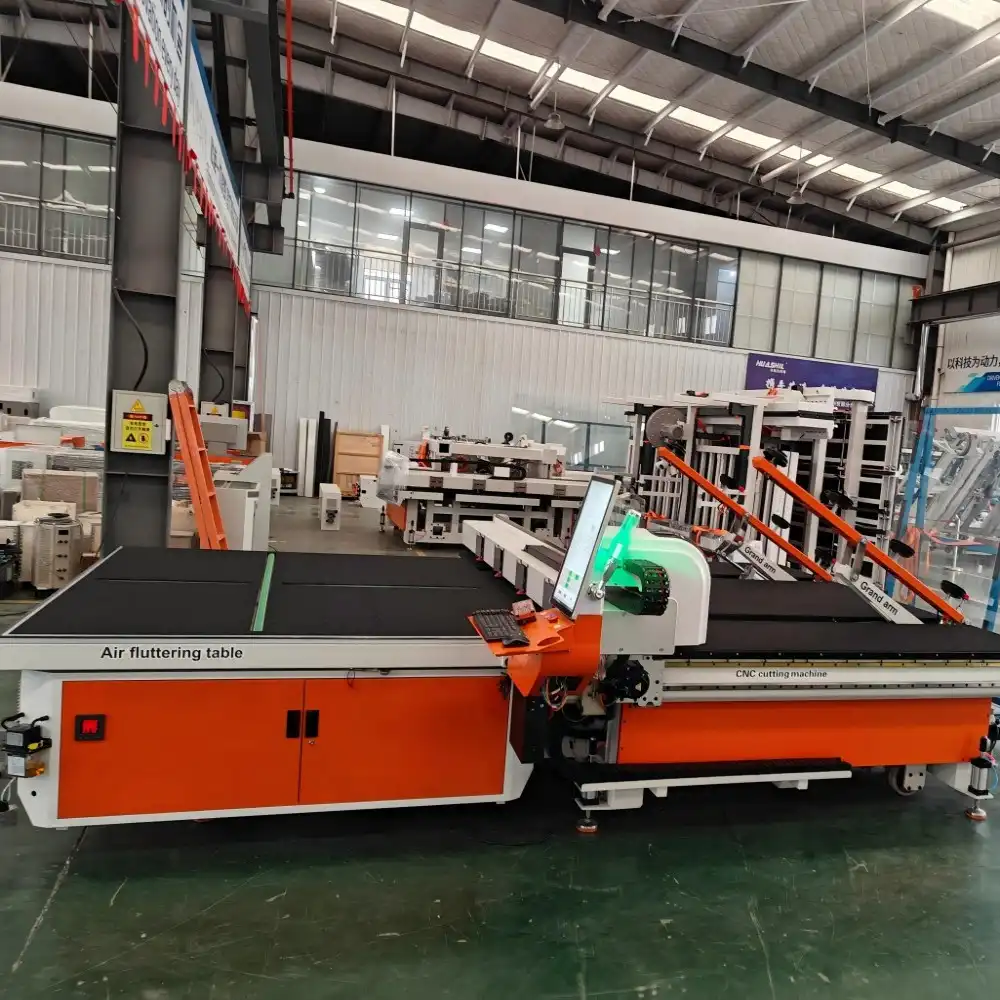
Conclusion
Air float glass loading tables are high-tech answers to problems that come up when working with glass in many manufacturing areas. The right upkeep procedures, operating best practices, and methodical troubleshooting methods make sure that these systems work reliably for as long as they are used. Knowing about technical specs, customization options, and seller support services helps you make smart purchasing choices that lower both the original cost and the long-term costs of doing business. These tables are useful for centers that want to be more efficient while still meeting quality standards because they come with automatic loading systems, air flotation technology, and different setup choices.
FAQ
Q1: How often should air filters be replaced on glass loading tables?
How often you need to change your air filters depends on the climate and how much you use them. If the factory is clean, the filters may need to be replaced every three to six months. If the factory is dusty, they need to be replaced every month. Keep an eye on the difference in pressure between filters to figure out when they should be replaced.
Q2: What safety precautions should operators follow when using air flotation systems?
Before adding glass panels, operators must make sure there is enough air pressure. Regular testing of emergency stop devices is recommended, and workers should keep escape routes clear. During work, safety glasses and steel-toed shoes are still required as personal protective equipment.
Q3: Can air float glass loading tables accommodate custom glass dimensions?
Yes, these methods can be easily changed to fit different sizes and weights of glass. The normal maximum capacity is 3660x2440mm, but manufacturers can change the specs to meet special needs. Specialized support systems and changed air distribution patterns are examples of customization choices.
Q4: What maintenance tools are required for routine servicing?
For basic upkeep, you need compressed air to clean, the right oils for mechanical parts, and pressure gauges to check the system. Some examples of specialized tools are equipment for cleaning nozzles and electrical testing instruments for diagnosing problems with control systems.
Partner with HUASHIL for Premium Glass Handling Solutions
HUASHIL offers cutting-edge air float technology that will change the way you handle glass. Our experience as an Air Float Glass Loading Table maker goes back more than ten years. We offer custom solutions that meet the strict production needs of the automobile, furniture, and architecture industries.
Email our technical team at salescathy@sdhuashil.com to talk about your unique needs and get full technical specs. We offer full support, including installation, training, and ongoing repair services that keep your equipment running at its best for as long as it's in use.
References
1. Glass Manufacturing International. "Advanced Air Flotation Systems in Modern Glass Processing Facilities." Industrial Glass Processing Quarterly, 2023.
2. Manufacturing Technology Institute. "Preventive Maintenance Strategies for Automated Glass Handling Equipment." Equipment Reliability Journal, 2023.
3. International Glass Technology Association. "Safety Standards and Best Practices for Air Flotation Glass Loading Systems." Glass Industry Safety Manual, 2023.
4. Industrial Automation Research Center. "Energy Efficiency Optimization in Pneumatic Glass Handling Systems." Automation Technology Review, 2023.
5. Glass Processing Equipment Manufacturers Association. "Troubleshooting Guide for Air Flotation Glass Loading Tables." Technical Service Bulletin, 2023.
6. American Society of Glass Engineers. "Procurement Guidelines for Automated Glass Handling Equipment in Manufacturing Facilities." Professional Engineering Standards, 2023.
