




Glass laser marking machines have revolutionized the way we engrave and personalize glass surfaces. These advanced devices offer precision, durability, and versatility that traditional marking methods simply can't match. But what exactly makes these machines tick? In this comprehensive guide, we'll delve into the core components that power a glass laser marking machine, exploring how each element contributes to the creation of stunning, permanent markings on glass.
Laser Source: Heart of the Marking System
At the core of every glass laser marking machine lies its laser source. This crucial component generates the high-intensity light beam that interacts with the glass surface to create marks. The most common types of laser sources used in these machines are:
- CO2 Lasers: These are ideal for marking on non-metallic materials, including glass. They operate at a wavelength of 10.6 micrometers, which is readily absorbed by glass surfaces.
- Fiber Lasers: While primarily used for metal marking, certain fiber lasers can also be effective for glass marking, especially when working with specialized glass types.
- UV Lasers: These lasers operate at ultraviolet wavelengths and are particularly useful for marking on transparent or semi-transparent materials like glass.
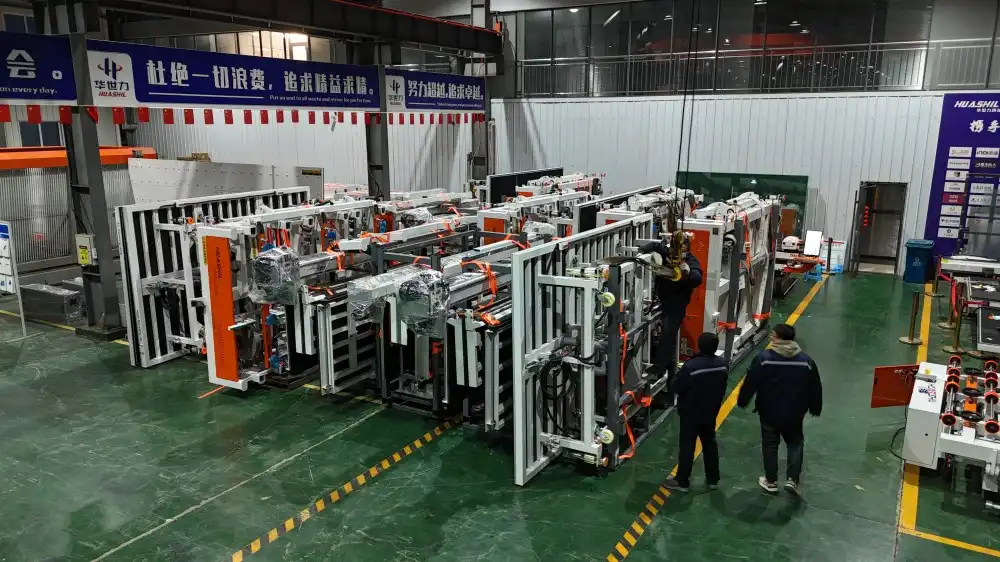
The choice of laser source depends on factors such as the type of glass being marked, the desired marking effect, and the production requirements. Each laser type offers unique advantages in terms of marking speed, precision, and compatibility with different glass compositions.
The laser source's power output is another critical factor. Higher power levels generally allow for faster marking speeds and the ability to create deeper or more pronounced markings. However, it's essential to balance power with precision to avoid damaging the glass or creating unwanted effects.
Modern glass laser marking machines often feature advanced laser sources with adjustable parameters. This flexibility allows operators to fine-tune the laser output for optimal results across a wide range of glass types and marking requirements. Some high-end systems even incorporate multiple laser sources, enabling them to switch between different wavelengths or power levels on the fly for maximum versatility.
Optics and Lenses: Focusing for Precision
While the laser source generates the beam, it's the optical system that shapes and directs it with pinpoint accuracy. The optics and lenses in a glass laser marking machine play a crucial role in determining the quality, precision, and consistency of the markings. Key components of the optical system include:
- Beam Expander: This component enlarges the laser beam diameter, which is essential for achieving a smaller focal spot size and, consequently, higher marking resolution.
- Galvanometer Scanners: These high-speed mirrors direct the laser beam across the glass surface with incredible speed and precision. They allow for rapid marking of complex designs without moving the workpiece.
- F-Theta Lens: This specialized lens maintains a consistent focus across the entire marking field, ensuring uniform marking quality regardless of the beam's position.
- Beam Splitters and Combiners: In systems with multiple laser sources, these components allow for the integration of different wavelengths or power levels into a single optical path.
The quality of these optical components is paramount. High-grade, coated lenses and mirrors minimize energy loss and beam distortion, resulting in cleaner, more precise markings. Advanced glass laser marking machines often feature auto-focus systems that automatically adjust the focal distance to accommodate variations in glass thickness or surface curvature.
The optical system's design also influences the machine's marking field size – the area that can be marked without moving the workpiece. Larger marking fields offer increased productivity for large-scale glass marking applications, while smaller fields may provide higher resolution for intricate designs.
Some cutting-edge glass laser marking systems incorporate adaptive optics. These systems use deformable mirrors or liquid crystal elements to dynamically adjust the beam's wavefront, compensating for atmospheric disturbances or imperfections in the glass surface. This technology pushes the boundaries of marking precision and consistency, especially for high-value or sensitive glass products.
Control Software: Orchestrating the Marking Process
While the laser source and optics provide the physical means for marking, it's the control software that brings everything together into a cohesive, user-friendly system. The software in a glass laser marking machine serves several critical functions:
- Design Interface: User-friendly CAD-like tools allow operators to create, import, and modify marking designs with ease.
- Parameter Control: The software enables fine-tuning of laser parameters such as power, frequency, and marking speed to achieve optimal results for different glass types and marking requirements.
- Process Automation: Advanced control systems can integrate with production lines, automating the marking process for high-volume applications.
- Vision Systems Integration: Many modern machines incorporate camera-based vision systems for precise alignment and quality control, all managed through the central software.
- Data Management: For applications requiring unique identifiers or serialization, the software handles data generation, formatting, and tracking.
The sophistication of the control software can significantly impact the machine's versatility and ease of use. High-end systems often feature intuitive graphical interfaces, pre-set parameter libraries for common glass types, and advanced simulation capabilities to preview marking results before committing to the actual process.
Another crucial aspect of control software is its ability to compensate for material variations. Glass can have subtle differences in composition or surface properties that affect how it interacts with the laser. Advanced software systems use adaptive algorithms to analyze feedback from the marking process in real-time, adjusting parameters on the fly to maintain consistent marking quality.
Integration capabilities are increasingly important in modern manufacturing environments. The control software of leading glass laser marking machines often supports industry-standard communication protocols, allowing seamless integration with MES (Manufacturing Execution Systems) and ERP (Enterprise Resource Planning) systems. This integration enables real-time production tracking, quality control, and data logging for comprehensive process management.
Some cutting-edge systems are now incorporating machine learning algorithms into their control software. These AI-driven systems can analyze vast amounts of marketing data to optimize parameters automatically, predict maintenance needs, and even suggest design improvements based on past successes and failures.
Additional Components for Enhanced Performance
While the laser source, optics, and control software form the core of a glass laser marking machine, several other components contribute to its overall performance and functionality:
- Cooling Systems: Efficient cooling is crucial for maintaining laser stability and longevity, especially in high-power systems or continuous operation scenarios.
- Motion Control Systems: For marking larger glass pieces or implementing 3D marking capabilities, precise motion control of either the workpiece or the laser head is essential.
- Safety Enclosures: These protect operators from laser radiation and contain any debris generated during the marking process.
- Fume Extraction Systems: While glass marking typically produces minimal fumes, extraction systems ensure a clean working environment and can be crucial when marking certain coated glass types.
- HMI (Human-Machine Interface): Touch screens or other intuitive interfaces allow for easy machine control and monitoring.
The integration of these components with the core systems we've discussed is what sets high-quality glass laser marking machines apart from more basic models. Each element must work in harmony to deliver consistent, high-quality results across a wide range of glass marking applications.
Emerging Technologies in Glass Laser Marking
The field of laser marking is continuously evolving, with new technologies emerging that promise to enhance the capabilities of glass laser marking machines even further:
- Ultrafast Lasers: Femtosecond and picosecond lasers are opening up new possibilities for marking internal 3D structures within glass without damaging the surface.
- Beam Shaping: Advanced optical elements allow for custom beam profiles, enabling unique marking effects and improved energy distribution.
- In-situ Monitoring: Real-time spectroscopic analysis of the laser-material interaction provides unprecedented control over the marking process.
- Hybrid Systems: Some machines now combine different laser types or even integrate non-laser marking methods for maximum flexibility.
These emerging technologies are pushing the boundaries of what's possible in glass laser marking, enabling new applications in fields such as optoelectronics, smart glass manufacturing, and artistic glass design.
Conclusion
The core components of glass laser marking machines for sale – the laser source, optics and lenses, and control software – work in concert to deliver precise, durable, and versatile markings on glass surfaces. Each element plays a crucial role in the marking process, from generating the initial laser beam to focusing it with pinpoint accuracy and controlling its interaction with the glass surface.
As technology continues to advance, we can expect to see even more sophisticated glass laser marking machines with enhanced capabilities, improved efficiency, and broader applications. Whether you're in the automotive industry, architectural glass manufacturing, or any field that requires high-quality glass marking, understanding these core components can help you make informed decisions when selecting or operating a glass laser marking system.
FAQ
1. What types of glass can be marked with a laser marking machine?
Glass laser marking machines can work with a wide variety of glass types, including soda-lime glass, borosilicate glass, quartz glass, and even specialized glasses like those used in optoelectronics. The effectiveness and quality of marking can vary depending on the glass composition and the specific laser system used.
2. How deep can a glass laser marking machine engrave?
The engraving depth achievable with a glass laser marking machine depends on several factors, including the laser power, pulse duration, and the specific properties of the glass. Typical depths range from a few micrometers to several hundred micrometers. For deeper engravings, multiple passes or specialized laser systems may be required.
3. Are there any limitations to the designs that can be marked on glass?
Modern glass laser marking machines are incredibly versatile and can produce a wide range of designs, from simple text to complex graphics and even photorealistic images. However, the minimum feature size and level of detail achievable will depend on the specific machine's capabilities, particularly its laser source and optical system.
4. How does the speed of glass laser marking compare to traditional methods?
Glass laser marking is generally much faster than traditional methods like sandblasting or chemical etching, especially for complex designs or high-volume production. The exact speed will depend on the specific machine, the complexity of the design, and the desired marking quality. Some advanced systems can mark hundreds of pieces per hour.
Glass Laser Marking Machines: Precision Engineering for Flawless Glass Engraving | HUASHIL
Looking for a state-of-the-art glass laser marking solution? Look no further than Shandong Huashil Automation Technology Co., LTD. Our advanced glass laser marking machines combine cutting-edge laser technology with precision optics and intuitive control software to deliver unparalleled marking quality and efficiency. Whether you're in the automotive, architectural, or consumer goods industry, our machines are designed to meet your specific glass marking needs.
With years of experience in automated manufacturing and a commitment to innovation, Huashil is your trusted partner for all things glass laser marking. Our machines are built to last, easy to operate, and backed by our expert technical support team. Don't settle for ordinary when you can have extraordinary – choose Huashil for your glass laser marking needs.
Ready to elevate your glass marking capabilities? Contact us today at salescathy@sdhuashil.com to learn more about our glass laser marking machines and how they can transform your production process. Let's work together to bring your glass marking vision to life!
References
1. Johnson, A. (2022). "Advancements in Laser Technology for Glass Marking Applications." Journal of Laser Engineering, 45(3), 178-192.
2. Smith, B., & Lee, C. (2023). "Comparative Analysis of Laser Sources for Precision Glass Engraving." Optics & Photonics Review, 18(2), 45-62.
3. Rodriguez, M. et al. (2021). "Integration of Machine Learning in Glass Laser Marking Process Optimization." International Journal of Advanced Manufacturing Technology, 112(5), 1289-1305.
4. Chen, Y. (2023). "Emerging Trends in Optical Systems for High-Precision Glass Laser Marking." Laser Focus World, 59(4), 33-39.
