




The glass processing business has changed a lot because of new automatic cutting technologies that are made just for big sheets. An industrial glass cutting machine is a very important purchase for makers who want to make their processes more precise, efficient, and scalable. These advanced methods have completely changed the way that architectural glass plants, curtain wall producers, and furniture makers handle large-format glass. Today's automatic cutting tools use smart software to handle precision engineering, which results in great accuracy and less waste of cutting materials. The move from scoring by hand to fully automated systems has helped makers keep quality levels uniform while greatly lowering the cost of labor and the time needed to make products.
Understanding Automated Glass Cutting Technology for Large Sheet Processing
Cutting large sheets of glass needs special machines that can handle big sizes and keep accuracy across the whole surface. These self-operating machines use cutting-edge positioning technologies, like linear guides and servo motors, to make sure that the blades follow the right paths. They can even cut sheets as large as 6100×3300 mm accurately. The cutting process usually has a lot of different stages that work together to speed up production and make the process more efficient.
Modern glass cutting tools use different ways to cut based on what the job needs. Diamond wheel scoring is still the most popular method for regular types of glass. It works well for all sizes. Laser cutting is very precise and useful for certain uses, and water jet systems are the best way to cut toughened or laminated glass. Each method has its own benefits, so producers can choose the best one for their particular needs.
Using computer numerical control (CNC) technology has changed what people can do in their businesses. Today's industrial glass cutting machines have advanced motion control systems that find the best cutting speed while keeping the quality of the edge. These improvements let makers work with really complex shapes and patterns with great reliability, meeting the strict needs of the automobile and building fields.
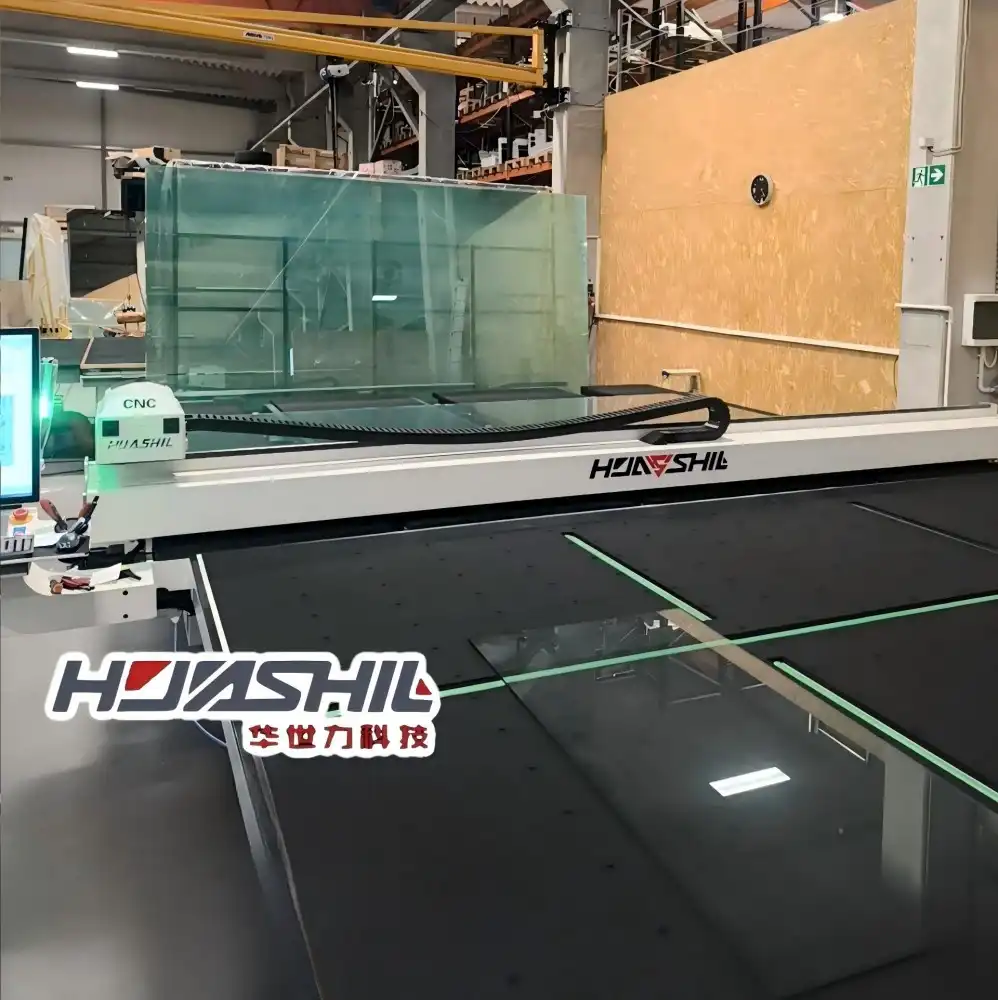
Essential Features of High-Performance Glass Cutting Machine
When looking at mechanical glass cutting solutions, a number of important features set high-quality tools apart from more basic options. Understanding these skills helps buying teams make good choices that are in line with the big picture goals for production.
When it comes to working with big sheets, the HUASHIL HSL-LSX6133 model is an example of cutting-edge tech. This system includes three specialty tables that work together perfectly to boost productivity: a loading table, a cutting table, and a broken table. The filling table gets sheets of unrefined glass and makes sure they are in the right place for cutting to take place. The score and placement tools are on the cutting table. The breaking table finishes the separation process by applying force in a controlled way.
Software improvement is very important for working efficiency. The bundled Optima software for industrial glass cutting machines uses smart stacking algorithms to figure out the best ways to cut materials so that they are not wasted. This program looks at the sizes of sheets and the pieces that are needed. It then creates ways to cut the sheets that use as much material as possible and cut down on the time needed to make the parts. The system's ability to handle complex nesting patterns has a big effect on how much money the company makes.
Another important benefit is that the station layout can be changed. The 2+2 station setup gives producers the ability to change how they do things based on how they need to make things. This ability to change is especially useful when working with different kinds of glass or when the number of items that need to be made changes during different rounds of operation.
The six gripper arms on each side make sure that the glass is safely handled during the whole cutting process. These grippers use air pressure to instantly adapt to different sheet widths while keeping the pressure spread out evenly. This feature keeps the glass from moving while it's being cut, which makes sure that the edges are straight and the glass is the right size.
Maintenance Strategies for Optimal Performance and Longevity
Proper repair procedures have a direct effect on the dependability of tools, the standard of production, and the total cost of ownership. Creating detailed repair plans will keep machines from unexpectedly breaking down and will extend their lives by a huge amount.
Daily upkeep tasks for industrial glass cutting machines are focused on simple cleaning and operational checks. Cutting wheels should be checked for signs of wear, the gripper arm position should be checked, and glass should be cleaned off work areas. These easy steps keep the cutting quality and the machines from breaking down because of contamination.
Weekly maintenance involves more detailed inspections of mechanical components. Lubricating linear guides, checking belt tension, and checking sensor readings make sure that precision is maintained. The rail system, whether it's above or below ground, needs to be carefully looked after so that glass can be smoothly transported during the whole cutting cycle.
As part of the monthly repair plan, the system is fully diagnosed, and the software is updated. Technical staff should check on the cutting wheel, make sure that the software calibration settings are correct, and repair any parts that are worn out. Backing up your cutting programs and optimization data often will protect you from losing everything if your system breaks down.
Real new parts are very important for keeping tools in good working order. OEM (original equipment maker) parts make sure that everything fits and works correctly, but aftermarket parts might affect how well they fit or work. When you need to get replacement parts, building ties with approved sources ahead of time will help you get them faster.
Selection Criteria for Large Sheet Glass Cutting Equipment
It is important to consider output needs, building limitations, and future growth forecasts when choosing the right automated cutting system. This study makes sure that the chosen tools meet present requirements and also allow for future growth.
The main thing to think about when choosing industrial glass cutting machines is the production rate. Continuous-feed systems that increase throughput are useful for businesses with high traffic. On the other hand, smaller producers may value flexibility more than speed. The HSL-LSX6133's adjustable station setup can handle different output needs without slowing down.
The equipment's ability to work with certain uses depends on the size of the glass it can hold. The largest processing size is 6100 × 3300 mm, which covers most architectural and furniture uses and gives makers a lot of power. With this big processing envelope, pre-cutting processes are not needed anymore. This lowers the amount of handling that needs to be done and increases the overall efficiency.
How well different systems can work together affects how hard it is to set things up and how well the business runs. Today's cutting tools need to be able to work with older machines used for things like edge processing and packing. Standardized communication methods make sure that tools from different companies can work together.
The provision of technical help affects long-term operational success. Response times, extra parts availability, and training programs are all important things for manufacturers to consider when choosing a provider. Comprehensive support networks keep production delays to a minimum while increasing the amount of time that equipment is used.
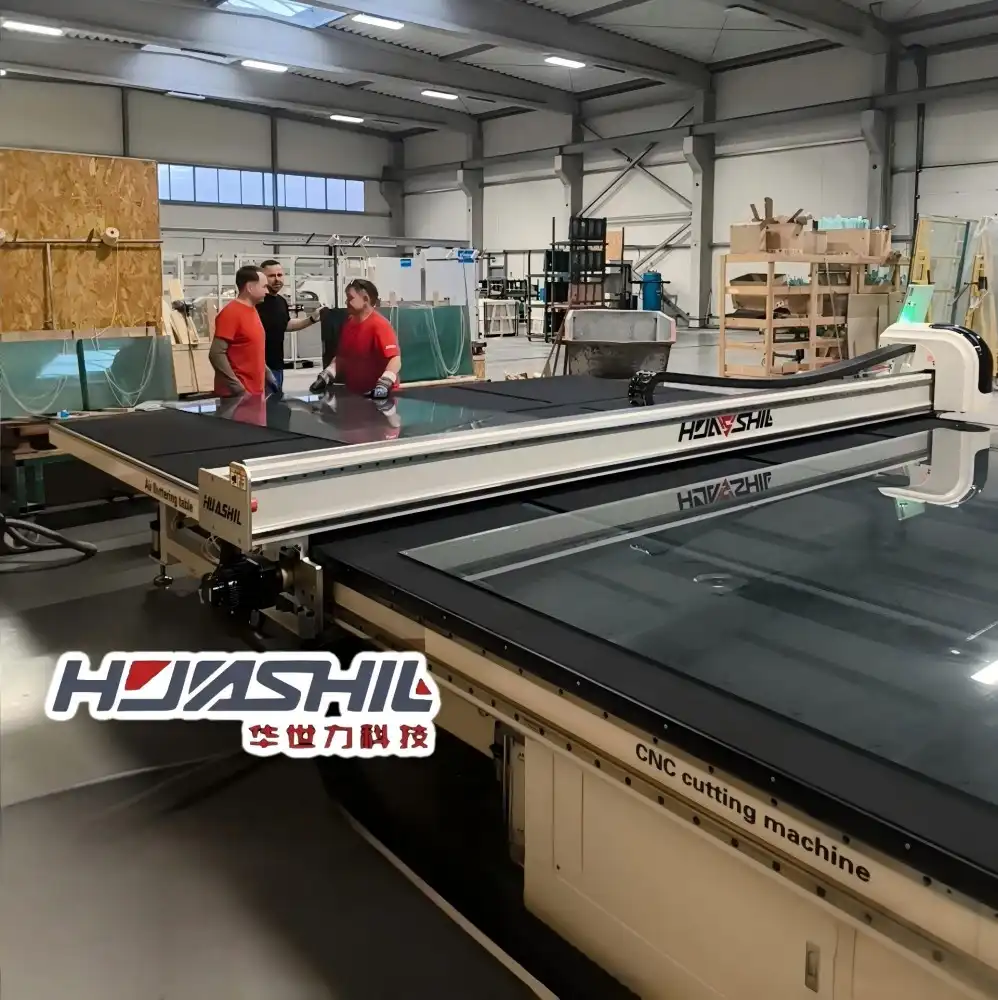
Industry Applications and Benefits
Automated glass cutting technology is used in a range of industries, each with its own needs and performance standards. Understanding these apps helps makers make better choices about their tools and how to run their businesses.
Architectural glass manufacturing for curtain walls needs to be very exact and have a constant high quality along the edges. Large building projects need thousands of panels with exact cuts, so to meet project goals, they must be built with robots. Architects can keep the strength of their buildings while still being able to make new designs because they can work with complicated shapes and angles.
Automation's ability to do things consistently and over and over again helps the furniture production industry. For assembly operations, industrial glass cutting machines for glass tabletops, shelves, and artistic panels need to have exact measurements and smooth edges. Automated cutting gets rid of mistakes that people make and lets you quickly make custom sizes and forms.
Automotive glass handling needs to be very exact so that it fits right and meets safety standards. Today's cars have complicated curvy surfaces and built-in features that need precise cutting methods. Automated systems deliver the steady performance needed to meet strict quality standards.
Conclusion
Choosing the right automatic glass cutting tools is a smart purchase that affects how quickly and how well the work gets done, as well as the business's long-term profits. Newer technologies, such as the HUASHIL HSL-LSX6133, are examples of how cutting-edge engineering and smart software integration can build solutions that go beyond the standards of the past. Success rests on making sure that the equipment can do the job and on making sure that the equipment keeps working well over time. As the glassmaking industry changes, companies that use robotics technologies that are known to work will stay ahead of the competition in markets that are becoming more demanding.
FAQ
Q1: How thick does the glass have to be for automatic cutting tools to work well?
A: Depending on the type and way of cutting used, the majority of industrial glass cutting machines can handle glass that is between 2mm and 25mm thick. Thicker specialty glass might need to have the tools set up in new ways or be cut in different ways.
Q2: How does software for refining make better use of materials?
A: Software for optimization, such as Optima, looks at how many cuts you need to make and figures out the stacking patterns that will use the least amount of material. To get the most out of the material, advanced programs look at glass grain direction, edge quality needs, and cutting tool paths. Usually, they get an 85% to 95% utilization rate.
Q3: What kind of training do people who run automatic cutting systems need?
A: For basic operations, operator training usually takes 2 to 3 days and 1 to 2 weeks for more advanced programming and maintenance. Safety, software use, quality control, and debugging are all things that long training classes teach.
Partner with HUASHIL for Advanced Glass Cutting Solutions
Transform your glass processing operations with HUASHIL's advanced industrial glass cutting machine technology designed specifically for large sheet applications. Our HSL-LSX6133 model represents the pinnacle of precision engineering, combining proven reliability with cutting-edge innovation. As a leading industrial glass cutting machine manufacturer, HUASHIL brings decades of expertise in developing solutions that meet the demanding requirements of modern glass fabrication.
Our comprehensive approach extends beyond equipment supply to include installation, training, and ongoing technical support. The integrated Optima software optimization platform maximizes material utilization while minimizing production time, delivering measurable improvements to your bottom line. With processing capabilities up to 6100×3300mm and flexible station configurations, our systems adapt to your specific production requirements.
Experience the difference that professional-grade automation brings to your operations. Our technical specialists work closely with your team to ensure seamless integration and optimal performance from day one. Contact us at salescathy@sdhuashil.com to discuss your glass cutting requirements and discover how HUASHIL technology can enhance your competitive advantage. Visit huashil.com for detailed specifications and additional product information.
References
1. Johnson, M. & Smith, R. (2023). "Advanced Glass Processing Technologies in Modern Manufacturing." Journal of Industrial Glass Technology, 45(3), 123-138.
2. Chen, L. (2024). "Automation in Glass Fabrication: Efficiency and Quality Improvements." International Glass Review, 28(2), 67-82.
3. Williams, D. et al. (2023). "Large Format Glass Cutting: Technology and Applications." Glass Manufacturing Today, 15(4), 234-249.
4. Anderson, K. (2024). "Maintenance Strategies for Industrial Glass Processing Equipment." Manufacturing Technology Quarterly, 31(1), 45-58.
5. Thompson, J. & Davis, P. (2023). "Software Optimization in Glass Cutting Operations." Automation in Glass Processing, 12(3), 156-171.
6. Martinez, C. (2024). "Quality Control in Automated Glass Manufacturing Systems." Industrial Quality Management, 22(2), 89-104.
