




In order to find affordable ways to automatically load glass, you need to know about current manufacturing needs and what the tools can do. The core of effective glass processing operations is an automatic glass loading machine, which streamlines material handling while cutting down on labor costs and raising safety standards. These advanced systems can be easily added to production lines. They give producers the accuracy and dependability they need to make sure that every unit is the same. When you are looking for a place to buy solid equipment, think about things like technical details, how trustworthy the provider is, and whether they can help you in the future. This will help you get the most out of your money.
Understanding Automatic Glass Loading Machines: An Overview
Automated lifting systems help modern glass-making plants keep up with the competition and keep workers safe. By using advanced engineering to work with different sizes and weights of glass, these tools completely change the way people used to handle glass by hand. Using automatic loading equipment in industrial processes lowers the risk of glass breaking and people getting hurt on the job.
Today's filling systems have advanced controls that let people oversee tricky glass handling jobs without having to touch them very much. The technology includes a variety of ways to add things, from basic conveyor systems to complex robotic solutions with precise sensors. Each kind of method has its own benefits based on how much needs to be made and the limitations of the building.
Safety is very important in equipment design, and makers add multiple layers of safety to avoid crashes while using an automatic glass loading machine. Energy-saving rules are still changing, which makes makers of equipment come up with ways to use less power while maximizing throughput. These changes are in line with efforts around the world to promote ecology, and they help producers save money in the long run.
Criteria for Choosing Cost-Effective and Reliable Automatic Glass Loading Equipment
Choosing the right automatic glass loading machine requires a careful look at the needs of the job and the available money. Production managers need to look at throughput goals, how much room is available on the floor, and how to make sure new systems work with the ones that are already in place. Understanding this information helps people find the right tools that work with the facility and meet the output goals.
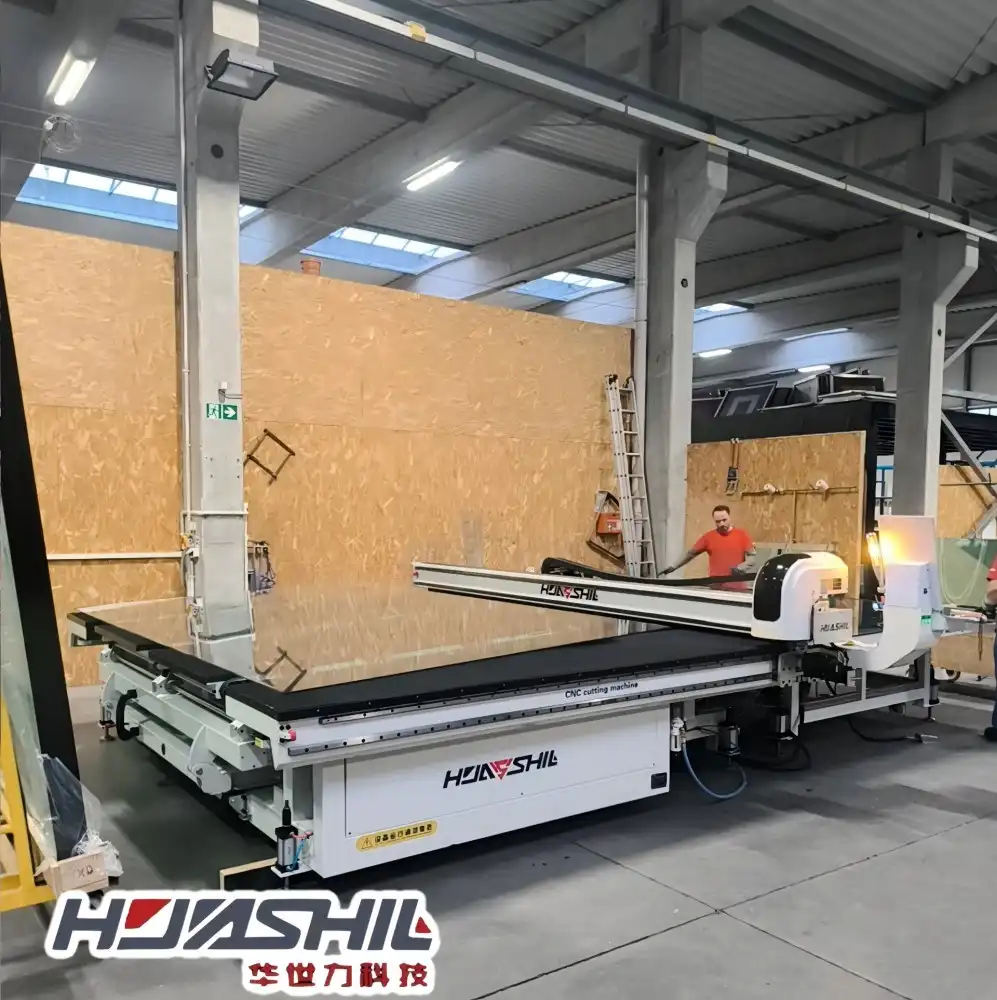
During the review process, the key technical specs should be given extra attention. Here are the most important success measures to look at when choosing automatic glass loading systems:
- Loading Capacity and Speed: The equipment needs to handle the amount of work that needs to be done each day in an efficient way and keep the run times steady. Advanced systems are able to work on more than one glass panel at a time, which speeds up the process greatly when compared to doing it by hand.
- Size Accommodation Range: Today's loading systems can handle different sizes of glass, and the best types can handle panels as big as 3660x2440mm. This makes it possible for makers to make a wide range of products without having to get a bunch of different specialized tools.
- Control Systems and Precision: Automated filling equipment uses advanced positioning technology to make sure the glass is put in the right spot. These devices lower waste and speed up the handling of materials with consistent positioning accuracy.
- Customization Capabilities: Often, manufacturers need to change their equipment so that it can be used with production lines that are already in place. When systems that allow flexibility are used, they can better meet changing business needs and provide better long-term value.
These technical skills have a direct effect on how efficiently things are made and how much it costs to run a business. This is why a full evaluation is necessary to get the right automatic glass loading machine. The cost of high-quality automatic systems is usually worth it because they make products more consistent and lower the amount of work that needs to be done by hand.
Patterns of energy use and upkeep needs also have an effect on the total cost of ownership. During the entire lifespan of the equipment, motors that save energy and easier ways to fix the equipment help save money on operating costs. Understanding these things helps procurement teams make smart choices that find the right mix between the costs of buying something and the benefits it will have for the business in the long run.
Where to Buy Reliable Automatic Glass Loading Machines: Market Insights
A lot of different companies sell automatic glass handling tools in the global market, and they offer different levels of quality and service. When procurement pros look at possible vendors, it helps them to know about market changes and the strengths of suppliers in their own area. Different parts of the world are better at making certain kinds of technology, which creates chances for smart sourcing choices.
Supplier review needs a deep look at the ability to make products, quality control, and customer support. Established makers typically keep extensive partner networks and provide detailed technical paperwork to help customers make decisions. These tools are very helpful when it comes to choosing equipment and then using it.
It depends on how complicated the equipment is, how much it needs to be customized, and how many orders there are. Standard filling systems are cheaper than specialty setups that are made for certain uses. Agreements for bulk purchases often make things cheaper and make sure that the equipment used in different sites is the same.
A variety of financing choices are available to meet different cash flow needs and budget limitations. A lot of sellers are willing to be flexible with how and when you pay them. Some will even let you lease an automatic glass loading machine, which is a good way to keep your working capital free so you can spend it on other things your business needs. When you buy something from another country, you might use letters of credit or other trade financing tools to make sure the deal is safe.
The amount of time it takes to get something done depends on how complicated the task is and how much can be done. Standard setups usually take less time to ship than personalized ones that need special engineering. Planning and buying tasks ahead of time helps make sure that the equipment is available when it is needed for production.
Advanced Features: Three-Arm Loading with Air Flotation Technology
Modern automatic glass loading systems use new technical methods that make them more efficient and better at handling materials. The three-arm loading setup is a big step forward in glass handling technology. It gives you better steadiness and control when moving material from one place to another. This design spreads the weight of the glass over several points of contact so that no one area has too much weight, which lowers the risk of breaking.
Air floating systems add to mechanical loading systems by creating a cushion-like effect when glass is moved. This technology lowers the chances that glass surfaces will touch handling equipment, which lowers the chances of scratches or other damage to the surface. When an air float is used with precise mechanical systems, it makes the best setting for working with fragile glass materials.
With the 360-degree movement feature, an automatic glass loading machine can service several production lines or storage areas from just one placement point. This ability to change things up improves the use of tools while minimizing the space needed to store them. Manufacturers can change how they make things without having to move any equipment around, which enables the business to adapt as needs change.
Ensuring Long-Term Value: Maintenance, Troubleshooting, and After-Sales Service
Maintenance plans that work protect your equipment investments and make sure that output can always happen. Regular check plans help find problems before they affect the production line. Preventive maintenance methods are usually cheaper than fixes that happen after something breaks. Plus, they make sure that production is more reliable.
Common sensor repair issues are calibrating them, adjusting the gas system, and updating the control software. Operators who are skilled in basic diagnostic methods can quickly fix small problems and keep production delays to a minimum. In-depth training programs from equipment makers improve the skills of operators and lower the need for outside service providers.
Warranty coverage and service reaction times are very important to the worth of an automatic glass loading machine. Manufacturers who offer long guarantee terms and quick service show that they are sure their products are good. Longer warranty choices give more safety to important work tools, and predictable service costs help with budget planning.
The availability of spare parts makes sure that tools can be used for a long time and that work doesn't have to stop for long periods of time. Better help for remote sites comes from suppliers who keep the right amount of inventory on hand and have efficient delivery networks. Before installing tools, you should get to know trustworthy service providers so that you don't have to wait when repair is needed.
Conclusion
Buying dependable automatic glass loading machines is a smart choice that will affect the long-term efficiency and revenue of the business. Three-arm loading, air flotation systems, and 360-degree movement are all advanced features that, when used together, make a big difference in how modern glass production plants work. A close look at technical specs, supplier skills, and support services makes sure that the right equipment is chosen to meet both present and future output needs. When automated loading technology is used correctly, it leads to higher productivity, better safety, and higher product quality. It also helps a business stay ahead of the competition in a market that is always changing.
FAQ
Q1: What glass sizes can automatic loading machines handle?
A: Modern automatic glass loading systems accommodate a wide range of glass dimensions, with advanced models handling panels up to 3660x2440mm. The specific size capacity depends on equipment configuration and manufacturer specifications. Custom solutions can accommodate unique dimensional requirements for specialized applications.
Q2: How do air flotation systems improve glass handling safety?
A: Air flotation technology creates a cushioning effect that reduces direct contact between glass surfaces and mechanical components. This minimizes the risk of scratches, chips, or breakage during transport operations. The system also provides smoother material movement, reducing stress on glass edges and corners.
Q3: What customization options are available for automated glass loading equipment?
A: Manufacturers typically offer various customization options, including modified loading arm configurations, specialized control software, and integration interfaces for existing production equipment. Custom solutions can accommodate unique production line layouts and specific material handling requirements.
Partner with HUASHIL for Superior Automatic Glass Loading Solutions
HUASHIL stands as a leading automatic glass loading machine manufacturer, delivering cutting-edge automation solutions that transform glass processing operations. Our advanced loading systems feature the innovative three-arm design with integrated air flotation technology, ensuring gentle yet secure material handling for glass panels up to 3660x2440mm. The 360-degree mobility capability allows maximum operational flexibility, while our customization expertise ensures perfect integration with existing production lines.
Shandong Huashil Automation Technology Co., LTD combines decades of manufacturing excellence with continuous innovation to provide reliable, cost-effective automation solutions. Our comprehensive support includes technical consultation, installation assistance, operator training, and ongoing maintenance services. Quality certifications and proven performance across diverse industrial applications demonstrate our commitment to customer success.
Ready to optimize your glass processing operations with state-of-the-art automated loading technology? Our engineering team stands ready to evaluate your specific requirements and recommend optimal solutions that enhance productivity while reducing operational costs. Contact us at salescathy@sdhuashil.com to discuss how HUASHIL's automatic glass loading equipment can elevate your manufacturing capabilities and competitive position.
References
1. Johnson, M. & Associates. (2023). "Industrial Automation in Glass Manufacturing: Trends and Technologies." Manufacturing Technology Review, Volume 45, Issue 3.
2. Glass Industry Research Institute. (2023). "Automated Material Handling Systems: Performance Analysis and ROI Studies." Industrial Glass Processing Quarterly, Spring Edition.
3. Thompson, R. (2022). "Safety Improvements in Glass Manufacturing Through Automation Technology." Workplace Safety in Manufacturing, Annual Report.
4. International Glass Manufacturing Association. (2023). "Global Market Analysis: Automated Glass Processing Equipment." Industry Market Intelligence, Second Quarter Report.
5. Chen, L. & Miller, P. (2023). "Energy Efficiency in Automated Glass Handling Systems." Sustainable Manufacturing Technology Journal, Volume 18, Number 2.
6. European Glass Technology Institute. (2022). "Comparative Analysis of Glass Loading Technologies: Manual vs. Automated Systems." Technical Research Publication, December Issue.
