




Glass double edging machines are the most important tools for modern architectural glass processing because they give the construction industry the accuracy and regularity it needs. Because of these high-tech systems, producers can get perfectly finished glass edges that meet strict safety standards and still look great. A Glass Double Edging Machine automatically grinds and polishes raw glass sheets to make architectural-grade products. This makes sure that the quality of the edges is the same for large production runs. This technology is now necessary for curtain wall systems, making windows, and using decorative glass, where the stability of the edges affects both the way the structure works and how it looks.
Understanding Glass Double Edging Machines in Architectural Glass Finishing
Precision grinding technology that works on both edges at the same time is what makes glass double edging machines work. Modern machines have complex control systems that keep the speed and pressure constant during the whole cutting cycle. The main part of the machine has grinding wheels on both sides of the glass sheet. This lets the material be removed evenly, and the surface finished all in one pass.
Working Principles and Key Components
Modern glass edging systems have more than one grinding motor that runs the edge finishing process. More advanced models usually have four grinding motors that work together in pairs to make sure that the force is spread evenly across the glass surface. On each working side, there are two grinding wheels set up in a certain order. Usually, one rough grinding wheel comes first, then one fine grinding wheel. With this two-step process, you can get the perfect surface finish for building uses.
Encoder-controlled systems that handle automatic opening and shutting are a big part of these machines' automation features. These encoders give exact positioning feedback, which lets the machine handle different glass sizes without any help from a person. The moving part is controlled by servo motor technology, which makes sure that the glass moves smoothly through the processing area and stays in the same place.
The range of functions that the current glass double edging machine can do is truly impressive. It can open and close up to 1.5 meters wide, which is big enough to fit architectural glass panels that are popular in commercial building projects. On the other hand, the minimum opening and closing diameter of 0.2 meters lets smaller pieces of decorative glass be processed, which is useful for meeting a variety of production needs.
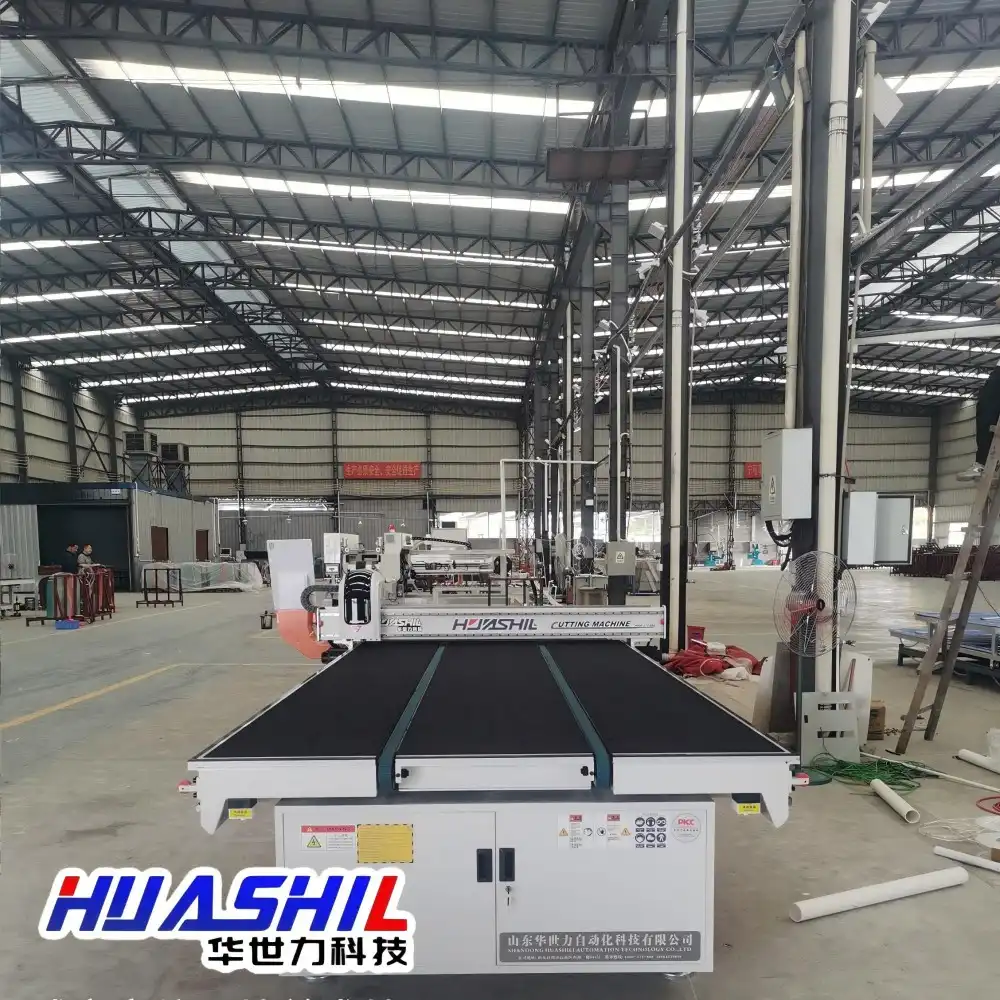
Machine Types and Applications
Depending on the needs of the application, processing architectural glass requires machines with different designs. Large-scale production settings that need consistent output with little operator input are dominated by automated systems. These machines work well with current production lines because they can process things continuously, which helps with schedules for making a lot of things.
High-speed versions are for places that need to move data quickly without lowering the quality of the edges. The cycle times of these systems are shorter because the motor control systems and grinding wheel configurations have been improved. Specialized models made for tempered or laminated glass have extra safety features and different processing settings to work with the unique properties of these materials.
Key Considerations When Choosing a Glass Double Edging Machine
When buying glass cutting equipment, you need to carefully consider a number of factors that will have an immediate effect on how well the equipment works and how much it costs to run in the long run. Figuring out the exact needs of the production process helps find the best machine setup for each situation.
Evaluating Production Requirements and Machine Features
When choosing a glass double edging machine, the amount of production is the most important thing to think about. Automated systems that require little to no human input are best for high-volume operations. Smaller facilities, on the other hand, may value flexibility and ease of operation over maximum throughput. The amount of edge quality you want affects the choice of grinding wheel and the way the motor is set up.
The fastest speeds that different machine types can handle are very different. Higher throughput is achieved by advanced systems that use optimized grinding patterns and shorter cycle times. Manufacturers are trying to cut costs while still meeting green goals, so energy efficiency has become more important. Power management features in modern machines lower the amount of energy used when the machine is not in use and improve motor performance when it is.
Automation can do more than just simple processing tasks. It can also move materials, check for quality, and collect data on production. These features improve the efficiency of the process and give useful information about how production is going. Integration compatibility with current factory automation systems makes sure that operations run smoothly in factories that are already set up.
Supplier Criteria and Support Services
To choose the right provider, you have to look at more than just the cost of the equipment itself. Long-term operational success depends a lot on how well after-sales help works, especially for complex automated systems. Full technical support includes help with installation, training for operators, and ongoing upkeep advice that makes sure the machine works at its best for as long as it is used.
Warranty coverage protects you in case your equipment breaks down unexpectedly and shows that the maker trusts the product's dependability. Options for longer warranties give you more peace of mind in important business situations where equipment downtime costs a lot of money. Having spare parts on hand means that production plans will be interrupted as little as possible when replacement parts are needed.
Customization lets suppliers change the way standard pieces of glass double edging machine are set up to fit the needs of a specific purpose. This flexibility is especially helpful for factories that make unique glass goods or have to work within specific production limits. The quality of technical documentation affects how well operators are trained and how well maintenance is done. This is why complete manuals and other support materials are important criteria for review.
Maintenance, Troubleshooting, and Safety for Optimal Machine Performance
Strategies for proactive maintenance make equipment more reliable and cut down on unplanned downtime that delays production plans. Setting up thorough repair plans makes sure that machines always work well and greatly increases their useful life.
Routine Maintenance Tasks and Preventive Care
Normal operations leave behind glass chips and grinding dust that need to be cleaned off regularly. If you let these contaminants build up, they can hurt the performance of the grinding wheel and lower the quality of the edge. Lubrication schedules keep moving parts working at their best, stopping them from wearing out too quickly and making sure they run smoothly during long production runs.
Checking and replacing the grinding wheels is an important part of upkeep that has a direct effect on the quality of the edges. Worn wheels give erratic results and can damage glass surfaces, which causes more waste and unhappy customers. Setting up replacement schedules based on processing traffic helps keep the quality of the output consistent and reduces the number of unexpected wheel failures.
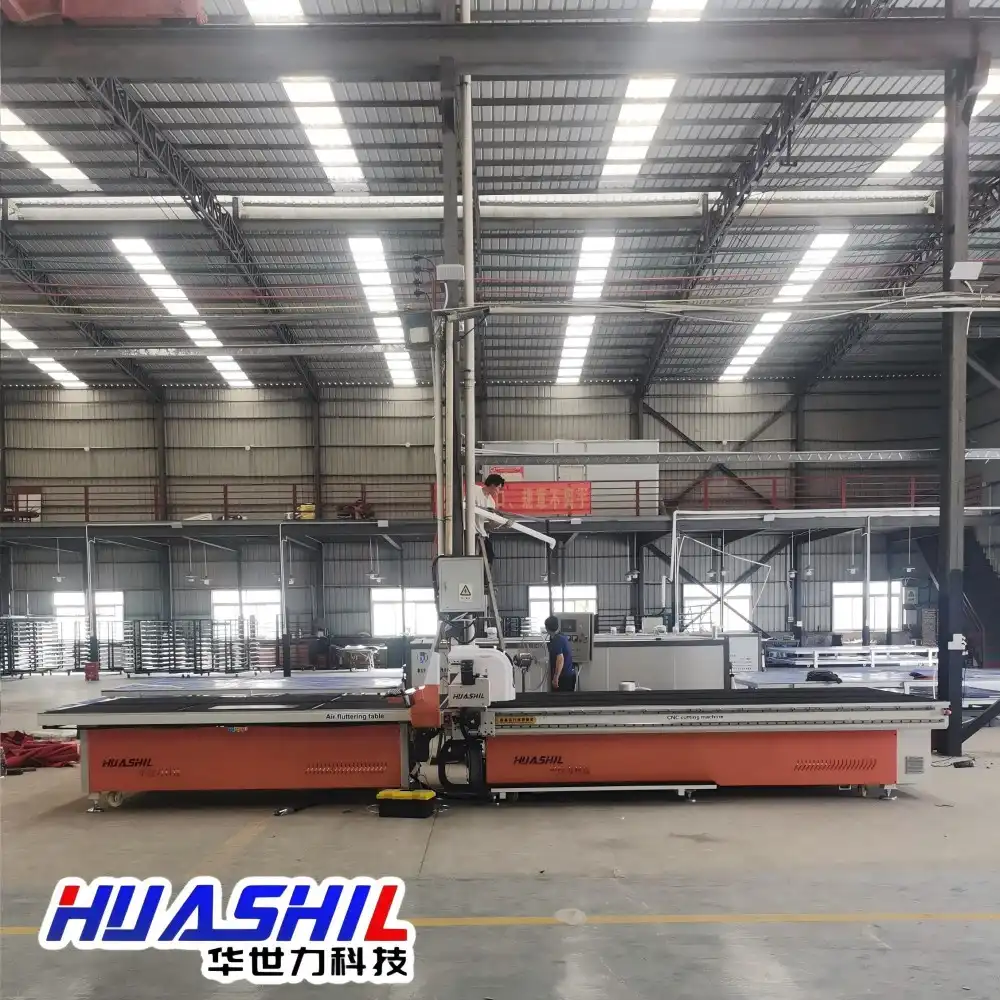
Control system calibration makes sure that processing factors stay the same and that positioning is correct. The accuracy needed for architectural glass uses is maintained by checking the encoder and servo motor response on a regular basis. Inspection of electrical connections stops breakdowns that could cause extended downtime and possible safety risks.
Common Troubleshooting and Safety Protocols
Problems with edge quality on glass double edging machine are often caused by grinding wheels that are too worn, processing factors that are off, or glass surfaces that are dirty. Systematic troubleshooting methods help find the root causes quickly, so production is interrupted as little as possible. Keeping thorough records of processing parameters and quality observations helps solve problems quickly when they happen.
Operator safety protocols include a number of safety steps meant to keep workers from getting hurt on the job. Personal protective equipment that must be worn when working with glass includes safety glasses, hearing protection, and gloves that won't cut. When safety concerns appear, emergency stop procedures make sure that the machine is shut down quickly.
Machine guarding keeps people from touching moving parts by mistake while the machine is running. When safety guards are taken off or not placed correctly, interlock devices stop the machine from working. All employees who work with glass processing go through regular safety training that teaches the right way to do things and what to do in an emergency.
Future Trends and Technological Advancements in Glass Double Edging Machines
The architectural glass processing business is always changing as new technologies come out that make things more accurate, efficient, and environmentally friendly. These improvements change how things can be made and meet the needs of new markets that want better quality and care for the environment.
Enhanced Automation and Smart Control Systems
Adding IoT features lets you keep an eye on machine performance and production data in real time. These systems give useful information about how efficiently operations are running and make it easier to plan preventative repairs. Technical support teams can figure out problems and help users without having to go to the site themselves, thanks to remote tracking. This cuts down on downtime and support costs.
Smart control systems change the processing settings automatically based on the quality needs and properties of the glass. Machine learning algorithms look at past output data to find the best way to grind things so that the results are the same even when the conditions are different. These changes make it easier for operators to do their jobs while still producing high-quality results.
Advanced sensor technology constantly checks the state of the grinding wheel on the glass double edging machine to let you know when it needs to be replaced. Automated wheel-changing systems keep processes consistent while reducing the amount of work that needs to be done by hand. Quality monitoring systems check the edge finish in real time, finding problems right away and changing parameters to stop the production of goods that aren't up to par.
Energy Efficiency and Sustainability Improvements
Motor designs that use less energy cut down on power use without affecting working speed. Variable frequency drives make sure that motors work at their best based on the amount they are supposed to carry. This cuts down on wasted energy during light-duty processing cycles. Regenerative braking systems collect energy when the vehicle slows down, which makes the total efficiency even better.
Eco-friendly coolant methods keep the environment as safe as possible while still cooling the grinding wheel well. With closed-loop cooling systems, less water is used, and dirty coolant isn't released into the environment. New filtration systems make coolant last longer while keeping processor performance stable.
Technologies that reduce waste collect small pieces of glass to be recycled, which lowers the cost of dumping and the damage it does to the environment. Automatic sorting systems separate the different kinds of glass, which makes it easier to collect and use the materials again. These sustainability changes are in line with the company's environmental goals and cut down on operational costs.
Conclusion
Glass double edging machines have changed the way architectural glass is finished by giving modern construction projects the accuracy, speed, and consistency they need. Manufacturers can get better edge quality with these high-tech tools while still keeping production rates low. Advanced automation technologies, such as multi-motor grinding systems and servo-controlled conveying mechanisms, are built into the machine to reliably handle a wide range of glass working needs. Procurement professionals can make smart choices that will help their businesses succeed in the long run by learning about the most important things to think about when choosing equipment, how to maintain it, and new technological trends. As glass edging technology keeps improving, it will be able to do even more. This makes these tools necessary investments for companies that want to stay ahead in the fast-paced architectural glass market.
FAQ
Q1: What is the primary function of a glass double edging machine?
A glass double edging machine performs simultaneous grinding and polishing operations on both edges of glass sheets, creating smooth, safe, and precisely finished edges suitable for architectural applications. The machine utilizes opposing grinding wheels to process both sides in a single pass, significantly improving production efficiency compared to single-edge processing methods.
Q2: How do grinding motors affect machine performance?
Modern glass edging machines typically employ four grinding motors arranged in pairs to provide balanced processing power. Each side utilizes two grinding wheels powered by dedicated motors, usually configured with one rough grinding wheel and one fine grinding wheel. This configuration ensures consistent material removal and superior surface finish quality.
Q3: What automation features improve operational efficiency?
Advanced automation includes encoder-controlled opening and closing systems that accommodate glass sizes from 0.2 to 1.5 meters automatically. Servo motor technology controls precise conveying throughout the processing cycle, while programmable control systems maintain consistent processing parameters. These features minimize operator intervention while maximizing production consistency.
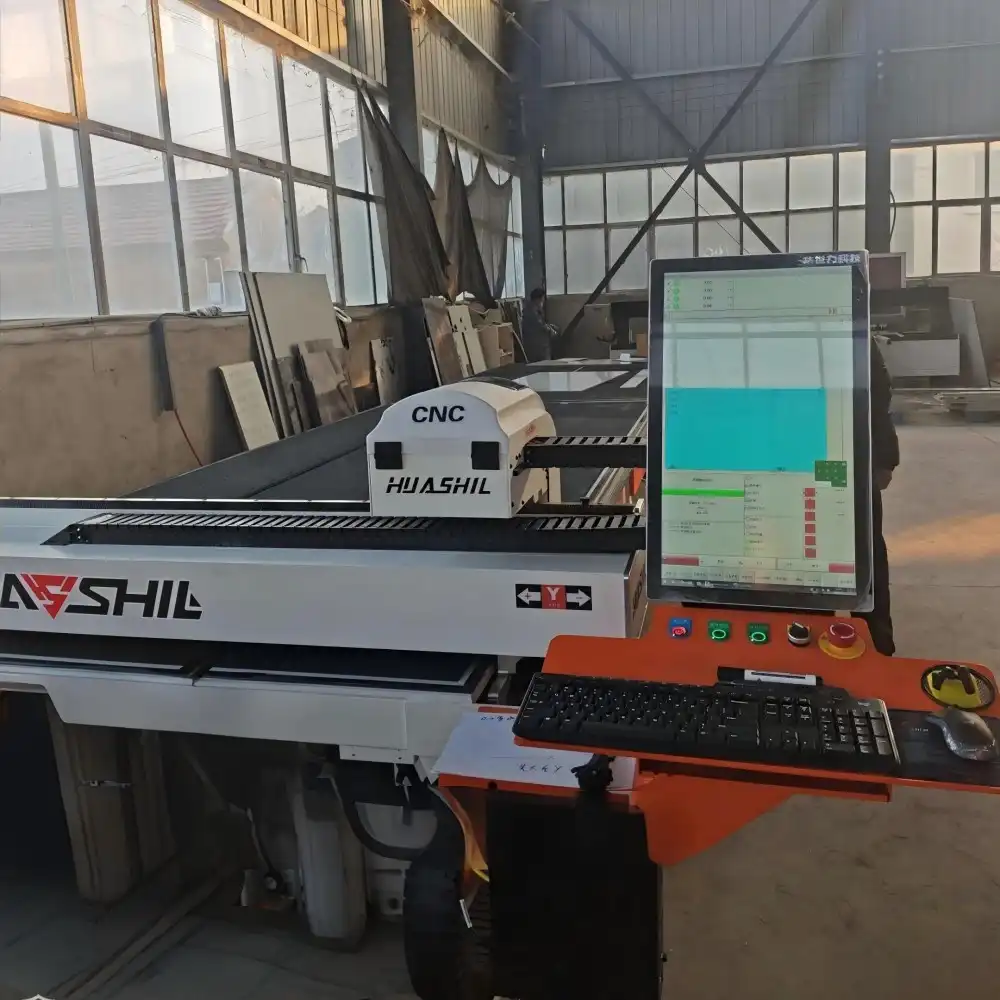
Choose HUASHIL as Your Trusted Glass Double Edging Machine Manufacturer
HUASHIL represents excellence in glass processing equipment manufacturing, combining decades of engineering expertise with cutting-edge automation technology. Our comprehensive product portfolio addresses the diverse needs of architectural glass manufacturers worldwide. As an established glass double edging machine supplier, we understand the critical importance of precision, reliability, and productivity in modern glass processing operations.
Our advanced glass bilateral edging machines incorporate the latest technological innovations while maintaining the robust construction quality that defines our reputation. Each system features the precision engineering required for architectural applications, including our signature four-motor configuration that ensures balanced processing power and consistent results. The integrated encoder control systems provide automatic opening and closing functionality, while servo motor technology delivers precise conveying control throughout the processing cycle.
HUASHIL's commitment to customer success extends far beyond equipment delivery. Our comprehensive support services include detailed technical training, ongoing maintenance guidance, and responsive after-sales support that keeps your production lines operating efficiently. Global shipping capabilities ensure timely delivery regardless of location, while our customization expertise allows us to tailor equipment configurations to meet specific application requirements. We invite you to contact our technical team at salescathy@sdhuashil.com to discuss your glass processing needs and discover how our solutions can enhance your production capabilities.
References
1. Zhang, Wei, et al. "Advanced Glass Processing Technologies for Modern Architecture." International Journal of Glass Manufacturing, vol. 45, no. 3, 2023, pp. 78-92.
2. Johnson, Michael R. "Automation in Architectural Glass Production: Efficiency and Quality Optimization." Glass Industry Technical Review, vol. 28, no. 7, 2023, pp. 156-171.
3. Chen, Li, and Robert K. Thompson. "Grinding Wheel Technology for Precision Glass Edge Finishing." Materials Processing Engineering Quarterly, vol. 15, no. 2, 2023, pp. 203-218.
4. Anderson, Sarah J. "Safety Protocols and Maintenance Strategies for Glass Processing Equipment." Industrial Safety and Maintenance Journal, vol. 41, no. 9, 2023, pp. 445-462.
5. Martinez, Carlos, et al. "Energy Efficiency in Glass Manufacturing: Sustainable Processing Solutions." Sustainable Manufacturing Review, vol. 22, no. 4, 2023, pp. 89-105.
6. Wilson, David P. "Future Trends in Automated Glass Processing: IoT Integration and Smart Manufacturing." Advanced Manufacturing Technologies, vol. 33, no. 6, 2023, pp. 312-329.
