




To pick the best Glass Double Edging Machine for making furniture, you need to carefully consider your business goals, production needs, and quality standards. Modern glass furniture requires very precise edges and high safety standards. Choosing the right edging tools is therefore essential for long-term business success. These special machines work on both edges at the same time, which is more consistent and efficient than standard machines that only work on one edge. When makers know about the technical specs, automation features, and customization options, they can make smart choices that improve production workflows and keep quality standards high in today's tough furniture market.
Understanding Glass Double Edging Machines: Key Concepts and Benefits
Glass bilateral edging tools are very advanced pieces of manufacturing equipment that can precisely work on both edges of a glass panel at the same time. These tools use high-tech grinding and polishing systems to turn raw glass sheets into parts that are ready to be put together in furniture and have safe, smooth edges that meet strict quality standards.
Core Components and Operation Principles
Modern glass edging tools have four grinding motors that work together to get the same results on glass of different sizes. The system has two grinding wheels on each side. For the best surface finish, one rough grinding wheel is usually put in front of one fine grinding wheel. This two-step process makes sure that all of the edges are prepared, getting rid of any sharp corners and giving the piece a polished look that is necessary for high-end furniture use.
The automatic opening and closing mechanism is controlled by an encoder, which allows for exact positioning. It can handle glass panels that are between 0.2 meters and 1.5 meters wide. This adaptability is very helpful for furniture makers who make a wide range of products, from small decorative pieces to large tabletops. Servo motor-controlled moving systems keep the flow of material steady throughout the processing cycle. This keeps vibrations to a minimum and makes sure that the quality of the edges stays the same.
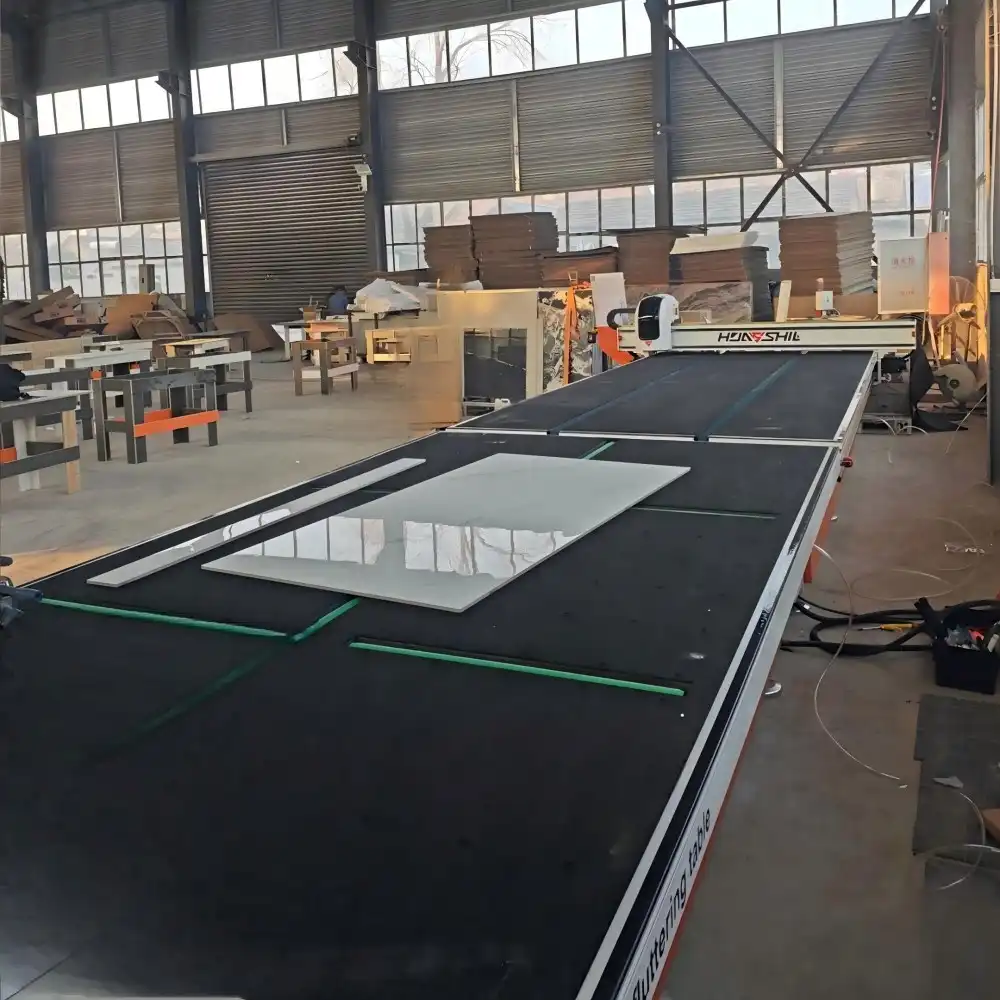
Manufacturing Advantages and Quality Benefits
With glass double edging machine technology, both production efficiency and final quality can be measured to be better. When both edges are processed at the same time, cycle times are cut by about 40% compared to when tasks are done one at a time. This increase in efficiency directly leads to a rise in throughput capacity, which lets makers meet tight delivery deadlines without lowering quality standards.
Edge accuracy improvements make furniture much safer and look better. The smooth sides get rid of any sharp spots that could hurt someone while handling or using the furniture. This meets safety standards and gives the furniture the high-end look that customers expect from good furniture. Better process control means less wasted material, and precision placement systems keep glass from breaking and edges from having problems that need to be fixed.
As companies focus on running more environmentally friendly businesses, energy-saving issues become more significant. Modern machines for bilateral edging have variable-speed drives and motor configurations that are designed to use less power while still meeting performance standards. These improvements in efficiency help bring down running costs and make sure that environmental rules are followed better.
Key Factors to Consider When Choosing a Glass Double Edging Machine
To choose the right edging equipment, you need to think about production needs, technical specs, and how the equipment will be used in the long term. The choice has an effect on the amount that can be made, the consistency of the quality, and the general competitiveness of manufacturing.
Production Capacity and Throughput Analysis
The amount of glass that needs to be processed decides how much automation and machine sophistication are needed for the best results. Small furniture companies that make less than 100 panels a day may be able to get good results with semi-automatic systems that let them add the panels by hand and process them automatically at other times. These tools make precision edging easy and affordable, and they keep up quality standards good for custom furniture uses.
Fully automatic glass bilateral edging machines with built-in conveying systems and programmable processing settings are useful for medium-sized businesses that handle 100 to 500 panels per day. The servo motor-controlled material handling cuts down on the amount of work that needs to be done by hand and makes sure that the placement is always accurate over long production runs. Positioning systems driven by encoders allow for quick changes between different glass sizes, which cuts down on setup time and increases output.
Large makers need automated lines that can work quickly and handle more than 500 panels per day with little help from an operator. To be as efficient as possible, these systems have improved process monitoring, automatic quality inspection, and built-in material handling. Investing in high-tech machinery pays off by lowering the cost of labor and making quality more consistent.
Technical Specifications and Compatibility Requirements
For furniture production, the compatibility of glass thickness is a very important selection factor. Standard tools can work with glass that is 3 mm to 19 mm thick, which is thick enough for most furniture uses like tabletops, shelves, and artistic panels. For some special uses, you might need a wider range of thicknesses or a custom grinding wheel setup to get the edge profiles you want.
The requirements for edge quality must match the intended use of the furniture and the standards of the target market. Rough grinding removes large amounts of material and sets the basic shape of the edges. Fine grinding and finishing create the smooth, clear finish that is necessary for high-end furniture. The two grinding wheels make sure that the results are the same for all types and sizes of glass.
When choosing equipment, machine footprint and facility integration are important things to think about, especially for manufacturers who work in facilities with limited space. Compact bilateral edging machines take up less floor space but can still handle processing tasks for medium-sized businesses. Larger automatic systems need enough room for the equipment that moves things and for the user to get to it.
Operational Cost Analysis and Energy Efficiency
A machine's total cost of ownership includes more than just the price it was bought for. It also includes installation, training, upkeep, and the amount of energy it uses over its lifetime. Optimized processing processes and motor configurations that use less energy, lower ongoing operating costs, and help meet environmental sustainability goals.
The amount of maintenance needed for manual and automatic methods is very different. Simple machines with fewer automated parts usually don't need as much specialized repair knowledge, but they may need to be tended to more often by an operator. More advanced automatic systems have diagnostic and predictive maintenance systems that lower unplanned downtime but need specialized expert support.
Training and skill development affect how well operations run and how consistently good the quality is. Interfaces that are easy to use make training operators easier and lower the chance of processing mistakes. Equipment providers offer thorough training programs to make sure that operators know how to set up, operate, and do basic maintenance in a way that gets the best results.
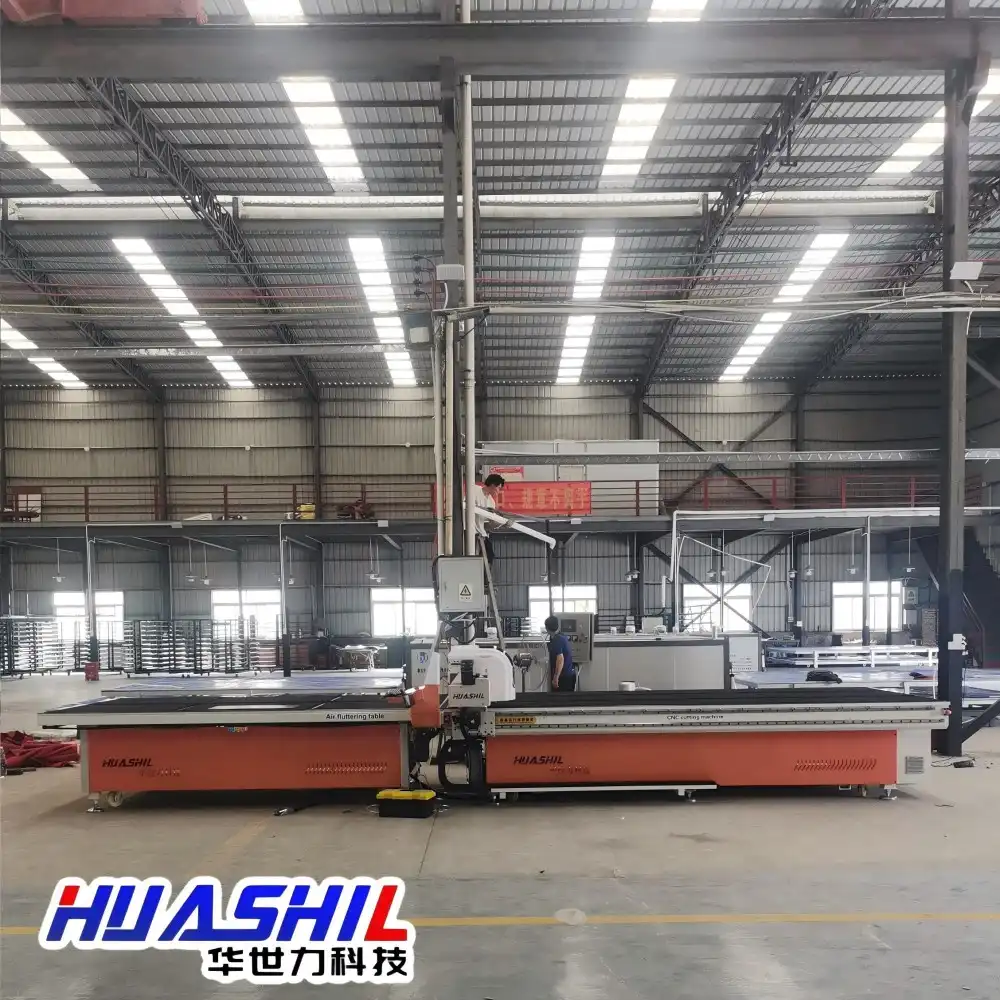
Comparative Analysis: Selecting the Optimal Machine for Your Business
When choosing glass edging tools, you have to weigh the pros and cons of different technologies based on your business's needs and goals. Knowing what each type of machine can and can't do helps you make smart decisions that will help your business succeed in the long run.
Double Edging Versus Single Edging Technology
Machines with two edges are more efficient and produce more consistent quality than machines with only one edge, especially when making a lot of furniture. When both edges are processed at the same time, alignment problems that can happen when edges are processed one after the other are avoided. This advantage in precision is especially useful for furniture uses where the quality of the edges has a direct effect on how the product looks and how happy the customer is with it.
When processing a medium to large amount of data, the time savings become important. Compared to sequential single-edge processing, double edging usually cuts cycle times by 35–45%. This lets manufacturers increase throughput without having to pay more for workers. The higher level of efficiency helps keep prices low while keeping the quality standards that are necessary for success in the market.
Processing both edges at the same time makes sure that they are treated the same, which improves quality stability. There may be small changes between edges after a single edging operation because of differences in positioning or process parameter drift. With double cutting, these possible flaws are eliminated, so the quality of the edges is the same throughout the whole production run.
Automation Levels and Technology Integration
Manual glass double edging machines are a cheap way to do small jobs or specialized tasks that need to be set up and taken down often. Operators move the glass, set the processing settings, and move the materials by hand, which gives them the most freedom for custom work. Manual systems take a lot of work, but they give you precise control over each piece and can meet special needs that automated systems might not be able to.
Automated processing processes are part of semi-automatic systems, but loading and positioning are still done by hand. When compared to fully manual alternatives, these tools give consistent edge quality while requiring less skill from the operator. The opening and closing mechanisms are controlled by encoders to make sure the positioning is correct, and the working speeds are kept steady by servo motors. This level of automation is good for medium-sized businesses that want to be more efficient without having to deal with all the details of full automation.
Fully automatic two-sided edging tools get the job done faster and better every time because they handle materials automatically, place them correctly, and let you set the parameters for the process. Modern systems have features like quality control, automatic adjustments, and planned upkeep that require less work from the operator. These methods are worth the extra money they cost at first because they are more efficient, require less work, and produce better results every time.
Brand Reputation and Technology Leadership
Manufacturers of well-known equipment usually offer better technical support, easy access to spare parts, and a track record of reliability that lowers operating risks. Businesses like Huashil Automation Technology have become experts in glass processing tools and can offer customers tried-and-true solutions and full support services. Their experience with making furniture makes sure that the designs of their tools work well in real-world production situations.
Leading makers are different from commodity suppliers because they can come up with new ideas. Advanced features like programmable edge profiles, built-in quality tracking, and the ability to do diagnostics from a distance give the product a competitive edge that justifies its higher price. Most of the time, these technological changes lead to measurable improvements in quality, productivity, or operational efficiency that help businesses meet their return on investment goals.
The level of after-sales support has a big effect on how well an operation does in the long run. Technical help that is quick to respond, spare parts that are easy to find, and thorough training programs all work together to make sure that equipment is always working at its best. Long periods of downtime that can mess up production plans and customer commitments are less likely to happen when manufacturers have strong support networks.
Practical Guide: Installation, Operation, and Optimization
Implementing a glass cutting machine correctly requires careful planning, following the right steps for installation, and ongoing efforts to make it work better. These things decide whether investments in equipment meet the quality and productivity goals that were set.
Professional Installation and Initial Setup
The stable operation of the machine and the best edge quality depend on the base being properly prepared. Glass double edging machines need mounting areas that are level, don't vibrate, and keep the machine from moving while it's working. For precise glass processing, supports made of concrete that are the right thickness and have the right amount of reinforcement are needed. For safety and efficiency, the electrical infrastructure must meet the needs of the motor, including having enough power and the right way to ground it.
Calibration methods set baseline performance parameters that make sure the quality of the edges stays the same. Adjusting the positions of the grinding wheels, checking the accuracy of the encoders, and setting up the processing parameters for different kinds of glass are all part of the initial setup. Professional installation experts know how to make these settings work best, which cuts down on startup time and makes sure that the system works at its best right from the start.
Training programs for operators teach people the information and skills they need to use equipment safely and effectively. Full training includes how to use the machine, how to stay safe, how to do simple maintenance, and how to fix problems. Well-trained operators get the most out of their tools while lowering the risk of accidents or mistakes that could damage glass or equipment.
Daily Operations and Quality Optimization
Daily operating methods that are always the same keep equipment performance and edge quality standards high. Pre-operation inspections check the state of the grinding wheel, the level of the fluid, and the safety system to make sure it works. These regular checks find problems before they affect production, which saves money by avoiding costly downtime or poor quality.
Optimizing process parameters improves edge quality while cutting down on waste and processing time. The four motors for grinding give operators exact control over the speed and pressure of the grinding, so they can change the settings for different types of glass and thickness ranges. By fine-tuning these settings based on the properties of the glass and the quality standards, the best results are guaranteed for every production run.
By keeping an eye on quality during production runs, trends or differences that need attention can be found. Regular inspections of the edge quality using standard criteria help keep results consistent and show when repairs or changes need to be made. Keeping records of process factors and quality results helps with efforts to improve all the time and with finding solutions to problems when they happen.
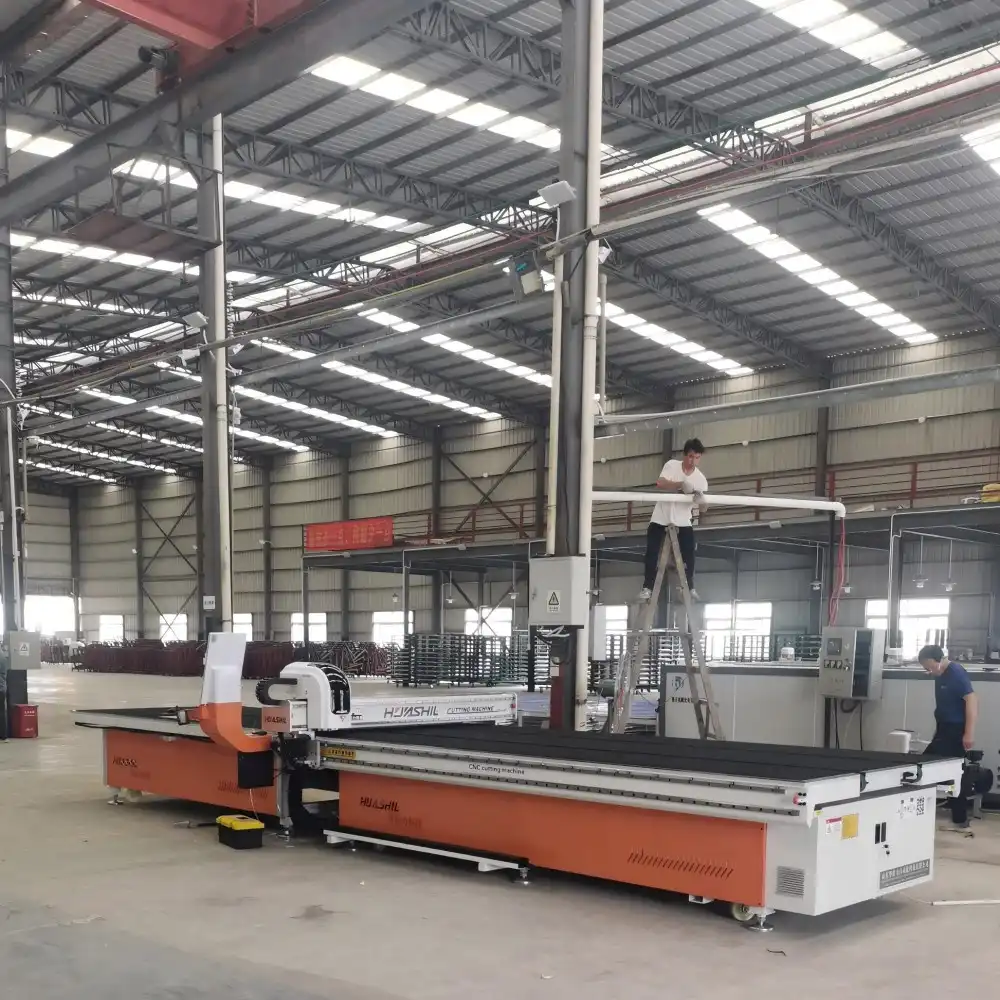
Maintenance Protocols and Performance Optimization
Daily repair tasks keep equipment in good shape and stop it from breaking down without warning. By inspecting and cleaning the grinding wheel, glass debris that could hurt the quality of the edge or cause it to wear out too quickly is removed. Following the manufacturer's instructions for lubricating moving parts makes sure they work smoothly and increases the life of the parts. These everyday jobs don't take long, but they have a big effect on long-term dependability.
Maintenance processes that are done once a month take care of parts that need regular attention. Verification of the encoder's calibration makes sure that the position is correct across the 0.2- to 1.5-meter correction range. Monitoring the performance of servo motors finds problems before they lead to positioning issues or slower processing speeds. Hydraulic and cooling systems work best when filters are changed and fluids are changed regularly.
As part of the equipment's annual upkeep, all of its parts are inspected and replaced as needed. Replacing the grinding wheel keeps the edge quality at its best and keeps glass or machine parts from getting damaged. Professional technician checks find patterns of wear and possible problems that need to be fixed. These thorough repair efforts extend the life of equipment and keep it performing at its best.
Case Studies and Industry Insights
Real-life examples show how strategic investments in glass double edging machines can help in the real world and lead to measurable improvements. These examples can help makers make better decisions about similar pieces of equipment.
Successful Implementation Examples
A medium-sized furniture company that specializes in glass eating tables became much more productive after switching from hand-cutting the edges to using an automatic glass bilateral edging machine. The new equipment cut the time it took to handle each panel from 12 minutes to 7 minutes. It also improved edge quality consistency by getting rid of differences in how the work was done by different people. The business was able to take on bigger orders and reach more customers because its annual production capacity went up by 60% without having to pay more for labor.
In this implementation, quality gains were just as important. Within six months of installing the equipment, customer comments about edge quality dropped by 85%. The uniform edge finish got rid of the need for rework on about 8% of the production, which cut down on waste and the costs that come with it. These improvements in quality helped premium pricing strategies that increased profits while keeping the company's place in the market.
Another furniture company that makes custom shower screens got a lot out of investing in advanced bilateral edging technology with programmable edge profiles. Being able to make exact edge geometries got rid of the need for extra processing, which cut down on handling and the chance of breaking. Customer happiness scores went up a lot because the edges were better and the sizes were more accurate, which made installation easier and improved the look in the end.
Technology Trends and Future Developments
With smart plant ideas and Industry 4.0 technologies, automation integration keeps getting better. More and more, modern glass edging machines have sensors, data collection tools, and remote tracking systems that let you plan maintenance ahead of time and improve performance in real time. These technological advances cut down on downtime, make quality more consistent, and give useful production data for efforts to keep getting better.
More people are concerned about the environment, and operating costs are pushing businesses to become more energy efficient. Intelligent power control systems, motor configurations that work best, and variable frequency drives all help cut down on energy use while keeping performance levels high. These improvements in efficiency help reach goals for sustainability while lowering costs that hurt competitiveness.
The ability to customize grows to meet the needs of a wider range of furniture manufacturers. Modern programming tools make it easy to quickly change the setup for various edge profiles, glass types, and processing settings. This adaptability backs up the ideas of lean production and lets furniture makers quickly adapt to changing market needs without lowering quality or efficiency.
Conclusion
To choose the best Glass Double Edging Machine for making furniture, you need to carefully consider your production needs, technical requirements, and long-term business goals. Modern bilateral edging technology has big benefits over older methods because it can process two edges at the same time, which makes it more efficient and consistent in quality. Some important things to think about when making a choice are the amount of automation needed, the production rate needed, and the total cost of ownership, all of which affect the long-term profitability. Proper installation, thorough operator training, and ongoing repair programs that keep equipment working well and reliably are all important for a successful implementation. As the process of making furniture moves toward higher quality standards and greater efficiency, engaging in cutting-edge glass edging technology gives businesses a competitive edge that helps them grow over the long term.
FAQ
Q1: What maintenance activities are essential for preserving machine performance and lifespan?
Daily maintenance includes grinding wheel inspection and cleaning to remove glass debris, lubrication of moving components according to manufacturer specifications, and verification of safety system functionality. Monthly activities involve encoder calibration checks, servo motor performance monitoring, and filter replacement. Annual comprehensive inspections by qualified technicians ensure optimal performance and identify potential issues requiring attention.
Q2: How do I choose between automatic and manual machines based on production scale?
Manual machines suit small-scale operations processing fewer than 100 panels daily, offering flexibility for custom work at a lower initial cost. Semi-automatic systems work well for medium-scale operations handling 100-500 panels daily, providing improved efficiency while maintaining setup flexibility. Fully automatic machines optimize high-volume operations exceeding 500 panels daily, delivering maximum efficiency and quality consistency through advanced automation.
Q3: Does the company provide comprehensive training for equipment operation?
Huashil provides extensive training programs covering equipment operation, safety protocols, quality optimization, and basic maintenance procedures. Our technical experts deliver hands-on instruction at customer facilities, ensuring operators understand proper procedures and safety requirements. Ongoing technical support and additional training resources help maximize equipment potential and maintain optimal performance throughout the equipment's operational lifetime.
Contact HUASHIL for Your Glass Processing Solutions
Ready to enhance your furniture manufacturing capabilities with precision glass edging technology? HUASHIL's experienced team stands ready to help you select the ideal bilateral edging solution for your specific production requirements. Our comprehensive consultation process evaluates your current operations, identifies optimization opportunities, and recommends equipment configurations that maximize efficiency and quality. Contact our technical specialists at salescathy@sdhuashil.com to discuss your glass processing challenges and discover how our advanced glass double edging machine for sale can transform your production capabilities.
References
1. Glass Manufacturing Industry Report: Automation Trends in Furniture Glass Processing, Industrial Equipment Analysis, 2024.
2. Furniture Manufacturing Technology Guidelines: Edge Processing Standards and Quality Requirements, American Furniture Manufacturers Association, 2023.
3. Glass Processing Equipment Performance Study: Productivity Improvements Through Advanced Edging Technology, Manufacturing Technology Institute, 2024.
4. Safety Standards for Glass Processing Equipment in Furniture Manufacturing: Operational Guidelines and Best Practices, Industrial Safety Council, 2023.
5. Energy Efficiency in Glass Manufacturing: Sustainable Equipment Solutions for Modern Production Facilities, Environmental Manufacturing Journal, 2024.
6. Quality Control Systems in Glass Furniture Production: Edge Processing Technology and Performance Metrics, Furniture Industry Technical Review, 2023.
