




To get very precise results when working with glass, you need to do more than just buy the right tools. You also need to understand how advanced technology, proper maintenance, and operational skills all work together. A furniture glass machine takes raw glass and turns it into polished pieces that are used in architecture, custom furniture, and art projects. When procurement managers, furniture glass machine, and production directors look at CNC glass cutting systems, it can be hard to find a balance between the need for precision and the need to get work done quickly while also making sure that the system will work well in the long run. Modern automated glass processing equipment uses computer numerical control, optimisation software, and real-time tracking to make sure that the accuracy is the same for all sizes and thicknesses of glass. When you buy machinery for your building, you're not just buying hardware; you're also setting the stage for better quality control, less waste, and a competitive edge in a market that is becoming more demanding.
Understanding How Furniture Glass Machines Work
Core Components and Digital Integration
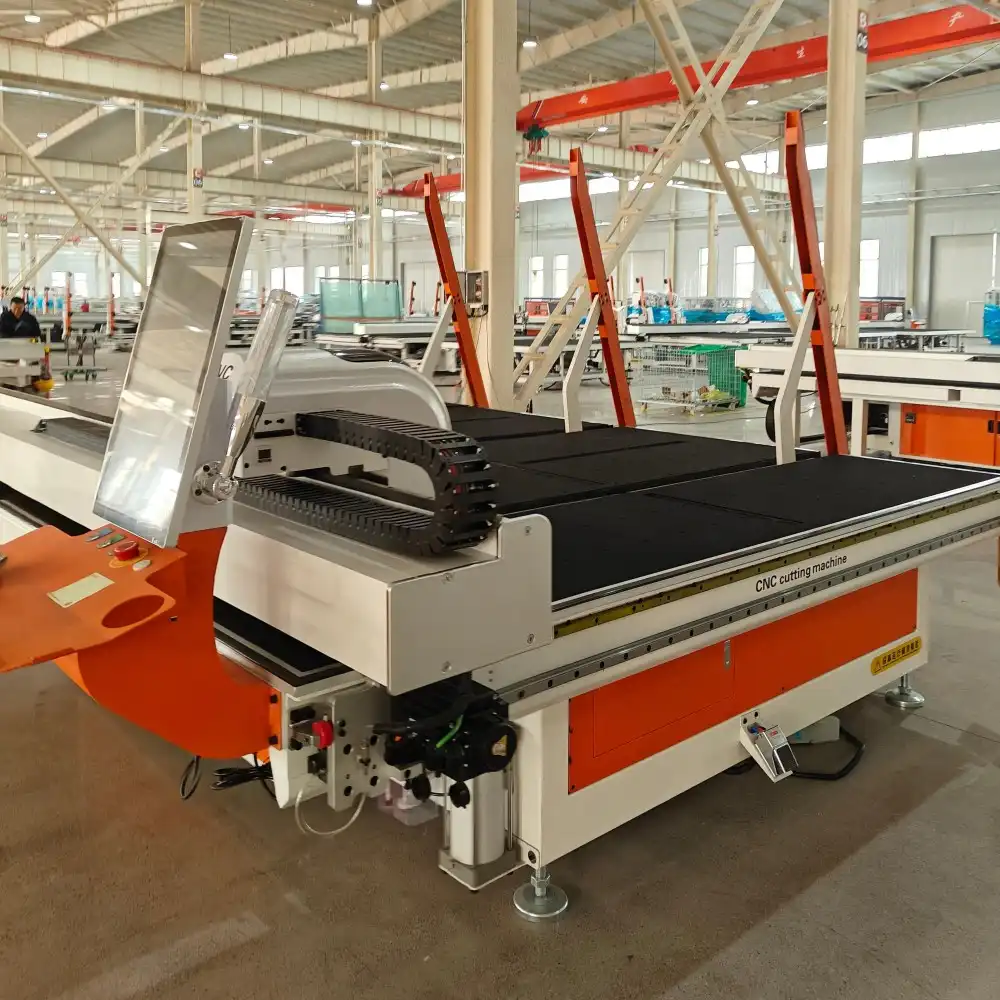
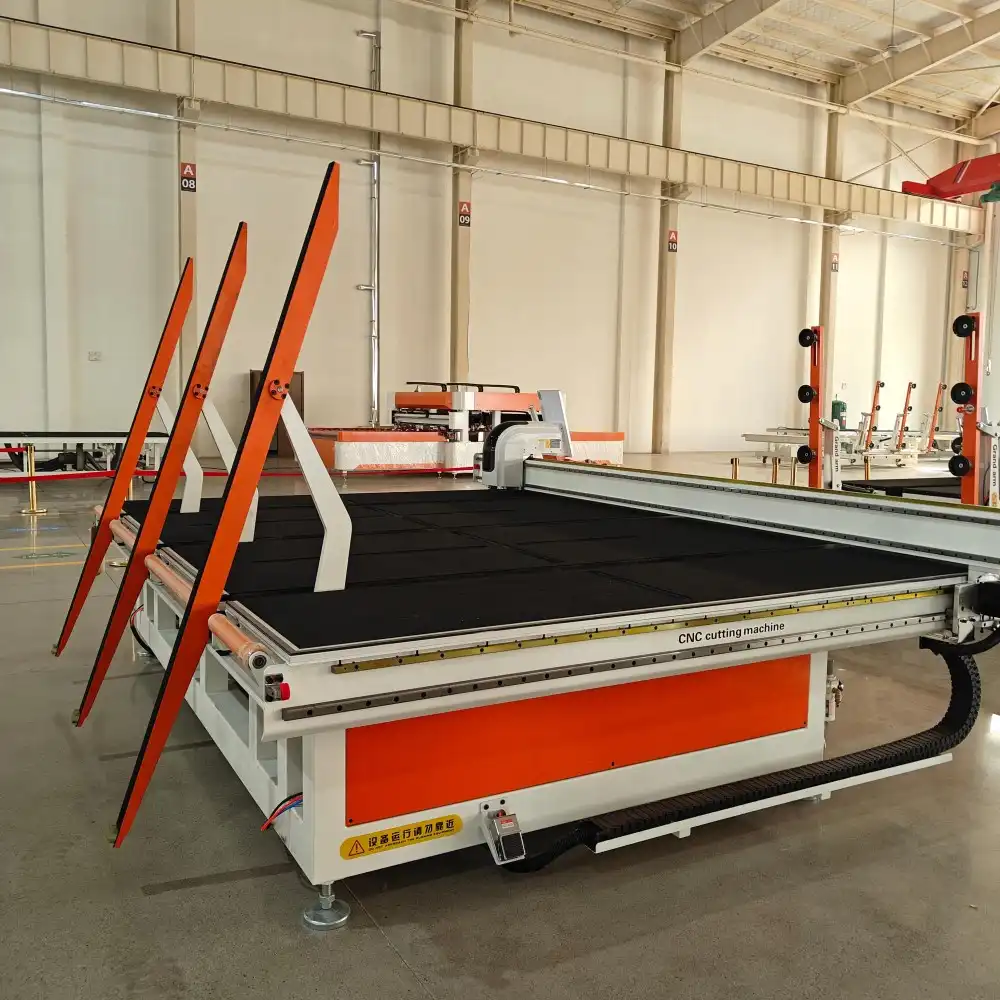
Modern CNC systems for processing glass use both precise mechanics and complex software to make sure that the quality is always the same. The Optima optimisation software in the HSL-CNC3829 model shows how this integration works by finding the best cutting paths to reduce material waste and increase output. This system can work with glass that is 2 mm to 19 mm thick and has working dimensions of up to 3600 x 2800 mm. It can handle a wide range of production needs, from small shower door panels to large architectural glazing. The air flotation system on the machine suspends glass sheets on cushioned airflow, which eliminates surface friction that could affect the accuracy of positioning. Automatic pressure control changes the cutting force based on the thickness and composition of the glass. This stops microfractures that cause finished goods to break too soon. Professional-grade tools have this adaptive response, which sets them apart from entry-level tools that put the same amount of pressure on all materials.
Automation Levels and Functional Processes
In order to process glass, it must first be cut to rough measurements, then edge-ground to get rid of any sharp edges, then holes must be drilled for mounting hardware, and finally, the glass must be polished to make it clear. When you use a manual method, an operator has to step in between each stage, which adds variation. Some parts of semi-automatic machines are automated, but moving between places has to be done by hand. Fully automated lines combine all tasks with robotic handling, ensuring consistent output quality over long production runs. The 360-degree remote control walking function lets operators change the position of machines without going into the work area directly, which increases safety while maintaining precise alignment. Automatic edge finding checks the edges of the glass before cutting it, making up for the small differences in position that happen when the furniture glass machine is loaded by hand. All of these features work together to cut down on setup time and the level of skill needed for correct operation.
Practical Tips to Maximize Precision and Efficiency
Identifying and Resolving Bottlenecks
Calibration drift represents the most common precision degradation source. Machine reference points shift gradually through thermal expansion, mechanical wear, and vibration accumulation during operation. Without scheduled verification, these deviations compound until dimensional accuracy falls outside acceptable ranges, generating increased scrap rates and customer complaints that damage relationships and erode profitability. Tool degradation follows predictable patterns based on the material processed and the cutting parameters applied. Diamond cutting wheels maintain sharp geometry for specific linear distances before edge radius increases beyond optimal specifications. Operating beyond recommended tool life produces rough edges requiring additional polishing, which extends cycle time and increases finishing costs. Implementing tool replacement schedules based on actual cutting distance rather than arbitrary time intervals optimizes both edge quality and operational efficiency. Environmental variables, including ambient temperature fluctuations and humidity changes, affect glass material properties and machine component dimensions. Production facilities lacking climate control experience accuracy variations between morning startup and afternoon peak temperatures as steel structural components expand. Installing thermal breaks and implementing temperature-compensated calibration routines mitigates these effects in cost-sensitive environments where full climate control proves economically impractical.
Optimization Strategies for Sustained Performance
Scheduled maintenance prevents unexpected downtime that disrupts production schedules and delays customer deliveries. Weekly inspection routines verify critical alignment points, lubrication levels, and pneumatic system pressures that affect positioning accuracy. Monthly deep-cleaning removes accumulated glass dust from linear guides and optical sensors, preventing interference that triggers false readings and positioning errors. Advanced software platforms like Optima continuously analyze cutting patterns to optimize glass sheet utilization. The system nests multiple part profiles on single sheets, minimizing waste through an intelligent arrangement that human operators struggle to visualize effectively. This computational approach routinely achieves 5-10% material savings compared to manual layout methods, directly improving margin on material-intensive projects. Operator training extends beyond basic machine operation to include diagnostic troubleshooting that resolves minor issues before they escalate into production-stopping failures. Teaching maintenance staff to recognize early warning signs—unusual vibration patterns, inconsistent edge quality, or prolonged cycle times—enables proactive intervention that maintains consistent output quality. Comprehensive training reduces dependency on external service technicians for routine adjustments, lowering operating costs while improving response speed when issues emerge.
Choosing the Right Furniture Glass Machine for Your Business Needs
Evaluation Framework for Equipment Selection
Precision requirements directly influence equipment selection. Furniture manufacturers producing glass tabletops with furniture glass machine-polished exposed edges require tighter tolerances than window fabricators supplying framed architectural units. Matching machine capabilities to actual application demands prevents paying premium prices for unused precision while ensuring adequate accuracy for your specific product portfolio. Processing speed affects production capacity calculations. The HSL-CNC3829 achieves rapid cutting speeds through high-speed spindle motors and optimized motion control algorithms that minimize acceleration/deceleration intervals between cutting segments. However, maximum theoretical speed differs from practical throughput, which includes loading time, sheet positioning, cutting operations, and unloading cycles. Evaluating the complete cycle time provides realistic capacity projections for production planning. Automation level determines labor requirements and the consistency achievable. Manual loading systems require skilled operators who position glass accurately and verify setup before initiating cutting cycles. Fully automated systems with robotic handling reduce direct labor costs while improving repeatability through the elimination of human positioning variability. The optimal automation level balances capital investment against labor rates and production volume requirements specific to your operation.
Comparing Performance Against Investment
The HSL-CNC3829 achieves compelling value through CE and ISO9001 certification, demonstrating compliance with international safety and quality standards that many procurement specifications mandate. These certifications reduce qualification overhead when bidding projects requiring documented equipment credentials, accelerating approval processes and expanding accessible market opportunities. Machine footprint affects facility layout efficiency. Compact designs maximize production density in space-constrained facilities, though larger machines typically offer expanded working envelopes that accommodate oversized glass sheets without requiring cutting into multiple pieces. Calculating total space requirements, including material staging areas, finished goods storage, and maintenance access zones, provides realistic facility planning parameters beyond simple machine dimensions. Energy consumption directly impacts operating costs over equipment lifespan. Modern systems incorporate variable-speed motors and standby modes that reduce power draw during idle periods between cutting cycles. Comparing energy specifications between competing models reveals long-term cost differences that accumulate significantly across multi-shift operations, potentially justifying higher initial capital expenditure through reduced utility expenses.
Ensuring Long-Term Precision Through Maintenance and Safety
Preventive Maintenance Best Practices
Routine inspection protocols verify machine geometry remains within specification. Using precision measuring instruments to check reference surfaces, guide rail alignment, and spindle runout detects wear patterns before they compromise part accuracy. Documenting measurement results establishes baseline performance and tracks degradation trends that inform predictive maintenance scheduling, preventing unexpected failures during critical production periods. Cleaning procedures remove abrasive glass particles that accelerate component wear. Daily removal of dust accumulation from linear guides prevents grinding paste formation when particles mix with lubricants, creating abrasive compounds that damage precision bearing surfaces. Compressed air systems with appropriate filtration provide effective cleaning without introducing moisture that promotes corrosion on ferrous components. Genuine replacement parts maintain original equipment performance specifications. Aftermarket substitutes claiming compatibility often use inferior materials or relaxed tolerances that compromise precision and reliability. While potentially offering cost savings on initial purchase, these components typically exhibit shorter service life and reduced accuracy, ultimately increasing total ownership costs through more frequent replacement cycles and degraded output quality affecting the saleable product.
Safety Protocols and Regulatory Compliance
Machine guarding prevents operator contact with moving components during cutting operations. Interlocked safety gates halt machine motion when opened, protecting maintenance personnel performing adjustments or repairs. Emergency stop buttons positioned at multiple locations around the equipment perimeter enable rapid shutdown response to unexpected situations, minimizing injury severity and equipment damage during anomalous events. Personal protective equipment requirements include safety glasses protecting against glass chip projection and gloves preventing cuts during manual handling operations. Establishing mandatory equipment policies and monitoring compliance through regular observation reinforces a safety culture that reduces workplace accidents affecting both employee welfare and production continuity through avoided lost-time incidents. Compliance documentation demonstrates adherence to occupational safety regulations governing industrial equipment operation. Maintaining calibration certificates, maintenance logs, and operator training records satisfies regulatory audit requirements while providing liability protection should workplace incidents occur. This documentation proves due diligence in maintaining safe working conditions and following manufacturer recommendations for proper equipment utilization.
Industry Trends and Future Outlook for Furniture Glass Machines
Technology Integration and Intelligence
Artificial intelligence algorithms analyze historical production data to recommend optimal cutting parameters for specific glass types, furniture glass machine, and thicknesses. Machine learning models identify patterns correlating parameter adjustments with edge quality outcomes, automatically refining settings to maintain consistent results despite material property variations between glass suppliers or product batches. This adaptive optimization reduces setup time and minimizes trial-and-error experimentation traditionally required when processing unfamiliar materials. Predictive maintenance systems monitor vibration signatures, power consumption patterns, and acoustic emissions to detect component degradation before functional failure occurs. Sensors continuously compare operational parameters against baseline signatures, triggering maintenance alerts when deviations exceed threshold levels, indicating impending component failure. This proactive approach schedules repairs during planned downtime rather than reacting to unexpected breakdowns that disrupt production schedules and delay customer commitments. IoT connectivity enables remote monitoring and diagnostics, supporting distributed manufacturing operations. Production managers access real-time equipment status, cycle completion rates, and quality metrics from centralized dashboards regardless of physical location. Remote troubleshooting by equipment manufacturers accelerates problem resolution through direct diagnostic access, reducing response time compared to traditional service models requiring technician travel to facility locations.
Sustainability and Efficiency Mandates
Energy-efficient designs reduce environmental impact while lowering operating costs. Regenerative braking systems capture kinetic energy during motion deceleration, returning power to facility electrical systems rather than dissipating as waste heat. LED lighting replacements for legacy halogen work illumination reduce power consumption while improving visibility and extending maintenance intervals through longer service life. Material optimization software minimizes glass waste through intelligent nesting algorithms that extract maximum yield from standard sheet sizes. Reducing scrap percentages directly decreases raw material consumption and disposal costs while improving profitability through better resource utilization. These gains accumulate significantly across high-volume production environments processing multiple sheets daily. Water recycling systems in cooling and polishing operations reduce municipal water consumption and wastewater discharge. Closed-loop designs filter and recirculate process water, removing glass particulates through settling tanks and filtration media. This approach proves particularly valuable in regions facing water scarcity or discharge restrictions limiting manufacturing expansion without infrastructure improvements.
Conclusion
Maximizing precision with glass processing equipment requires integrating advanced technology, disciplined maintenance practices, and informed procurement decisions aligned with specific operational requirements. The HSL-CNC3829 demonstrates how modern CNC systems combine automation features—automatic pressure control, edge finding, and air flotation—with optimization software to deliver consistent accuracy across diverse applications. Evaluating equipment capabilities against actual tolerance needs, production volume requirements, and automation level preferences ensures optimal investment decisions that balance capability with cost-effectiveness. Implementing structured maintenance protocols, comprehensive operator training, and genuine parts utilization sustains long-term precision while maximizing equipment lifespan and return on investment.
FAQ
1. How often should I calibrate my CNC glass cutting equipment?
Calibration frequency depends on production volume and precision requirements. High-volume operations processing 20+ sheets daily benefit from weekly verification of critical alignment points and monthly comprehensive calibration cycles. Lower-volume facilities running 5-10 sheets daily may extend intervals to bi-weekly verification with quarterly comprehensive calibration. Monitoring output quality provides an early indication when calibration intervals prove inadequate for maintaining required tolerances.
2. What precision advantages do automatic machines offer compared to manual systems?
Automated equipment eliminates human positioning variability that introduces dimensional inconsistency across production runs. Robotic handling places glass sheets within ±0.1mm repeatability compared to ±1-2mm typical of manual loading. This consistency proves critical for furniture applications requiring tight assembly tolerances and visible edge alignment where discrepancies become aesthetically objectionable in finished installations.
3. Can pre-owned glass cutting machines maintain adequate precision?
Previously-owned equipment requires a thorough evaluation of wear patterns, maintenance history, and remaining service life on critical components. Machines demonstrating documented maintenance records and recent component replacement may offer acceptable precision at reduced capital expenditure. However, equipment lacking maintenance documentation or exhibiting visible wear on guide rails, spindles, or structural components risks hidden degradation that compromises accuracy and reliability, potentially creating greater total costs through increased downtime and quality issues.
Ready to Elevate Your Glass Processing Capabilities?
HUASHIL delivers precision-engineered furniture glass machine solutions backed by ISO9001 certification and furniture glass machine comprehensive technical support. Our HSL-CNC3829 model combines advanced automation features with Optima optimization software to maximize material utilization while maintaining exceptional accuracy across 2-19mm glass thicknesses. As an experienced glass machinery manufacturer, we understand the unique challenges facing furniture fabricators, architectural glass processors, and custom component producers. Contact our technical team at salescathy@sdhuashil.com to discuss equipment specifications tailored to your production requirements and discover how our cutting solutions can enhance your operational efficiency.
References
1. Glass Processing Technology Association. "Precision Standards in Automated Glass Cutting Systems." Industrial Glass Manufacturing Quarterly, 2023.
2. Chen, W. & Roberts, M. "CNC Control Systems for Architectural Glass Fabrication." Journal of Manufacturing Systems Engineering, Vol. 48, 2024.
3. International Glass Equipment Conference. "Optimization Software in Modern Glass Processing Lines." Conference Proceedings, Munich, 2023.
4. Thompson, R. "Predictive Maintenance Strategies for Glass Manufacturing Equipment." Industrial Maintenance & Plant Operation Journal, 2024.
5. European Committee for Standardization. "Safety Requirements for Glass Processing Machinery: EN 12543 Standards Review." Technical Documentation, 2023.
6. Martinez, L. & Kim, S. "Energy Efficiency in Automated Glass Cutting Systems." Sustainable Manufacturing Review, Vol. 29, 2024.
