




Of course. Using a modern stonecutter is much faster, more accurate, and less expensive than doing things by hand. Automation, advanced blade technology, and precise control systems are all built into the best stone cutting machine to cut down on work needs while increasing output. When industrial workers move from manual to mechanized cutting, their output always goes up by more than 40%. This efficiency comes from uniform cut quality, little material waste, and less tiredness among operators, all of which have a direct effect on your bottom line.
Introduction
Every decision in today's harsh business environment depends on efficiency. Curtain wall factories, sintered stone manufacturing lines, and creative glass operations all need the correct cutting technology. It impacts project duration, cost, and quality. After years of working with production directors, engineering managers, and procurement experts, they all face escalating labour costs, uneven quality output, and pressure to speed up delivery schedules without reducing safety requirements.
Stonecutting's purchase efficiency is examined in this guide. We'll compare automatic and manual options, examine performance-boosting features that matter, and provide safety tips, maintenance tips, and sensible buying advice. Our mission is to provide you with the technical expertise and market information you need to choose capital equipment that boosts output and reduces operational hazards.
Understanding Stonecutting Efficiency: Why It Matters?
Defining Efficiency in Industrial Operations
Working speed (number of cuts per hour), cost-effectiveness (total cost of ownership), cutting precision (accuracy within limits), and safety compliance (avoiding accidents and following safety guidelines) all affect stonecutting efficiency. Production facilities measure various materials differently, but the objective is to maximise output quality while lowering resource consumption.
Manual Methods Versus Mechanized Solutions
Traditional stonecutting results vary due to competence. A skilled craftsperson can deal with softer materials, although granite and artificial quartz are quite inconsistent. Computer-controlled motions and conventional cutting settings in mechanised systems eliminate this variance, regardless of user experience.
Common Challenges Impacting Throughput
Material hardness changes make even expert hand tool users' duties difficult. The blade bends, and dimensions alter while cutting sintered stone and clay particles by hand due to their differing densities. Mistakes propagate throughout the production process, requiring extra effort and material loss. Reduced employment of expert stonecutters each year exacerbates these issues. Best stone cutting machine systems tackle these difficulties by maintaining cutting settings and reducing skill requirements.
Comparing Stonecutters to Traditional Stone Cutting Methods
Limitations of Conventional Techniques
Traditional methods limit what can be done. As shifts go, hand-cutting fatigues operators, lowering cut quality. Labour expenses account for 60–70% of the manufacturing budget when doing things by hand. Rough cuts and operator errors might waste 15–20% of the material. Working with pricey materials like imported marble or constructed surfaces is especially true.
Hand tools increase safety concerns. Too much vibration from portable saws might create long-term joint problems. Lack of high-tech filtration equipment makes dust control difficult, endangering your health. Uneven blade angles increase kickback incidents. Work safety data shows 30% of stone manufacturing injuries are kickback incidents.
Advantages of Modern Automated Systems
Modern stone cutting equipment can convert these issues into business advantages. Precision cutting methods maintain dimensions within ±0.1mm, minimising costly repair operations. Automatic pressure control systems adjust blade feed rates based on real-time resistance. This prevents blade damage and extends their lifespan by 40–50%.
Modern equipment prevents dust at its source with moist cutting. This improves air quality over hand settings. Operator fatigue is reduced via ergonomic workplace designs and safety interlocks that prevent blade contact. These designs reduce injuries by 75% over standard procedures. Architectural glass manufacturers report that automation methods produce 2.5 to 3 times more than manual procedures, with 60% fewer direct labour.
Real-World Performance Comparisons
A curtain wall fabricator in the southwest US documented their move from manual to automated cutting. They manually processed 45 panels every day with three people and reworked close to 12%. The firm made 120 panels per day with two people after adding automatic cutting equipment. Also, the rework decreased below 3%. The reduction in material waste from 18% to 6% saved over $180,000 in material expenses. The tools they bought paid for themselves in 14 months, far less than their 24-month objective.
Exploring the Best Stone Cutting Machines for Your Business Needs
Machine Categories and Applications
Different stone cutting tools perform better in different situations. Workers in different regions and smaller projects benefit from portable electric kinds since they are easy to transport and set up. Bridge saws are most frequent for mid-sized operations requiring stable performance on materials up to 3000mm long. CNC-controlled devices cut accurately for complicated shapes and huge production runs, the most modern automation.
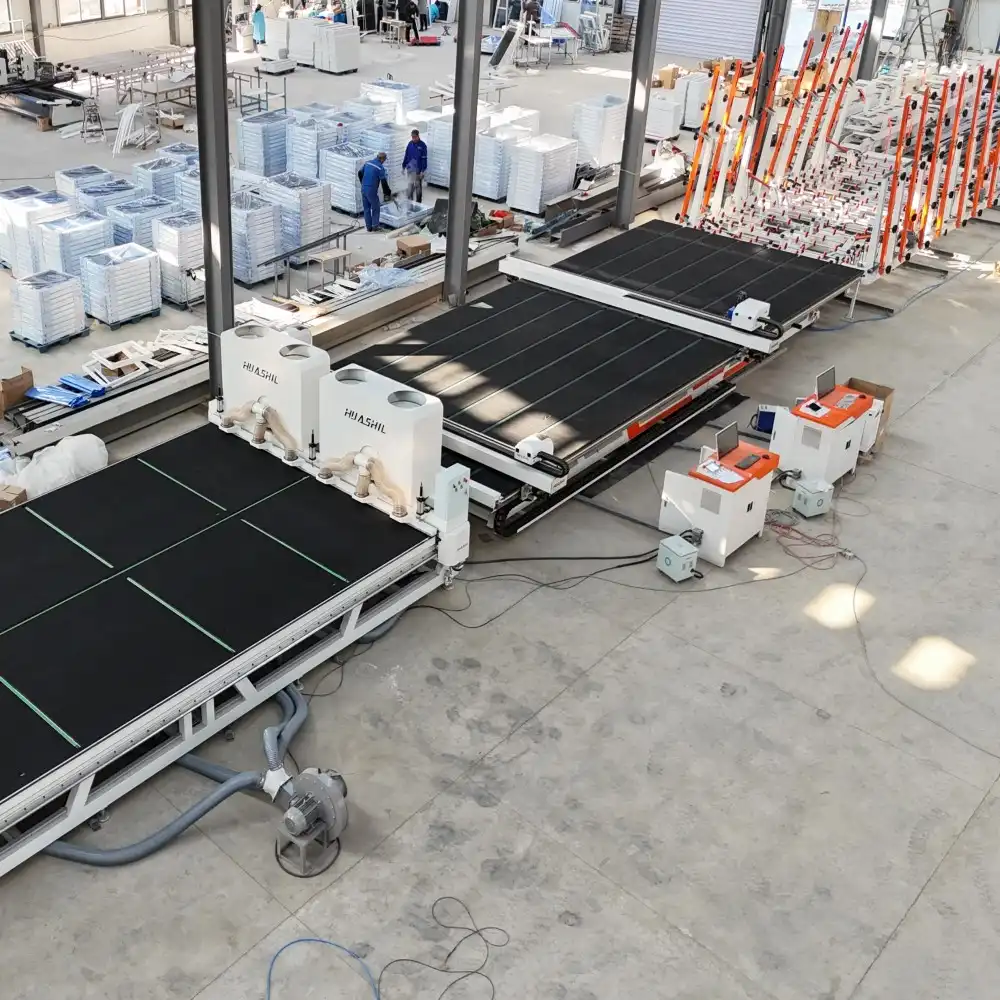
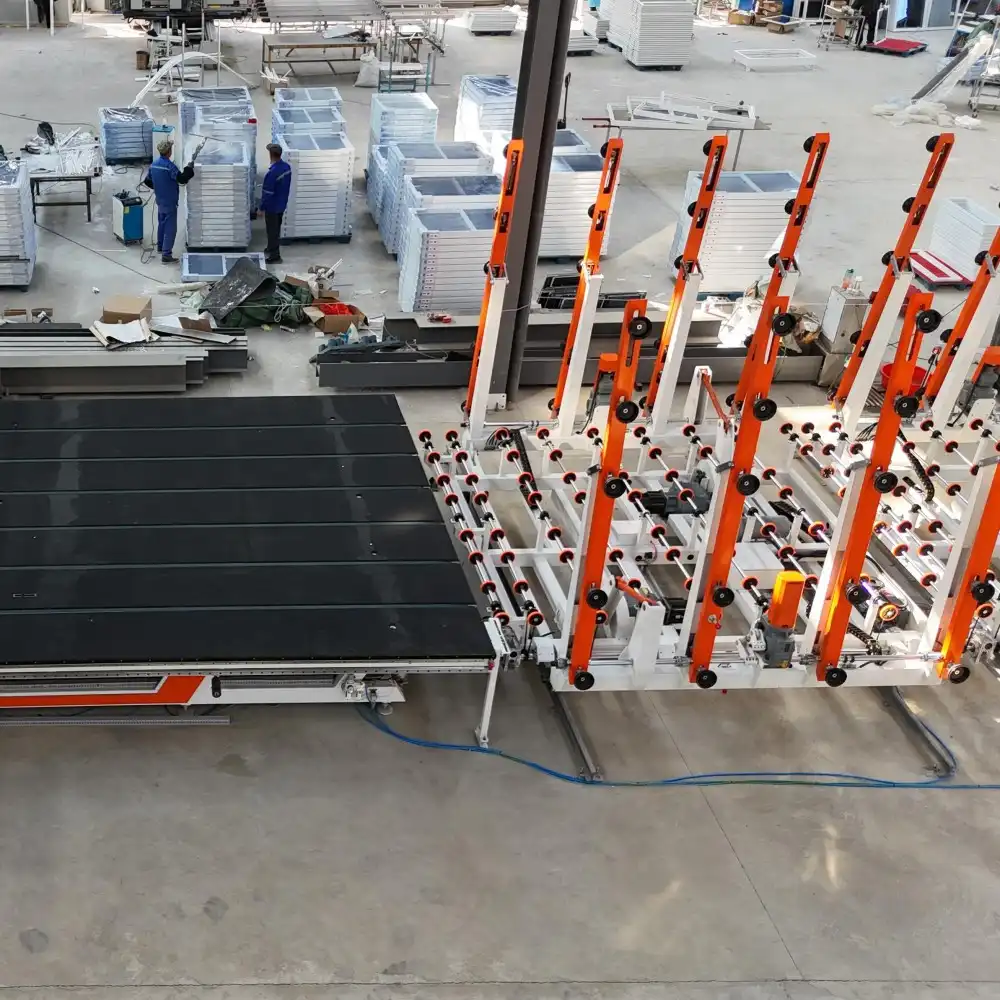
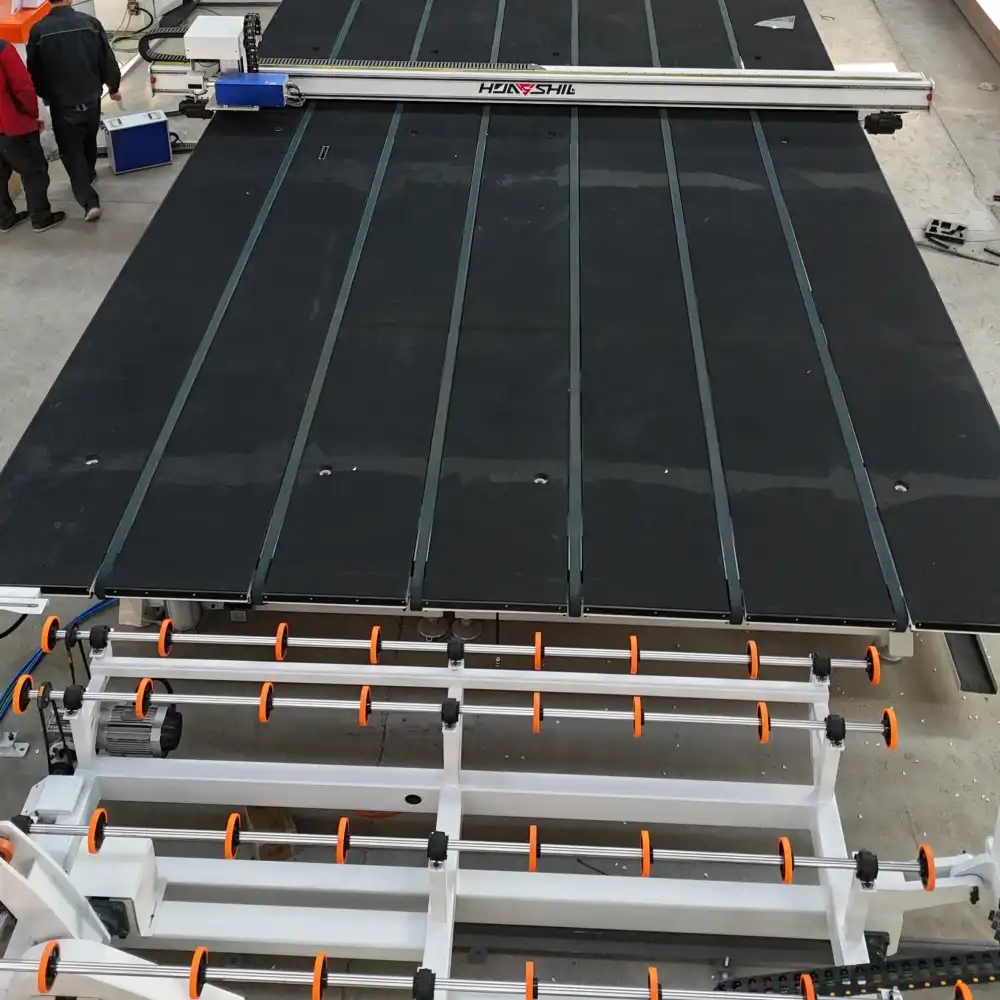
Advanced CNC machines like the HSL-CNC3616 can perform demanding production operations. Since it can handle 3600mm x 1600mm materials, the system may be utilised with large sintered stone blocks, ceramic panels, and architectural glass components. The Eos-CNC control system's simple computer tools save operator training time while maintaining precise placement. Automatic pressure control adjusts the cutting force dependent on material resistance. This prevents blade deflection and maximises cutting speed. The built-in air float system supports large workpieces, so one person can handle panels that would ordinarily take two or three.
Critical Features Influencing Productivity
Blade technology affects cutting quality and cost. Diamond blades from different manufacturers are composed of different materials. High-quality diamond blades last 50–70% longer. Bond hardness, segment height, and cooling channel form affect cutting speeds and quality. Production managers should calculate the entire cost of ownership for each blade instead of only looking at the purchase price.
Dust management affects user health and equipment life. Integrated wet cutting technologies reduce floating particles by 95–98% over dry cutting. This makes breathing safer. Warming in one location accelerates blade wear; water supply systems must maintain a steady flow rate along the cutting path. Best stone cutting machine coolant recycling systems with multistage filters save water while maintaining cutting performance. This reduces utility costs and helps the environment.
Noise affects operators' comfort and compliance with work standards. Good stone-cutting machines include sound-dampening casings and vibration isolation mounts that reduce noise to 75 to 85 decibels, well below the 90-decibel standard that requires hearing protection. This sound control alerts operators throughout lengthy shifts and simplifies regulation compliance.
Maintenance Requirements and Service Accessibility
Access to maintenance affects equipment reliability. Modular component layouts allow machines to readily replace water pumps, linear guide bearings, and blade attachment flanges. Quick-change blade systems reduce blade switching time from 15 to 20 minutes to 3 minutes, allowing work to continue. Centralised lubrication systems ensure bearing locations have enough grease. This reduces repair work and boosts service intervals.
The availability of genuine spare parts is crucial when buying. Equipment vendors with North American distribution networks stock parts, allowing typical worn items to be supplied within 24–48 hours. Service infrastructure prevents long downtime that might derail production schedules. Warranties for critical items for 12 to 24 months can help prevent early failures, although reliability records are a stronger signal than guarantee lengths.
Safety and Maintenance: Ensuring Long-Term Efficiency
Essential Safety Protocols
A complete safety program starts with PPE. Operators must wear safety glasses with side shields, hearing protection over 85 decibels, steel-toed shoes, and non-cutting gloves when moving goods. Avoiding water pooling during cutting requires a non-slip surface and sufficient drainage.
No matter how inconvenient, machine guards must be present during all actions. These shields protect workers from whirling blades and coolant spray. Multiple workstations have emergency stop buttons to immediately disconnect power if safety concerns arise. During maintenance, lockout-tagout prevents equipment from being accidentally turned on and crushing and harming humans while changing blades or making mechanical adjustments.
Preventive Maintenance Programs
Routine inspections prevent unexpected issues and hinder output. Check coolant levels, blade condition for chips or cracks, and guard alignment daily. Weekly maintenance includes cleaning coolant filtration systems, checking drive motor belt tightness, and oiling visible bearing surfaces. Monthly inspections examine linear guide wear, location using accurate measurement equipment, and emergency stop operation.
Blade maintenance affects cutting quality and equipment lifespan. For optimal geometry and fresh cutting segments, diamond blades must be "dressed" regularly. Dressing intervals vary by fabric hardness and cutting demands, but are commonly every 40–60 hours. Vertical racks prevent blades from twisting, preventing premature wear and vibrations. Replace blades with apparent fractures, missing parts, or too much runout immediately to avoid catastrophic failure.
Sourcing Genuine Components
Aftermarket components claim to save money but typically perform poorly and last less. Genuine manufacturer parts are tested for material, dimensions, and system compatibility. Fake bearings may be composed of low-grade steel that breaks readily under stress, damaging housings and shafts, and costing a lot. Extra part purchases seldom save enough to offset the risks of downtime and equipment damage.
Making the Right Procurement Decision: A B2B Buyer's Guide
Aligning Equipment Capabilities With Business Requirements
To be successful at buying, you must first be honest about the amount of work and difficulty that needs to be done. If a facility processes less than 50 panels per day, movable or entry-level bridge saws may be enough. However, if a facility processes more than 100 panels per day, CNC technology is usually needed to keep labor costs low. Custom manufacturing companies that work with architects need flexible programming to be able to adapt to frequent changes in designs. On the other hand, companies that make standard products benefit from specific preset programs that cut down on setup time.
Material specifications influence equipment selection significantly. Cutting sintered stone and engineered quartz is different from cutting real stone, so they need different blade speeds and coolant supply methods. When cutting glass, the edge must be very exact so that stress builds up and doesn't cause thermal breaking during the tempering process. Equipment providers with a lot of experience with specific applications can help match the capabilities of a machine to the needs of the material. This keeps costly mistakes from happening that slow down production.
Financial Considerations and Total Cost Analysis
The purchase price is only one part of the total costs of owning. A full study must take into account the costs of installation, operator training, maintenance supplies, energy use, and the number of times the blades are likely to need to be replaced. Best stone cutting machine machines with cheaper starting costs often have higher running costs because they use more energy, parts wear out faster, or cutting speeds are slowed down, which limits throughput.
Different providers and banks offer a wide range of financing choices. Leasing equipment helps you keep your working capital and can even save you money on taxes in some places, but the total costs usually end up being higher than buying the equipment outright over its lifetime. Manufacturer lending programs sometimes offer special rates during trade show times or at the end of the quarter, which are real chances to save money. Payment plans that include fees and the final payment upon installation are still common. For foreign deals over $50,000, letter of credit arrangements are common.
Supplier Evaluation Criteria
Supplier dependability goes beyond the standard of the tools. When you have responsive technical help, small problems don't get worse and cause long periods of downtime. Manufacturers with service centers in North America are usually able to fix problems faster than those who only use support teams in other countries. Remote diagnostics make it possible to quickly fix problems without having to pay for expensive service calls. However, for more complicated technical problems, you will still need to get help from a person.
Customer references are a great way to learn about what it's really like to own something. Talking to plant managers who use similar equipment can give you useful information about how reliable it is, how quickly service responds, and the secret costs of ownership that aren't included in marketing materials. Facilities that keep equipment working for 18 to 24 months can give very useful insights because that time range shows patterns of reliability that are still relevant to new product designs.
Conclusion
When choosing the best stone-cutting tools, you have to think about how well they work technically, how much they cost, and how long they will last. Precision control, less work, and uniform output quality are some of the ways that modern computerized systems make things more efficient. The HSL-CNC3616 is an example of high-tech machinery designed for tough production settings that work with sintered stone, ceramic slabs, and architectural glass parts. Successful buying choices match the capabilities of the equipment with the real needs for production, taking into account all the costs of ownership that go beyond the initial purchase price. A thorough check of the supplier's support system, the supply of original parts, and customer examples lowers the risks of implementation and guarantees long-term productivity gains.
FAQ
Q1: What distinguishes wet cutting from dry cutting methods?
Wet cutting puts water at the point where the blade meets the material. This stops dust from forming and cools the blade to keep it from getting damaged by heat. This method greatly extends the life of the blades and raises the safety of the operator by limiting the particles in the air. Coolant systems are not needed for dry cutting, which makes the equipment simpler and less maintenance-intensive. However, dry cutting creates a lot of dust, which needs advanced systems to remove it. Wet ways are most common in industrial stone production because they keep dust down better and last longer for the blades.
Q2: How often should diamond blades be sharpened or replaced?
Diamond blades don't actually get sharper, but they do need to be dressed every so often to reveal new cutting segments. Dressing times vary from 40 to 60 working hours, based on how hard the material is and how much it needs to be cut. When the section height drops to 30–40% of its original size, which usually happens after 200–400 hours of use on hard materials, the whole blade needs to be replaced. Too early a replacement loses resources, and too late a replacement increases the chance of blade failure and damage to the equipment.
Q3: What entry-level machines suit businesses with limited budgets?
Contractors and small makers with budgets under $15,000 should look into portable bridge saws that can be moved by hand and cut automatically with mechanical automation. These systems are much more efficient than mobile tools, but they can still be moved around to different job sites. Models with variable cutting speeds, built-in water delivery, and laser alignment guides get professional results without needing a lot of training or knowledge in CNC programming.
Partner With HUASHIL for Advanced Stone Cutting Solutions
Shandong Huashil Automation Technology makes cutting systems that are very accurate and are designed for tough industrial uses. Our HSL-CNC3616 blends a tried-and-true mechanical design with cutting-edge automation to give architectural glass fabricators, curtain wall installers, and sintered stone manufacturers the dependability and efficiency they need. The Eos-CNC control system is easy to use and very accurate at placing. Automatic edge finding gets rid of the need for time-consuming human setup steps. Our air float method lets a single person handle large-format panels, which saves money on labor costs and makes the workplace safer.
We know that buying tools is a big financial investment that needs to be carefully thought through. Our engineering team does thorough application analyses to make sure that the right equipment is used for your production needs. As an experienced best stone cutting machine supplier, we keep a large stock of extra parts and technical support resources to keep equipment running smoothly for as long as possible. Email our team at salescathy@sdhuashil.com to talk about your unique cutting needs and find out how our automation solutions can help you be more productive while cutting down on costs.
References
1. Stone Fabrication Industry Association. "Automation Impact on Production Efficiency in Stone Processing Facilities." Industrial Stone Processing Journal, 2023.
2. National Safety Council. "Occupational Injury Patterns in Stone Cutting and Fabrication Operations." Workplace Safety Research Quarterly, 2022.
3. Manufacturing Technology Institute. "Comparative Analysis of Manual Versus Automated Stone Cutting Systems." Advanced Manufacturing Review, 2023.
4. American National Standards Institute. "Safety Requirements for Stone Processing Machinery." ANSI Standard B11.20, 2022 Edition.
5. Industrial Equipment Maintenance Association. "Preventive Maintenance Best Practices for CNC Stone Cutting Equipment." Equipment Reliability Handbook, 2023.
6. International Stone Trade Association. "Total Cost of Ownership Analysis for Stone Processing Equipment." Procurement Guidelines for Stone Fabricators, 2024.
