




An industrial glass cutting table is the most important tool for handling glass today. It offers accuracy, speed, and dependability that can't be matched by human methods. These specialized workstations have safety features, automatic control systems, and advanced cutting processes that make it easier to make glass for use in furniture, architecture, cars, and decorations. When procurement workers know how these machines increase production efficiency while lowering running costs, they can make smart investments that support the quality standards and growth goals of their facility.
Understanding Industrial Glass Cutting Tables
Traditional manual cutting machines are very different from glass processing tools made for industrial settings. These high-tech systems use both mechanical accuracy and computer control to work well with a wide range of glass types.
Core Components and Operating Principles
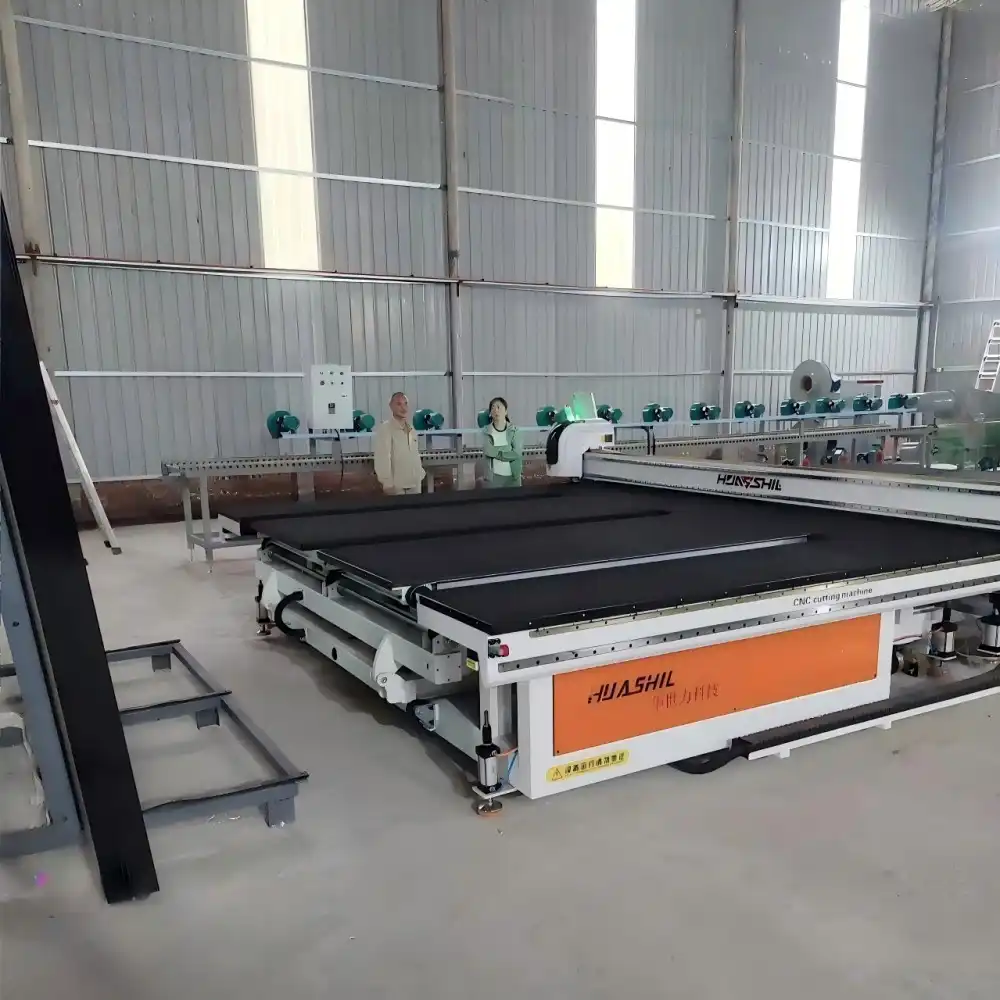
Modern methods for cutting glass have a number of important parts that all work together perfectly. Whether it has diamond wheels or carbide tools, the cutting head moves along precise tracks to score glass with the same amount of pressure and depth every time. Table tops have air floating systems that hold glass sheets up on a cushion of air. This keeps the sheets from getting scratched and lets you place them easily. Control units, which are often driven by optimization software like Optima, figure out the best ways to cut materials so that they are used as efficiently as possible. Moving glass sheets from one processing area to another is done by synchronous belt conveyors that keep them in line throughout the process.
Automation Capabilities That Transform Production
Automated glass cutting tables get rid of the need to do the same things over and over again, which slows down production and introduces variation. Automatic loading systems, for example, move glass sheets straight from storage racks to cutting surfaces without the need for a person to do anything. Automatic pressure control changes the cutting force based on the thickness of the glass. This makes sure that clean cuts are made on a wide range of materials, from 2 mm artistic panels to 19 mm architectural glazing. Automatic edge-finding sensors find the edges of the glass and change the cutting patterns to fit any small differences in the sheet sizes. These features cut down on setup time and make sure that the standard of cuts is the same across all production runs.
Size and Configuration Options
Different sizes and shapes of industrial cutting tables allow them to meet a wide range of work needs. For furniture workshops, small systems can usually handle sheets up to 2000mm x 1500mm. Large architectural glass makers, on the other hand, need tables like the HSL-YTJ3829 type, which can handle sheets 3660mm x 2800mm. Breaking tables built into cutting surfaces make it easy for workers to separate scored pieces right away, which speeds up the work process. Single workers can oversee multiple processing steps from key vantage points across the production floor thanks to remote control systems that can move in any direction.

Key Benefits of Using Industrial Glass Cutting Tables
When you buy automated cutting tools, you get measurable improvements in several performance areas that have a direct effect on your profits and place in the market.
Enhanced Operational Efficiency
When automated systems take the place of human cutting processes, production output goes up by a lot. When moving from hand-guided tools to CNC-controlled industrial glass cutting tables, cutting speeds often go up by 40 to 60 percent. As optimization software figures out stacking patterns that get the most useful pieces from each sheet, less material is wasted. Multiple operators are no longer needed to make manual cuts; instead, a single technician can oversee the automatic processes, freeing up skilled workers to do quality control and finishing work.
Superior Precision and Quality Consistency
For full production runs, automated cutting tables keep tolerances within ±0.2mm, which is a level of stability that can't be reached by hand. This accuracy is very important for building curtain wall panels that need to line up properly when they are installed and for car windshields that need to be the exact right size to fit. Consistent scoring pressure leads to clean breaks with little edge chipping, which improves edge quality and lowers the need for extra grinding and cleaning. Temperature-compensated control systems keep their accuracy even when the surroundings changes during work shifts.
Improved Workplace Safety and Ergonomics
Modern cutting tables have safety features that keep people from getting hurt when they handle glass. With air flotation devices, workers don't have to slide heavy glass sheets across rough surfaces by hand. This keeps their backs from getting hurt from doing the same thing over and over again. There are emergency stop buttons placed all around the edge of the table so that it can be shut down right away if a danger arises. Protective walls keep workers from getting hit by falling glass chips while they cut, and automatic loading systems keep workers from having to touch materials directly that are sharp.
Long-Term Cost Advantages
Automated cutting tables not only increase productivity right away, but they also save money in the long run. When there is less loss, the cost of raw materials goes down. For example, a plant that processes 10,000 square meters of material every month can save thousands of dollars a year by increasing yield rates. Lowering the number of workers needed lowers ongoing staff costs and helps many makers with the problem of finding workers. Precision building and high-quality parts make tools last longer. For example, if you keep an industrial cutting table in good shape, it will usually last 15 to 20 years, spreading the cost of the initial investment over a longer period of time.
Together, these benefits turn glass-making operations from labor-intensive tasks with changeable output into reliable, efficient production systems that help businesses reach their growth and profit goals.
Types and Specifications to Match Your Business Needs
To choose the right cutting tools, you need to know about the different technologies that are out there and how to match their skills to the needs of the production.
System Drive Mechanisms
Different types of drive systems have different ways of working that are best for different situations. Cutting heads in manual systems slide along rails with the help of an operator. This lets you make custom forms, but makes it hard to repeat. Pneumatic motors move the cutting head with compressed air. They offer a modest level of automation at a price that small to medium-sized businesses can afford. Hydraulic systems offer strong and smooth motion control that works great for working with thick glass, where even pressure is important. Electric servo-driven tables are the most accurate and can be programmed to support the complicated automatic routines that high-volume facilities need.
Capacity Considerations for Different Industries
Architectural glass makers who work with big curtain wall panels need industrial glass cutting tables with big cutting areas, like the HSL-YTJ3829's 3660mm × 2800mm size. When making furniture with shower walls and artistic glass panels, mid-sized tables that can handle sheets up to 2500mm × 1800mm are usually used. For windshields and back windows, auto glass manufacturers need special tools that can cut in bent designs. Thickness capacity is also important. For example, machines that handle 2–19 mm glass are needed for building uses, while machines that make decorations may focus on 3–12 mm ranges.
Integration with Production Lines
Job shops that have to change over a lot of different custom orders should use stand-alone cutting tables. Cutting, breaking, edge grinding, and washing stations are all built into inline automated systems so that materials don't have to be moved by hand from one process to the next. When there are a lot of items to make, this merging is necessary to make sure that the production is consistent and that the flow is maximized. CE and ISO9001 licenses show that the equipment meets international quality and safety standards. This makes it easier to buy things across borders and makes sure that workers follow the rules at work.
Maintenance and Safety Best Practices
To keep things running smoothly and keep people safe, you need strict maintenance schedules and detailed safety rules.
Preventive Maintenance Schedules
Every day, you have to clean glass chips and other waste off the table surfaces, check the air flotation nozzles for clogs, and make sure the cutting head is aligned correctly. To keep tracking mistakes from happening, steps are taken once a week to lubricate train systems and check the tension of the synchronous belt. As part of the machine's monthly maintenance, the cutting wheels' state is checked, the pressure sensors are calibrated, and the emergency stop features are tested. Professional service once a year includes precise alignment, changes to the control system, and replacement of worn-out parts before they break. Keeping track of all maintenance tasks makes service records that help with fixing problems and making warranty claims.
Operator Training and Safety Protocols
Comprehensive training programs make sure that users know what the equipment can and can't do before they are allowed to use it on their own. The training includes the right way to put on glasses, how to use the software, what to do in an emergency, and how to spot when something is wrong with the machine. Safety glasses, cut-resistant gloves, and steel-toed shoes are all examples of personal protective equipment that must be worn. Accidents are less likely to happen when there are clear rules for how to deal with broken glass, fix broken tools, and plan activities around cutting operations.
Troubleshooting Common Issues
Cutting quality issues are usually caused by worn-out cutting wheels that need to be replaced or wrong pressure settings that need to be fixed. If the edges don't break the same way every time, it could mean that the table surfaces are dirty and can't hold the glass properly, or the tables aren't lined up right. Most of the time, tracking mistakes on a conveyor are caused by worn belts or uneven stress that needs to be fixed mechanically. Most control system mistakes can be fixed by resetting the software or cleaning the sensors. Figuring out when problems are too big for the company to handle on its own and need expert help from the maker keeps equipment from getting damaged during bad repair attempts.
Buying Guide: How to Choose the Best Industrial Glass Cutting Table?
To get the best return on investment, strategic equipment selection takes into account scientific needs, budget limitations, and operating issues.
Assessing Production Requirements
First, look at the current and expected amounts of glass that will be processed, as well as the standard sheet sizes and thickness ranges. Figure out if production is slowed down at the cutting stages or somewhere else in the process. Adding automatic cutting tables won't help if other steps in the process are slowing things down. Check to see if the variety of products needs to be switched out often, which would benefit from flexible equipment, or if the high volume runs regularly, which would benefit from specialized setups. Think about whether plans for future growth might require flexible systems that let you add new features without having to update all the old equipment.
Evaluating Supplier Capabilities
Industrial glass cutting table manufacturers with decades of experience can be trusted because their products have been installed by a lot of people. Check to see if providers give you detailed technical information that lets your engineering teams carefully look over the specs. Check out the infrastructure for after-sales support. The uptime of your equipment is directly affected by how easy it is to get new parts, how quickly you can get expert help, and how close the service centers are. The manufacturer's trust is shown by the warranty terms. Full coverage that includes parts, labor, and travel costs for on-site service is a great way to protect your investment during the first few months of use.
Financial Considerations Beyond Purchase Price
The total cost of ownership includes the price of the equipment plus the costs of setting it up, teaching operators, keeping spare parts on hand, and regular upkeep. Check to see if the providers offer supervision during installation, help with integrating the production line, and testing support to make sure the right start-up. Compare the specs on how much energy each system uses—efficient systems lower ongoing power costs over the life of the equipment. If you want to buy something but don't have enough cash on hand, financing choices like leasing or maker payment plans may help. To convince financial decision-makers that capital investments are worth it, you should figure out payback periods based on expected labor savings, waste reduction, and productivity gains.
Shandong Huashil Automation Technology offers complete solutions that take these things into account by offering transparent prices, customized equipment setups, and support services that are centered on client success.
Conclusion
Industrial glass cutting tables are necessary purchases for businesses that want to stay ahead of the competition by improving accuracy, output, and operating efficiency. Procurement experts can make choices that are in line with strategic production goals when they know what equipment can do, how often it needs to be serviced, and how to choose it. Modern automated systems like the HSL-YTJ3829 model have advanced features like automatic loading, pressure control, edge recognition, and built-in breaking stations that turn glass handling from time-consuming human tasks to streamlined automated processes. When you look at a supplier's reputation, professional help, and total cost of ownership, you can be sure that your investments will keep paying off over the long life of the equipment. By carefully choosing the right tools, glass makers can keep up with changing market needs while still meeting quality standards and making money.
FAQ
Q1: How long do industrial glass cutting tables typically last?
With proper maintenance, high-quality cutting tables routinely operate for 15-20 years. Regular preventive maintenance—including cleaning, lubrication, and component inspections—extends service life significantly. Critical wear components like cutting wheels and belts require periodic replacement, but structural frames and control systems endure when properly cared for.
Q2: Can these cutting tables handle specialty glass types?
Modern industrial cutting tables process various glass types, including tempered, laminated, low-E coated, and patterned glass. Different materials may require specific cutting wheel selections and pressure adjustments. The HSL-YTJ3829 model accommodates 2-19mm thickness ranges, covering most architectural and decorative applications. Consult equipment specifications and supplier technical support when processing specialized materials.
Q3: What spatial requirements are necessary for installation?
Space planning must account for equipment footprint plus clearance for glass loading, operator access, and material flow. A table with 3660mm × 2800mm cutting area requires approximately 6000mm × 4500mm floor space, including surrounding work zones. Ceiling height should accommodate overhead lighting and potential future automation additions. Utilities needed include electrical power, compressed air, and adequate ventilation.

Partner with HUASHIL for Your Glass Cutting Solutions
We understand that selecting the right automated glass processing equipment represents a significant decision affecting your facility's productivity and profitability for years ahead. As an established industrial glass cutting table manufacturer, HUASHIL combines decades of automation expertise with responsive customer support to deliver solutions precisely matched to your production requirements. Our HSL-YTJ3829 model incorporates automatic loading, intelligent pressure control, edge detection, and air flotation systems—features that streamline operations while maintaining exceptional cut quality. CE and ISO9001 certifications validate our commitment to international quality standards. Whether you're expanding existing capacity, upgrading aging equipment, or establishing new production lines, our engineering team provides customized configurations and comprehensive technical support throughout equipment lifecycles. Contact our team at salescathy@sdhuashil.com to discuss your specific application requirements, receive detailed technical specifications, and explore how our glass cutting tables can transform your manufacturing operations.
References
1. Glass Processing Industry Association. (2022). Automated Glass Cutting Systems: Technical Standards and Best Practices. Industrial Glass Manufacturing Review.
2. Martinez, R., & Chen, L. (2021). Precision Engineering in Glass Fabrication Equipment. Journal of Manufacturing Technology and Automation, 18(3), 145-162.
3. European Committee for Standardization. (2023). Safety Requirements for Glass Processing Machinery. CEN Technical Standards Documentation.
4. Thompson, J. (2022). Total Cost of Ownership Analysis for Industrial Cutting Equipment. Manufacturing Investment Quarterly, 29(2), 78-94.
5. International Glass Technology Conference. (2023). Advances in Automated Glass Processing Systems. Conference Proceedings, Munich.
6. Wilson, K., & Patel, S. (2021). Maintenance Strategies for Extended Equipment Lifecycle in Glass Manufacturing. Industrial Equipment Management Review, 14(4), 201-218.
