




In today's competitive manufacturing scene, properly caring for your automatic glass cutting machines makes the difference between making a profit and losing money when production is halted. To successfully handle laminated glass uses, a professional glass cutting machine needs to be maintained regularly, especially when working on complicated building projects or large production runs. Following the right maintenance steps ensures cutting accuracy, extends the life of the tools, and keeps the safety standards in place that are needed for industrial glass manufacturing. Understanding these basic maintenance ideas helps production managers get the most out of their money while also making sure that the constant quality of their work meets the strict requirements of each project.
Understanding Critical Maintenance Challenges in Automated Glass Processing
When automated glass cutting systems work with layered materials, they face unique stresses, especially when making a lot of products in a short amount of time. Laminated glass has a complicated makeup that causes cutting wheels to wear in certain ways. The materials in the interlayer can also build up on cutting surfaces and mechanical parts. The accuracy of testing is affected by changes in temperature, and systems that are left on all the time get glass bits from operation that mess up delicate electronics.
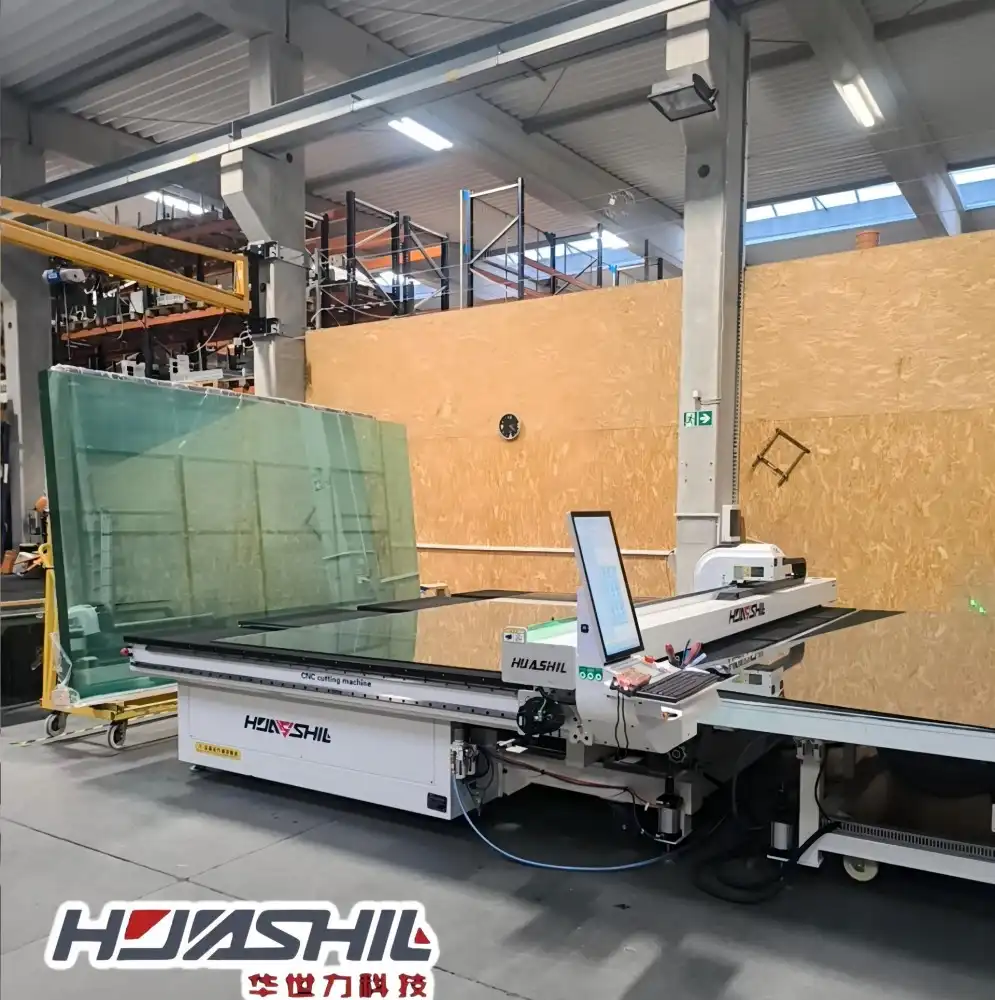
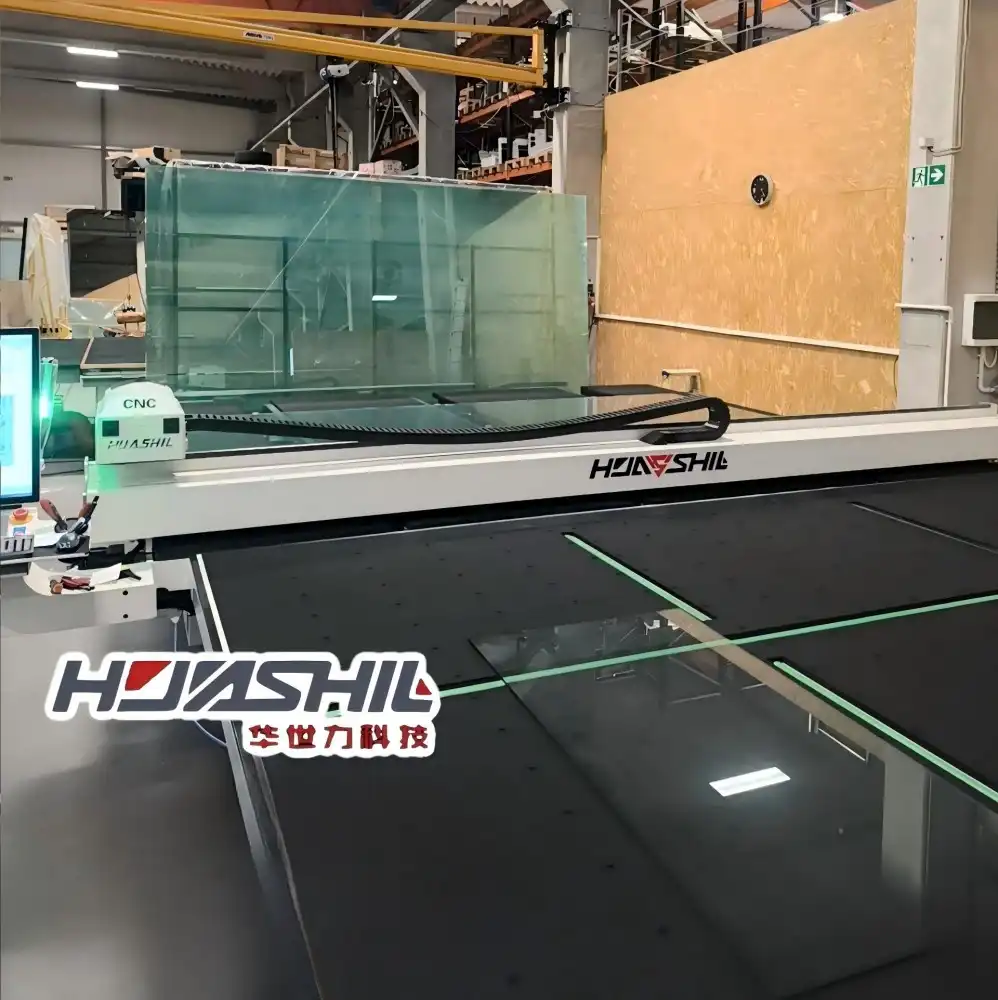
Our HSL-LSX6133 professional glass cutting machine model's three-table setup with loading, cutting, and breaking stations shows how modern engineering solves these problems. This design keeps the cutting process precise while reducing the stress of moving the material around. With two stations above and two below, the system can handle different production processes. Six grand arms on each side make sure the glass is handled safely, even when the maximum size is 6100 x 3300 mm.
The performance of machines is greatly affected by the environment. For example, air can hurt electronics, and dust can make machines less accurate. Cutting accuracy can be affected by vibration from nearby machines, and glass particles can build up in important places when the air system isn't strong enough. To keep performance from dropping, these factors need to be constantly checked, and specifically focused maintenance needs to be done.
Comprehensive Maintenance Protocols for Peak Performance
Setting up structured repair plans for a professional glass cutting machine makes sure that the machines always work well and that output doesn't stop unexpectedly. Daily repair checks that pay close attention to important parts and operating settings are the best way to take care of your equipment.
Daily maintenance checks focus on the needs of the current activity and making sure that it is safe. Here are the important things that need to be done every day to keep cutting quality and equipment safety:
- Surface Cutting Check and Cleaning: Use the right chemicals and cloths that don't leave lint behind to get rid of glass bits and other material on the cutting tables. Look for scratches or other harm on the surface that might lower the quality of the glass. Make sure that the setting of the cutting wheel stays correct and the same all over the cutting area.
- Checking the condition of the tool Look for chips, lines of wear, or softness on cutting wheels. These things can hurt the quality of the cut. Replace parts that are worn out right away to keep costly layered glass materials from being damaged. Record the times that items are replaced so that you can keep an eye on how often they are used and make sure that you have the right amount of stock on hand.
- Checkup of System Diagnostics: Error logs can be seen through the Optima optimization software interface. This can help you find problems that happen a lot or notice speed trends. Quickly deal with warning messages so that small problems don't turn into big fails that need a lot of fixing.
These daily tasks set the standards for how well things should be done and help find possible problems before they affect the production plan or the quality of the result.
Weekly and monthly maintenance tasks take care of the system's basic needs and help keep the system healthy. Lubrication plans make sure that the machinery runs smoothly, and calibration checking makes sure that the cutting stays accurate within the limits that are set. Software tests find performance patterns and improve cutting patterns so that the most material possible is used. Maintaining the conveyor system stops mistakes in handling glass, and cleaning the sensors makes sure that material recognition and placement are correct.
Yearly deep overhauls make it possible to change important parts and improve the system. Checks of electrical systems make sure that they are safe and find places where they might fail. Software updates add the newest security fixes and optimization methods, while complete mechanical rebuilds bring back the original performance specs.
Safety Protocols During Maintenance Operations
Safety measures taken during maintenance work protect people, keep the tools intact, and make sure that activities continue without a hitch. There are special dangers in glassworking settings that need special safety rules and equipment-specific steps.
As well as basic safety gear, personal protective equipment must be used to protect against dangers related to a professional glass cutting machine. Cut-resistant gloves keep you safe from sharp edges, and safety glasses with side shields keep you safe from glass particles. Steel-toed shoes protect against sheets of glass that fall, and wearing the right clothes keeps loose fabric from getting caught in machines.
Lockout and tagout processes make sure that repair work on electrical systems is safe. Proper isolation practices make sure that machines don't start up by mistake while repair people work on mechanical or electrical systems. People must be able to use and access emergency stop systems during maintenance work. There should be clear communication rules for maintenance teams with more than one person.
People need to be very careful when they throw away glass to avoid hurting themselves and protect the earth. Glass particles aren't allowed to build up in work areas because designated bins are used and the glass is thrown away correctly, which follows local environmental rules. Sharp tool management rules stop people from getting hurt during tool upkeep and cutting wheel replacement.
Advanced Technology Integration for Maintenance Excellence
Today's automated glass cutting systems use advanced tracking technologies that allow repair to be based on predictions instead of reactions. These new technologies make it easier than ever to see how machines are working, and they also help with scheduling repairs and allocating resources.
IoT sensor networks keep an eye on important performance factors as they happen. They keep track of changes in temperature and power use, as well as sound patterns. Predictive analytics programs look at this data to figure out when parts are likely to fail. This lets you change them before they break. This method reduces unexpected downtime, optimizes spare parts inventory, and makes the best use of repair staff.
Digital maintenance platforms for a professional glass cutting machine connect with current production management systems to make maintenance paperwork and processes more efficient. Automated scheduling lines up repair tasks with production plans, and digital work orders keep track of when tasks are completed and how many resources are used. Integration with parts buying systems makes sure that consumables and new parts are always on hand when they are needed.
An example of this kind of technological integration in our HSL-LSX6133 system is the Optima optimization software, which does full performance tracking while also cutting optimization. Real-time monitoring spots performance issues right away, and automatic calibration processes keep accuracy without having to be changed by hand. This integration lowers the chance of making mistakes and gives quality control tools thorough records of performance.
Selecting Professional Glass Cutting Equipment and Support Partners
When picking an automated glass cutting system, it's important to consider technical details, how well the company can help you, and the possibility of a long-term relationship. Success in manufacturing rests on the reliability of the tools, the quality of the service, and ongoing technical help that can adapt to the needs of production as they change.
Technical details have to be in line with certain ways of making things and goals for future growth. The largest glass measurements set the project's level of flexibility, and how precisely the cutting is done impacts the quality of the result and the amount of wasted material. The amount of automation affects how much work is needed and how consistent the output is, and the capabilities of the software affect how well things can be optimized and how well it can be integrated with systems that are already in place.
Infrastructure review for support of a professional glass cutting machine includes the availability of extra parts, training programs for technicians, and the time it takes to respond to service requests. Long-term warranty coverage protects big purchases, and ongoing expert help makes sure that technology always works well. Training programs build up knowledge within the company, which lowers the need for outside help and improves the level of upkeep.
Shandong Huashil Automation Technology Co., Ltd. uses decades of experience in manufacturing and new automation solutions that are made just for glass-making applications that need them. Our broad method combines cutting-edge tech with helpful customer service. This makes sure that glass production businesses around the world can both get it up and running and keep it working in the long term.
Conclusion
Automated glass cutting tools are only useful if they are properly maintained. This requires a planned approach that balances the needs of daily operations with the goal of long-term performance improvement. Proper repair keeps the cutting quality high, the equipment lasts longer, and the safety standards in place that are needed for glass manufacturing to work. By using advanced monitoring technologies to support thorough repair programs, producers get better production results while lowering costs and risks of downtime.
FAQ
Q1: On automatic glass cutting systems, how often should the cutting wheels be changed?
A: How often you replace the cutting wheel relies on what materials you use, how much you produce, and how difficult the cutting is. Daily checks reveal patterns of wear and tear early on, while replacement times depend on how much the item is used and run from weekly to monthly. It is time to change a wheel when it shows obvious damage, the cut edges are rough, or the break rate goes up.
Q2: Can the repair be done while work is still going on?
A: Most repair tasks require shutting down the entire system so that the work can be done safely and correctly. Scheduling repair during planned breaks reduces the effect on production, and doing lockout and tagout correctly keeps people safe. Emergency repairs might mean that you have to shut down right away, which shows how important regular maintenance plans are.
Q3: What success signs show that professional servicing is needed?
A: Key signs are lower cutting accuracy, higher glass breaking rates, strange mechanical noises, and frequent software error messages. Calibration drift changes the accuracy of the dimensions, and uneven cutting speeds show that mechanics have worn down or there are electrical problems. A professional review looks at these signs in a systematic way to get performance levels back to normal.
Partner with HUASHIL for Superior Glass Cutting Solutions
HUASHIL delivers cutting-edge automated glass processing technology that transforms your production capabilities while ensuring reliable long-term performance. Our HSL-LSX6133 professional glass cutting machine represents the pinnacle of engineering excellence, featuring an advanced three-table configuration with integrated Optima optimization software that maximizes material utilization and cutting precision. The system's flexible 2+2 station setup accommodates diverse production requirements, while six grand arms per side ensure stable handling of glass sheets up to 6100x3300mm dimensions.
Our comprehensive support services extend beyond equipment delivery to include extensive maintenance training, responsive technical support, and reliable spare parts supply chains. As an established professional glass cutting machine supplier, we understand the critical importance of minimizing downtime while maximizing production efficiency in competitive manufacturing environments.
Experience the HUASHIL difference through our commitment to innovation, quality, and customer success. Our technical team provides personalized consultation to optimize equipment specifications for your specific applications, while our global support network ensures responsive service delivery wherever your operations are located. Ready to enhance your glass processing capabilities with proven automation solutions? Contact us at salescathy@sdhuashil.com to discuss your requirements and discover how HUASHIL technology can transform your production operations. Visit huashil.com for detailed specifications and technical resources.
References
1. Glass Manufacturing Industry Council. "Automated Glass Processing Equipment Maintenance Standards." Industrial Glass Technology Journal, 2023.
2. Anderson, Michael K. "Predictive Maintenance Strategies for Industrial Glass Cutting Systems." Manufacturing Automation Quarterly, Vol. 45, No. 3, 2023.
3. International Glass Processing Association. "Safety Protocols for Automated Glass Fabrication Equipment." Safety in Glass Manufacturing, 2022.
4. Chen, Wei and Roberts, Sarah J. "IoT Integration in Glass Manufacturing: Maintenance Applications and Performance Optimization." Smart Manufacturing Review, 2023.
5. European Glass Technology Institute. "Laminated Glass Processing: Equipment Care and Maintenance Best Practices." Technical Bulletin Series, No. 127, 2023.
6. Thompson, David L. "Total Cost of Ownership Analysis for Automated Glass Cutting Equipment." Industrial Equipment Management, Vol. 28, No. 4, 2022.
