




Making furniture glass today requires accuracy, speed, and regularity. A furniture glass machine automatically cuts, shapes, and edges raw glass into final parts. This eliminates mistakes made by hand and increases output. These CNC-controlled systems use optimisation software and high-tech monitors to speed up production cycles and cut down on waste. When compared to human methods, this kind of furniture glass machine helps factories get 30 to 50 per cent more work done while also lowering labour costs and the number of mistakes that need to be fixed. This increase in efficiency has a direct effect on how well U.S. makers can make money and respond to the market in the furniture, interior design, and building glass industries.
Understanding Furniture Glass Machines and Their Role in Efficiency
Core Functions and Equipment Categories
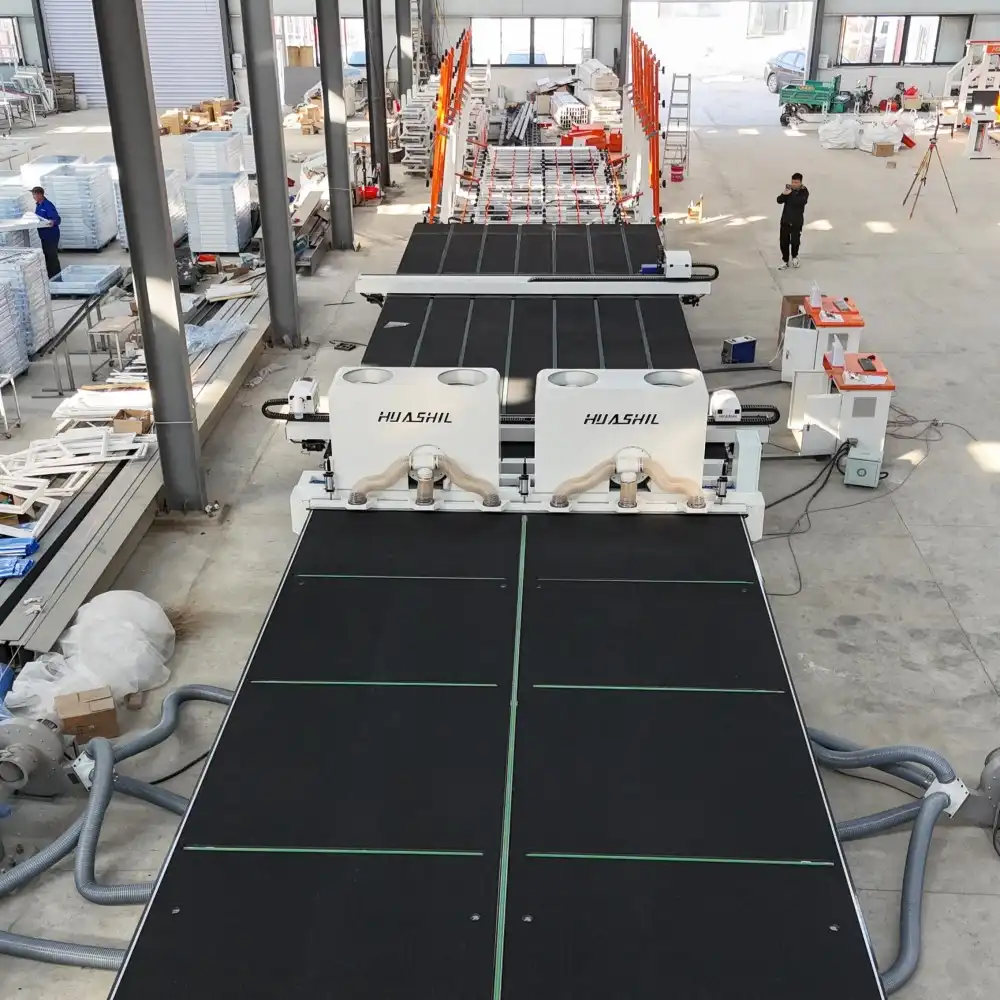
Cutting, finishing, bevelling, and drilling are all done with furniture glass manufacturing tools. Manual methods depend on the skill of the person using them to mark out the plan and use hand tools, which means that quality and speed can vary. Semi-automated tools offer standard direction, but they still need a lot of help from people. Fully automatic CNC glass cutting tools, like the HSL-CNC3829 type, follow pre-programmed designs with little help from a person. They can cut glass with sizes between 2 mm and 19 mm and on pieces up to 3600 mm by 2800 mm. The advanced systems' Optima optimisation software figures out stacking patterns that cut off-cut waste by up to 15%, which is very important when the cost of raw materials changes.
Integration Within Production Workflows
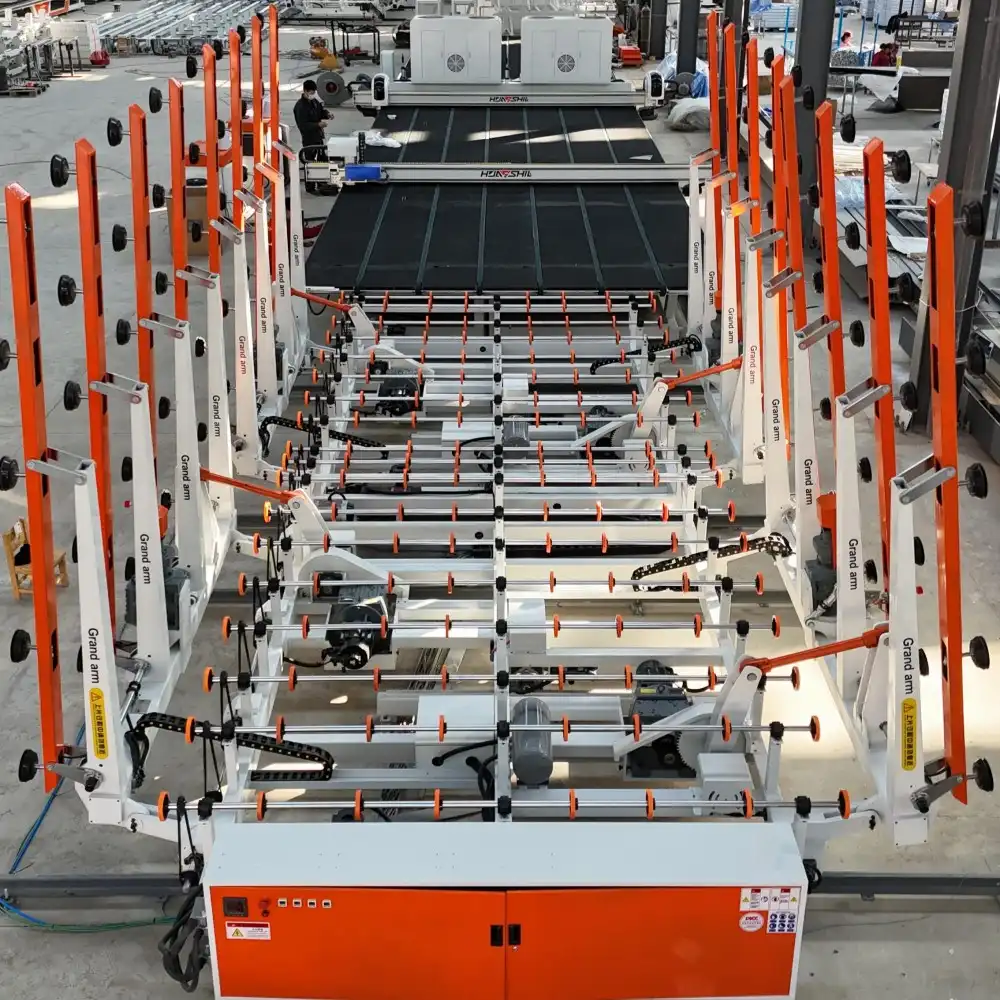
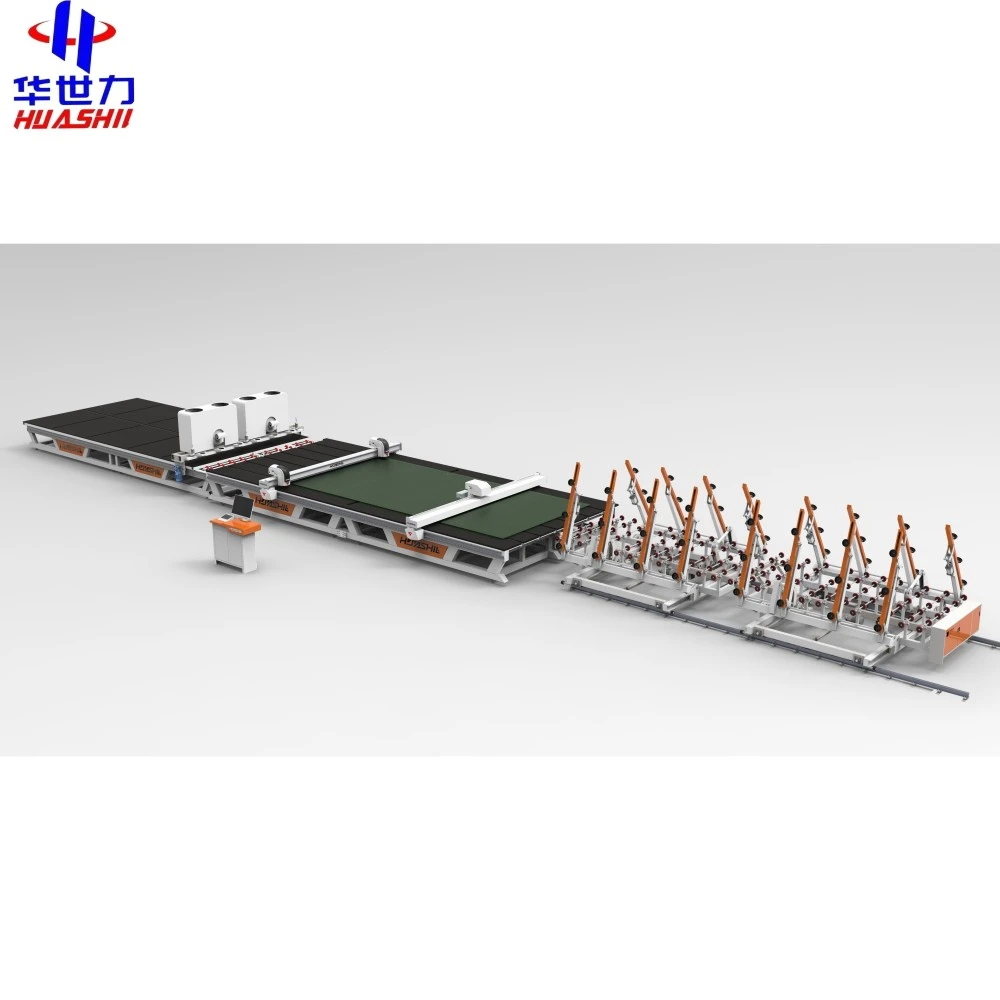
Multiple places on modern glass manufacturing lines work together by using transport systems and automatic filling systems. Air float tables keep surfaces from getting scratched when they are moved, and automatic edge-finding sensors line up glass sheets with odd shapes without the need for human measurements. Operators can change cutting settings from a safe distance with remote control interfaces, which cuts down on downtime during batch changes. This process connection is especially helpful for furniture makers who make shower doors, closet panels, and artistic walls, since different designs need to be updated in the software all the time.
Quantifiable Efficiency Benefits
Precision standards of within ±0.1 mm make sure that everything fits perfectly when it's put together, so there are no last-minute changes that slow down the job. Automated pressure control systems change the cutting force in real time based on the thickness and hardness of the glass. This stops micro-cracks that lead to problems after the installation is done. When CNC technology is used, cycle time drops from 8 minutes per piece when done by hand to less than 3 minutes, according to production managers. All of these changes add up over large orders, which lets makers take on bigger jobs without having to hire more people.
Key Performance Factors That Boost Manufacturing Efficiency
Identifying Production Bottlenecks
Measurement, tagging, and quality-checking steps of old glassmaking processes often take longer than expected. For manual planning to work, skilled workers have to read plans and use models to copy dimensions, which can lead to typing mistakes. In factories that use small cutting tools, fixing pieces that were cut incorrectly takes 12 to 18% of the production time. Before spending money on new equipment, engineering managers should look at how much scrap is made and how workers are distributed across desks to figure out how much they can improve things.
Automation and CNC Technology Impact
Computer numerical control gets rid of mistakes made by humans in pattern execution and makes it possible to do things that would be impossible to do by hand, including in furniture glass machine operations. Multi-axis cutting heads can cut curvy curves and slanted edges without having to change tools. This makes it faster to set up for the next job. In the middle of an operation, automatic tool movers switch from diamond wheels to drilling bits. This combines tasks that used to require moving workpieces between stations. The 360-degree remote control feature of the HSL-CNC3829 system lets a single user handle multiple machines at the same time, which is not possible with regular equipment.
Material Compatibility Considerations
Cutting settings need to be changed for different types of glass. To keep tempered glass from breaking, you need to score it at a certain level, and to keep laminated safety glass from delaminating, you need to feed it more slowly. Low-iron building glass and coloured artistic glass have different strength levels that affect how fast tools wear out. Modern CNC controls keep profiles for different materials that operators can choose from on touchscreens. This way, the best settings are always used without having to do any math by hand. The people in charge of buying things should make sure that any tools they are considering can handle all of the different types of glass that they use.
Maintenance Protocols and Uptime Management
Equipment dependability is directly linked to how often it is serviced. After about 10,000 linear metres of use, diamond cutting wheels need to be replaced because their performance starts to drop around 8,000 metres. Linear guide lubrication systems need to be checked once a week, and coolant tanks need to be flushed once a month to keep pumps from getting clogged. Unplanned downtime at facilities that don't have preventative maintenance programmes averages 18 to 22 hours per month, compared to 4 to 6 hours per month for operations that follow maker service plans. Contracts for buying things should say when extra parts will be available and how long it will take for expert help to respond. This is especially important when buying things from other countries, where delays in shipping can make production problems worse.
How to Select the Right Furniture Glass Machine for Your Business?
Evaluating Production Volume and Precision Requirements
Whether single-machine sets or combined production lines give a better return on investment depends on how much glass is processed each year. Companies that make less than 50,000 square metres of goods a year can usually save money by using different CNC cutting tables and shaping equipment. Automated filling systems and linear quality checking stations that get rid of the need to move things from one process to another are helpful for operations that are bigger than 150,000 square metres. Different uses have different precision needs. For example, architectural curtain wall parts need to be within ±0.5mm of the actual size, while furniture glass can have edges that are within ±1.0mm. Technical buyers should make sure that the machine's powers match the tightest tolerance that their mix of products needs.
Comparing Equipment Specifications
Most of the best CNC glass cutting systems can do the same basic things, but they vary in how much they can cut and how automated they are. The HSL-CNC3829 model can work with glass that is up to 19 mm thick and has a bed size of 3600 x 2800 mm. It can handle big furniture panels and shower walls. Its automatic pressure control changes the cutting force on the fly, which makes the diamond wheel last 25–30% longer than with fixed-pressure methods. CE and ISO9001 approvals show that a product meets U.S. safety and quality standards. This makes local makers less worried about responsibility. Before committing to a purchase, procurement teams should ask for side-by-side demos of how their real glass types are processed to make sure that performance claims are true.
Software Integration and Workflow Compatibility
Optimisation software turns CAD plans into cutting programmes that work well for furniture glass machines, but it doesn't always work with other design systems. Standard DXF and DWG file types can be imported directly from AutoCAD and SolidWorks without having to enter the data again by hand. Nesting algorithms put parts in the best possible order to reduce waste, and they make plans that operators check and accept before they are put into action. Smartphone apps that connect to the cloud let plant managers who are in charge of multiple sites keep an eye on the state of furniture, glass machines and production metrics from afar. During partner reviews, IT teams should look at the needs for network security and software licensing methods.
After-Sales Support and Warranty Terms
How long equipment lasts depends a lot on how easy it is to get expert help and extra parts. U.S. producers gain when their sources keep local parts in stock and can ship them within 48 hours, compared to two to three weeks for exports to other countries. For mechanical parts, the warranty should cover both parts and labour. For items like cutting wheels and seals, there should be a separate covering. Common operating mistakes can be avoided by giving maintenance staff training. Vendors that offer on-site testing and video lesson libraries make the learning curve shorter during equipment installation. Instead of just looking at the purchase price, finance approvers should figure out the total cost of ownership, which should include care contracts.
Best Practices for Operating Furniture Glass Machines Safely and Efficiently
Setup and Operational Procedures
For a machine to be installed correctly, the supports must be level and the electrical lines must meet the manufacturer's requirements. The HSL-CNC3829 needs three-phase 380V power with circuit safety that can handle the highest motor loads when speeding up quickly. Every day before starting up, operators should check the cutting wheels, water levels, and air pressure for floating systems. To avoid breaking the edges while placing large glass sheets, they have to be loaded by two-person teams using pressure lifts. 40% of production flaws are caused by mistakes in the programming. To avoid costly mistakes, toolpaths should be tested on dry runs before they are used for real cuts.
Operator Training and Certification
To operate a machine well, you need to know the basics of CNC code, the qualities of materials, and how to fix problems. In-depth training programmes last between 40 and 60 hours and cover how to use software, do upkeep jobs, and shut down in an emergency. Different places have different certification requirements. For example, some U.S. states require powered equipment users to get OSHA-compliant training, while others will accept certificates given by the maker. Facilities should keep track of who has completed training and set up repeat classes every year, or whenever software changes add new features. Operators who have been trained well can spot problems like vibrations that aren't normal or cuts that aren't the same depth before they get worse and need major fixes.
Safety Protocols and Risk Management
When working with furniture glass machines and glass, there are risks that include cuts, eye injuries from flying particles, and back pain from moving heavy things around. Cut-resistant gloves with an ANSI rating of 4 or higher, safety glasses with side shields, and steel-toed shoes are all required personal protective equipment. Machine guards must stay in place while the machine is running. Ignoring interlocks to get to cutting areas while the machine is running is against the law and breaks the warranty. Any place of the operator should be able to reach the emergency stop buttons with just two steps. Safety checks done once a year by trained inspectors find gaps in compliance before regulatory reviews or accidents at work happen.
Workflow Integration Techniques
To get the most out of technology, cutting glass needs to be coordinated with processes that come after it. When tools work at different speeds, buffer storage between the cutting and shaping stations keeps things from getting backed up. Barcode labelling systems that are used right after cutting make sure that parts go through the next steps properly, which stops mistakes from happening in settings with a lot of different products. Real-time production tracking tools show how much each machine is being used and let bosses know if output isn't meeting goals. This lets them make changes to the schedule before they happen. When facilities use lean manufacturing concepts to improve the flow of materials around CNC glass-processing systems, the total efficiency of their equipment goes up by 20 to 30 per cent.
Future Trends and Innovations in Furniture Glass Machines
Emerging Automation and Smart Technologies
Artificial intelligence algorithms now analyse historical production data to predict optimal cutting sequences for complex job mixes. Machine learning models identify patterns correlating specific glass types and designs with tool wear rates, scheduling automatic wheel changes before quality degradation occurs. IoT sensors embedded in critical components transmit vibration signatures and temperature profiles to cloud analytics platforms, detecting bearing failures weeks before breakdown. These predictive maintenance capabilities reduce unplanned downtime by 60-70% compared to reactive repair approaches, a significant advantage for manufacturers operating just-in-time inventory systems.
Energy Efficiency and Sustainability
Environmental regulations and utility costs drive adoption of energy-saving equipment features. Variable-frequency drives adjust motor speeds based on cutting load rather than running continuously at full power, reducing electricity consumption by 18-25%. Closed-loop coolant recycling systems filter and reuse cutting fluids, decreasing water usage by 90% versus once-through designs. Solar panel integration offsets daytime power demand in facilities with suitable roof space. Manufacturers seeking LEED certification for production buildings increasingly specify equipment meeting Energy Star or equivalent efficiency standards, making power consumption a key selection criterion alongside performance specifications.
Market Forecasts and Strategic Implications
Industry analysts project 8-12% annual growth in automated glass processing equipment demand through 2028, driven by construction sector recovery and rising labour costs. Customisation trends in furniture design favour flexible furniture glass machine systems that accommodate small batch sizes economically. Suppliers investing in modular machine architectures, allowing incremental capacity expansion, position themselves advantageously as manufacturers scale operations. Procurement strategies should balance current needs with future growth potential, considering whether initial equipment purchases support add-on automation modules versus requiring complete system replacement during expansion phases.
Conclusion
Furniture glass machines revolutionise manufacturing efficiency through precision automation, waste reduction, and accelerated production cycles. CNC systems like the HSL-CNC3829 eliminate manual errors while processing diverse glass types with consistent quality, enabling manufacturers to meet demanding delivery schedules without proportional labour increases. Strategic equipment selection requires balancing throughput requirements, precision specifications, and total ownership costs, including maintenance and training. As AI-driven optimisation and predictive maintenance technologies mature, early adopters gain competitive advantages through higher uptime and lower operating expenses, positioning themselves favourably in markets increasingly valuing rapid customisation and sustainable production practices.
FAQ
1. How do I determine if a CNC furniture glass machine suits my production needs?
Assess your annual glass processing volume, typical piece sizes, and required tolerances. Operations processing over 30,000 square metres annually with precision demands under ±1 mm typically achieve ROI within 18-24 months. Evaluate whether your product mix includes complex curves or specialised drilling patterns that justify CNC capabilities versus simpler straight-line cutting achievable with semi-automated equipment.
2. What maintenance mistakes cause the most downtime?
Neglecting scheduled diamond wheel replacements accounts for 35% of quality defects and tool breakage incidents. Allowing coolant contamination degrades cutting performance and shortens pump life. Ignoring lubrication intervals for linear guides causes premature wear, requiring expensive component replacement. Establishing preventive maintenance calendars linked to production hours prevents these common failures.
3. Are financing or leasing options available for glass processing equipment?
Most suppliers offer lease-to-own programmes with 36-60 month terms requiring 10-20% down payments. Equipment financing through specialised lenders provides tax advantages versus outright purchases. Some manufacturers structure payment schedules aligned with production milestones, reducing cash flow strain during installation and commissioning phases. Evaluate total interest costs against capital preservation benefits when comparing procurement options.
Partner with a Trusted Furniture Glass Machine Manufacturer
HUASHIL brings decades of automation expertise to furniture, architectural glass, and furniture glass machine manufacturers seeking reliable, high-performance processing solutions. Our HSL-CNC3829 model combines proven CNC technology with intelligent features like automatic pressure control and edge finding, delivering the precision and throughput your production demands. CE and ISO9001 certifications ensure compliance with international quality standards, while our Optima software maximises material utilisation through advanced nesting algorithms. Contact our team at salescathy@sdhuashil.com to discuss your specific requirements and arrange a personalised demonstration. We help procurement professionals evaluate equipment options, develop ROI projections, and implement turnkey solutions that enhance manufacturing efficiency from day one.
References
1. Glass Manufacturing Industry Council. (2023). Automation Trends in Architectural and Furniture Glass Production. Industry Research Report Series.
2. Chen, L., & Roberts, M. (2022). CNC Technology Applications in Glass Fabrication: Efficiency and Quality Analysis. Journal of Manufacturing Systems, 48(3), 215-229.
3. U.S. Department of Commerce. (2024). Glass Processing Equipment Market Analysis and Trade Statistics. International Trade Administration Publications.
4. Anderson, K. (2023). Predictive Maintenance Strategies for Industrial Glass Processing Equipment. Manufacturing Technology Review, 17(2), 104-118.
5. International Glass Technology Association. (2022). Safety Standards and Best Practices for Automated Glass Cutting Systems. Technical Guidelines Volume 12.
6. Martinez, S., & Thompson, J. (2024). Energy Efficiency in Modern Glass Manufacturing: Equipment Selection and Operational Optimization. Sustainable Manufacturing Quarterly, 9(1), 45-62.
