




Cutting is much more efficient with an automatic glass loading machine because it gets rid of the bottlenecks that come with human handling, which normally slow down production lines. These high-tech systems use advanced robots and precise sensors to place the glass consistently and quickly, with levels of accuracy that can't be reached by hand. Modern automatic loading systems can work with glass sheets as big as 3660x2440mm very quickly and accurately, cutting cycle times by 30–40% and lowering trash and worker stress at the same time. Using smart control systems with cutting tools makes sure that everything works together perfectly. This creates an ideal workflow that boosts productivity while keeping high-quality standards throughout the glass processing process.
Assessing Current Glass Loading Performance and Identifying Bottlenecks
In today's competitive manufacturing world, both manual and semi-automatic glass handling systems have a lot of problems that make output less efficient. Production managers at both architectural glass production plants and curtain wall manufacturing plants say the same things are holding them back from being more productive and making more money.
Labor-Intensive Operations and Human Error Factors
Traditional ways of loading glass take a lot of hard work, which means that the skill level and physical abilities of the operator are important. Heavy glass sheets, which can weigh several hundred pounds, must be carefully placed by workers who must also make sure they are perfectly lined up with cutting systems. When working with large-format glass panels, especially ones that are getting close to the maximum size of 3660x2440mm, this process gets harder.
These problems are made worse by human mistakes, which cause inconsistent placement, which leads to inaccurate cutting and waste of materials. According to studies of the industry, hand loading processes make positioning mistakes of about 2 to 3 mm, which directly leads to less accurate cutting and higher rejection rates. When working with expensive building glass or special car parts where tolerances are important, these differences become a big problem.
Speed Limitations and Production Bottlenecks
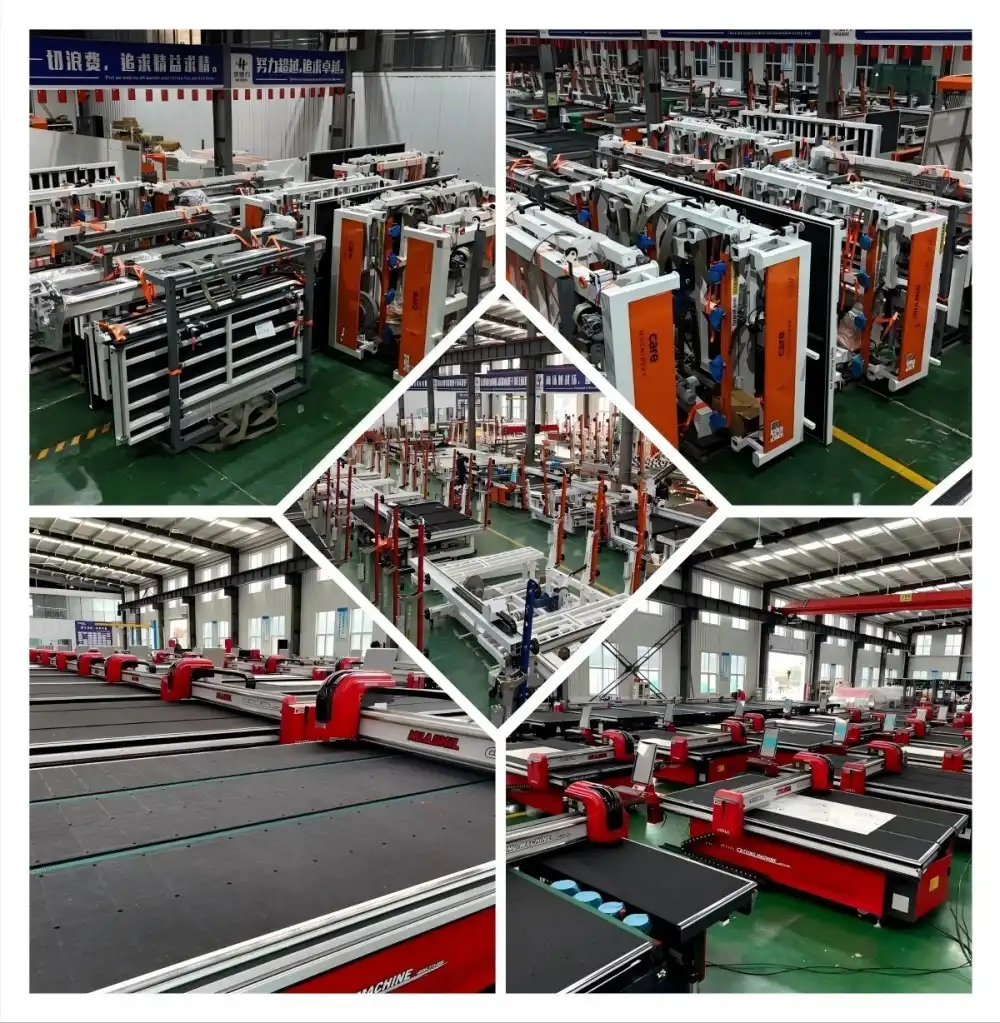
Depending on the size and complexity of the glass sheet, manual filling usually takes three to five minutes. This time causes big problems in places with a lot of production, where cutting systems can work on materials much faster than workers can place them. This causes expensive cutting equipment to sit idle for longer periods of time, which lowers its overall equipment efficiency (OEE) and limits its ability to make things.
Integration problems from automatic glass loading machine wholesalers between hand loading methods and automatic cutting systems make efficiency problems even worse. Modern cutting lines have precise timing and regular material feed rates that are hard to keep up with in manual operations. This causes problems in the process that affect the whole production schedule.
How Automatic Glass Loading Machines Optimize Cutting Efficiency?
Robotics, sensor technology, and smart control software are all built into modern automatic glass-filling systems, which change the way production works. These high-tech tools get around the main problems with doing things by hand while also making throughput, quality, and operating stability better in ways that can be measured.
Advanced Three-Arm Loading Technology
With the addition of automatic loading by three grand arms, it is now possible to handle glass much more easily. This setup is very stable and gives you exact control over where things are placed, so you can work with several glass sheets at once while keeping the right balance throughout the loading cycle. The three-arm design spreads the weight evenly across the glass surfaces, which lowers the stress that could cause the glass to break or get damaged.
Each robotic arm works with servo-controlled accuracy, always being able to place itself within ±0.5 mm. This level of accuracy makes sure that cutting systems are perfectly aligned, getting rid of the differences that come with setting by hand. Multiple arms moving together smoothly lets you add complicated patterns of different types and sizes of glass without having to change the setup by hand.
Air Floating System Integration
By making a surface that doesn't stick to other things, air-floating technology changes the way glass is moved in automatic glass loading machine systems. With this new idea, there is no direct contact between the glass sheets and the surfaces they are being moved on. This keeps the surfaces from getting scratches, chips, and other flaws that usually happen when things are handled the old way.
The air cushion system supports glass panels evenly across their full surface area by distributing air pressure in a way that can be exactly controlled. This method works especially well when working with thin building glass or unique coated materials that need to have their surface remain intact. When compared to standard roller-based transport methods, air floating systems have been shown to cut down on damage by more than 85% in production plants.
Productivity Improvements and ROI Analysis
Automated loading systems regularly lead to big increases in productivity in a wide range of industrial settings. Case studies from the industry show that output improvements can be anywhere from 25% to 45%. Facilities that process a lot of standard-sized glass panels usually see the biggest gains.
A thorough study of production data from companies that make building glass shows that automated systems cut the time it takes to load a sheet of glass from four to five minutes on average to less than ninety seconds. This change directly leads to more people using the cutting line and more products being made every day. Getting rid of human handling also cuts down on the slowdowns that happen when operators get tired, which usually happen during long production runs.
Calculations of return on investment show that most systems pay for themselves in 18 to 24 months, taking into account lower material waste, lower labor costs, and higher productivity. These financial benefits are especially appealing for sites that work multiple shifts or that work with high-value glass goods where damage costs are high.
Maintenance and Safety: Ensuring Continuous, Reliable Performance
For automated glass filling systems to keep working at their best, they need to follow strict safety rules and do regular preventative maintenance. These things have a direct effect on the dependability of the tools, the comfort of the operators, and the safety of long-term investments.
Preventive Maintenance Strategies
Maintenance programs for automatic loading systems that work well focus on the most important parts that keep the system running smoothly and avoid unplanned downtime. Scheduling regular checks for servo motors, air floating systems, and sensor arrays helps find problems before they affect production. Guidelines for lubricating mechanical parts, especially the three-arm assembly systems, keep the machine running smoothly and make it last longer.
Software diagnostics are becoming more and more important in current servicing. Predictive maintenance features in more advanced loading systems keep an eye on performance factors and let workers know when problems start to appear. These systems keep an eye on things like the accuracy of placement, cycle times, and the safety of the air pressure. This lets maintenance be planned ahead of time, which keeps production running as smoothly as possible.
Comprehensive Safety Features
Modern automatic glass loading machines have many safety features that keep workers and machinery safe both when they are working normally and when there is an emergency. With emergency stop devices, the equipment can be turned off right away from several places around it, so any safety concerns can be dealt with quickly.
Load recognition sensors constantly check for and track the presence and placement of glass, stopping equipment from working when conditions are dangerous. Before starting a filling cycle, these systems make sure the glass is in the right place and stop the process if the glass moves or is positioned incorrectly. When safety light curtains and pressure-sensitive floor mats are put together, they make safe zones around tools that stop operations immediately when people enter these zones.
Training guidelines make sure that workers know how to follow safety rules and what to do in an emergency. Comprehensive programs teach production workers how to do normal jobs, do regular repairs, and know what to do in case of an emergency. This builds their confidence and skills.
Selecting the Right Automatic Glass Loading Machine for Your Business
When purchasing managers look at automatic loading systems, they have to think about a lot of things because the equipment they choose has a direct effect on how well they make things, how much it costs to run, and how competitive they will be in the long run. Understanding the most important evaluation factors is important for making sure that the best system is chosen for the needs and growing goals of the business.
Capacity and Compatibility Assessment
When choosing tools, throughput ability is the most important thing to think about. Different systems have different processing speeds and glass handling abilities. These days, automatic filling tools can handle glass sizes up to 3660x2440mm, which is big enough for most building and car uses. But the amount of production needed and the trends of peak demand should guide the choice of capacity to make sure there is enough processing power during peak demand times.
To make sure that new cutting systems and production line tools will work with the old ones, the interface and integration skills need to be carefully thought through. For automation projects to be successful, the filling systems and downstream equipment must be able to talk to each other without any problems. This means that the technical standards for control system compatibility and mechanical interfaces must be carefully reviewed.
Customization and OEM Capabilities
In manufacturing settings, specific designs are often needed to meet specific production needs or space limitations. Leading equipment makers offer a wide range of personalization options, such as changing the way the arms are set up, adding special extensions for handling glass, and setting the control system to fit your needs. These skills are especially useful for companies that put together curtain wall systems and specialized glass makers who work with non-standard goods.
Being able to walk in all directions makes the system more flexible by letting you change its position to fit different production line plans and material flow patterns. This function is especially helpful in retrofit situations where the current building limits where the equipment can be placed.
Cost Analysis and Value Considerations
The total cost of ownership study from automatic glass loading machine wholesalers looks at more than just the price of buying the equipment. It also looks at the costs of setting it up, teaching people to use it, keeping it in good shape, and running it over its whole life. As businesses try to cut costs and have less of an effect on the environment, the energy economy becomes more and more important. When compared to older designs, modern systems that use variable-speed drives and air floating systems that are tuned can save a lot of energy.
Support after the sale and the availability of extra parts are important for keeping tools working well. Manufacturers with extensive support networks, easy access to spare parts, and the ability to do online diagnostics give extra value that often explains higher prices.
Future Outlook: Continuous Improvement and Industry Trends
The world of glass processing machinery is changing quickly because technologies are getting better and business needs are changing. Manufacturers can make smart investment choices that support long-term competitiveness and operating efficiency by understanding new trends.
Industry 4.0 Integration and Smart Manufacturing
Integration with Industry 4.0 tools is a big chance to get better control and oversight over operations. Internet of Things (IoT) connectivity is being added to more and more advanced loading systems. This allows for real-time performance tracking, remote diagnostics, and integration with business resource planning systems. These features help people make decisions based on data and make it easier to use forecast repair plans that cut down on downtime and improve the performance of equipment.
The use of artificial intelligence in glass filling robotics promises to make it more flexible and improve performance. Based on past performance data, machine learning algorithms can look at production trends, find the best loading sequences, and guess what repair needs to be done. These features allow operations to make changes on their own, which keeps them running at their most efficient level even when production conditions change.
Workforce Development and Skills Evolution
As glass loading systems become more automatic, programs must be put in place to make sure that workers have the skills they need to operate and maintain the equipment. Training programs that focus on automation technology, computerized control systems, and advanced troubleshooting methods help employees get ready for changing job requirements and open up possibilities for career growth.
Strategic investments from automatic glass loading machine wholesalers in the growth of employees give companies a competitive edge by letting them use their tools more efficiently and solve production problems more quickly. Organizations that put a high priority on thorough training programs usually see a higher return on investment (ROI) from automation and have fewer business problems during system deployment.
Conclusion
Automatic glass loading tools make cutting a lot more efficient by using advanced automation technologies that get rid of the limits of manual handling and make production routines run more smoothly. When three-arm loading systems, air floating technology, and clever control are used together, facilities can increase output by 25–45% while lowering material waste and improving quality consistency. To make implementation work, you need to pay close attention to upkeep rules, safety measures, and criteria for choosing tools that match the needs of the operation. By investing in new robotic solutions, glass makers can stay ahead of the competition in an industry that is always changing.
FAQ
Q1: How much can an automatic glass loading machine improve cutting efficiency?
When compared to cutting by hand, automatic glass loading systems usually make the job 25–45% more efficient. The exact improvement relies on things like the size of the glass, the amount of output, and how well the process is already optimized. Facilities that work with large-format glass screens often see the biggest gains in speed because they need to do less work by hand and be more accurate when placing things.
Q2: What glass sizes can automatic loading machines handle?
Modern automatic loading tools can handle glass pieces that are up to 3660mm x 2440mm, which is big enough for most building, car, and decoration uses. The three-arm loading design makes it easy to use across this whole size range while keeping the machine precisely positioned for the best cutting accuracy.
Q3: Are automatic loading machines suitable for smaller production facilities?
Different types of automatic filling systems can be used for different production levels. Due to higher volumes, bigger facilities usually see faster payback times. On the other hand, smaller businesses benefit from fewer workers, better quality consistency, and higher safety. Systems can be changed to fit the needs of a building and the amount of work that needs to be done.
Q4: What maintenance requirements do automatic loading machines have?
As part of maintenance, mechanical parts must be checked regularly, moving parts must be oiled, and software reports must be monitored. Most systems need to be checked for problems once a week and more closely once a month. Predictive maintenance features in more advanced systems keep an eye on performance factors and let workers know about problems before they affect production.
Q5: Can automatic loading machines be integrated with existing cutting systems?
Yes, automatic loading tools are made to work with a wide range of cutting systems from different makers. For integration to work, the decision process needs to take into account how well the control systems work together and what the mechanical link needs to be. Most makers offer technical help for planning and implementing integration.
Partner with HUASHIL for Advanced Automatic Glass Loading Solutions
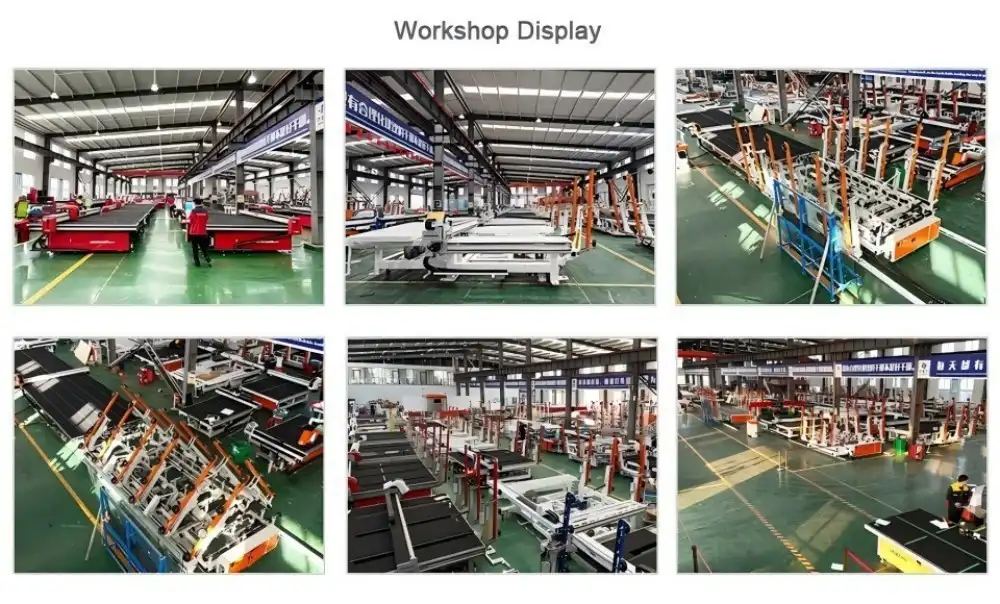
HUASHIL stands as a leading automatic glass loading machine manufacturer, delivering cutting-edge automation solutions that transform glass processing operations worldwide. Our advanced systems feature innovative three-arm loading technology, precision air floating systems, and customizable configurations that accommodate glass sizes up to 3660x2440mm with great dependability and performance.
Shandong Huashil Automation Technology Co., LTD brings to every job decades of experience making things and a wide range of tech skills. Our team is an expert at creating custom solutions that work well with current production lines and make them more efficient, safer, and better at what they do. With the ability to walk in all directions and many customization choices, the robot is sure to work well in a wide range of industrial settings.
Experience the advantages of partnering with a trusted automatic glass loading machine provider that wants you to succeed. Get in touch with our expert team at salescathy@sdhuashil.com to talk about your needs and find out how our tried-and-true automation solutions can help you run your cutting processes more efficiently.
References
1. Glass Manufacturing Industry Association. "Automation Trends in Glass Processing: Performance Analysis and ROI Studies." Industrial Glass Technology Review, 2024.
2. Johnson, Michael R. "Advanced Robotics in Glass Handling: Technical Innovations and Production Efficiency." Manufacturing Automation Quarterly, Vol. 18, No. 3, 2024.
3. International Glass Processing Council. "Safety Standards and Best Practices for Automated Glass Loading Systems." Technical Publication Series, 2024.
4. Chen, Wei and Anderson, David. "Air Flotation Technology in Industrial Glass Transport: Damage Reduction and Quality Improvement." Materials Handling Engineering, 2024.
5. European Glass Technology Institute. "Industry 4.0 Integration in Glass Manufacturing: Case Studies and Implementation Guidelines." Technical Research Report, 2024.
6. Roberts, Sarah L. "Total Cost of Ownership Analysis for Glass Processing Automation Equipment." Industrial Equipment Management Review, Vol. 15, No. 2, 2024.
