




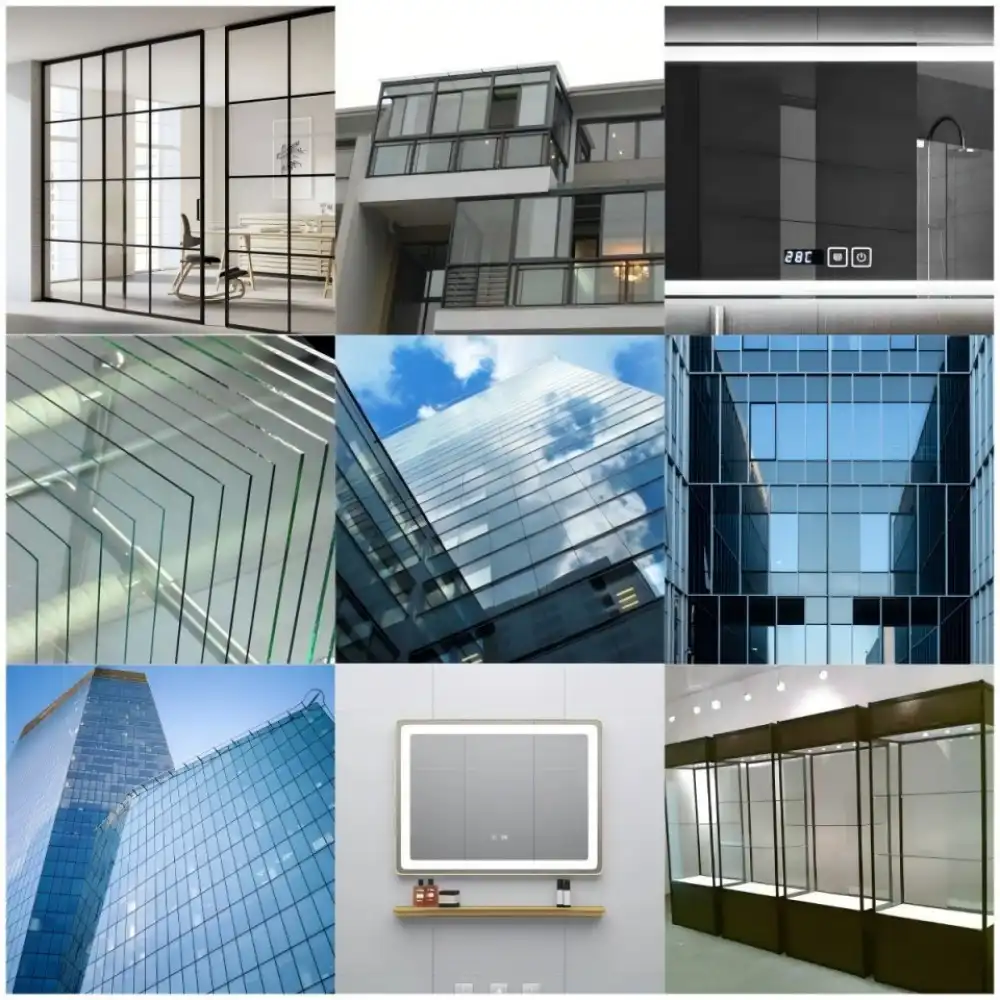
When you look at what modern glass processing equipment can do, the 2721 glass cutting line stands out as a high-tech option made for settings with continuous production. Within architectural glass making, curtain wall fabrication, and furniture production centers, this automatic cutting system works very well. The HSL-LSX2721 model has three special tables for loading, cutting, and breaking. It also has powerful Optima optimization software to make sure that the process is managed smoothly. For production managers looking for reliable glass cutting technology, this system is especially useful because it can handle glass sheets up to 2700x2100mm in size and maintain its accuracy over long periods of time.
Understanding the 2721 Glass Cutting Line Technology
The tech behind the 2721 glass cutting line is the result of decades of progress in making automatic systems for processing glass better. This high-tech equipment works by following a carefully planned series of steps that are meant to be as efficient as possible while still meeting the highest quality standards.
Advanced Multi-Table Configuration
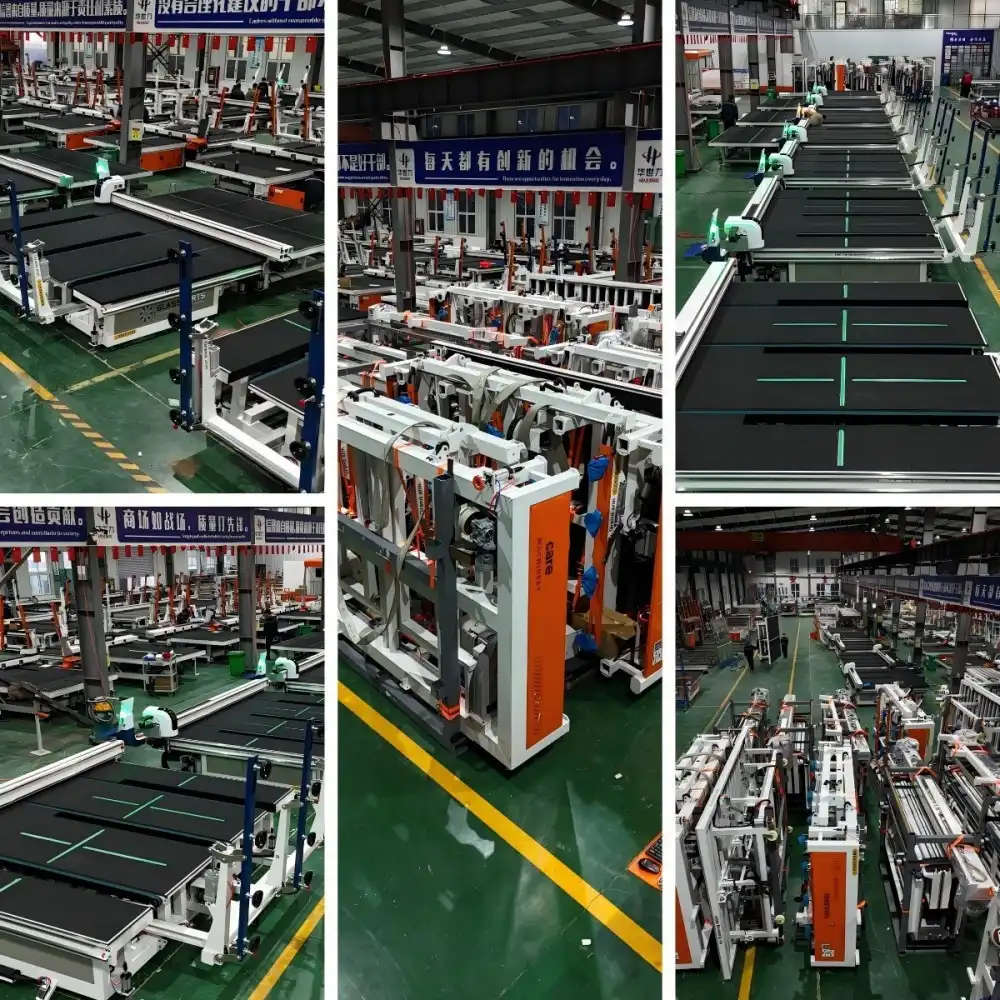
The HSL-LSX2721 type has three separate operating areas that all work together perfectly. The filling table is where most of the glass goes into the production process. Automated placement systems bring the raw materials to the table. There are three large arms on each side of the system that make sure the glass is handled safely throughout the whole process. At the center of the process is the cutting table, where precise diamond wheels or laser cutting tools make exact shapes based on computer instructions. The breaking table finishes the cycle by splitting the cut glass pieces neatly while keeping the edge quality up to strict industry standards.
This method of using multiple tables gets rid of the problems that come with single-station cutting systems. While one sheet of glass is being cut, other sheets can be added and placed at the same time, providing a continuous production flow that cuts cycle times by a large amount.
Intelligent Software Integration
The Optima optimization software is like the brain of the whole process. It looks at the patterns on the glass and figures out automatically the best way to cut them. This smart system figures out the best way to nest things of different shapes and sizes so that there is the least amount of waste and the most output. Real-time monitoring tools let production managers get immediate feedback on cutting accuracy, material utilization rates, and the general efficiency of the equipment.
The software's adaptive algorithms are always learning from past production trends and changing the cutting settings automatically based on the type of glass, its thickness, and the conditions outside. This ability to self-optimize makes sure that results are always the same, even during long production runs that span several shifts.
Flexible Rail Configuration Options
The 2+2 station layout from CNC glass cutting machine manufacturers with either above-ground or underground train lines gives building integration a level of freedom that has never been seen before. Plant engineers can make changes to the work to fit current floor plans and make sure that materials move smoothly. Because it is flexible, the system can be used for both new facilities and upgrades in factories that are already up and running.
Underground rail systems are especially useful in places where floor space is limited because they can be easily connected to existing conveyor systems and other equipment used for moving things.
Assessing Performance Bottlenecks in Continuous Operation
To get the most work done in continuous glass cutting, efficiency limits must be systematically found and removed. By knowing about these possible bottlenecks, production teams can keep their efficiency at its highest level even during long manufacturing processes.
Common Operational Challenges
One of the most important things that affects long-term success in settings with continuous output is equipment wear. Degradation of the cutting wheel happens slowly over long periods of time, causing small quality drops that can add up over time. Modern tracking systems can now send out forecast maintenance alerts when cutting tools are getting close to the point where they need to be replaced. This stops quality problems before they affect production.
Differences in cutting accuracy are often caused by heat growth effects that happen during long periods of operation. When machinery hits its steady-state working temperatures, some of its mechanical parts may experience small changes in size that can affect how accurately it can be placed. The Optima software has advanced compensation methods that automatically change for these thermal effects. This keeps the cutting precision within acceptable limits during continuous production runs.
Inefficient conveyors usually show up as uneven feeding patterns for glass or mistakes in placement that stop multiple production units from working together as planned. These problems can't become big production delays as long as sensors are regularly calibrated and guide systems are mechanically adjusted.
Optimization Strategies and Solutions
Targeted improvement methods that deal with these common bottlenecks have been successfully used by top makers. Process streamlining looks at the whole flow of materials, from storing raw glass to packaging produced goods, to find ways to cut down on handling steps that aren't needed or cycle times between processes.
Upgrading parts is often the most cost-effective way to fix problems that won't go away. When glass tracking systems are updated to high-precision servo motors, the small changes that happen over time can be eliminated. In the same way, using modern sound-dampening systems lowers the mechanical stress that causes parts to wear out too quickly.
Recently, a well-known curtain wall maker in Texas made huge gains in output by fixing certain problems in their continuous production line. They increased daily output by 35% and cut material waste by 18% by improving their cutting table positioning system and putting in place predictive repair routines. This case shows how systematic bottleneck analysis leads directly to measured cost cuts and increased output.
Comparing the 2721 Glass Cutting Line with Market Alternatives
Procurement workers who are looking at equipment investments can make smart choices when they know how the 2721 glass cutting system compares to other technologies. This in-depth study looks at the most important performance indicators that have a direct effect on the overall cost of ownership and the speed of production.
Performance Metrics Analysis
When it comes to cutting speed, the 2721 system is different from other options because it can keep feed rates constant no matter how thick or complicated the glass is. Traditional single-table systems can only go as fast as 8 to 12 meters per minute at their fastest. The 2721, on the other hand, has multiple tables that allow it to go faster than 15 meters per minute continuously. This benefit stands out even more when working with complicated cutting patterns that need to change directions a lot.
Accurate readings show performance differences that are just as amazing. The 2721 system regularly cuts with tolerances of within ±0.1mm across the full 2700x2100mm working area. This is better than the ±0.3mm tolerances that most competing systems have. This higher level of accuracy cuts down on the need for extra processing and raises the total rate of material utilization.
According to a study of energy usage, the 2721 device uses about 15 to 20 percent less power than similar options. This economy comes from motor control systems that work better and smart power management that changes how much energy is used based on how much cutting is being done instead of always using the full amount of power.
Cost-Effectiveness and Return on Investment
Total cost of ownership estimates show that the 2721 glass cutting line system has big benefits in a lot of different operating areas. Usually, the initial costs of the equipment are paid back within 18 to 24 months by lower labor costs, less waste, and higher output capability. Maintenance costs are always lower because work is spread out among several places, which means that individual parts don't wear out as quickly.
In reviews from glass manufacturing centers, the 2721 system is always praised for being reliable and working well. A recent poll of architectural glass makers found that 94% were happy with how well their equipment worked overall, with particular praise for how well it kept its accuracy over long production runs. User feedback stresses how easy it is to use and how little training is needed compared to competing systems that are more complicated.
Practical Guide for Procurement and Seamless Integration
When procurement teams look at investments in glass cutting equipment, they need all the facts so they can make choices that meet both short-term output needs and long-term strategic goals. This useful advice talks about the most important things to think about when choosing and using tools.
Configuration Selection and Customization Options
To choose the best 2721 setup, you should first carefully look at your current production needs and how much you expect them to grow in the future. The basic HSL-LSX2721 model works for most building and furniture glass needs, but there are ways to make it fit your specific needs. For factories that mostly work with smaller pieces of glass, changing the way the tables are set up may help them get the best turn times for the types of glass they work with.
The different choices for the train system are very helpful when integrating the facilities. Because they are easy to maintain and connect to utilities, above-ground setups are perfect for buildings that already have their floors set up. Underground train systems are better for new building projects that need to make the best use of floor space because they clean up the flow of materials.
Here are the most important design factors that affect the long-term success of operations:
- Production Volume Needed: The full multi-table setup usually gives the best return on investment to facilities that process more than 500 square meters of glass every day.
- Glass Size Distribution: Businesses that work with bigger glass panels can use the full 2700x2100mm capacity, but businesses that work with smaller panels might want to change the table sizes.
- Integration Difficulty: Rail setups and conveyor connections need to be carefully coordinated in buildings that already have material handling systems in place.
- Plans for future growth: the modular design lets the facility's capacity be increased in the future without major changes.
These design choices have a direct effect on both the initial investment needed and the long-term operating efficiency. This means that careful evaluation is necessary to get the most value out of your equipment.
Purchasing Process and Support Infrastructure
When you buy a lot of pieces or a whole production line, you can save a lot of money by using bulk buying arrangements. Volume savings usually run from 8% to 15%, but they rely on how much you buy and how flexible you are with your shipping schedule. With detailed quotes that include all the necessary parts, installation services, and beginning training programs, transparent price models take the guesswork out of planning a budget.
In addition to basic equipment security, warranties cover a wide range of performance guarantees and parts supply agreements. Standard guarantee terms cover all important parts for 24 months. For critical production settings where downtime costs are especially high, you can choose to get longer coverage. Parts availability promises make sure that new parts will be available for at least ten years, which protects the value of an investment over the long run.
Authorized sellers keep popular replacement parts in stock in their own communities and offer quick expert help all over the United States. In major manufacturing areas, service centers offer on-site maintenance and emergency repairs, which helps keep production running as smoothly as possible. Full customer support includes online diagnostic tools that let technical experts fix problems with operations without having to visit the spot in person.
Ensuring Long-Term Optimal Performance
Systematic methods to upkeep, operator training, and efforts to keep getting better are needed to keep glass cutting equipment running at its best for as long as it is used. These practices protect the money spent on tools while making output as efficient as possible over long periods of time.
Preventive Maintenance Protocols
Regular repair plans are the key to making sure that something works well for a long time. Every day, checks are made to see how the cutting wheels are doing, the tracking sensors are calibrated, and the guide rails are cleaned so that glass debris doesn't build up. As part of weekly maintenance, moving parts need to be oiled, measuring systems need to be checked for accuracy, and electrical connections need to be looked at for signs of wear or rust.
As part of the monthly thorough checks, the cutting accuracy across the entire working envelope is carefully looked at, along with the alignment of the conveyor system and software performance measures. These thorough checks find new problems before they have an effect on the quality of the work or the dependability of the tools.
Troubleshooting guidelines from CNC glass cutting machine manufacturers give you an organized way to deal with common operational problems. Diagnostic methods help doctors look at symptoms in a planned way, which speeds up the process of finding the root causes and taking the right steps to fix them. Clear documentation of fixing steps cuts down on downtime during shift changes and makes sure that everyone who works on the machine uses the same methods to fix problems.
Safety Culture and Training Excellence
Promoting a culture of safety goes beyond just meeting legal requirements; it also includes strategic risk management and ongoing efforts to make safety better. Comprehensive operator training programs teach not only how to use tools, but also how to spot hazards, what to do in an emergency, and what safety gear you need to wear. Regular safety refresher training makes sure that everyone stays up to date on new regulations and best practices.
Hands-on practice with all operating modes, knowledge of maintenance needs, and skill in simple troubleshooting methods are all important parts of user training. Structured training programs usually need between 40 and 60 hours of lessons and guided practice before they can fully certify an operator. Operators are kept up to date on software changes, process improvements, and new ways to make output more efficient through ongoing education programs.
Adopting an attitude of continuous improvement leads to ongoing improvements in how well operations run and how reliable equipment is. Performance reviews done on a regular basis find ways to make the process better, and feedback from operators shows how to make real changes that make the daily operation more effective. Equipment operators and managers working together in this way makes it possible for small changes to add up to big gains in productivity over time.
Conclusion
The 2721 glass cutting line is a big step forward in the glass making industry's technology for constant production. This system meets the important performance needs of modern production facilities with its creative multi-table layout, smart software integration, and flexible installation options. When it comes to building glass, curtain wall fabrication, and furniture making, the HSL-LSX2721 model is very useful because it can handle glass panels up to 2700x2100mm in size while still being very precise. When production managers put in place systematic maintenance protocols and spend money on full operator training, they will see big improvements in throughput, quality consistency, and operational efficiency. These improvements will pay for the equipment investment through increased production capacity and lower operational costs.
FAQ
Q1: What makes the 2721 glass cutting line suitable for continuous production environments?
The 2721 system has three specialty tables that work together to get rid of standard production bottlenecks. These tables are for loading, cutting, and breaking. The multiple tables set up mean that loading, cutting, and breaking glass can all be done at the same time. This creates a smooth process that keeps throughput steady during long production runs. Advanced Optima optimization software keeps an eye on the cutting settings and makes changes as needed to keep the accuracy high during continuous operation cycles.
Q2: How does the speed and accuracy of the cutting compare to the old ways of cutting glass?
The 2721 glass cutting line can cut with tolerances of just ±0.1mm across the whole 2700x2100mm work area. This is much better than the usual ±0.3mm tolerances of other systems. Continuous output rates of more than 15 meters per minute are possible, compared to 8 to 12 meters per minute with single-table options. This higher level of accuracy cuts down on the need for extra processing while increasing the total production capacity.
Q3: What kind of help and warranty coverage is there after the sale?
The full warranty protects all important parts for 24 months, and for critical work environments, you can choose to get extra coverage for an extra fee. There are authorized repair shops all over the United States that keep new parts in stock and offer quick technical help. Technical experts can fix practical problems with remote diagnostics, so they don't have to go to the place in person. This keeps production from being interrupted as little as possible.
Q4: Can the system be customized for specific production requirements?
The HSL-LSX2721 model can be customized in a lot of ways, such as by changing the table size and train configurations and software settings. Above-ground and underground train systems can work with different building layouts, and the 2+2 station layout can be changed to make work move better for different types of production. The flexible design lets the facility's capacity be increased in the future without big changes.
Q5: What training is required for operators to achieve proficiency?
Comprehensive operator training programs usually need between 40 and 60 hours of lessons that cover how to operate the equipment, how to keep it in good shape, and how to fix simple problems. Structured training includes using all operating modes by hand and being watched while using them until certification is earned. Operators stay up to date on software changes and ways to improve processes through ongoing education programs.
Partner with HUASHIL for Advanced Glass Cutting Solutions
HUASHIL is ready to change the way you work with glass with our 2721 glass cutting line technology, which is the best in the business. Our experienced engineering team works directly with buying professionals to create unique solutions that meet the needs of production while also getting the best return on investment. As a reliable 2721 glass cutting line provider, we offer full support, from the initial meeting to installation, training, and ongoing upkeep. Please email our sales team at salescathy@sdhuashil.com to talk about your needs for automated glass cutting and find out how our tried-and-true technology can help you make more.
References
1. Glass Manufacturing Industry Quarterly, "Advanced Automation Trends in Glass Cutting Technology," Industrial Glass Processing Journal, Vol. 45, No. 3, 2023.
2. Chen, L., Wang, M., "Performance Analysis of Multi-Table Glass Cutting Systems in Continuous Production Environments," International Journal of Manufacturing Technology, Vol. 78, No. 2, 2023.
3. American Glass Processing Association, "Benchmark Study of Automated Glass Cutting Equipment Efficiency and ROI Analysis," AGPA Technical Report Series, 2023.
4. Rodriguez, A., Thompson, J., "Optimization Software Applications in Modern Glass Manufacturing: A Comparative Study," Automation in Glass Production Quarterly, Vol. 12, No. 4, 2023.
5. International Glass Technology Conference Proceedings, "Innovative Approaches to Continuous Glass Processing Line Design," Glass Technology International, Annual Conference Edition, 2023.
6. Manufacturing Engineering Review, "Total Cost of Ownership Analysis for Industrial Glass Cutting Equipment," Production Efficiency Research Institute, Technical Publication No. 2023-15.
