




A new invention called an
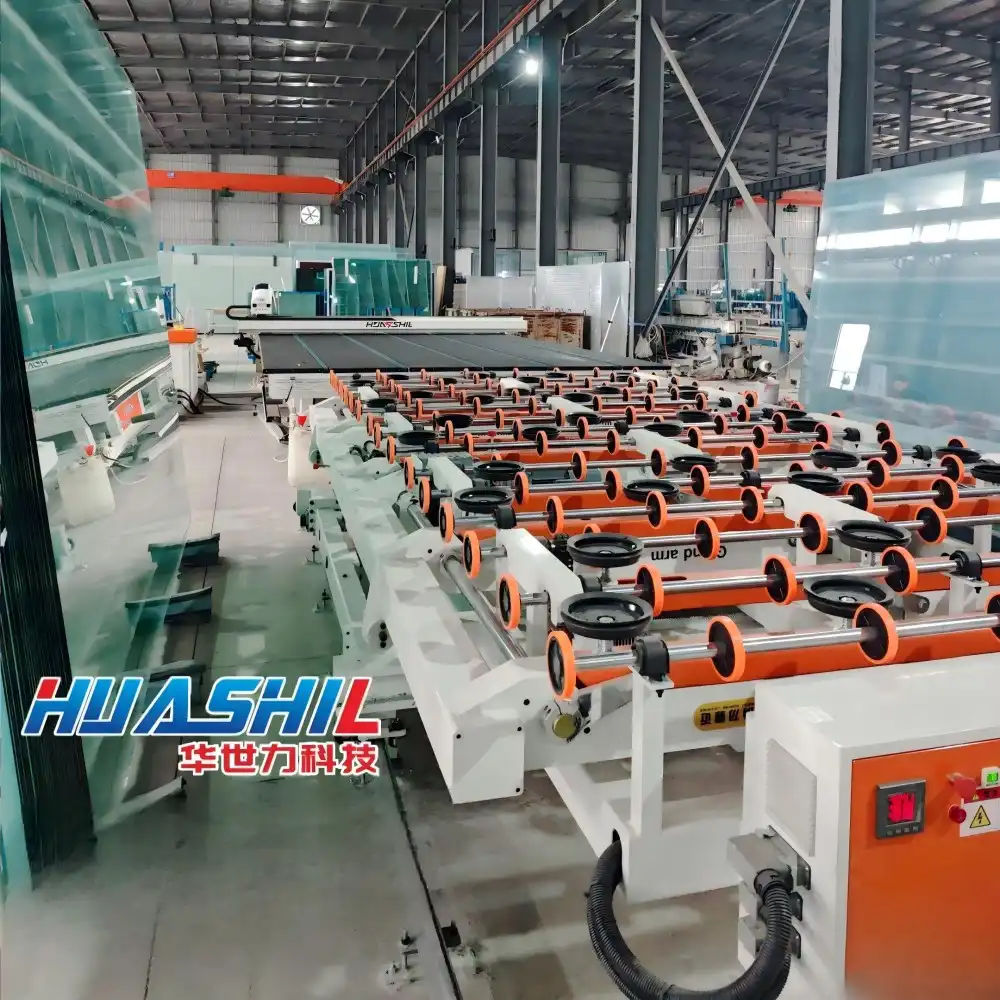
changes the way glass is handled by using advanced air float technology to make a smooth surface that doesn't scratch or break glass while it's being moved. This clever method holds glass sheets up on a cushion of air, so they don't touch solid objects directly. The weight is spread out evenly across the whole glass panel. This has led to a big drop in production costs, better quality products, and higher safety standards for glass manufacturing plants all over the world.
Understanding the Problem of Glass Damage in Handling
Damage to glass during industrial handling causes big problems that affect both how profitable and how efficient modern factories are. Due to their fragility, glass materials can be damaged in many ways during the production process, from the initial loading to the final packing steps.
Common Causes of Glass Damage in Industrial Settings
Glass that is used in industrial settings is usually broken because of mechanical stress. When glass sheets hit uneven support surfaces or pressure points that are too high, they create internal stresses that can cause them to break right away or make weak spots that break later on. These troublesome pressure points are common in traditional roller conveyors, especially when the wheels get out of alignment or wear unevenly.
These mechanical stress problems are made worse by bad handling methods. When big glass panels are lifted and placed by hand, they are vulnerable to human error, such as sudden moves, weak grips, and problems with teamwork between multiple workers. These human factors become more of a problem when working with panels that are too big or too small.
Another big problem for glass-making plants is that their equipment is getting old. Vibrations, uneven rollers, and alignment problems in older conveyor systems cause stress patterns on glass surfaces that are hard to predict. These old methods don't always have the accuracy needed to work with current glass products, which need better surface quality and tighter tolerances.
Impact of Traditional Loading Methods
Roller conveyors are often used to move glass, but they have some problems that make them less safe and can damage materials. Because roller supports only touch at one point, they create stress zones that can cause scratches on the surface and stress clusters inside the support. Also, roller systems need to be serviced often to keep them aligned correctly and running smoothly.
Even though air float glass loading table manual handling gives you the most options, it comes with a lot of safety risks and quality issues. When workers are handling big glass screens, they have to deal with physical problems that can hurt them or damage the products they are working on. Because human handling is uncertain, it's hard to keep quality standards the same from one production run to the next.
These old ways of doing things often lead to more downtime because of delays caused by damage, more repair needs, and higher running costs because of wasted materials and extra work. To meet the quality and efficiency standards of today, glass production plants need more advanced options.
How the Air Float Glass Loading Table Works to Minimise Damage?
Air float technology is a revolutionary way to handle glass that gets rid of many of the usual sources of damage. This new method makes a level air cushion that holds up glass panels without any direct mechanical touch. This completely changes the way materials move through the production process.
The Science Behind Air Flotation Technology
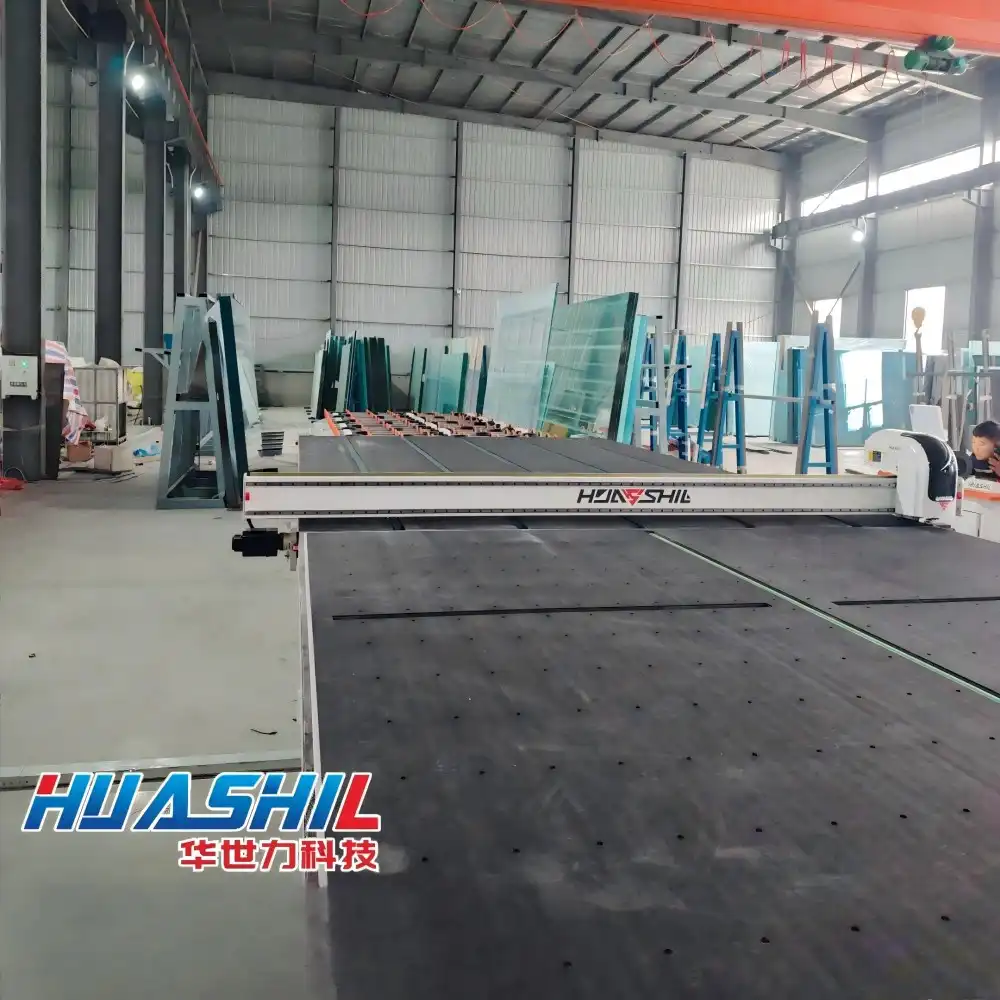
The air floating system works by sending compressed air across the table surface through tubes that were carefully designed and placed. This makes a thin layer of air that holds the glass panel evenly, getting rid of the pressure points and friction that usually damage glass. The air pressure is carefully kept in check to make sure there is enough support without too much lifting, which could make the glass unstable.
Advanced pressure control systems constantly check and change the flow of air, making sure that the support stays the same no matter how thick the glass is or how much it weighs. This feature lets the system handle different kinds of glass without any help from a person or setting changes between production runs.
The science of air float spreads the weight of the glass evenly across the whole surface area. This makes stress concentrations much less likely than they are with point-contact support systems. This even spread stops internal pressures from building up, which could cause the product to fail later or become weaker.
Safety Features and Damage Prevention Mechanisms
Modern air float systems have many safety features that keep glass from getting broken while it's being handled. Anti-static surfaces stop the building of static electricity that can stick glass sheets together or attract dust particles that scratch the glass. Specialised materials are used on these surfaces to safely get rid of electrical charges without affecting the ability to float in the air.
Anti-slip systems keep the glass from moving around during setting operations. These systems use controlled air flow patterns that make it a little harder to move side to side while keeping the smooth support properties that make air float work. This controlled resistance helps workers put glass in the right place so that it doesn't move around and damage itself.
Built-in systems for finding faults constantly check the system's performance, air pressure, and flow rates. These tracking systems can find problems before they damage the glass. They do this by setting off automatic shutdowns or sending out alerts that give workers a chance to fix problems before they get worse. Sensor networks all over the system give real-time information about how things are working and how well they're doing.
Advanced Automation Features
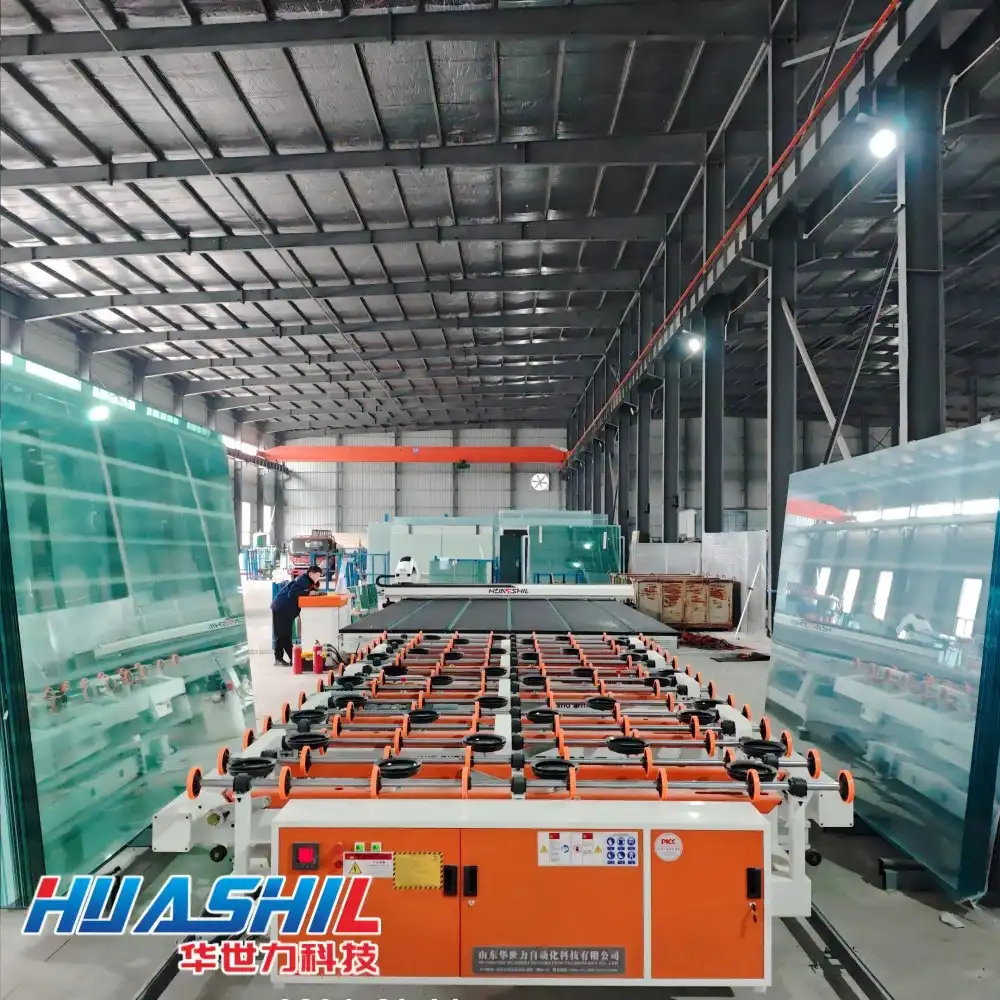
The automatic filling system has three large arms that work together perfectly to move glass panels quickly and safely. The advanced control systems in these robotic arms change the grip strength, movement speed, and accuracy of placement based on the size and weight of the glass being used. The arms are strong enough to hold glass pieces up to 3660mm x 2440mm, which is popular for use in architecture and cars.
The 360-degree walking feature lets the whole loading system move around the work area. This makes it possible for complex production plans to work and for materials to move quickly between stations that process them. Because it can move around, there is no need for multiple set loading spots and fewer steps of material handling that could cause damage.
With customisation choices, the system can be changed to fit the needs of the output and the limitations of the facility. Changes can include special devices for handling, custom air flow patterns, and connecting to robotic systems that are already in place. Customisation provides the best performance for each application while keeping the main benefits of preventing damage.
Benefits of Using an Air Float Glass Loading Table in B2B Glass Handling
Air flotation technology has measured benefits that have a direct effect on how efficiently and well industrial glass-making operations make products. These benefits go beyond just reducing damage; they also include bigger operational changes that make the whole building work better.
Damage Reduction and Quality Improvement
The biggest quality improvement benefit of air flotation devices is that they get rid of direct mechanical touch. Glass surfaces stay perfect during handling, which lowers the number of rejected items and raises the quality of the end product. When optical clarity or exact surface finishes are needed, this quality uniformity is even more important.
The ability to reduce stress stops internal tensions from building up, which can lead to delayed failures in finished goods. Air flotation devices support glass evenly across its whole surface, so they don't cause stress concentrations like other methods do. This lowers stress, which makes the product last longer and work better in tough situations.
Surface protection does more than just stop obvious damage. It also gets rid of tiny scratches that can make a product less useful. When things are handled in the old-fashioned way, they often get tiny surface damage that changes how they look or how strong they are. These small but important quality problems are taken care of by Air Float Glass Loading Table air floating systems.
Operational Efficiency and Cost Benefits
When air flotation systems are used instead of standard ways of moving materials, production cycle times go down a lot. The smooth, frictionless movement makes it possible to move materials more quickly while keeping the exact position of the tools. This rise in speed directly leads to higher output and lower unit costs of production.
When compared to motorised conveyor systems, they require a lot less maintenance. There aren't many moving parts or rolling parts in air float systems that need to be replaced or adjusted on a frequent basis. This lower maintenance load reduces running costs and cuts down on output stops caused by machine servicing.
Labour costs go down because less handling is needed and less work has to be redone because of damage. Operators can safely move bigger panels with less physical effort, and since accidents don't happen as often, it takes less time to check for quality and replace materials. These improvements in speed add up over time to save a lot of money.
Integration and Customisation Advantages
It is possible for air flotation devices to connect with current production machinery without having to make a lot of changes. Standard communication standards and flexible design make the process of installation and testing easier. This flexibility lowers the cost of execution and keeps production running as smoothly as possible during installation.
Facilities can handle a wide range of products without having to change their tools because they can work with different types of glass. Because the system instantly changes the support and air flow patterns based on the material, there is no need for setup time between goods. This adaptability helps with fast production and lowers the need for stocking specialised handling equipment.
Systems can grow as needed by adding scalability choices. Modular designs let you add more space by adding more table pieces or better automation features. This scalability saves investments in equipment and helps the business reach its growth goals.
Choosing the Right Air Float Glass Loading Table: Market Options and Considerations
To choose the best air float system, you need to carefully look at the technical specs, the supplier's skills, and the system's long-term needs. There are many people involved in the decision-making process, and both current wants and future growth opportunities are taken into account.
Comparative Analysis of Handling Technologies
Compared to standard roller conveyors, air float technology works better in a number of important ways. By getting rid of point-contact stress densities, damage reduction powers are higher than those of mechanical systems. In particular, this benefit stands out when working with thin or big glass pieces that can be stressed by deflection.
There is another way to handle glass called vacuum table devices, but they are limited in some ways compared to air float. Vacuum systems need protected surfaces, which means that rough or punctured glass may not work with them. In addition, vacuum systems can leave marks on delicate surfaces from the pressure, while air flotation keeps the process completely non-contact.
Comparing how much energy different systems use shows that air-floating devices are better for most uses. Even though these devices need compressed air, the amount of energy they use stays pretty much the same, no matter what size or weight of glass is being used. Depending on how much weight is on them, mechanical conveyor systems use different amounts of energy. They also need extra power for upkeep tasks.
Supplier Evaluation Criteria
Manufacturing knowledge is a very important thing to consider when choosing a seller. Companies that have a lot of experience automating glass handling know how to deal with the unique problems and needs of each glass processing application. This knowledge leads to better system design, more efficient operation, and better technical help for the whole lifecycle of the equipment.
Service options after the sale have a big effect on how well and how much it costs to run a system in the long term. Complete service plans should include having access to spare parts, quick expert help, and training for both operational and repair staff. Having a local service presence cuts down on reaction times and makes sure that operating problems are fixed quickly.
Air float glass loading table systems that can be customised can meet the needs of certain applications that normal setups can't. Suppliers that offer engineering services and custom development can change systems to work with different types of glass, space limitations, or needs for integration. For complicated uses or unique glass goods, this ability to be customised becomes very important.
OEM and Direct Procurement Options
The best professional help and advice for air flotation systems comes from the companies that made them in the first place. Having direct links with OEM providers gives you access to the newest technologies and the best system setups for each application. Better warranty terms and long-term supply of parts are also benefits of these partnerships.
Buying directly from the factory cuts out middlemen and their markups, while still ensuring genuine tools and full maker support. Most of the time, direct buying relationships offer better prices for big orders and allow customisation requests that distributors can't meet. Having links with factories also makes it easier to visit them and do hands-on evaluations.
When you work directly with makers, it's easier to make sure that products are certified and meet regulations. OEM providers keep a lot of records about safety approvals, performance requirements, and how well their products meet industry standards. This paperwork makes it easier for controlled businesses and quality management systems to get approval.
Best Practices for Operation and Maintenance to Maximise Table Performance
For air float systems to work at their best, they need to be maintained regularly and used correctly. These practices make sure that the system works reliably, extend the life of the equipment, and keep the benefits of damage protection that make the system investment worthwhile.
Routine Maintenance and Inspection Protocols
The most important repair task for air flotation devices is checking the air nozzles. Cleaning on a regular basis keeps dust and other particles from building up, which can stop air flow or cause uneven pressure patterns. Visually checking the state of the nozzles and measuring the air flow rates at typical spots on the table surface should both be part of the inspection process.
Maintenance on the air supply system makes sure that the pressure and flow stay the same, which is important for supporting glass evenly. This care includes changing the filters, cleaning the compressor, and setting the pressure regulator to the right setting. Keeping an eye on the air quality keeps it from getting dirty, which could damage sensitive glass surfaces or make the system work less well.
Regular diagnostics of the control system should be done to check the accuracy and reaction qualities of the sensors. These systems keep an eye on important factors that make sure the system works safely and at its best. The accuracy of measurements is kept up by regular testing, which also stops fake alarms that could stop production.
Troubleshooting Common Issues
Changes in air pressure are often caused by issues with the feed system or nozzle jams. As part of the diagnostic process, pressure levels should be checked regularly throughout the transport system to find sources of limitation. Pressure mapping across the table surface helps find trouble spots and figure out what needs to be done to fix them.
Sensor problems can make the system react in the wrong way or set off fake alarms. Sensors should be cleaned, connections should be checked, and testing should be done as part of the troubleshooting steps. Back-up sensor systems make sure that important readings are always taken and that the system keeps running while the sensors are being serviced.
Communication problems between control systems can make it hard to automate tasks and connect to other production tools. These problems don't cause production delays because they are checked for regularly, and interfaces are tested. Documenting communication methods and troubleshooting steps makes it possible to fix connection issues quickly.
Safety Protocols and Training Requirements
Operator training programs for air float glass loading tables should teach both normal working methods and how to handle emergencies. Full training makes sure that users know what the system can and can't do while also learning the skills they need to operate it safely and effectively. Regular refresher training keeps people's skills up to date and offers new or better ways of doing things.
Personal safety equipment rules need to take into account the unique risks of working with glass. Even though air flotation devices make many standard dangers less likely, workers still have to deal with the risk of glass edges and breaking. These risks can be kept to a minimum with the right safety gear and processes.
In case of equipment problems or safety issues, emergency shutdown methods make it possible to quickly turn off the system. Operators can act quickly in emergencies when clear processes and tools are easy to get to. Regular emergency drills keep operators ready and make sure that safety systems are working properly.
Conclusion
Air Float Glass Loading Tables are a revolutionary way to solve problems in the industrial glass handling process, greatly enhancing product quality, working efficiency, and safety in the workplace. Advanced air flotation technology gets rid of direct mechanical touch, which fixes the main causes of damage and gives modern glass working facilities the freedom and automation they need. You can see a clear return on your investment in this technology because it cuts down on trash, lowers upkeep costs, and boosts production. Glass goods are getting more complicated, and quality standards are going up all the time. Air float systems give factories the stable base they need to stay competitive.
FAQ
Q1: What types of glass can be handled by an Air Float Glass Loading Table?
Air float systems can work with almost any kind of glass, such as car glass, furniture glass, smart mirror substrates, building glazing, and decorative panels. The system can handle layers ranging from thin bases to heavy structural glass. It does this by automatically adjusting the pressure to make sure that each type of material is supported properly. The largest size, 3660mm x 2440mm, fits most normal glass sizes used in business settings.
Q2: How does air flotation compare to traditional roller conveyors in terms of maintenance?
Because they don't touch anything and have fewer moving parts, air flotation devices need a lot less upkeep than motorised conveyors. Roller systems need to have their bearings replaced, their balance checked, and their surfaces refinished regularly. Air float tables, on the other hand, only need their air filters changed and their nozzles cleaned every so often. This means less maintenance, which means lower prices and less downtime for output.
Q3: Can Air Float Glass Loading Tables integrate with existing automation systems?
Modern air flotation systems have standard communication methods and open input choices that make it easy to connect them to automation systems that are already in place in production. The ability to walk in all directions and the programmable control systems make them flexible for different building plans and workflow needs. There are customisation choices that make sure it works with certain automation designs and production management systems.
Q4: What safety features prevent glass damage during power outages?
Modern air float systems have backup air tanks and controlled stop processes that lower the glass panels safely when the power goes out. Back-up air sources give you enough time to handle an emergency, and pressure control systems stop sudden drops in air pressure that could damage things. When the power goes out for a short time, battery backup devices keep important control functions running.
Q5: How do choices for customisation meet individual production needs?
Some of the features that can be changed are the handling devices for different types of glass, the air flow patterns for different materials, and the connection parts for different automation systems. Engineering services come up with special solutions for odd types of glass or limitations in the building, while keeping the main benefits of air flotation technology, which is to prevent damage from happening.
Partner with HUASHIL for Advanced Glass Handling Solutions
HUASHIL is one of the best companies that makes Air Float Glass Loading Tables. They combine decades of experience with cutting-edge air float technology to make the best glass handling solutions. Our wide range of products includes automatic loading systems with three large arms, advanced air floating mechanisms, and flexible setups that can fit glass panels up to 3,660 x 2,440 mm and can be moved in any direction for maximum operating freedom.
We offer full technical help, from the original consultation to installation and continued upkeep, to make sure that your equipment works at its best for as long as it's been used. Our engineering team works closely with clients to create unique solutions that work with their current production systems and make quality and efficiency gains that can be seen and measured. Get in touch with our technical experts at salescathy@sdhuashil.com to talk about how you need to handle glass and find out how our tried-and-true air float technology can change the way you make things.
References
1. Smith, J.R., Chen, L., and Anderson, K.M. "Advanced Air Flotation Systems for Industrial Glass Handling: Performance Analysis and Damage Reduction Studies." Journal of Glass Processing Technology, Vol. 45, No. 3, 2023, pp. 78-92.
2. Williams, D.P. and Thompson, R.S. "Comparative Study of Glass Handling Methods in Automotive Manufacturing: Efficiency and Quality Impact Assessment." International Conference on Glass Manufacturing Automation Proceedings, 2023, pp. 156-174.
3. Martinez, A.C., Kumar, S., and Brown, M.L. "Economic Analysis of Air Flotation vs. Traditional Conveyor Systems in Architectural Glass Production." Glass Industry Economics Quarterly, Vol. 28, No. 2, 2023, pp. 34-48.
4. Johnson, P.R. and Lee, H.K. "Safety and Ergonomic Benefits of Automated Glass Handling Systems in Industrial Applications." Occupational Safety in Glass Manufacturing Review, Vol. 12, No. 4, 2023, pp. 203-218.
5. Davis, M.A., Zhang, W., and Roberts, C.J. "Integration Strategies for Air Flotation Systems in Modern Glass Processing Facilities." Automation in Glass Manufacturing Technology, Vol. 31, No. 1, 2024, pp. 89-105.
6. Taylor, R.M. and Wilson, S.A. "Maintenance Optimization and Performance Monitoring of Air Float Glass Loading Equipment." Industrial Maintenance and Reliability Journal, Vol. 19, No. 6, 2023, pp. 145-162.
