




Proper layout and installation of your 3826 glass cutting machine significantly impacts production efficiency and workplace safety. The HSL-YTJ3826 model requires strategic placement within your facility, considering material flow, operator access, and integration with existing equipment. This comprehensive guide addresses spatial requirements, power specifications, and best practices for maximizing your automated glass cutting investment while ensuring optimal performance across architectural glass, curtain wall, and furniture manufacturing applications.
Understanding the HSL-YTJ3826 Space Requirements
Machine Dimensions and Clearance Zones
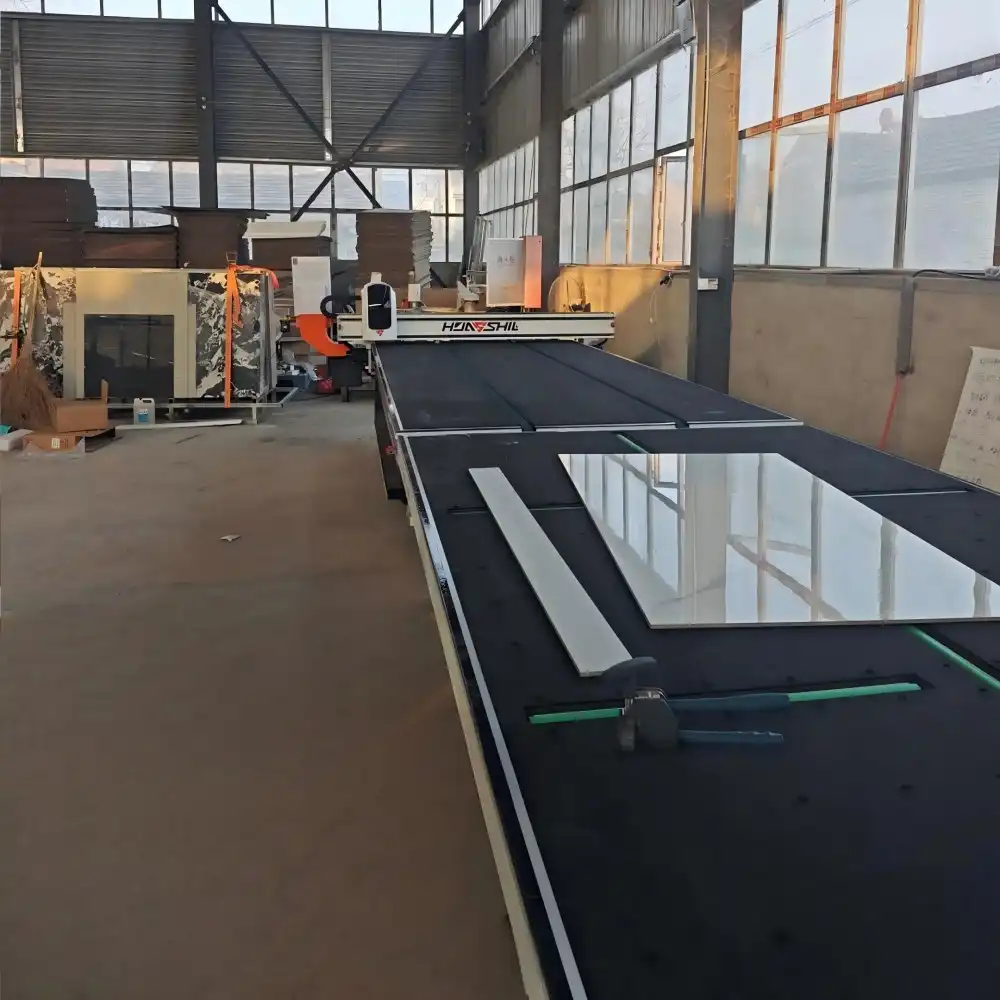
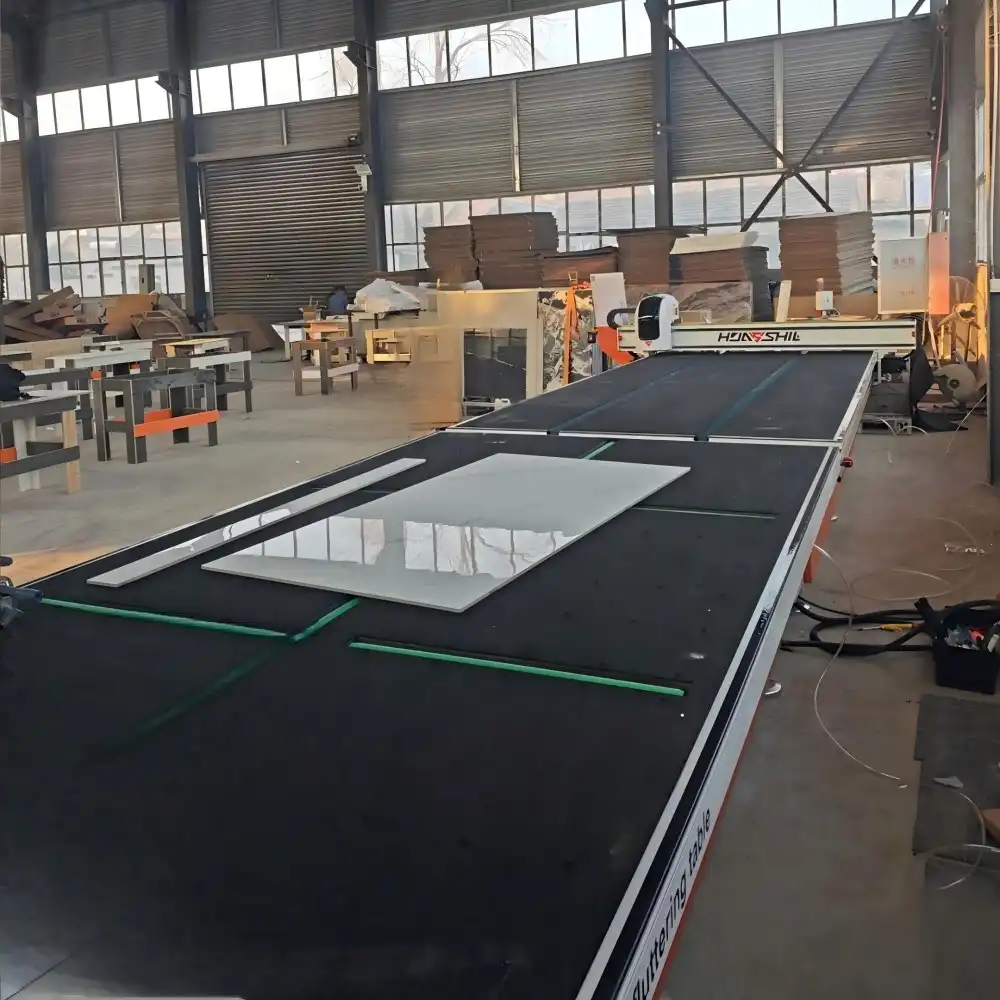
Successful integration of the HSL-YTJ3826 glass cutting system begins with allocating floor space that accommodates not only its substantial footprint of 5.93 by 5.1 meters but also critical operational clearances. These buffer zones are essential for safety, maintenance access, and material flow efficiency. Specifically, a minimum clearance of 2000mm on the primary loading side is mandatory for the unobstructed operation of forklifts, trolleys, or automated guided vehicles (AGVs) that supply raw glass sheets. Similarly, the discharge area must have a dedicated 3000 mm space to facilitate the breaking table's full range of motion and the subsequent safe removal and staging of cut glass, preventing bottlenecks in production.
Height, Ventilation, and Material Feed Access
Vertical space planning is as critical as floor layout. The machine's air flotation system and potential overhead crane or conveyor systems impose specific minimum ceiling height requirements that must be verified. Furthermore, the automatic loading mechanism requires a direct, obstruction-free path from your glass storage racks or feeding line to ensure seamless and reliable material intake. Adequate ventilation around the machine's enclosure is a non-negotiable consideration; it dissipates heat generated by electrical cabinets and drive systems, which is vital for maintaining the machine's long-term operational stability and the precision of its cutting accuracy over continuous production runs.
Material Flow and Operational Maneuvering
The machine's placement must optimize the overall material flow to minimize non-value-added transportation of heavy glass sheets between storage, processing, and subsequent stations. This requires designing clear, logical pathways for both raw materials and finished products while ensuring safe and efficient routes for operators and maintenance technicians. A key feature to accommodate is the machine's 360-degree remote control walking functionality. This necessitates maintaining sufficient clear space around the entire perimeter of the equipment, allowing personnel to safely maneuver and oversee operations from all angles during setup, calibration, and monitoring tasks.
Power and Utility Infrastructure Planning
Planning for electrical infrastructure makes sure that it works well and keeps installation delays from being expensive. For reliable performance, the 3826 glass cutting machine needs a stable power source and the right way to ground itself.
Work with experienced electricians to set up specialized lines that meet the power needs of the machine. Voltage changes can make it harder to cut accurately and hurt electrical parts that are sensitive. To protect the Optima optimization tools and control systems, you should put in surge protectors.
A source of compressed air keeps the air float device and its mechanical parts running. Make sure the size of your air compressor system can handle high demand while keeping the pressure steady. Put in moisture separators and filters to keep dirty air from getting into pump parts.
For important work areas, you might want to think about backup power sources. Uninterruptible power sources keep the optimization software from losing data and keep damage from happening when the power goes out. For user safety, emergency stop devices must still work when the power goes out.
Connecting to a network lets you watch and change the software on the Optima device from afar. Plan where the cables will go so that they don't get in the way of the machine's processes and so that production data management can use safe links.
Integration with Existing Glass Processing Lines
Integrating smoothly with current equipment helps you get the most out of your investment and keeps the production flow going. The automatic glass cutter should work with the way you're currently handling glass and give you options for upgrades.
Check to see if your regular methods for moving things around will work with the HSL-YTJ3826's automatic loading features. For synchronous belt moving systems to work, the tools upstream and downstream must be lined up correctly and have the same speed. Time the tools so that there aren't any delays and the output flow stays steady.
Downstream handling equipment is affected by the broken table integration. Make sure there is enough space to remove broken glass and that the edge cutting or hardening equipment works well with it. Depending on the task, trimming the edges of glass may need different handling techniques than regular cutting.
The ability to remove low-E films gives your processing line new, useful features. Plan how to properly get rid of the film material that needs to be thrown away, and think about any environmental laws that might affect how you handle waste. Setting up different types of glass takes less time with the automatic edge-finding tool.
When planning connection points, think about how the business could grow in the future. Using a modular design method lets you add more processing equipment without having to make big changes to the plan. Write down all of the interaction points to make fixing and planning upkeep easy.
Safety Considerations and Regulatory Compliance
Safety planning protects personnel while ensuring regulatory compliance and minimizing liability risks in the glass cutting machine factory. The industrial glass-cutting environment presents unique hazards requiring comprehensive safety measures.
Emergency stop systems must be accessible from all operator positions around the machine. The remote control system enhances safety by allowing operators to maintain safe distances during cutting operations. Install safety light curtains or barriers around high-risk areas such as the breaking table.
Glass handling procedures require specific training for operators working with the automatic pressure control system. Sharp glass edges and heavy sheets present injury risks without proper handling techniques. Provide appropriate personal protective equipment, including cut-resistant gloves and safety glasses.
CE certification demonstrates compliance with European safety standards, but local regulations may impose additional requirements. Consult with safety professionals to ensure full compliance with workplace safety regulations in your jurisdiction. Document all safety procedures for operator training and regulatory inspections.
Noise levels from glass cutting operations may require hearing protection or sound dampening measures. The air flotation system generates continuous noise that could affect nearby workstations. Consider acoustic enclosures if noise levels exceed workplace standards.
Ventilation systems must handle glass dust and any emissions from the Low-E removal process. Install appropriate filtration systems to maintain air quality and comply with environmental regulations.
Optimizing Production Workflow and Material Handling
Workflow optimization transforms your glass cutting operation from a bottleneck into a productivity multiplier. Strategic planning of material flow and operator tasks maximizes the HSL-YTJ3826's capabilities.
The Optima optimization software requires integration with your production planning systems. Configure the software to receive cutting lists and automatically optimize glass usage to minimize waste. Train operators on software features that enhance cutting accuracy and reduce setup times between jobs.
Material staging areas near the automatic loading system reduce handling time and prevent damage during transportation. Design storage racks to accommodate the maximum glass size of 3660×2440 mm while providing easy access for the loading system. Consider environmental controls to prevent thermal stress in stored glass.
Operator workflow patterns affect overall efficiency. Position control stations to provide clear sightlines to the cutting area while maintaining safe distances. The automatic edge-finding feature reduces measurement time, but operators still need access for quality verification.
Quality control stations should be positioned near the breaking table for immediate inspection of cut pieces. Implement feedback systems to quickly identify and correct any cutting accuracy issues. The glass cutting thickness range of 2-19 mm requires different handling procedures that operators must understand.
Maintenance access points need consideration during layout planning. Regular maintenance of the glass-cutting technology components requires adequate workspace around the machine. Plan tool storage and spare parts inventory near maintenance access points.
Installation Best Practices and Commissioning
Professional installation ensures your glass processing equipment from a glass cutting machine factory achieves specified performance levels from day one. Proper commissioning prevents costly delays and establishes baseline performance metrics.
Foundation preparation must meet manufacturer specifications for machine weight and vibration dampening. Uneven floors cause cutting accuracy problems and premature wear on precision components. Use laser leveling equipment to verify foundation flatness within specified tolerances.
Mechanical installation requires experienced technicians familiar with precision glass cutting systems. Follow torque specifications exactly when assembling machine components. Improper assembly can cause alignment problems that affect cutting quality and machine longevity.
Software configuration involves setting up the Optima system for your specific production requirements. Input glass specifications, cutting parameters, and optimization preferences based on your typical job requirements. Test all automatic functions, including loading, pressure control, and edge finding, before production startup.
Calibration procedures verify cutting accuracy across the full range of glass thicknesses and sizes. Document baseline measurements for future reference during maintenance and troubleshooting. The flat glass cutting accuracy directly impacts downstream processing quality.
Operator training should begin during commissioning to ensure smooth transition to production. Hands-on training with actual production jobs provides better learning outcomes than theoretical instruction alone. Document any machine-specific procedures that differ from standard operating practices.
Performance testing validates that the installation meets all specified requirements. Run production trials with various glass types and thicknesses to verify consistent performance. Address any issues before accepting final installation to avoid production disruptions.
Conclusion
Strategic layout and professional installation of your HSL-YTJ3826 glass cutting machine create the foundation for years of reliable production. Careful attention to space requirements, utility planning, and safety considerations ensures optimal performance while protecting your investment. The advanced features, including automatic loading, edge finding, and low-E removal capabilities, deliver significant productivity gains when properly integrated into your facility. Following these installation guidelines positions your operation for sustained success in today's competitive glass processing market.
Partner with HUASHIL for Your Glass Cutting Machine Needs
HUASHIL combines decades of manufacturing expertise with cutting-edge automation technology to deliver reliable 3826 glass cutting machine solutions. Our comprehensive support includes layout planning, installation guidance, and ongoing technical assistance to maximize your production capabilities. Contact our team at salescathy@sdhuashil.com to discuss your specific requirements and receive detailed specifications from a trusted 3826 glass cutting machine manufacturer.
References
1. Industrial Glass Processing Equipment Installation Standards and Best Practices, International Glass Manufacturing Association, 2023.
2. Automated Glass Cutting System Layout Guidelines for Manufacturing Facilities, Journal of Glass Technology, Volume 15, Issue 3, 2023.
3. Safety Standards for Industrial Glass Processing Equipment: Installation and Operation Manual, Occupational Safety and Glass Industry Council, 2024.
4. Optimization Strategies for Glass Cutting Machine Integration in Production Lines, Glass Manufacturing Technology Review, 2023.
5. Power and Utility Requirements for Advanced Glass Processing Equipment, Industrial Automation Quarterly, Volume 28, Number 2, 2023.
6. Quality Control and Commissioning Procedures for Precision Glass Cutting Systems, Glass Industry Technical Standards, 2024.
