




Heavy-duty glass loading desks are the most important part of modern glass processing plants. They are a key piece of equipment that makes it safe and easy to move fragile glass sheets. The right glass loading table can boost the effectiveness of your business, cut down on material waste, and prevent damage on the job. Glass is made all over the world at factories that depend on these special work areas to keep the quality high and meet strict production plans. Knowing the different parts and settings that are out there helps managers of facilities make smart choices about how to spend their money so that they can meet their unique working needs.
Understanding Heavy-Duty Glass Sheet Loading Workstations
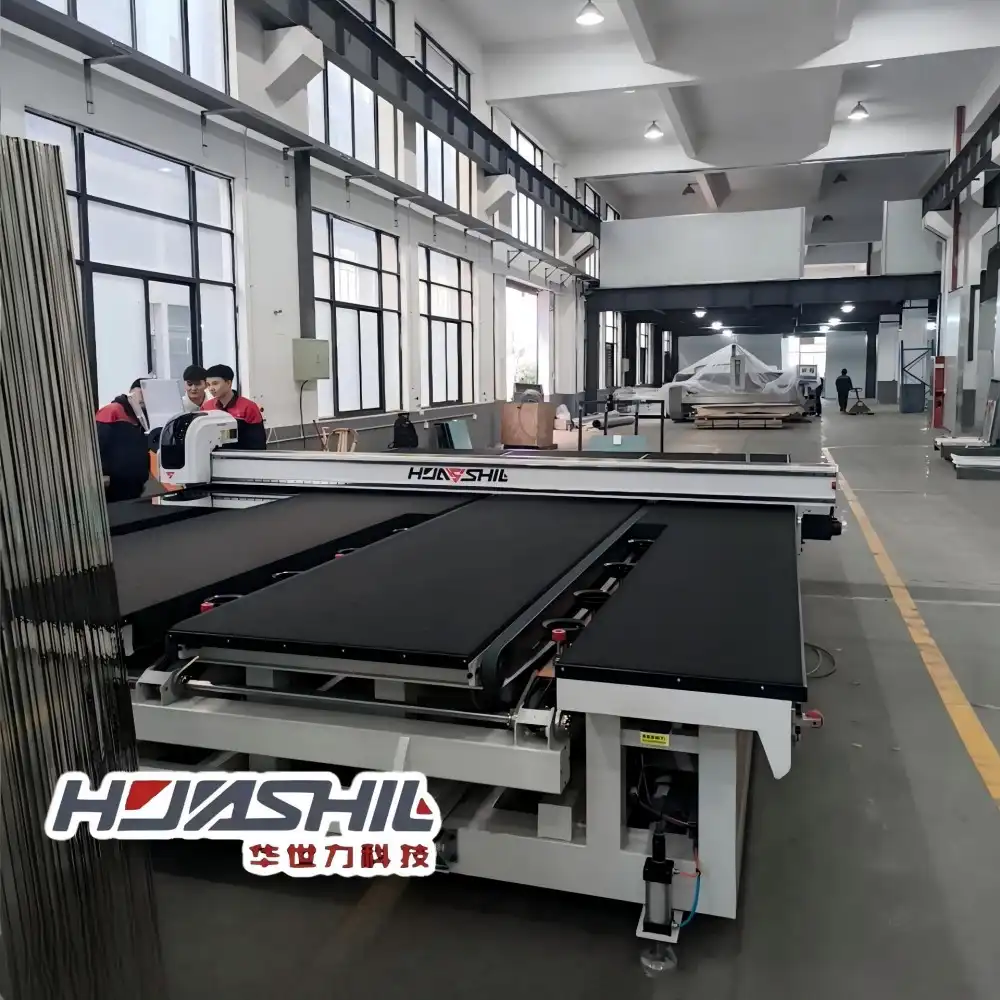
Three different, but linked, work station types are needed for modern glass processing. Together, they form a complete working system. The filling station is the main glass station, and it's where cutting tools get unprocessed glass sheets to work on them first. This very important crossroads needs to be able to safely handle glasses of different sizes and weights. It needs to be able to precisely place these pieces and give them strong support.
Core Components of Loading Systems
Professional glass handling systems have several specialized stations that work together without a hitch. The repair station is behind the filling station and gives workers time to get ready for quality checks, small changes, and surface cleaning before the cutting process starts. This middle step makes a huge difference in the number of mistakes and ensures the best possible cutting accuracy.
Unloading is handled by glass desks that switch off with the loading station. This creates a smooth process that avoids delays. With these back-and-forth stations, you can keep working while one of them loads new materials and the other one works on finished pieces. When these three types of workstations are used at the same time, it produces a smooth working setting that maximizes output while keeping safety standards in mind.
Technical Specifications and Design Features
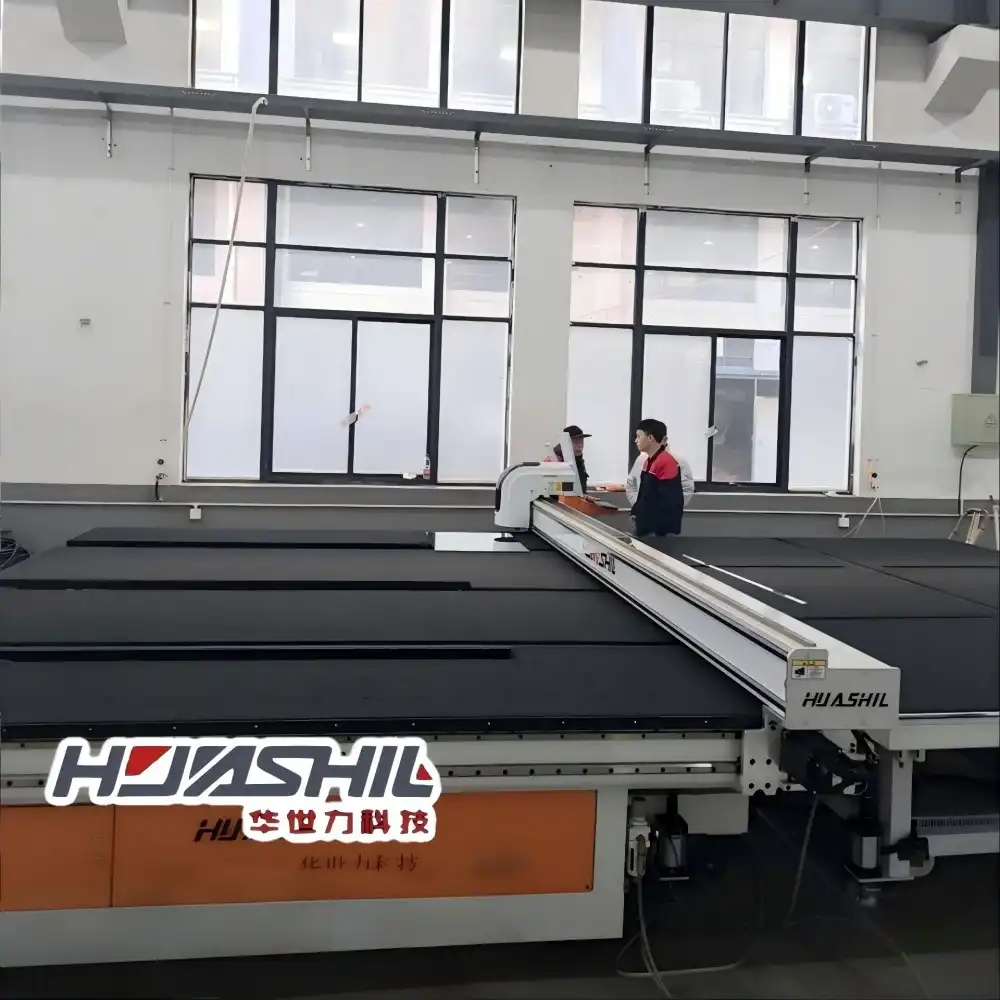
Heavy-duty glass loading tables are made with new engineering methods that are meant to be used in places where glass is worked on industrially. The load capabilities, which can handle anything from normal glass used in buildings to very large curtain wall panels, are usually between 500 and 5,000 pounds. To make things more comfortable and suit the needs of different users, height change features use hydraulic, pneumatic, or electric methods to find the best position.
Surface materials are very important for protecting glass from damage when it is being handled. Specialized rubber, felt padding, and vacuum-assisted holding systems protect fragile glass surfaces and make sure they stay in place. Edge protection devices lower the chance of unintentional injuries and glass chipping during loading operations.
Benefits and Safety Considerations of Heavy-Duty Glass Loading Tables
Installing professional-grade glass filling systems makes a big difference in a number of areas of the business. When workers can safely move big sheets of glass without moving them by hand or putting them in an awkward position, production speed goes up a lot. The physical benefits alone make the investment worth it. They lower workers' compensation claims and increase the number of employees who stay with the company.
Operational Advantages
Here are the main ways that heavy-duty glass loading tables help factories run more smoothly:
- With increased working efficiency, cycle times are 30–50% lower than with human methods. This lets facilities process more glass sheets per shift while keeping quality standards.
- Damage reduction features create safe, controlled settings for positioning and moving sheets of glass, which lowers the cost of breaking them.
- Better integration of the production line makes the processes between cutting, edging, and packing tasks smooth by using standard methods for height and positioning.
- Improved worker safety means fewer accidents on the job, because people don't have to lift big things by hand, and equipment is set up so that people can comfortably use it.
These changes in operations lead to better competition for glass-making plants that want to get the most out of their production.
Safety Protocol Implementation
Comprehensive safety measures make sure that glass loading table filling operations meet the standards of the industry while keeping people and equipment safe. Operator training programs teach the right way to lift things, how to use tools, and how to respond to emergencies in places where glass is handled.
As a bare minimum, the personal protective equipment guidelines include safety glasses, gloves that are resistant to cuts, and shoes with steel toes. Advanced facilities use extra safety features like proximity sensors, emergency stops, and automatic safety interlocks that won't let equipment run when people are in a danger zone.
How to Choose the Best Heavy-Duty Glass Loading Table for Your Facility?
Choosing the right glassworking tools needs a close look at the current needs of the business and its plans for future growth. The load capacity requirements should include the largest sheets of glass that your place of work handles daily, as well as extra space for larger projects that sometimes happen or for future product line growth.
Technical Evaluation Criteria
How well it works with current machinery is an important factor in the decision-making process because it affects both the cost of installation and the speed of operations. For production to run smoothly, glass filling tables must work perfectly with cutting machines, conveyor systems, and quality control stations.
The amount of floor space and ceiling height that are available, as well as how close the area is to where materials are stored, are all things that need to be thought about when it comes to spatial planning. These days, many production facilities are busy, so they need small, highly useful equipment that doesn't take up too much space.
Manual Versus Automated Systems
Each facility's output level, cost of labor, and quality needs will determine whether they use a hand-made or machine-made glass loading method. Because they are cheaper to buy and easier to take care of, manual systems are good for smaller businesses or ones with production plans that change all the time.
Automated systems offer better consistency, faster cycle times, and less need for human work. These benefits make the higher upfront costs worth it in production settings with high output. These systems include sophisticated controls for positioning, automatic change of height, and the ability to set operation routines. These features make the system more efficient and help prevent user fatigue.
HUASHIL: Your Partner for Advanced Glass Loading Solutions
For many years, Shandong Huashil Automation Technology Co., Ltd has been making and providing heavy-duty glass loading tables that are made for tough industrial uses. Our engineers know how hard it can be to work in a glass-making plant. They make sure each facility's unique needs are met while keeping safety in mind.
Product Range and Customization Capabilities
Our wide range of products includes standardized glass loading tables that work for most situations, as well as fully customizable desks that are made to meet very specific needs. Most glass sheets up to 10 feet by 14 feet can be handled by standard models, which can carry between 1,000 and 4,000 pounds. This covers most uses in building and car glass.
Because of our custom engineering skills, we can come up with one-of-a-kind answers for dealing with extra-large glass, specialized surface treatments, or working with private cutting systems. To make sure that unique solutions meet both the needs of the present and the plans for future growth, our design team works closely with customers.
Service and Support Infrastructure
Comprehensive care plans make sure that glass loading machines keep working at their best for the whole time they are in use. Installation services include helping with site planning, setting up equipment, teaching operators, and making sure that everything works to make sure that the installation is a success.
Preventive repair, spare parts, expert help, and equipment upgrades that make the service last longer and work better are all part of ongoing support services. Our promise to customer success includes quick response times for technical problems and a full guarantee that protects equipment investments.
Conclusion
Heavy-duty glass sheet loading desks are an important part of modern glass-making plants that want to improve safety, speed, and quality. Putting loading stations, patching stations, and rotating glass desks together makes a complete handling system that changes the way things are done and keeps people and materials safe. To get the best return on investment, one must carefully consider technical specs, operational needs, and future growth goals when choosing the right tools. Professional installation and ongoing assistance for your equipment will keep it running at peak performance and minimize downtime that could affect production plans.
FAQ
Q1: What load capacity should I consider for architectural glass processing?
A: Most architectural glass applications require loading tables with capacities between 1,500 and 3,000 pounds to accommodate standard curtain wall panels and window units. However, facilities processing oversized panels or laminated glass should consider systems with 4,000+ pound capacities to ensure safe handling of heavier materials.
Q2: How do automated glass loading systems integrate with existing cutting equipment?
A: Modern automated loading systems utilize standardized interfaces and programmable controls that integrate seamlessly with most cutting machines through digital communication protocols. Compatibility assessments during the selection process ensure proper integration without requiring extensive modifications to existing equipment.
Q3: What maintenance requirements should I expect for heavy-duty glass loading tables?
A: Regular maintenance includes weekly lubrication of moving components, monthly inspection of hydraulic systems, and quarterly calibration of positioning controls. Most facilities schedule annual comprehensive inspections to identify potential issues before they affect production operations.
Partner with HUASHIL for Superior Glass Loading Solutions
Ready to transform your glass processing operations with reliable, efficient glass loading tables that meet the demanding requirements of modern manufacturing? HUASHIL offers comprehensive consultation services to help you select optimal equipment configurations that align with your specific operational needs and budget requirements. Our experienced engineering team provides detailed technical specifications, customization options, and implementation timelines that ensure successful project completion.
Whether you need a single glass loading table or a complete automated handling system, our glass loading table manufacturer capabilities deliver proven solutions that enhance safety while improving productivity. Contact us at salescathy@sdhuashil.com to discuss your requirements and receive detailed quotations tailored to your facility specifications.
References
1. Glass Manufacturing Industry Council. "Safety Standards for Industrial Glass Handling Equipment." Industrial Glass Processing Handbook, 2023.
2. American Society of Safety Professionals. "Ergonomic Guidelines for Glass Processing Workstations." Workplace Safety in Manufacturing, 2022.
3. International Association of Glass Manufacturers. "Technical Specifications for Heavy-Duty Glass Loading Systems." Equipment Standards Manual, 2023.
4. National Institute for Occupational Safety and Health. "Preventing Injuries in Glass Manufacturing Operations." NIOSH Publication Guidelines, 2022.
5. Glass Processing Equipment Association. "Best Practices for Glass Handling Workstation Design." Industry Technical Bulletin, 2023.
6. Manufacturing Engineering Society. "Automation Technologies in Glass Processing Facilities." Advanced Manufacturing Quarterly, 2022.
