




Dealing with glass panels in industry settings can be very hard, as it can hurt people and slow down production. Ergonomic glass loading tables are now a necessary piece of equipment that was made to solve these problems. They make things safer for workers and more efficient for businesses. Following ergonomic guidelines when designing tables not only lowers the risk of injuries like muscle disorders and cuts, but it also makes sure that workflow is maintained and product quality is guaranteed. A properly designed glass handling system is a revolutionary way to balance the needs of industry with the needs of workers. This summary gives you the background you need to understand this new approach to doing business.
Understanding Ergonomic Glass Loading Tables
Ergonomic glass loading tables are specialized tools that are mainly meant to make it easier and safer for people to move glass panels in a range of workplace settings. These systems are used for different steps in the process of working with glass, especially in artistic glass fabrication plants and curtain wall making facilities.
Core Components and Station Functions
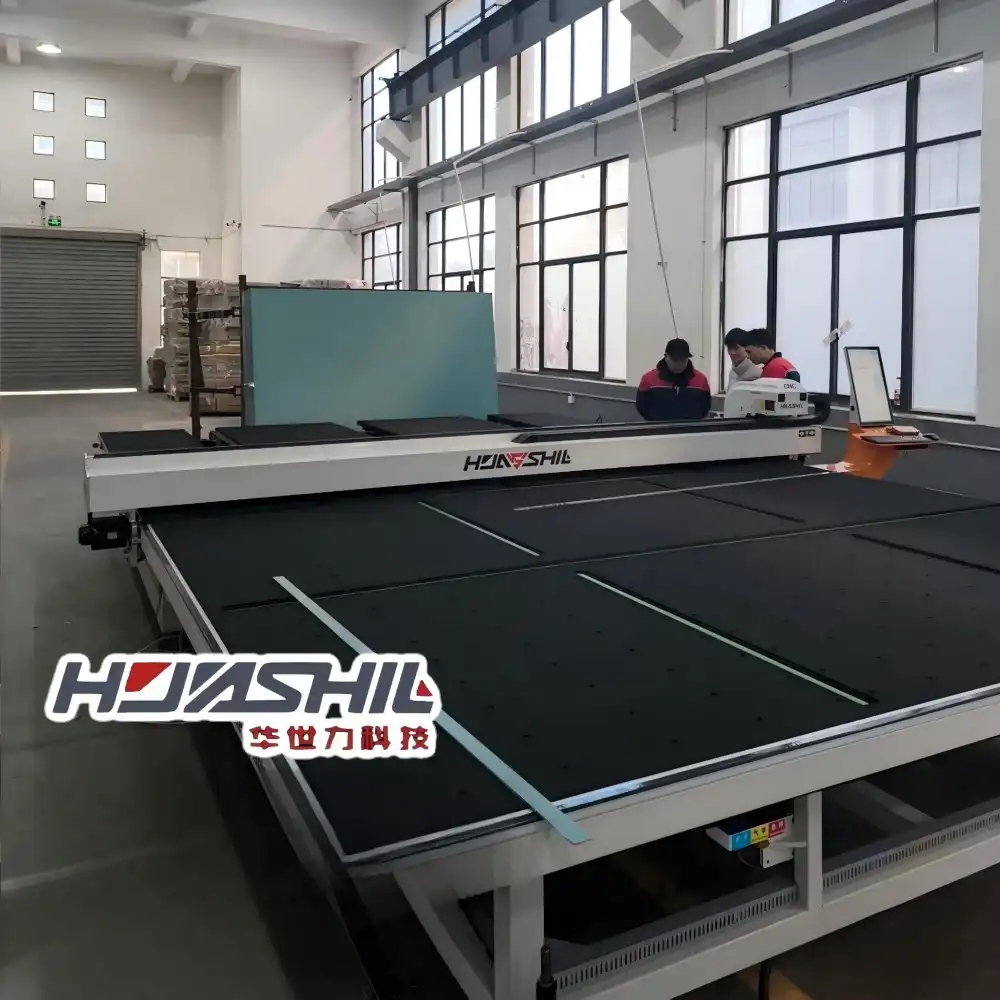
Modern glass holding systems include three important areas that work together perfectly. The filling station is the main glass station, and cutting machines go there to get glass pieces to work on. This station needs to be able to position itself exactly right so that the material is placed correctly. The patching station gets things ready behind the receiving station. This lets workers sort out the materials and check the quality before processing starts. In order to make the material move through the production line quickly, glass workstations and loading stations are switched off and on with each other to handle the process of taking things off the line.
Key Ergonomic Features
Advanced glass handling tables have height and tilt features that can be changed. This lets users set the tables to easy working levels, which helps them avoid getting tired and strained. Load distribution devices spread weights evenly across the surface so that no one area is stressed. This protects both machinery and workers. Intuitive user settings make it easy to use, and safety features protect workers from common risks when handling glass. There are both manual and fully automatic systems, each with unique ergonomic benefits designed for a range of industry processes.
How Ergonomic Glass Loading Tables Enhance Efficiency and Safety?
Introducing practical glass handling solutions makes the workplace safer and more efficient, and these changes can be measured. These specialized tables help glass manufacturers, furniture makers, and curtain wall designers deal with basic problems.
Injury Prevention and Worker Safety
Ergonomic glass loading tables make accidents much less likely in places where people work with glass. Occupational safety studies show that 85% of people who handle glass do so with back pain. This can be greatly reduced when workers use loading stations that are built correctly. The feature that lets you change the height helps workers keep their spines straight, which lowers stress on the lower back. Specialized glass gripping devices and stable support surfaces also lower the risk of cuts and accidental breaking when moving glass materials around.
Workflow Optimization and Productivity Gains
These tables make processes more efficient by making it faster and safer to load and unload. When you use conveyor systems and automatic handling tools instead of moving things by hand, you can cut cycle times by up to 40%. Factories have reported changes in productivity that can be measured, with some plants making 25% more goods every day. Employee input constantly notes that morale is higher and tiredness is lower at work. This leads to better retention rates and steady quality output.
Selecting the Right Ergonomic Glass Loading Table for Your Facility
A detailed study of the facility's limitations and the comfortable glass handling system's operating needs will help in making the right choice. Based on the types of glass, how much is made, and how work is set up, different fields have different needs.
Critical Selection Factors
The measurements of the glass loading tables must make room for your biggest glass panels and still fit in with the way things are set up at the building. The range of height and tilt adjustments should be able to meet the needs of the person using it and the shapes of the glass that are treated most often. For safety, the load capacity has to be at least 50% more than the weight of the heaviest panel. If you have a lot of work to do and not a lot of people to do it, you should use an automatic system. If you have a small amount of work and a lot of people, you should use a human system. Smaller businesses that work with different sizes of glass will do better with manual systems, but automatic solutions are better for places that make a lot of standardized goods.
Industry-Specific Considerations
Architectural glass production plants need strong systems that can handle big pieces up to 12 feet long. For different shapes and sizes of glass, furniture makers usually need more small and flexible systems. Sintered stone makers need strong tables with extra support for heavy materials. Each app needs certain features that are in line with how it needs to work and with safety rules.
Common Challenges and Their Solutions in Using Glass Loading Tables
When glass handling systems are put into place, they can be hard to use. But if you plan and choose the right tools, you can solve most of these problems.
Handling Oversized and Irregular Glass Panels
Large or oddly shaped panes of glass require tables that are more stable and can better adapt to different loads. Long support surfaces with changeable contact points keep the panel from bending while it is being handled. Choosing tables with reinforced frames and safe locking systems that keep their place under different loads can help with stability problems. Some places use multi-point support systems that instantly change to fit the size of the screen.
Maintenance and Safety Protocols
Regular checks to spot early signs of damage and sticking to preventative maintenance plans are both important parts of effective maintenance. Properly calibrating height adjustment mechanisms, changing out safety parts that are worn out, and making sure that moving parts are lubricated will make sure that everything works well. Safety rules that include needing to wear personal protective equipment and doing safety checks often help reduce the risk of doing business even more. This preventative method keeps the technology dependable and avoids expensive downtime.
HUASHIL's Advanced Glass Handling Solutions
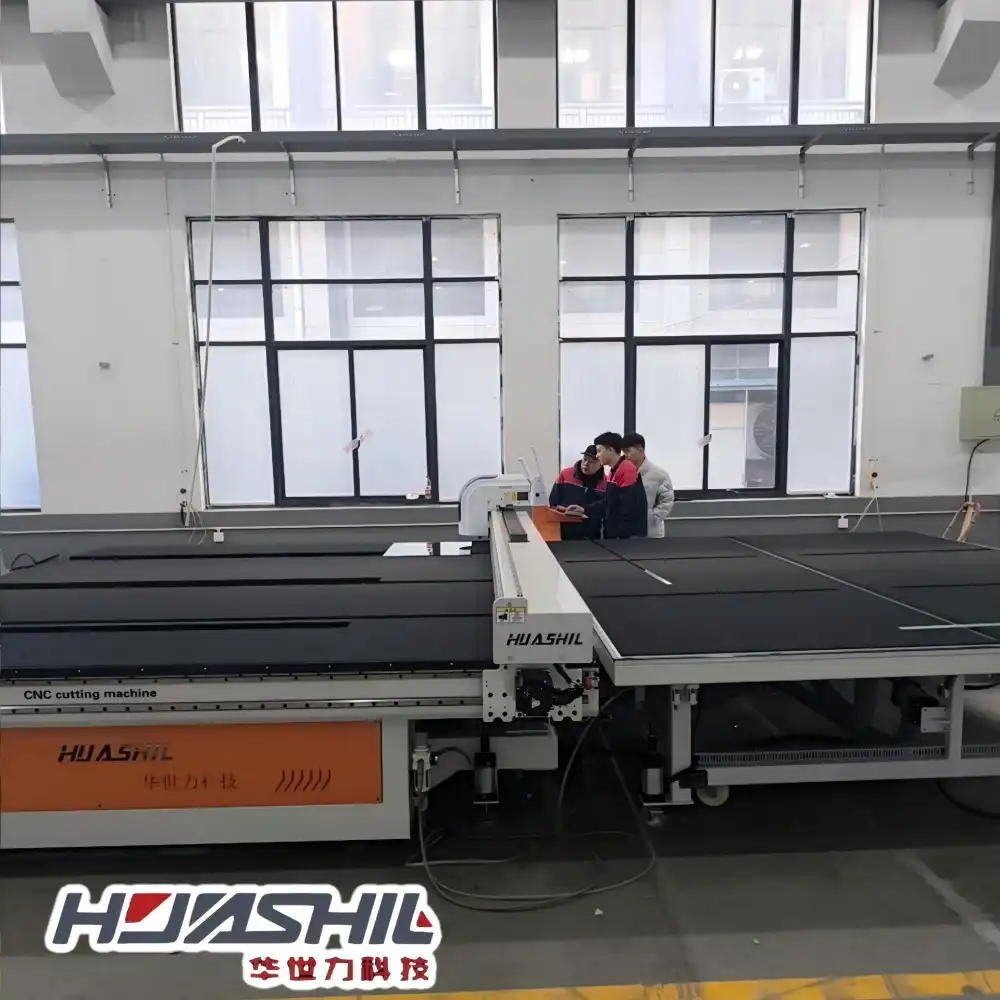
Shandong Huashil Automation Technology Co., Ltd makes comfortable glass loading tables designed to be safe and useful for a wide range of glass working tasks. We know how to make automatic tools work better and more reliably.
Comprehensive Product Range
We provide glass handling solutions that can be changed to fit the needs of each individual customer in the areas of architectural glass casting, furniture manufacturing, and curtain wall production. Our loading stations work perfectly with cutting tools, and patching stations make preparation processes better. Glass desks allow for quick unloading that keeps production going. Each system has high-tech practical features like changeable height (from 28 to 42 inches), the ability to tilt up to 15 degrees, and the ability to hold up to 2,000 pounds.
Professional Services and Support
Along with providing products, we also offer expert advice, custom design, precise installation, and helpful after-sales support. Technical teams make sure that users can safely get the most out of their tools by offering complete training programs. Spare parts on hand and quick expert help reduce downtime. We are dedicated to quality and innovation and offer producers reliable options that help them avoid accidents, streamline processes, and uphold strict safety rules.
Conclusion
For current glass-dealing businesses, ergonomic glass loading tables are a must. These specialized systems take important safety issues into account while also making sure that they can show that they have made work better. Choosing the right one based on what the business needs guarantees the best return on investment. Making loading stations, patching stations, and glass workstations all part of the same setup makes the process more efficient, which lowers the risk of damage and improves product quality. As glass production becomes more automated, ergonomic handling options are becoming more important for businesses that want to stay competitive.
FAQ
Q1: What dimensions should I consider when choosing a glass loading table?
A: Key dimensions include table surface area matching your largest glass panels, an adjustable height range suitable for operator comfort, and a maximum load capacity exceeding your heaviest materials by 50%. Consider facility space constraints and integration requirements with existing equipment.
Q2: How do ergonomic glass loading tables reduce workplace injuries?
A: These tables minimize manual strain through adjustable ergonomic features that maintain neutral body positions. Safety mechanisms reduce risks of musculoskeletal disorders, cuts, and back injuries. Proper height adjustment eliminates awkward lifting positions that cause 85% of glass handling injuries.
Q3: Can I order custom glass loading tables for unique production needs?
A: Yes, reputable manufacturers offer customization in size, automation level, and ergonomic features to suit specific operational demands. Custom solutions accommodate unusual glass dimensions, integrate with existing equipment, and meet specialized safety requirements for unique applications.
Partner with HUASHIL for Superior Glass Handling Solutions
Ready to transform your glass handling operations with proven ergonomic solutions? HUASHIL delivers industry-leading glass loading table manufacturer expertise backed by decades of automation experience. Our comprehensive systems reduce workplace injuries while boosting productivity across architectural glass, furniture, and curtain wall applications. Benefit from our complete support services, including custom design, professional installation, and ongoing technical assistance. Contact us at salescathy@sdhuashil.com for detailed specifications and competitive pricing tailored to your facility's requirements.
References
1. Occupational Safety and Health Administration. "Ergonomic Guidelines for Glass Manufacturing Industries." Washington, D.C.: U.S. Department of Labor, 2023.
2. International Association of Glass Manufacturers. "Workplace Safety Standards in Glass Panel Handling Operations." Geneva: IAGM Publications, 2022.
3. American National Standards Institute. "Safety Requirements for Industrial Glass Handling Equipment." New York: ANSI Press, 2023.
4. Bureau of Labor Statistics. "Injury and Illness Prevention in Glass Manufacturing Facilities." Washington, D.C.: U.S. Department of Labor Statistics, 2022.
5. National Institute for Occupational Safety and Health. "Ergonomic Interventions in Glass Processing Industries." Atlanta: CDC Publications, 2023.
6. Glass Manufacturing Industry Council. "Best Practices for Automated Glass Handling Systems." Chicago: GMIC Technical Reports, 2022.
