




Working a furniture glass machine involves more than technical skill—it requires protection from many job dangers. From flying glass shards during cutting to tiny dust particles during edging, operators confront several dangers that might cause significant injury. Frontline safety gear protects workers from cuts, abrasions, breathing difficulties, and eye injuries while meeting occupational safety regulations. Quality personal protective equipment protects your staff, boosts operational efficiency, lowers downtime, and provides a confident production atmosphere where workers can focus on precision.
Understanding the Safety Challenges in Furniture Glass Machine Operation
Working with automated glass cutting and edging equipment requires special attention. Glass production has risks beyond sharp edges.
Physical Injury Risks from Glass Processing
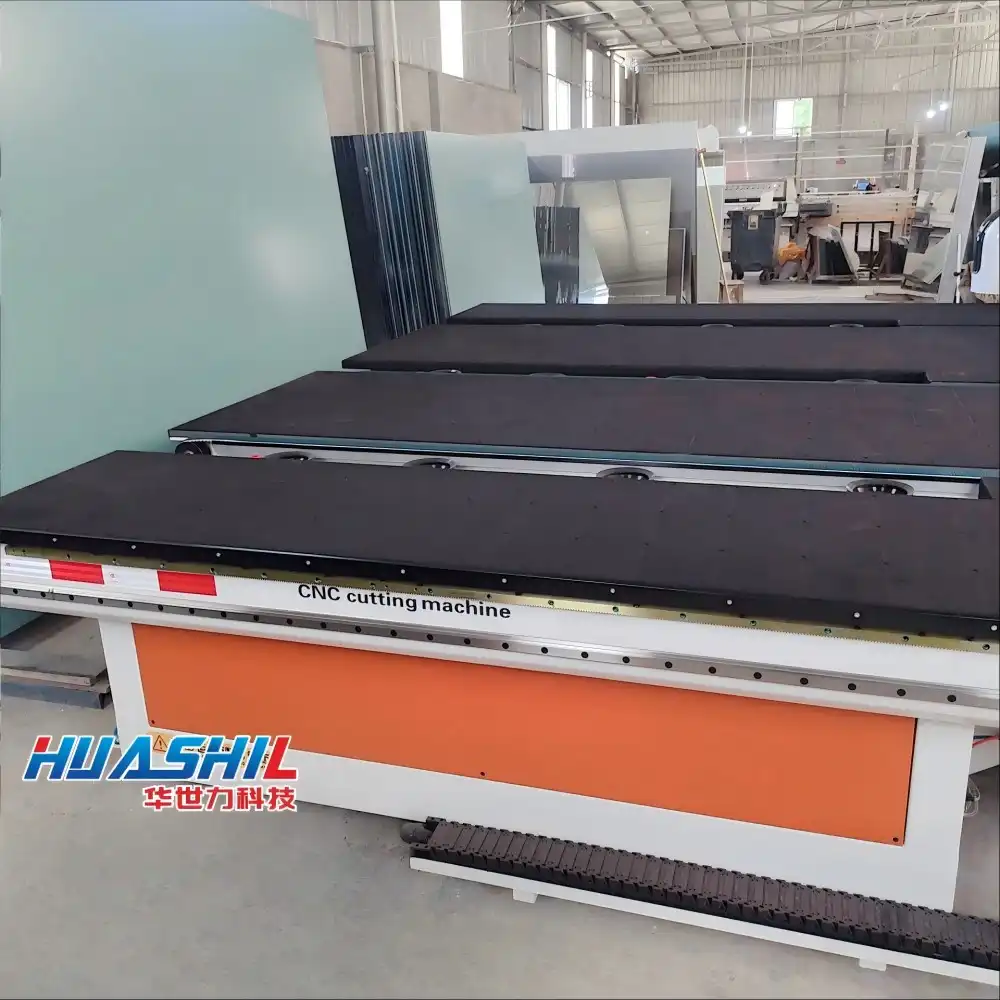
Glass cutting poses immediate risks due to sharp edges and flying shards. Projectile glass shards rise when a CNC glass cutting equipment processes huge panels like 3600x2800mm. Workers near this equipment are constantly exposed to items that might pierce skin or create serious lacerations. Even with automated systems with sensor guards and emergency stop mechanisms, manual loading and unloading need human interaction with processed glass edges.
Environmental Hazards in Glass Workshops
Other than direct touch, glass production facilities pose hidden hazards. Cutting and edging create fine silica dust that circulates in the workstation. In poorly ventilated facilities, prolonged intake of these particles might cause respiratory problems. High-speed cutting equipment and pneumatic systems also produce noise over acceptable hearing levels. Material density and cutting speed affect noise levels in workshops processing 2-19mm thick glass panels, making hearing protection necessary for all shifts.
Compliance and Productivity Benefits
Proper safety standards go beyond harm prevention. Workplace mishaps stop production less at facilities with strict safety requirements. Operator confidence and attention improve product quality and throughput when they wear safety gear. Meeting US OSHA and CE certification criteria shows the company's commitment to safety, which procurement managers value in suppliers. Excellent safety records lower insurance costs, lowering the total cost of ownership.
Essential Safety Gear Components for Furniture Glass Machines
Understanding how each protective equipment component tackles glass manufacturing operational hazards helps choose the right equipment.
Eye and Face Protection
Safety glasses with side shields protect against minute particles, but face shields give better coverage during heavy furniture glass machine cutting. Polycarbonate face shields resist impact and preserve optical clarity, letting operators see cutting precision. Full-face protection is beneficial while working with equipment with air flotation systems that circulate airborne particles. Anti-fog coatings discourage operators from removing protection over long shifts owing to visual concerns.
Hand and Arm Protection
Material handling requires ANSI Level A4 or higher cut-resistant gloves to protect against sharp glass edges. These gloves are made of high-performance polyethene or steel fibre weaving that resists cuts and allows control panel and glass sheet manipulation. Extended cuffs protect forearms when reaching over cutting tables. Some modern facilities use these gloves with cut-resistant sleeve protectors to protect arms during human glass handling that automated methods cannot remove.
Respiratory Defense Systems
N95 dust masks filter particulate matter well during light cutting, while powered air-purifying respirators (PAPRs) are better in high-production conditions. Multiple CNC glass machines create concentrated dust levels that passive filtering cannot properly control. Positive pressure airflow from PAPRs prevents polluted air from entering the respiratory zone and reduces breathing resistance during exercise. This method is especially useful in workplaces without sophisticated dust-collecting infrastructure connected with cutting equipment.
Hearing Conservation Equipment
Glass fabricators use noise-cancelling earmuffs and fitted earplugs for protection. Designed for operators working near active cutting stations, earmuffs reduce noise by 25–33 dB. Supervisors who move throughout the site benefit from earplugs' comfort. Some modern facilities use electronic hearing protection to boost safe communication levels and rapidly decrease harmful noise spikes, allowing operators to converse without removing protection during equipment operation.
Protective Clothing and Footwear
Flame-resistant coveralls prevent sparks during glass manufacturing, while anti-static qualities prevent dust adherence from affecting material quality. Heavy-duty leather or synthetic aprons protect torsos from glass during physical handling. On workshop floors, puncture-resistant steel-toed boots protect feet from glass panels and sharp pieces. Slip-resistant outsoles minimise falls on surfaces that may collect glass dust or coolant fluids used in various cutting procedures.
How to Select and Maintain Safety Gear for Maximum Performance?
Beyond regulatory compliance, protective equipment selection needs methodical examination. The F-1 screening method evaluates safety gear in numerous essential parameters.
Certification and Compatibility Assessment
All protective equipment should be certified by ANSI, NIOSH, or EN requirements for your working location. Precision glass cutting devices create particle sizes and impact velocities that regular industrial equipment may not handle. Glove cut-resistance ratings should match the glass thickness of your equipment processes. For example, 19mm architectural glass requires stronger protection than 2-6mm furniture glass. Ergonomics are also important; equipment must allow users to reach 360-degree remote control interfaces and alter Optima settings without removing protection.
Durability and Comfort Balance
Furniture glass machine production managers typically struggle to balance operator comfort and protective equipment lifetime. Workers who forgo wearing heavy, protective gear are not safer. Modern safety gear uses breathable fabrics, adjustable fitting systems, and lightweight composite materials to reduce fatigue and protect. When purchasing protective equipment for multi-shift workplaces, consider how comfort affects compliance rates during long production runs. Operators who wear their gear routinely get better protection than unused, supposedly better gear.
Maintenance Protocols and Training
Regular cleaning reduces protective equipment deterioration and safety issues. Fibres in cut-resistant gloves collect glass dust, lowering flexibility and cut resistance. Weekly inspections should reveal worn regions, compromised breathing equipment seals, and face shield optical clarity concerns. Manufacturer-recommended and wear-pattern-based replacement schedules avoid crucial equipment failure. Donning and doffing, storage to prevent contamination, and equipment type-specific dangers must be included in training sessions. Operators who understand why protection matters comply more than those told to wear gear.
Integrating Safety Gear with Furniture Glass Machine Features
Modern glass production equipment uses safety technology that interacts with PPE to provide complete protection.
Advanced Machine Safety Features
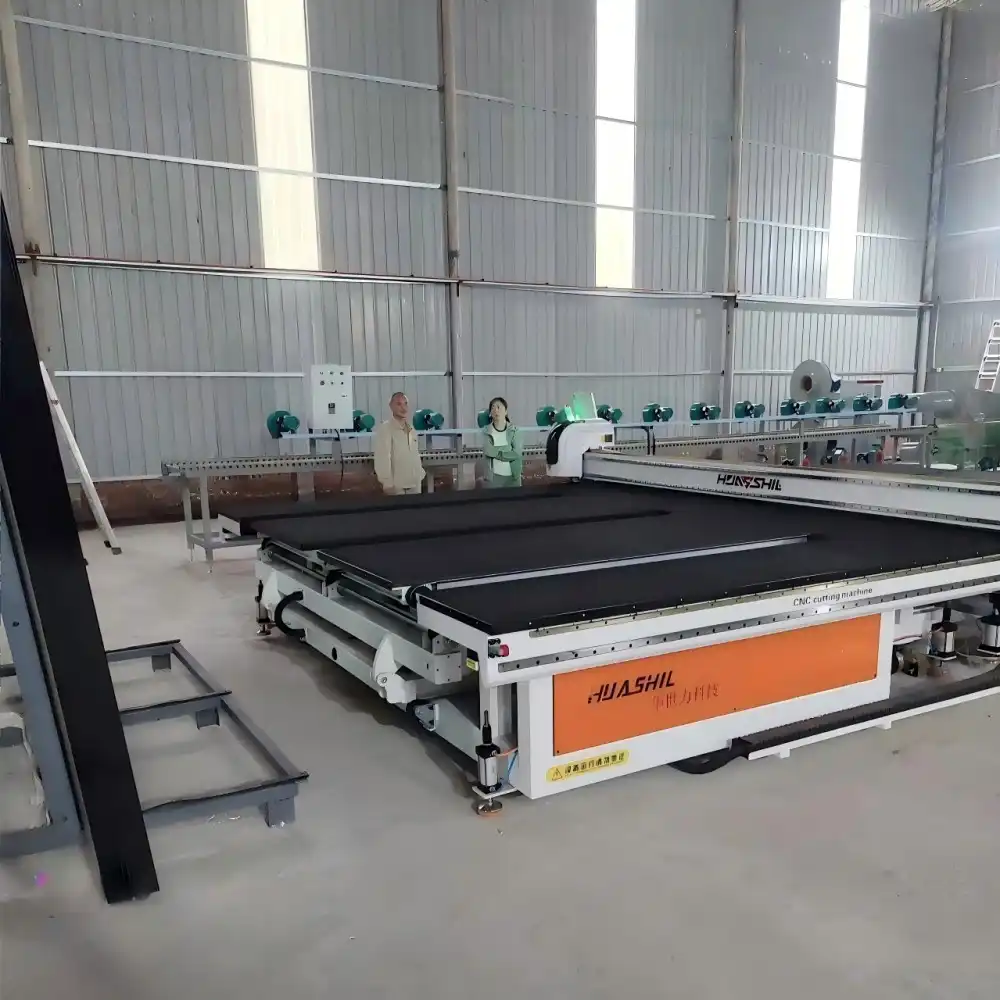
Modern CNC glass cutting systems like the HSL-CNC3829 include various automatic safety measures to limit operator risk. Automatic pressure control systems change the cutting force based on glass thickness, reducing glass pieces. Manual measuring near sharp glass edges is simplified by automatic edge-finding technology. Air flotation devices that move glass help gather dust around collection points rather than spreading it over the workstation. Emergency stop devices with 360-degree accessibility allow quick equipment shutdown from anywhere on the machine, minimising injury escalation.
Synergy Between PPE and Equipment Design
Protective gear should match machine capabilities and manual intervention needs. Automated loading systems limit hand exposure near cutting zones, allowing lighter gloves for control panel operation. Workshops with integrated dust collection may use less stringent respiratory protection than those with ambient ventilation. Engineering managers considering equipment procurement should consider how machine safety features might minimize protective equipment and improve operator comfort while ensuring safety. This holistic approach recognises that integrated systems, not equipment specs, maximise safety.
Real-World Safety Performance Data
Advanced automated equipment and thorough protective equipment programs reduce manufacturing incidents compared to operator vigilance. Over 18 months, an interior glass company decreased reportable injuries by 73% by installing improved CNC cutting equipment with sensor guards and requiring cut-resistant gloves for all material handling jobs. The combination gave operators confidence to use CE and ISO9001-certified manufacturing equipment since numerous protective layers addressed diverse failure sites. Procurement professionals assessing safety investments should appreciate that equipment and protective gear are complementary to overall safety programs.
Overcoming Common Safety Challenges in Furniture Glass Workshops
Even well-designed safety initiatives face implementation challenges that require specialised methods.
Building Safety Culture and PPE Adoption
Furniture glass machine protective equipment resistance is generally caused by discomfort, difficulty, or inefficiency, not safety neglect. Leadership must demonstrate safety commitment via regular enforcement and quality equipment investment to address these problems. Teams with strong safety records receive incentives beyond compliance-focused messages. Production directors and plant managers set expectations better than printed regulations by wearing protective gear during facility walkthroughs. Operators who assist in choosing their protective gear feel more ownership of safety results, increasing buy-in.
Environmental Control and Housekeeping
Appropriate workshop ventilation prevents dust collection, which increases respiratory risks and sliding dangers. Large glass production facilities should use local exhaust ventilation at cutting stations instead of room ventilation. Glass pieces and dust from floors, equipment surfaces, and storage spaces are regularly cleaned to minimise additional exposure pathways that protective measures may not fully address. Separating processed glass by edge finishing reduces accidental contact with sharp, unfinished edges during material retrieval.
Emergency Preparedness and Response
Safety programs go beyond injury prevention to include timely incident response. Accessible first aid stations with glass-related injury supplies, including eye irrigation treatments and laceration bleeding control products, provide quick treatment before medical help comes. Supervisors and experienced operators trained in basic first aid can respond across shifts without medical staff. Regardless of manufacturing schedules, clear emergency communication methods allow rapid response to crises.
Conclusion
Safely operating furniture glass machines involves multi-hazard protection. Safety gear—eye protection, cut-resistant gloves, breathing equipment, and specific clothing—protects personnel against glass production threats. These protective measures, together with current equipment safety features like automated pressure control and emergency stop systems, lower injury rates and encourage confident, efficient production. Facilities that invest in excellent protective equipment, maintain it, and promote safety cultures have superior safety metrics, production efficiency, and employee happiness. Production directors and procurement managers assessing glass processing operations should consider safety equipment a strategic investment rather than a regulatory cost.
FAQ
Q1: What safety certifications should I look for when purchasing protective equipment?
Equipment should carry certifications from recognised testing organisations appropriate to your operating region. In the United States, look for ANSI ratings on protective eyewear and gloves, NIOSH approval on respiratory protection, and ASTM standards for protective clothing. European markets should verify CE marking and EN standards compliance. These certifications confirm that equipment has undergone independent testing to verify protective capabilities against specific hazards.
Q2: How often should safety gear be replaced in glass fabrication facilities?
Replacement schedules depend on usage intensity and equipment type. Cut-resistant gloves typically require replacement every 3-6 months in high-production environments, while respiratory filters need changing based on manufacturer recommendations or when breathing resistance increases noticeably. Conduct weekly visual inspections to identify damage, and replace any equipment showing wear, compromised materials, or reduced functionality regardless of scheduled replacement dates.
Q3: Can advanced machinery eliminate the need for personal protective equipment?
Advanced safety features on modern glass cutting equipment significantly reduce hazards but cannot eliminate all risks. Manual material handling, equipment maintenance, and unexpected situations still create exposure opportunities that require personal protection. Equipment safety features and personal protective equipment function as complementary layers within comprehensive safety systems rather than alternative approaches to protection.
Partner with HUASHIL for Safer Glass Processing Operations
Your workforce deserves protection that matches your production ambitions. HUASHIL combines advanced furniture glass machine technology with a deep understanding of operational safety requirements across glass fabrication facilities. Our HSL-CNC3829 model integrates automatic pressure control, edge-finding capabilities, and air flotation systems that minimise operator exposure while delivering precision cuts across glass thicknesses from 2-19mm. As an established furniture glass machine supplier with CE and ISO9001 certifications, we provide technical consultation that helps you match equipment capabilities with appropriate protective gear for optimal safety outcomes. Contact our team at salescathy@sdhuashil.com to discuss how our automated glass processing solutions can enhance both productivity and workplace safety in your facility.
References
1. National Institute for Occupational Safety and Health. (2021). Criteria for a Recommended Standard: Occupational Exposure to Crystalline Silica. U.S. Department of Health and Human Services.
2. American National Standards Institute. (2020). ANSI/ISEA 105: Hand Protection Classification. International Safety Equipment Association.
3. Occupational Safety and Health Administration. (2019). Personal Protective Equipment Standards for General Industry. U.S. Department of Labor.
4. European Committee for Standardization. (2018). EN 166: Personal Eye Protection Specifications. CEN Technical Committee.
5. Glass Manufacturing Industry Council. (2022). Best Practices for Safe Glass Fabrication Operations. GMIC Safety Committee Annual Report.
6. International Labour Organization. (2020). Safety and Health in the Use of Machinery: Code of Practice. ILO Publications.
