




Optimizing Production Lines with CNC Integration
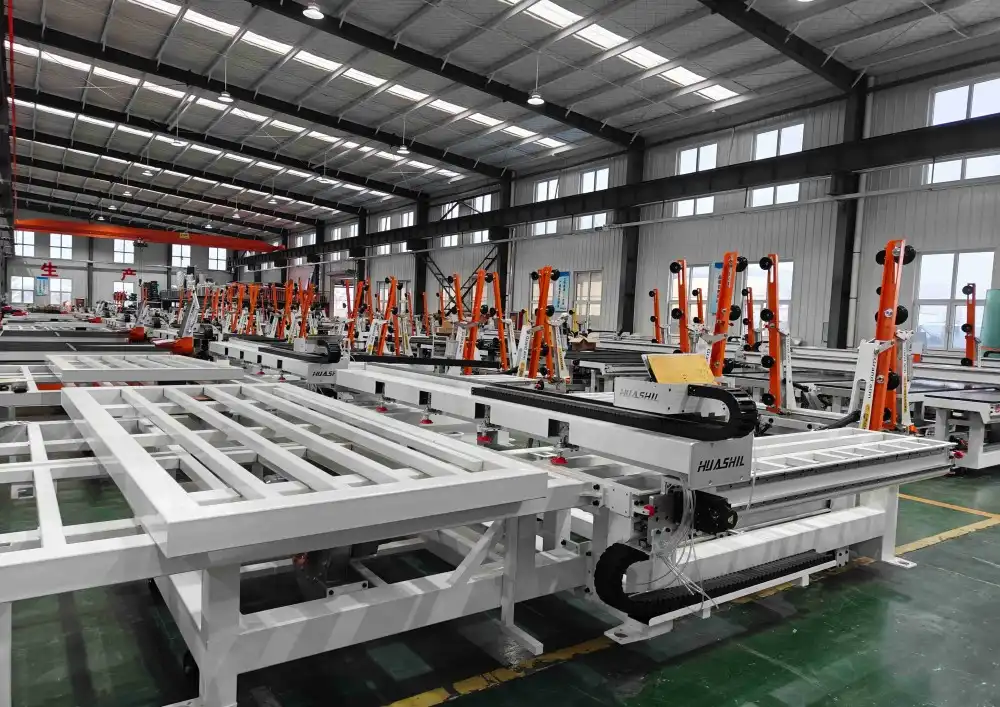
Integrating CNC mirror cutting machines into your production line can significantly enhance your manufacturing capabilities. These sophisticated machines offer a range of benefits that can streamline your operations and improve overall output quality.
Precision and Accuracy
One of the primary advantages of CNC mirror cutting is the unparalleled precision it offers. Unlike traditional cutting methods, CNC machines can achieve tolerances down to fractions of a millimeter, ensuring consistent and accurate cuts across large production runs. This level of precision is particularly crucial in industries such as automotive glass manufacturing, where even the slightest deviation can lead to safety issues or compromised performance.
Increased Productivity
CNC integration can dramatically boost your production capacity. These machines can operate continuously with minimal human intervention, allowing for 24/7 production cycles. This increased uptime, combined with faster cutting speeds, can significantly reduce lead times and increase overall output.
Versatility in Design
CNC mirror cutting machines excel in creating complex shapes and intricate designs that would be challenging or impossible with manual cutting techniques. This versatility opens up new possibilities for product design, particularly in the decorative glass and smart mirror sectors. Manufacturers can now offer a wider range of customized products, catering to the growing demand for bespoke glass solutions.
Material Optimization
Advanced CNC systems come equipped with nesting software that optimizes material usage. By efficiently arranging cutting patterns, these machines can significantly reduce waste, leading to cost savings and more sustainable production practices. This feature is particularly valuable when working with expensive or specialized glass materials.
Quality Control and Consistency
The computer-controlled nature of CNC cutting ensures consistent quality across production runs. Once a cutting program is perfected, it can be replicated with exactitude for every subsequent piece. This consistency is crucial for meeting stringent quality standards, especially in industries like aerospace or high-end architectural glass production.
Data Integration and Industry 4.0
Modern CNC mirror cutting machines can be integrated into broader manufacturing execution systems (MES) and enterprise resource planning (ERP) platforms. This integration allows for real-time production monitoring, predictive maintenance, and data-driven decision-making, aligning with Industry 4.0 principles and paving the way for smarter, more efficient factories.
Troubleshooting Common CNC Mirror Cutting Issues
While CNC mirror cutting machines offer numerous advantages, they can also present unique challenges. Understanding and addressing these issues promptly is key to maintaining smooth operations and high-quality output.
Edge Chipping
One of the most common issues in CNC mirror cutting is edge chipping. This occurs when small pieces of glass break off along the cut edge, compromising the mirror's integrity and appearance. To mitigate this:
- Ensure proper cutting speed and pressure settings
- Use high-quality cutting wheels appropriate for the glass type
- Maintain clean and well-lubricated cutting surfaces
- Consider score-and-break techniques for particularly delicate materials
Incorrect Cutting Depth
Achieving the right cutting depth is crucial for clean breaks and optimal edge quality. Issues with cutting depth can lead to incomplete cuts or excessive stress on the glass. To address this:
- Regularly calibrate the cutting head and pressure settings
- Adjust cutting depth based on glass thickness and type
- Implement routine checks and adjustments as part of your quality control process

Alignment and Calibration Errors
Misalignment in the CNC system can result in inaccurate cuts and wasted materials. To prevent and correct alignment issues:
- Perform regular calibration checks on all axes
- Ensure proper machine leveling and stability
- Use precision measurement tools to verify alignment
- Implement a routine maintenance schedule that includes alignment checks
Software and Programming Glitches
CNC mirror cutting relies heavily on accurate programming. Software issues can lead to unexpected cutting errors or machine malfunctions. To minimize these risks:
- Keep CNC software and firmware up to date
- Thoroughly test new cutting programs before full-scale production
- Maintain backups of successful cutting programs
- Provide ongoing training for operators on software usage and troubleshooting
Material Handling Challenges
Proper material handling is crucial for achieving clean cuts and preventing damage. Common issues include:
- Glass slippage during cutting
- Scratches or damage during loading and unloading
- Inconsistent material positioning
To address these challenges:
- Use appropriate vacuum suction or clamping systems
- Implement automated loading and unloading systems where possible
- Train operators in proper material handling techniques
- Regularly inspect and maintain material handling components
Environmental Factors
Environmental conditions can significantly impact CNC mirror cutting machines' performance. Temperature fluctuations, humidity, and dust can all affect cutting quality. To mitigate these issues:
- Maintain a controlled environment in the cutting area
- Use air filtration systems to reduce dust and debris
- Monitor and adjust for temperature and humidity changes
- Implement regular cleaning routines for the machine and work area
Maximizing Efficiency: CNC Maintenance Best Practices
To ensure your CNC mirror cutting machine operates at peak efficiency and maintains its precision over time, implementing a robust maintenance program is essential. Here are some best practices to consider:
Develop a Comprehensive Maintenance Schedule
Create a detailed maintenance calendar that includes:
- Daily checks and cleaning routines
- Weekly inspections of critical components
- Monthly calibration and alignment checks
- Quarterly in-depth maintenance and parts replacement
- Annual overhauls and system updates
Implement Predictive Maintenance Techniques
Leverage advanced sensors and data analytics to predict potential failures before they occur. This approach can significantly reduce downtime and extend the life of your CNC equipment. Consider:
- Vibration analysis to detect early signs of wear in moving parts
- Oil analysis to monitor the lubrication system health
- Thermal imaging to identify hotspots or electrical issues
- Performance data tracking to spot trends in machine efficiency

Prioritize Cutting Tool Maintenance
The cutting tools are the heart of your CNC mirror cutting machine. To maintain optimal performance:
- Regularly inspect cutting wheels for wear and damage
- Implement a systematic rotation and replacement schedule
- Use high-quality lubricants designed for glass cutting
- Train operators in proper tool handling and storage techniques
Keep Software and Firmware Updated
Regular software updates can improve machine performance, fix bugs, and introduce new features. To stay current:
- Subscribe to manufacturer update notifications
- Schedule regular software review and update sessions
- Test updates in a controlled environment before full implementation
- Maintain detailed records of all software changes and their impacts
Invest in Operator Training
Well-trained operators are crucial for maintaining CNC efficiency and preventing unnecessary wear and tear. Provide comprehensive training on:
- Proper machine operation and safety procedures
- Basic troubleshooting and maintenance tasks
- Optimal cutting techniques for different glass types
- Understanding and interpreting error messages and alerts
Maintain a Clean Working Environment
A clean machine is a happy machine. Regular cleaning can prevent many common issues:
- Implement daily cleaning routines for cutting surfaces and tools
- Use appropriate cleaning agents that won't damage sensitive components
- Install dust collection systems to minimize airborne particles
- Regularly clean and replace air filters in the CNC control cabinet
Document All Maintenance Activities
Keeping detailed records of all maintenance activities is crucial for long-term efficiency. Maintain logs that include:
- Date and type of maintenance performed
- Parts replaced or repaired
- Issues encountered and solutions implemented
- Performance metrics before and after maintenance
Optimize Spare Parts Management
Efficient spare parts management can significantly reduce downtime. Consider:
- Maintaining an inventory of critical spare parts on-site
- Establishing relationships with reliable suppliers for quick deliveries
- Implementing a digital inventory system for easy tracking and reordering
- Regularly reviewing and updating your spare parts strategy based on usage patterns
Conduct Regular Performance Audits
Periodic performance audits can help identify areas for improvement and ensure your CNC mirror cutting machine continues to meet production standards. These audits should include:
- Accuracy and precision tests
- Speed and efficiency measurements
- Energy consumption analysis
- Comparison of current performance against historical data and industry benchmarks
By implementing these maintenance best practices, you can ensure that your CNC mirror cutting machine remains a reliable and efficient cornerstone of your production line for years to come.

Conclusion
CNC mirror cutting machine factories have transformed the landscape of glass manufacturing, offering unprecedented precision, efficiency, and versatility. By optimizing production lines with CNC integration, effectively troubleshooting common issues, and implementing robust maintenance practices, manufacturers can harness the full potential of these advanced machines.
As the industry continues to evolve, staying informed about the latest developments in CNC technology and continuously refining your processes will be key to maintaining a competitive edge. Remember, the success of your CNC mirror cutting operations relies not just on the machine itself, but on the expertise and diligence of your team in leveraging its capabilities to their fullest.
FAQ
1. What are the key advantages of using a CNC mirror cutting machine?
CNC mirror cutting machines offer superior precision, increased productivity, versatility in design capabilities, optimized material usage, consistent quality across production runs, and seamless integration with Industry 4.0 technologies.
2. How often should I perform maintenance on my CNC mirror cutting machine?
A comprehensive maintenance schedule should include daily checks, weekly inspections, monthly calibrations, quarterly in-depth maintenance, and annual overhauls. The exact frequency may vary based on usage and manufacturer recommendations.
3. What are some common issues with CNC mirror cutting, and how can they be prevented?
Common issues include edge chipping, incorrect cutting depth, alignment errors, and software glitches. These can be prevented through proper machine setup, regular calibration, operator training, and implementing a robust maintenance program.
4. How can I optimize the efficiency of my CNC mirror cutting operations?
To optimize efficiency, focus on implementing predictive maintenance techniques, prioritizing cutting tool maintenance, keeping software updated, investing in operator training, maintaining a clean working environment, and conducting regular performance audits.
Experience Precision and Efficiency with HUASHIL CNC Mirror Cutting Machines | HUASHIL
Ready to take your glass manufacturing to the next level? HUASHIL's state-of-the-art CNC mirror cutting machines are designed to meet the most demanding requirements of modern manufacturers. Our machines combine precision engineering with user-friendly interfaces, ensuring you get the best of both worlds - unparalleled accuracy and ease of use.
Whether you're in the architectural glass industry, automotive sector, or specializing in smart mirrors, our CNC solutions can be tailored to your specific needs. With HUASHIL, you're not just buying a machine; you're investing in a partnership that prioritizes your success.
Don't let outdated technology hold you back. Embrace the future of glass cutting with HUASHIL. Contact us today at salescathy@sdhuashil.com to discuss how we can transform your production line and help you stay ahead of the competition. Let's work together to bring your glass manufacturing vision to life!
