




To keep glass processing operations running at their best, it takes more than just buying new equipment. It also requires a deep understanding of how to do good maintenance and operational excellence. CNC glass cutting equipment represents the backbone of modern glass fabrication facilities, from architectural glazing plants to custom furniture workshops. When properly kept and run, these automated systems provide consistent accuracy, cut down on waste, and greatly lower the cost of labor. I've worked in manufacturing sites all over the United States for many years, and I've seen firsthand how strategic maintenance practices have a direct effect on production uptime and profits. This guide combines tried-and-true business methods with technical information that plant managers, engineering teams, and buying professionals can use to get the most out of their equipment investments and make sure they work reliably for a long time.
Understanding CNC Glass Cutting Equipment: Features and Operation Basics
Modern automated glass cutting systems have changed how manufacturing plants control quality and how efficiently they make things. These computer-controlled tools get rid of the variability that comes with cutting things by hand while greatly increasing the amount that can be cut.
Core Features That Define Performance Standards
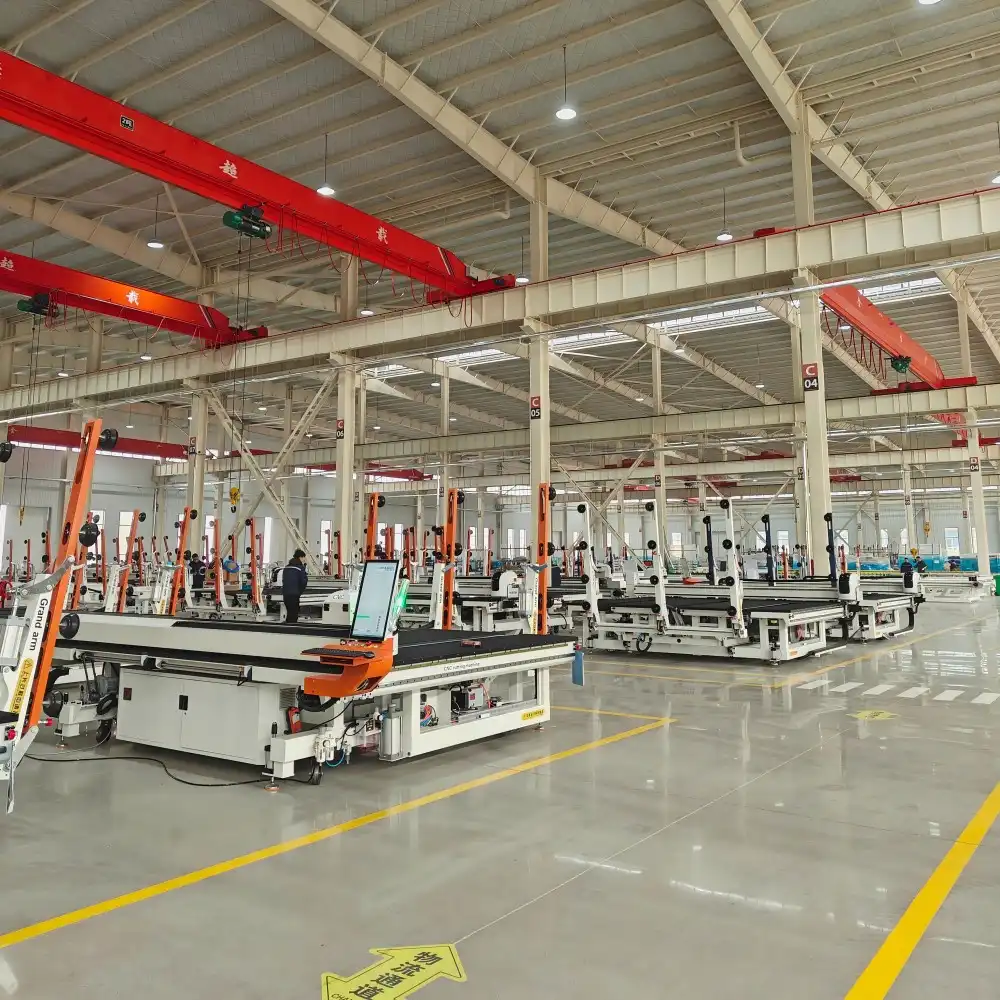
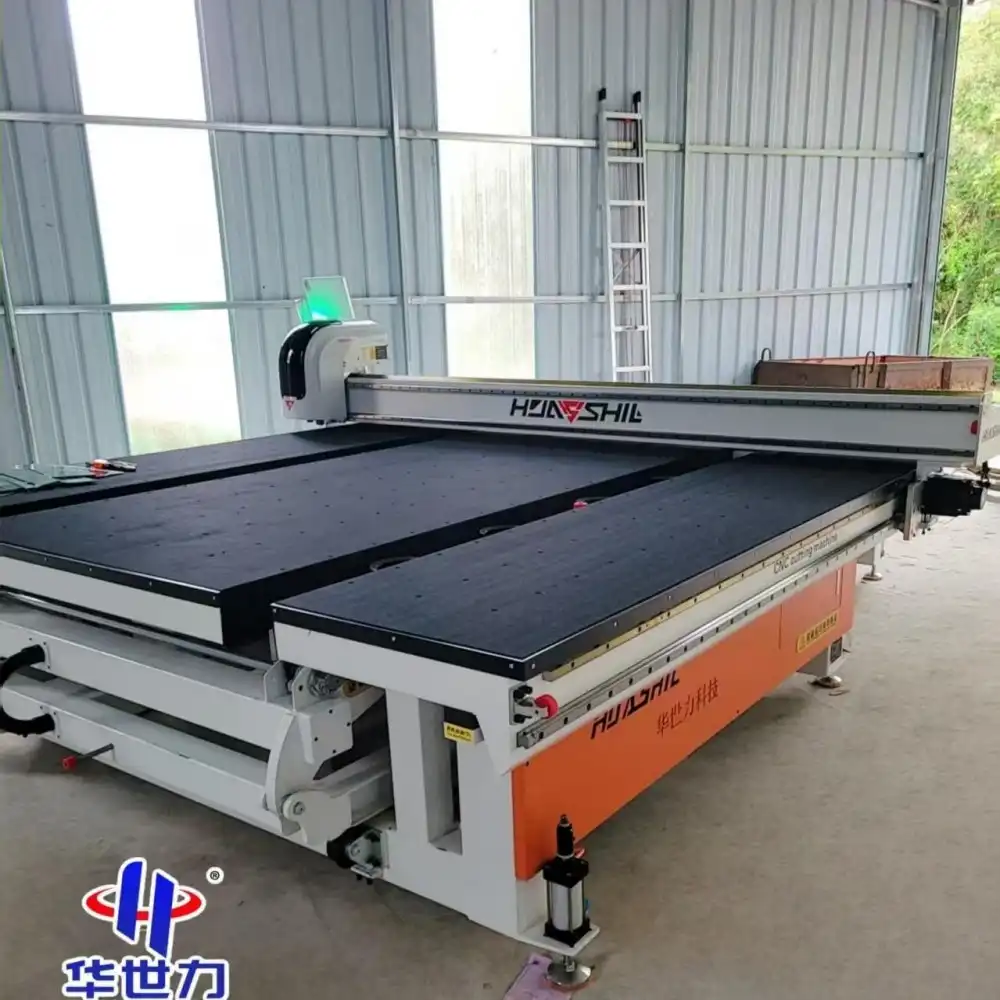
CNC-controlled glass cuts use a number of advanced technologies that work together to produce results that are good enough for use in factories. The HSL-YTJ3826 model is a good example of these abilities because it can handle glass sizes up to 3660x2440mm and thicknesses from 2mm to 19mm, which are enough for most building and decorative glass needs. The machine's 5550x4925mm footprint makes the best use of floor room in factories.
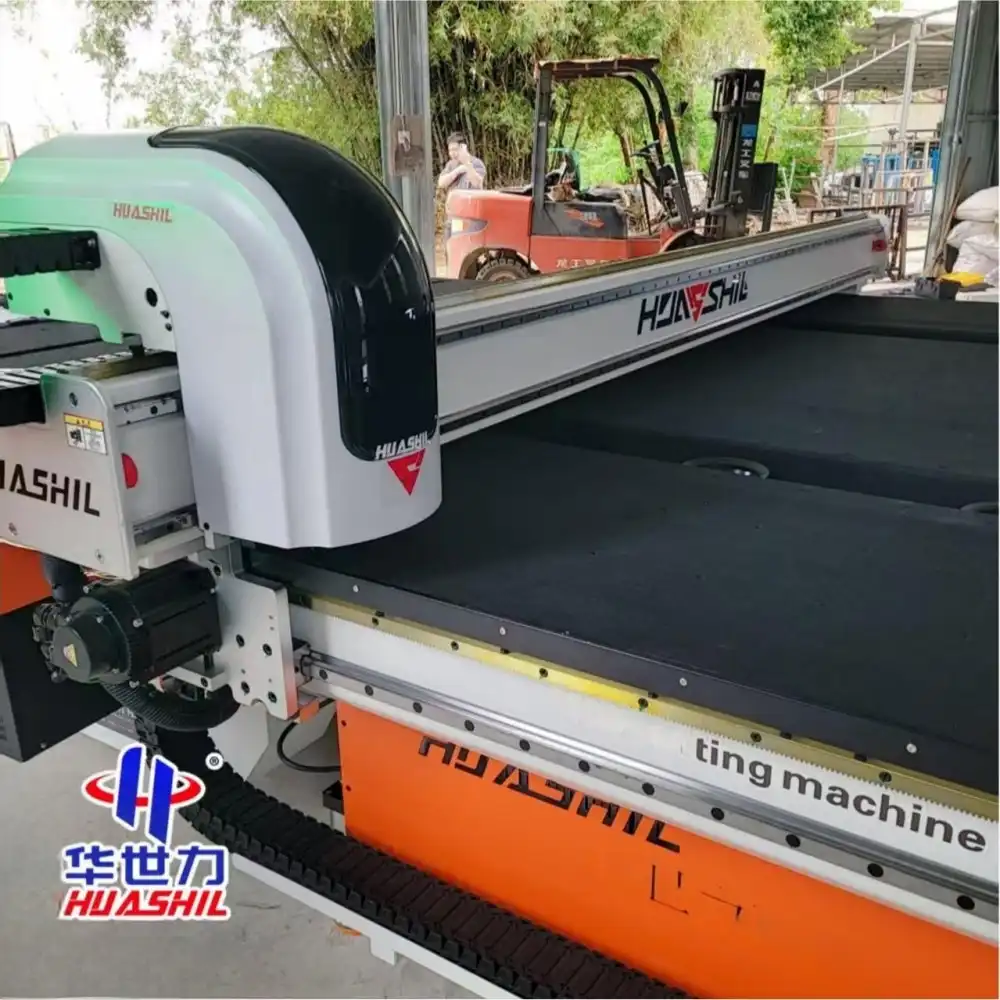
Cutting precision is built on systems that use precise positioning. Advanced servo motors work with linear guide rails to keep the cutting bed's tolerances within ±0.1mm all the way around. Automatic pressure control changes the cutting force based on the type and thickness of the glass. This stops microfractures that weaken the structure. The air float system reduces friction while the glass moves, keeping surfaces from getting scratched and making it easier for operators to handle.
Operational Workflow and Safety Protocols
Knowing the whole operating cycle helps teams find places where they could do better. The process starts with automatic filling systems that get glass sheets from storage racks, so workers don't have to lift heavy objects by hand. Automatic edge-finding sensors look at the size and direction of the sheet and account for small differences in where the material is placed. This ability to self-calibrate cuts down on the time needed to set up between production runs.
The Optima optimization program figures out the best cutting patterns to get the most material out of the workpiece. When compared to traditional cutting methods, procurement managers often say that materials are saved 8–12%. This is a big savings when processing hundreds of sheets every week. Once the cutting is done, the built-in breaking table makes controlled separation along score lines easier. The 360-degree remote control system lets workers control the machine's many functions from a safe distance.
Safety compliance is more than just installing guards. CE and ISO9001 certifications show that foreign manufacturing standards are being met, which eases the worries that plant managers have during safety audits. Synchronous belt conveyors move finished goods without putting workers in direct contact with them, which lowers the risk of injuries on the job. Engineering teams should make clear standard operating procedures that cover things like how to shut down in an emergency, what safety gear is needed, and areas that can't be accessed during automated rounds.
Machine Configuration Options for Different Production Scales
The processing needs of glass fabrication plants are very different. When working with big architectural glass panels for curtain wall applications or oversized shower enclosures, flatbed configurations like the HSL-YTJ3826 are best. The horizontal cutting table keeps big glass stable and can be used with automatic loading systems.
Smaller furniture companies often find that gantry-style machines that take up less floor space but can still cut cabinet doors and decorative panels well are useful. Hybrid systems combine several processing tasks, such as cutting, edge grinding, and drilling, into a single production line. This makes them appealing to curtain wall system designers who have to keep track of complicated project requirements.
When technical managers look at new tools, they should make sure it works with the way things are already done in the factory. Machines with flexible designs let you add new features in small steps as your business grows, protecting your initial investments in capital. When procurement teams understand these configuration trade-offs, they can make sure that specifications meet both present needs and growth projections for the future.
Essential Maintenance Practices for CNC Glass Cutting Equipment
Maintenance practice has a direct effect on how reliable the equipment is. When compared to reactive repair methods, production directors constantly say that systematic preventive maintenance cuts down on unexpected downtime by 60–70%. Setting up structured protocols saves investments in capital and ensures consistent quality output.
Daily and Weekly Inspection Routines
At the start of each shift, operators should visually check the cutting wheels for signs of excessive wear or chipping. Depending on the thickness and stiffness of the glass, diamond cutting tools work at their best for about 5,000 to 8,000 linear meters of cutting. Tracking usage meters that are built into control systems helps figure out when to change things before they stop working well.
Cleaning steps get rid of the glass chips and coolant residue that build up during production. Linear guide rails and ball screw systems can be cleaned with compressed air. Checking the tension of a synchronous belt once a week is necessary—too much looseness leads to positioning mistakes, and too much tightening speeds up bearing wear. Maintenance teams should look at the manufacturer's instructions to find out what tension is right for each type of machine.
Scheduled lubrication for CNC glass cutting equipment stops parts from breaking down too soon. Every 40 to 50 hours of use, the guide rails need a thin layer of the right lubrication. When there is too much grease, dust, and grinding particles are drawn to it. This makes abrasive compounds that hurt precision surfaces. The air flotation system needs to check the gas pressure levels every day; if the pressure is too low, the glass won't be supported properly during cutting operations.
Critical Component Maintenance Strategies
The positioning accuracy that describes cutting precision is driven by motor assemblies. The encoder connections and wiring cables on servo motors need to be checked once a year. Vibration analysis finds problems with bearings before they become so bad that they stop production for good. Belt-driven systems work better when the belts are replaced every three months, because stretched belts cause backlash that makes it harder to get accurate measurements.
Software for control systems needs to be updated on a regular basis to fix bugs and make it run better. Engineering managers should keep copies of cutting programs and machine settings as backups so that they can be quickly restored if the system fails. Malware that could mess up operational programming can't get into CNC controllers because of network security measures.
During long production runs, cooling devices keep temperatures within a certain range. Checking the radiator filters once a month keeps the circulation pump from cavitating. The quality of the water directly impacts how well it cools, since mineral growth in heat exchangers makes them less effective at moving heat. In places with hard water, plants should either install water treatment systems or plan for more frequent upkeep.
Troubleshooting Common Operational Issues
Uneven cutting depth is usually a sign of worn cutting wheels or uneven pressure application. Most problems can be fixed by comparing the pressure levels to the specifications for glass thickness. If problems keep happening, it could mean that the pressure sensors are worn out and need to be calibrated or replaced.
Positioning mistakes show up as cuts that aren't lined up right or wrong measurements. These differences happen because of backlash in the drive systems, loose-fitting hardware, or interference in the encoder signals. Systematic elimination testing is a better way to find root causes than guessing which parts to replace.
Glass chips along the sides of cuts indicate that the cutting wheels are dull, the cutting speed is too fast, or the edges are not supported properly. While new wheels are being ordered, lowering traverse rates by 15 to 20 percent often makes the quality of the edges better. Keeping maintenance logs that show how often problems happen can help find trends that point to deeper mechanical issues that need manufacturer technical support.
Architectural glass plants have shown that proactive upkeep is useful in the real world. Structured inspection procedures put in place by one curtain wall fabricator cut the number of emergency service calls by 73% over the course of 18 months. As unplanned downtime went down, their production capacity went up proportionally. This proved that the money they spent on the repair was worth it. These results make sense to finance managers who compare equipment sellers by looking at the total cost of ownership.
Optimizing CNC Glass Cutting Operation for Maximum Efficiency
Technical capability means little without operational discipline that extracts maximum productivity from installed equipment. Production directors balancing throughput demands with quality requirements benefit from systematic efficiency optimization approaches.
Workflow Integration and Automation Strategies
Material handling represents significant labor cost and production bottleneck potential. Automated loading systems eliminate manual sheet placement, reducing cycle times by 30-45 seconds per sheet. For facilities processing 200+ sheets daily, this accumulates to substantial productivity gains. The automatic edge-finding feature further streamlines operations by eliminating manual positioning adjustments.
Nesting software optimization maximizes material utilization across production batches. The Optima software platform analyzes cutting orders to arrange patterns that minimize scrap generation. Glass costs typically represent 40-50% of production expenses in architectural applications—improving yield by even 5% delivers meaningful bottom-line impact. Procurement managers should evaluate nesting capabilities during equipment selection, as software sophistication varies considerably between suppliers.
Integrating cutting equipment with upstream and downstream processes creates continuous flow production. Connecting CNC cutters with automated edging lines and washing systems reduces intermediate handling and storage requirements. System integrators designing complete production lines should specify compatible interfaces and control protocols during initial planning stages to avoid costly retrofitting expenses.
Energy Consumption Management
Electricity costs constitute significant operational expenses over equipment's lifespan. Modern CNC systems incorporate energy-efficient servo motors and variable-frequency drives that reduce power consumption during idle periods. Plants operating multiple shifts should implement automatic sleep modes that power down non-critical systems during breaks and shift changes.
Air compressor systems supporting pneumatic functions often operate inefficiently. Monitoring actual consumption patterns helps right-size compressor capacity and eliminate wasteful operation. Leak detection programs identify pneumatic system losses that needlessly increase energy costs—industry studies suggest 20-30% of compressed air generation is lost through leaks in poorly maintained facilities.
Production scheduling strategies influence energy efficiency. Batching similar cutting jobs minimizes setup changes and machine warm-up cycles. Running longer continuous production periods rather than frequent short runs reduces the proportion of non-productive energy consumption. These operational approaches complement equipment capabilities to achieve comprehensive efficiency improvements.
Operator Training and Skill Development
Equipment sophistication demands corresponding operator competence. Comprehensive training programs covering both normal operations and troubleshooting scenarios reduce production errors and equipment damage. Manufacturers like HUASHIL typically provide installation training; however, ongoing skill development maintains operational excellence as workforce changes occur.
Cross-training multiple operators creates operational flexibility and knowledge redundancy. Dependence on single individuals creates vulnerability when absences occur. Documentation of setup procedures, maintenance tasks, and problem resolution steps supports consistent practices across shifts and personnel changes.
Advanced operational techniques emerge through hands-on experience with specific equipment. Operators develop intuition regarding optimal cutting speeds for different glass types, early warning signs of tool wear, and efficient pattern sequencing. Production managers should create feedback mechanisms that capture operator insights for continuous process improvement. This practical knowledge complements engineering specifications to achieve superior real-world performance.
Making Informed Procurement Decisions for CNC Glass Cutting Equipment
Capital equipment purchases such as CNC glass cutting equipment represent substantial financial commitments requiring thorough evaluation beyond initial price comparisons. Procurement professionals balancing technical requirements, budget constraints, and long-term operational considerations benefit from structured decision frameworks.
Specification Assessment and Production Alignment
Machine capabilities must match actual production requirements rather than theoretical maximums. The HSL-YTJ3826's capacity to process 3660×2440mm glass sheets suits architectural glass plants handling large-format panels, while furniture manufacturers working with smaller dimensions might find this capacity excessive. Cutting thickness range from 2mm to 19mm addresses most standard architectural and decorative applications; however, specialized operations processing thicker structural glass require machines with extended capability.
Production volume projections drive appropriate capacity selection. Facilities processing 50-100 sheets daily require different specifications than operations handling 500+ sheets. Undersized equipment creates bottlenecks that limit business growth, while oversized machines tie up capital unnecessarily. Engineering managers should analyze current volume distributions and growth forecasts to identify optimal specifications.
Automation level decisions balance labor cost savings against capital investment. Fully automated systems with loading mechanisms and integrated breaking tables command premium pricing but eliminate multiple manual handling steps. Operations facing labor recruitment challenges or high wage rates achieve faster payback on automation investments. Plants with readily available, affordable labor might prioritize basic functionality over extensive automation.
Supplier Evaluation and Risk Assessment
Manufacturer reputation influences long-term satisfaction beyond the initial purchase experience. Established companies with multi-year operating histories demonstrate stability and accumulated technical expertise. Shandong Huashil Automation Technology Co., Ltd. exemplifies this profile, combining manufacturing experience with international market presence, serving architectural glass fabricators and curtain wall system integrators globally.
After-sales support capabilities warrant careful evaluation. Domestic spare parts inventory reduces downtime when replacement components become necessary. Technical support responsiveness—measured in hours rather than days—minimizes production disruption during troubleshooting. Procurement managers should verify support infrastructure within their geographic region rather than relying solely on manufacturer headquarters capabilities.
Certification validation confirms compliance with safety and quality standards. CE marking indicates conformity with European Union safety directives, while ISO9001 certification demonstrates quality management system implementation. These credentials provide assurance during workplace safety audits and may influence insurance premium calculations. Finance managers evaluating the total cost of ownership should consider the risk mitigation value these certifications provide.
Financial Structuring and Implementation Planning
Payment terms vary based on supplier policies and transaction size. Deposit arrangements typically require 30-40% advance payment with the balance due upon delivery or installation completion. Letter of credit options provide security for international transactions, protecting both buyer and seller interests. Finance managers should evaluate payment structures against cash flow requirements and project risk profiles.
The installation service scope affects startup success. Comprehensive packages, including foundation preparation guidance, equipment installation, and operational training, accelerate productive operation. Some suppliers offer installation supervision only, requiring buyers to arrange local contractors for physical work. Clarifying these responsibilities during negotiation prevents misunderstandings and project delays.
Warranty coverage protects against premature component failure and manufacturing defects. Standard terms typically provide 12-month comprehensive coverage with extended options available. Understanding warranty claim processes, parts replacement timelines, and technical support availability during warranty periods helps assess true protection value. These contractual details particularly matter for operations lacking in-house maintenance expertise.
Conclusion
Maximizing return on CNC glass cutting equipment investments demands equal attention to maintenance discipline, operational excellence, and strategic procurement decisions. The practices outlined throughout this guide reflect proven approaches from successful glass fabrication operations across architectural, automotive, and decorative glass sectors. Automated cutting systems like the HSL-YTJ3826 deliver their full potential when supported by systematic maintenance protocols, skilled operators, and thoughtful integration within broader production workflows. Looking forward, emerging technologies promise even greater capabilities through smart manufacturing integration and advanced materials. Production managers and engineering teams who master these fundamentals while staying informed about industry innovations position their operations for sustained competitive advantage in increasingly demanding markets.
FAQ
Q1 How often should cutting wheels be replaced on glass processing equipment?
Cutting wheel lifespan typically ranges from 5,000 to 8,000 linear meters, depending on glass hardness and thickness being processed. Rather than adhering to rigid replacement schedules, monitor edge quality and cutting consistency. Increased chipping, uneven scoring depth, or excessive force requirements indicate tool degradation requiring replacement. Maintaining usage logs helps predict replacement timing and ensures spare parts availability before quality impacts production output.
Q2 What preventive maintenance tasks are most critical for automated glass cutters?
Daily cleaning of glass particles from guide rails and quarterly lubrication of linear motion components prevent 70% of mechanical failures in my experience with production facilities. Weekly verification of cutting wheel condition and synchronous belt tension maintains dimensional accuracy. Monthly inspection of pneumatic system pressure and annual servo motor encoder checks round out essential preventive protocols. These practices collectively minimize unplanned downtime while extending equipment operational life.
Q3 Should we consider purchasing used CNC glass cutting machines?
Used equipment evaluation requires careful assessment of operational history, maintenance records, and remaining component life. Machines from reputable manufacturers with documented maintenance offer reasonable risk when priced 40-50% below comparable new equipment. Verify availability of replacement parts and technical support for older models, as discontinued machines may present servicing challenges. Budget for immediate consumable replacement and potential component upgrades. New equipment provides warranty protection, current technology, and predictable performance—advantages often justifying the premium for primary production assets.
Partner with HUASHIL for Reliable Glass Processing Solutions
HUASHIL stands ready to support your glass fabrication success through our comprehensive range of automated cutting equipment designed specifically for architectural glass plants, curtain wall system integrators, and furniture manufacturers. Our HSL-YTJ3826 model represents years of engineering refinement, combining robust construction with user-friendly operation backed by CE and ISO9001 certifications. Whether you're establishing new production capacity or upgrading existing lines, our technical team provides consultation matching equipment specifications to your unique operational requirements. We invite procurement managers and production directors to contact our specialists at salescathy@sdhuashil.com to discuss your project requirements. As an experienced CNC glass cutting equipment manufacturer, we deliver complete installation support, operator training, and responsive after-sales service, ensuring your investment achieves maximum productivity throughout its operational life.
References
1. Glass Processing Industry Association (2022). "Automated Glass Cutting Systems: Performance Standards and Maintenance Best Practices," Industrial Glass Manufacturing Handbook, Third Edition.
2. Morrison, David K. (2023). "Predictive Maintenance in Glass Fabrication: Reducing Downtime Through Systematic Protocols," Journal of Manufacturing Excellence, Volume 18, Issue 4, pp. 287-312.
3. International Organization for Standardization (2021). "Quality Management Systems for Glass Processing Equipment: Requirements and Guidelines," ISO 9001:2015 Implementation Guide for Machinery Manufacturers.
4. Chen, Wei and Richards, Thomas J. (2023). "Energy Efficiency Optimization in CNC Glass Cutting Operations," Advanced Manufacturing Technology Review, Volume 41, pp. 156-178.
5. European Committee for Standardization (2022). "Safety Requirements for Glass Processing Machinery: CE Marking Compliance Standards," EN 12543 Glass Processing Equipment Standards, Revised Edition.
6. Anderson, Patricia L. (2024). "Smart Factory Integration for Glass Fabrication: IoT Applications and ROI Analysis," Manufacturing Technology Quarterly, Volume 29, Number 1, pp. 45-69.
