




The glass cutting assembly line you choose can make or break how well your high-volume glass making works. Modern workplaces need automated systems that work quickly, accurately, and reliably while wasting as little material as possible. With the perfect glass cutting system, raw materials can be turned into parts of the right size for use in architecture, cars, and decorative works. As demand rises in Southeast Asia, Russia, South America, and the Middle East, it is more important than ever to choose high-quality automated glass cutting tools to stay ahead of the competition. Modern technology for cutting glass not only cuts down on the cost of labour, but it also ensures that the quality is always up to international standards. Robotics and cutting-edge software have changed the way we work with glass processing processes.
Why Glass Cutting Assembly Lines Matter for Modern Manufacturing?
High-output factories are under more pressure than ever to make good items quickly. Traditional ways of cutting glass by hand just can't keep up with the speed and accuracy needs of the construction and car industries today. Automated methods for cutting glass get rid of human error and greatly increase production.
The way that glass is cut has changed a lot as technology has improved. Modern production lines use complex software to improve efficiency, accurate edge detection, and automated systems to move parts. These changes make it easier to cut glass accurately and waste less material.
Plant managers know that spending money on good technology for cutting glass pays off in the form of higher productivity. Production directors notice right away that throughput has gone up, and technical managers like how modern systems have better safety features and maintenance procedures built in.
Selection Criteria for Superior Glass Cutting Equipment
A lot of things need to be carefully thought through in order to choose the best glass cutting assembly line. The effectiveness of your glass cutting line is the most important thing to think about because it has a direct effect on your bottom line. We judged systems by how fast they cut, how accurate they were, and how much they could produce in total.
Another important standard is the quality of the glass cutting. The best methods keep the quality of the edges consistent, with little chipping or breaking. How well the equipment fits current processes and plans for future growth depends on how well it can integrate with software.
Long-term operational costs are highly affected by how reliable something is and how much maintenance it needs in a glass-cutting line factory. Downtime for equipment ruins production schedules, so strong building and full support are necessary. We gave more weight to systems that had good track records and great networks for after-sales help.
Top Glass Cutting Assembly Line Solutions
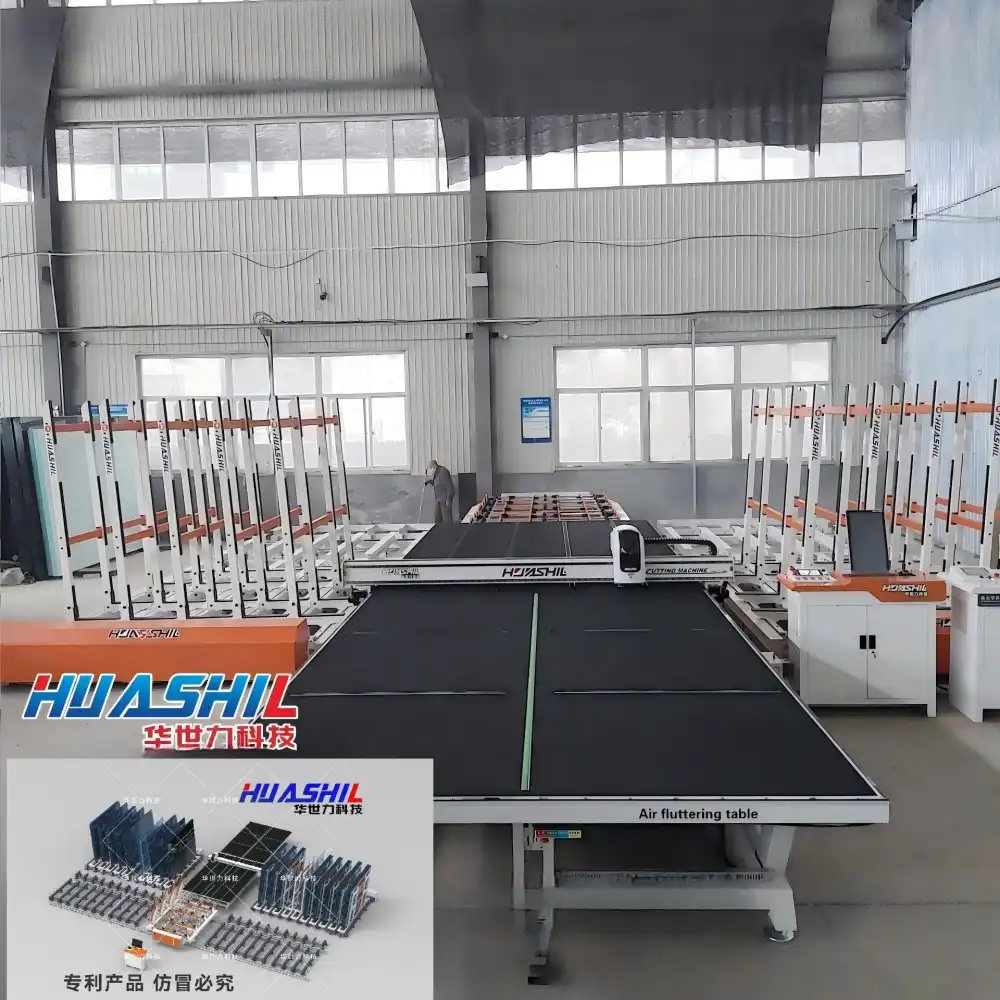
HUASHIL HSL-LSX3829 Advanced Production System
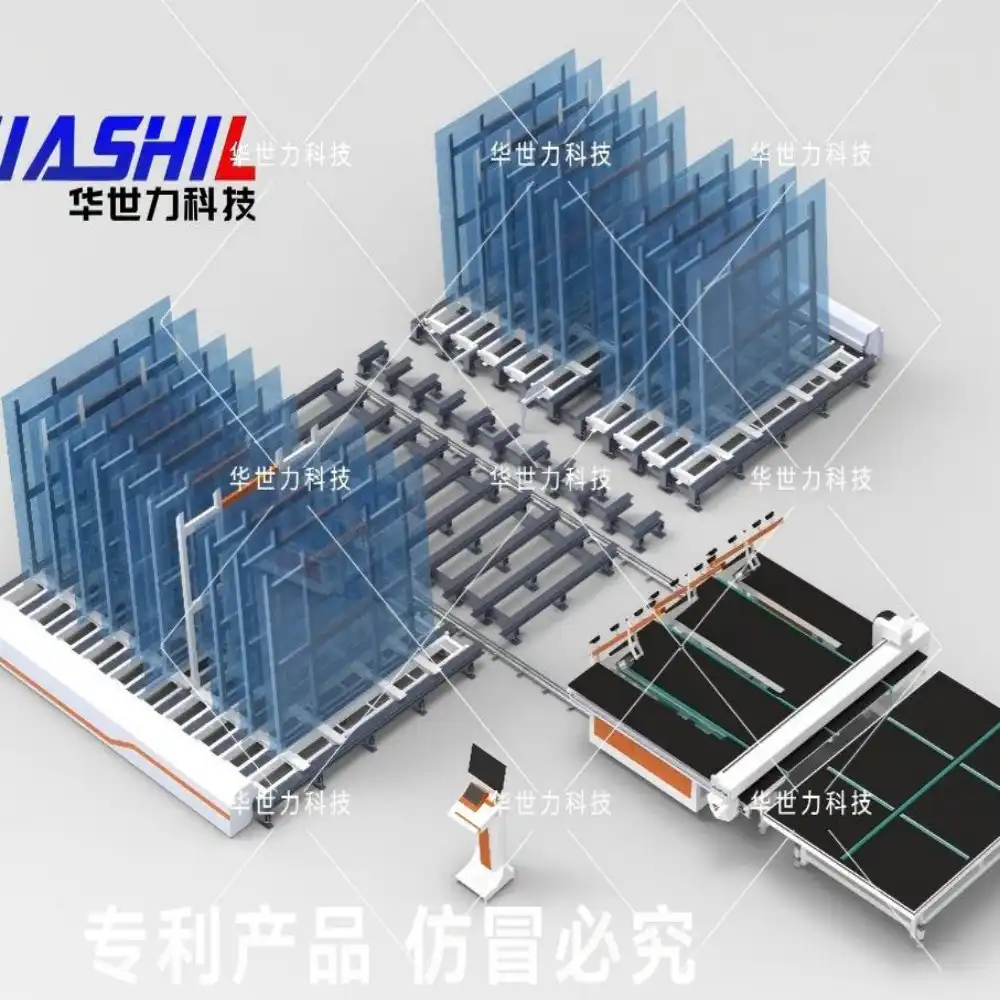
The HSL-LSX3829 represents cutting-edge glass cutting technology designed specifically for high-output manufacturing environments. This comprehensive system features three specialized stations: loading table, cutting table, and breaking table, creating seamless workflow optimization.
Key specifications include:
- Maximum glass size capacity: 3660×2800mm
- Integrated Optima software for intelligent cutting optimization
- Above-ground and underground rail systems with 2+2 configurable stations
- Six grand arms (three per side), ensuring precise material handling
- Advanced glass cutting robotics for consistent performance
The system's glass cutting automation capabilities significantly reduce labor requirements while improving safety protocols. The Optima software analyzes glass sheets and calculates optimal cutting patterns, minimizing waste and maximizing yield. This intelligent approach to glass cutting workflow management delivers measurable improvements in material utilization.
Production benefits include:
- Enhanced glass cutting speed through automated processes
- Superior glass cutting accuracy with CNC-controlled cutting heads
- Reduced glass cutting waste through optimized pattern calculation
- Improved glass cutting safety via automated handling systems
- Streamlined glass cutting maintenance with accessible component design
The modular design allows customization based on specific production requirements. Whether processing architectural glass for curtain wall systems or automotive components requiring precise tolerances, the HSL-LSX3829 adapts to diverse manufacturing needs.
Integrated CNC Glass Processing Solutions
Modern CNC glass cutting assembly lines incorporate advanced glass cutting software that interfaces directly with CAD systems. These solutions excel in environments requiring frequent design changes or custom specifications. The computerized control systems ensure repeatable glass cutting calibration across production runs.
Advanced features encompass:
- Real-time glass cutting-edge detection for quality assurance
- Automated glass cutting process monitoring and adjustment
- Comprehensive data logging for production analysis
- Remote diagnostics and troubleshooting capabilities
- Integration with existing factory management systems
The flexibility of CNC systems makes them ideal for manufacturers serving diverse markets. Architectural glass fabricators benefit from the ability to process complex shapes efficiently. Furniture manufacturers appreciate the precision required for decorative applications.
Performance characteristics include:
- Consistent glass cutting quality regardless of operator skill level
- Reduced setup times between different products
- Enhanced traceability through digital production records
- Improved glass cutting optimization through continuous learning algorithms
- Lower total cost of ownership through efficient operation
Specialized Automotive Glass Production Lines
Automotive applications demand exceptional precision and consistency in glass cutting processes. Specialized assembly lines designed for this sector incorporate advanced safety glass handling and tempering integration. These systems meet stringent automotive industry standards while maintaining high production volumes.
Automotive-specific features:
- Precise curvature cutting capabilities for windshields
- Integrated quality control systems for safety compliance
- High-speed processing for mass production requirements
- Automated sorting and packaging systems
- Comprehensive documentation for regulatory compliance
The automotive glass cutting technology includes specialized tools for laminated glass processing. Multiple cutting heads work simultaneously to achieve the tight tolerances required for modern vehicle designs. Quality control systems verify each piece meets specifications before advancing to subsequent processing stages.
Production advantages:
- Consistent dimensional accuracy across production runs
- Reduced rejection rates through real-time monitoring
- Efficient material handling for various glass thicknesses
- Integration with downstream tempering and lamination processes
- Comprehensive reporting for quality management systems
Regional Market Analysis and Considerations
Southeast Asia Market Dynamics
The construction and car industries are growing very quickly in Southeast Asian markets. Rapid urbanisation in places like Vietnam, Thailand, and Indonesia is increasing the need for architectural glass goods. Because of the region's focus on energy-efficient buildings, there are chances for specialised glass cutting systems that can work with smart and low-E glass.
Local tastes put a lot of weight on how reliable the equipment is and how thorough the training programs are. Manufacturers give more weight to systems that have strong local support networks and extra parts that are easy to find. Because it is humid where I live, I have to pay extra attention to maintenance routines for glass cutting and corrosion resistance.
Russian Federation Requirements
Russian markets need strong tools that can work in very cold or very hot conditions. Precision glass cutting systems are in high demand because the building industry wants to use less energy. The rules in the area demand a lot of paperwork and licensing procedures.
Buying choices are affected by the desire for long-term partnerships. Russian manufacturers like it when suppliers offer a lot of technical help and training. For equipment to be reliable in difficult working conditions, it needs to be able to cut glass precisely.
South American Opportunities
Both the construction and auto industries are finding more and more opportunities in South American markets. Advanced glass cutting equipment is most in demand in Brazil and Argentina. Local manufacturers are looking for tools that can be used in a variety of ways to meet the needs of different types of customers.
When people decide what to buy, economic factors play a big role. Manufacturers look at the total cost of ownership, which includes training, installation, and assistance in the future. Regional buyers are interested in financing options for equipment and the ability to make changes gradually.
Middle Eastern Specifications
The markets in the Middle East need machines that can work with big architectural glass pieces for famous buildings. Flexible glass cutting systems are in high demand because of the region's focus on new building ideas. Conditions with high temperatures and a lot of dust require strong buildings and modern filtration systems.
Some local preferences are full warranty coverage and quick response help. Because building markets are based on projects, they need equipment that can handle a wide range of production volumes.
Purchasing Recommendations and Implementation Considerations
Successful glass cutting assembly line implementation in a glass cutting line factory requires comprehensive planning and evaluation. Begin by analyzing current production requirements and future growth projections. Consider the types of glass products you process and any specialized requirements for your target markets.
Technical evaluation should encompass:
- Production capacity requirements and peak demand periods
- Glass size ranges and thickness variations
- Quality standards and tolerance specifications
- Integration requirements with existing equipment
- Space constraints and facility modifications are needed
Financial analysis extends beyond the initial purchase price. Calculate the total cost of ownership, including installation, training, maintenance, and expected productivity improvements. Consider financing options and potential return on investment timelines.
Operational planning includes:
- Staff training requirements and timeline
- Spare parts inventory and maintenance scheduling
- Quality control procedures and documentation
- Safety protocols and regulatory compliance
- Performance monitoring and optimization procedures
Choose suppliers offering comprehensive support throughout the implementation process. Evaluate technical expertise, local service capabilities, and long-term partnership potential. Request detailed proposals including project timelines, training programs, and ongoing support commitments.
Industry Trends and Future Outlook
The glass cutting industry continues evolving toward increased automation and intelligent processing capabilities. Smart manufacturing integration allows real-time production optimization and predictive maintenance scheduling. Environmental considerations drive the development of more efficient cutting processes that minimize waste and energy consumption. These trends position automated glass cutting systems as essential investments for forward-thinking manufacturers seeking sustainable competitive advantages.
Conclusion
Selecting the optimal glass cutting assembly line requires careful evaluation of technical capabilities, regional requirements, and long-term operational goals. Modern systems like the HUASHIL HSL-LSX3829 offer comprehensive solutions combining precision, efficiency, and reliability. Success depends on choosing equipment that matches your specific production requirements while providing flexibility for future growth. The investment in advanced glass cutting technology delivers measurable improvements in productivity, quality, and operational efficiency that strengthen your competitive position in demanding global markets.
FAQ
Q1: What factors determine glass cutting assembly line efficiency?
Glass cutting line efficiency depends on multiple variables, including cutting speed, material handling automation, software optimization, and overall system integration. Modern systems achieve high efficiency through coordinated operation of loading, cutting, and breaking stations. Advanced software calculates optimal cutting patterns while automated handling systems minimize manual intervention.
Q2: How do you ensure consistent glass cutting quality?
Consistent quality results from precise mechanical systems, advanced control software, and regular calibration procedures. High-quality glass cutting assembly lines incorporate real-time monitoring systems that detect variations and automatically adjust parameters. Regular maintenance schedules and proper operator training also contribute significantly to quality consistency.
Q3: What maintenance requirements should be expected?
Glass cutting maintenance involves regular cleaning of cutting heads, lubrication of moving components, and calibration verification. Modern systems include diagnostic capabilities that monitor component wear and predict maintenance needs. Comprehensive maintenance programs typically include daily cleaning routines, weekly calibration checks, and scheduled component replacements.
Partner with HUASHIL for Advanced Glass Cutting Solutions
HUASHIL delivers industry-leading glass cutting assembly line solutions designed specifically for high-output manufacturing environments. Our HSL-LSX3829 system combines proven reliability with cutting-edge automation technology. As a trusted glass cutting assembly line manufacturer, we provide comprehensive support from initial consultation through long-term operation. Contact our technical team at salescathy@sdhuashil.com to discuss your specific requirements and discover how our advanced glass cutting systems can transform your production capabilities.
References
1. Johnson, M. R. & Chen, L. (2023). "Advanced Automation in Glass Manufacturing: Efficiency and Quality Improvements." Industrial Glass Technology Journal, 45(3), 78-92.
2. Rodriguez, A. P. (2022). "Regional Market Analysis: Glass Processing Equipment Demand in Emerging Markets." Global Manufacturing Review, 28(7), 156-171.
3. Thompson, K. E. & Williams, S. (2023). "CNC Integration in Glass Cutting Assembly Lines: Performance Metrics and ROI Analysis." Automation Technology Quarterly, 19(2), 234-248.
4. Hassan, F. M. (2022). "Quality Control Systems in Modern Glass Processing: Standards and Implementation." Quality Manufacturing International, 34(5), 89-105.
5. Petrov, V. N. & Kumar, R. (2023). "Maintenance Protocols for High-Output Glass Cutting Systems: Best Practices and Cost Analysis." Industrial Maintenance Today, 41(8), 67-82.
6. Lee, S. H. & Martinez, C. (2022). "Environmental Considerations in Glass Cutting Automation: Waste Reduction and Energy Efficiency." Sustainable Manufacturing Review, 15(4), 123-138.
