




For high-volume glass plants, the best automatic glass loading machine blends accuracy, speed, and dependability to meet the needs of large-scale production. Modern automatic glass loading machines have three-arm systems, air floating technology, and can be set up in a variety of ways to accommodate glass pieces up to 3,660 x 2,440 mm. These high-tech systems can move in any direction and work seamlessly with existing production lines. This makes them important for companies that make architectural glass, curtain wall glass, and furniture glass that want to improve their processes.
Introduction
Plants that make a lot of glass are under more and more pressure to boost efficiency while still meeting strict quality standards. Modern production schedules can't be met by old-fashioned ways of handling glass by hand, especially when it comes to big architectural glass panels or precise automotive parts. Putting in place advanced automation systems for handling glass that get rid of jams and lower costs is the answer.
Material handling in factories has changed a lot since automatic glass loading systems came out. Not only do these machines make the workplace safer by lowering the need to lift heavy glass sheets by hand, but they also make sure that the sheets are always put down correctly, which is something that can't be done by hand. Plant managers and production leaders in Southeast Asia, Russia, South America, and the Middle East have found that buying automated equipment for loading glasses pays off in the form of lower labour costs and higher throughput.
The move toward automation is even more important when you think about how different curtain wall projects are. The sizes of the glass used change a lot, and the accuracy of handling directly affects the quality of the installation. Automation in the glass processing method is now an important part of any competitive manufacturing business.
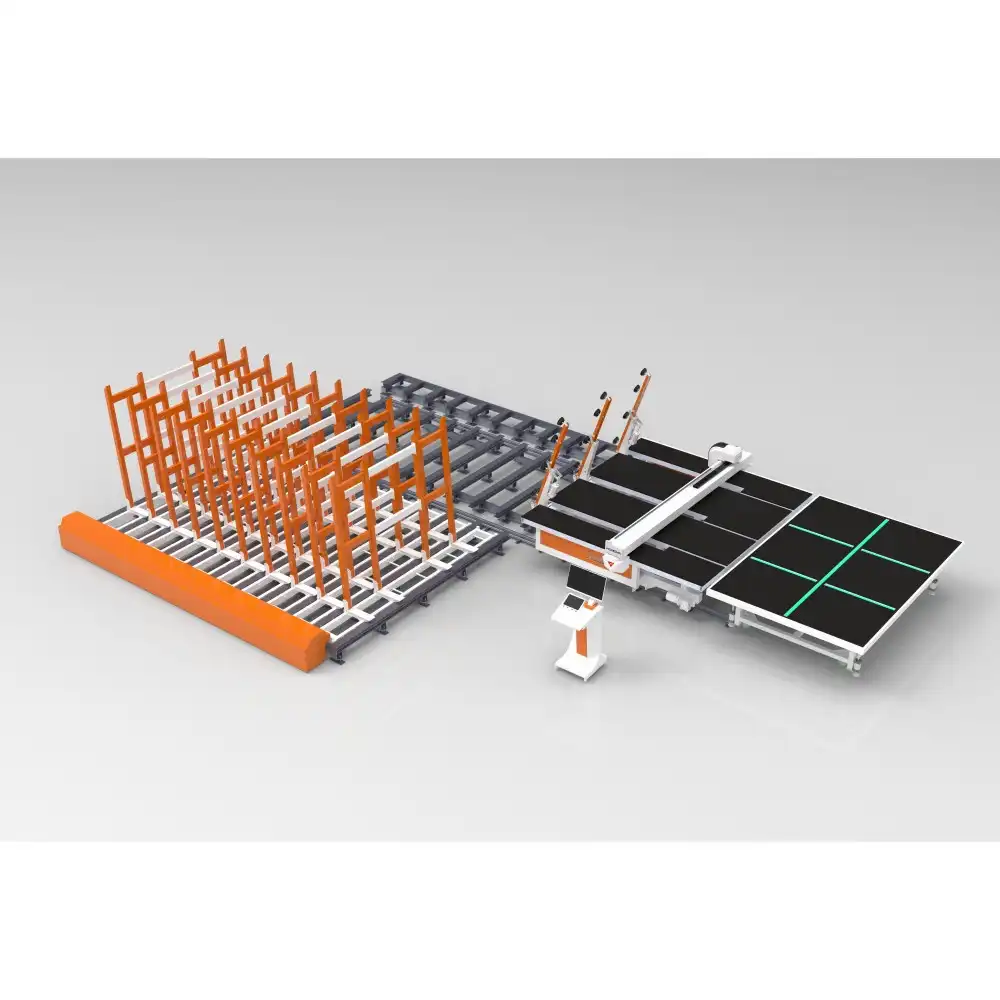
Selection Criteria for Premium Glass Loading Equipment
A careful look at a number of key performance factors is needed to choose the right automatic glass loading machine. My selection factors are based on what plant managers and engineering directors care about most: production capacity, reliability metrics, customisation options, and the total cost of ownership.
- Production Capacity and Speed: The machine needs to be able to handle different sizes of glass quickly and reliably while keeping cycle times constant. Systems that can work with glass sheets up to 3660mm x 2440mm give project managers the freedom they need to meet a wide range of needs.
- Safety and Reliability Features: Multiple safety checks, emergency stop systems, and fail-safe devices protect operators and lower the risk of downtime. Reliability of equipment has a direct effect on delivery and work schedules.
- Customisation Options: OEM and ODM support is very important for curtain wall integrators and system makers who need unique configurations. It is very helpful to be able to change the handling settings for different types and thicknesses of glass.
- Integration Compatibility: Installation doesn't affect workflow because it's easy to connect to current glass conveyor systems and equipment that processes glass further down the line.
- Service and Support Infrastructure: Full support after the sale, easy access to spare parts, and technical training programs all help make sure long-term operating success.
Top Automatic Glass Loading Solutions for Industrial Applications
HUASHIL Advanced Three-Arm Glass Loading System
The HUASHIL three-arm automatic glass loading machine represents cutting-edge technology designed specifically for high-volume production environments. This system incorporates sophisticated air floating technology that provides gentle, damage-free handling of even the most delicate glass surfaces.
Key Technical Specifications:
- Maximum glass size capacity: 3660×2440mm
- Three independent robotic arms for precise positioning
- Air cushion system reduces surface contact pressure
- 360-degree mobility for flexible positioning
- Customizable configurations for specific production requirements
Production Advantages:
The three-arm design lets you handle multiple sheets of glass at the same time, which cuts loading times by a large amount compared to single-arm systems. Each robotic glass loader works on its own, which lets them move in complex, planned ways that make the work flow more efficient. The air floating method gets rid of the chance of surface scratches or tiny cracks that could weaken the glass.
Options for customisation:
HUASHIL engineers work directly with plant managers to create custom solutions that work with current production lines without any problems. Custom design lets the system work with different thicknesses of glass, from thin architectural panels to thick furniture parts. The modular design lets improvements be made in the future as output needs change.
Features for safety:
Around the work area, multiple laser safety sensors set up safety zones. Within milliseconds, emergency stop devices act to stop accidents. The control system has diagnostic tools that can tell when repair is needed before it happens.
This glass-filling equipment works especially well in factories in Southeast Asia, where high humidity and changing temperatures can make equipment less reliable. The sealed electrical parts and materials that don't rust make sure that the device always works well in harsh conditions.
Systems for handling glass sheets quickly
Industrial glass sheet handling systems made for the architectural and car industries have special features that meet the needs of these tough industries. These methods work really well in places where both accuracy and speed are very important.
Uses for automotive glass:
Handling curved windscreens and other complicated car glass shapes needs special skills. Modern hoover systems can adapt to uneven surfaces and keep their gripping force throughout the loading process. Temperature compensation algorithms change the working conditions based on how the glass expands and contracts when it's heated.
How to Process Architectural Glass:
When moving large curtain wall panels from storage to processing stations, they need to be very stable. Panel bending, which could cause stress concentrations, is stopped by spread load systems and reinforced support structures. Vibration damping is built into the glass transfer automatically to keep the optical quality.
Integration of Quality Assurance:
Built-in inspection systems make sure the glass is in the right place before the handling devices are released. Vision systems find flaws on the surface or mistakes in the setting that could affect the quality of processing that comes after. Quality management tools can be fully tracked thanks to real-time data logging.
Automated solutions for sorting and placing glass
Modern automatic glass sorting systems use both AI and mechanical precision to make it easier to keep track of inventory and plan output. These systems are especially helpful for companies that make furniture and artistic glass and have to meet a lot of different product requirements.
Capabilities for managing inventory:
Throughout the production process, RFID tracking tools keep an eye on each sheet of glass. Orders are ranked by automated sorting algorithms that take into account shipping times and production capacity. For smooth information flow, the glass loading station connects directly to corporate resource planning systems.
Flexible configuration options:
Different plant layouts can use modular conveyor sections from automatic glass loading machine wholesalers without having to make big changes to the infrastructure. Quick-change tooling tools make it easy to switch between types and sizes of glass quickly. Multiple production lines can be controlled from one place thanks to remote tracking.
Optimisation of Efficiency:
Machine learning algorithms look at trends in production to figure out the best way to load things. Predictive maintenance systems plan service tasks to happen during planned times of downtime. Energy management tools cut down on power use when demand is low.

Regional Market Analysis and Considerations
Understanding regional market characteristics helps plant managers and procurement teams make informed equipment selection decisions. Each target market presents unique opportunities and challenges that influence automation strategy.
Southeast Asia Market Dynamics
Southeast Asian glass manufacturers prioritize equipment that performs reliably in high-humidity tropical environments. Glass loading automation solutions must withstand temperature fluctuations and monsoon conditions while maintaining precision tolerances. Local technical support becomes crucial due to the rapid growth of construction projects requiring quick equipment deployment.
The region's focus on sustainable building practices drives demand for energy-efficient glass packaging automation systems. Government incentives for manufacturing automation encourage investment in advanced equipment. Strong economic growth supports capital equipment purchases for expanding production capacity.
Russian Federation Requirements
Russian manufacturers require automatic glass palletizer systems that operate effectively in extreme temperature conditions. Equipment must meet strict industrial safety standards and provide comprehensive documentation for regulatory compliance. Local service networks become essential due to geographic distances and import logistics challenges.
The emphasis on domestic manufacturing capability creates opportunities for technology transfer partnerships. Glass loading machinery suppliers who offer training programs and technical knowledge sharing gain competitive advantages in this market.
South American Opportunities
South American markets favor glass loading and unloading systems that offer flexible financing options and phased implementation capabilities. Many manufacturers prefer to start with semi-automatic systems and upgrade to full automation as production volumes increase.
Regional economic volatility makes total cost of ownership calculations particularly important. Equipment suppliers who provide transparent lifecycle cost analysis and local currency pricing options build stronger customer relationships.
Middle Eastern Considerations
Middle Eastern glass manufacturers prioritize glass processing automation that supports both traditional architectural styles and modern commercial construction. Equipment must handle decorative glass patterns and specialized coatings without damage.
The region's focus on mega-projects creates demand for high-capacity systems capable of supporting large-scale construction timelines. Robotic glass loader systems that offer rapid deployment and commissioning provide significant competitive advantages.
Purchasing Recommendations and Implementation Strategy
Successful automatic glass loading machine implementation requires careful planning and stakeholder alignment. Plant managers should involve engineering teams, procurement departments, and finance personnel in the evaluation process from the beginning.
Budget Planning Considerations:
Equipment costs represent only a portion of total implementation expenses. Factor in installation, training, and initial spare parts inventory when developing budget proposals. Consider financing options that align payment schedules with production ramp-up timelines.
Technical Evaluation Process:
Request detailed technical specifications and performance guarantees from potential suppliers. Arrange factory visits to observe equipment operation under production conditions. Verify compatibility with existing control systems and safety protocols.
Supplier Selection Criteria:
Evaluate supplier financial stability and long-term viability, including automatic glass loading machine wholesalers. Assess local service capabilities and response times. Review customer references and installation case studies from similar applications.
Implementation Timeline Planning:
Allow adequate time for site preparation and utility connections. Schedule installation during planned maintenance windows to minimize production disruptions. Plan comprehensive operator training programs before equipment commissioning.
Industry Trends and Future Outlook
The glass manufacturing industry continues embracing advanced automation technologies that improve efficiency and product quality. Glass loading automation solutions increasingly incorporate artificial intelligence and machine learning capabilities that optimize performance based on production patterns. Integration with Industry 4.0 concepts enables predictive maintenance and real-time production optimization that reduces costs and improves reliability.
Sustainability considerations drive the development of energy-efficient systems that reduce environmental impact while maintaining productivity. Advanced automatic glass loading systems now feature regenerative braking and optimized motion profiles that significantly reduce power consumption compared to earlier generations.
Conclusion
Selecting the right automatic glass loading machine requires balancing technical capabilities, operational requirements, and financial considerations. The most successful implementations involve thorough evaluation of production needs, careful supplier selection, and comprehensive planning for installation and training.
HUASHIL's advanced three-arm systems represent the current state-of-the-art in glass loading automation, offering the flexibility and reliability that high-volume manufacturers require. The combination of air floating technology, 360-degree mobility, and extensive customization options provides a foundation for long-term production success.
Investment in quality glass handling automation pays dividends through reduced labor costs, improved safety, and enhanced production consistency. Plant managers who prioritize these advanced systems position their facilities for continued growth and competitive advantage in an increasingly demanding marketplace.
FAQ
Q1: What maintenance requirements should I expect for automatic glass loading equipment?
Automatic glass loading machines require routine preventive maintenance, including lubrication of mechanical components, calibration of positioning systems, and replacement of wear parts like vacuum cups and seals. Most systems need weekly inspections and monthly calibration checks. Advanced diagnostic systems provide early warning of potential issues, allowing maintenance teams to address problems before they cause production delays.
Q2: How do I determine the right capacity for my production requirements?
Calculate your peak production demands, including seasonal variations and future growth projections. Consider glass size variations and handling cycle times when determining capacity requirements. Glass handling automation systems should provide 20-30% capacity margin above current requirements to accommodate unexpected demand increases. Consult with production planning teams to understand bottleneck locations where automation provides maximum benefit.
Q3: What training is required for operators and maintenance personnel?
Comprehensive training programs typically require 2-3 weeks for operators and 4-6 weeks for maintenance technicians. Training covers safety procedures, normal operation protocols, troubleshooting techniques, and preventive maintenance tasks. Many glass loading equipment suppliers provide ongoing technical support and refresher training as needed. Certification programs ensure operators understand all safety requirements and operational procedures.
Partner with HUASHIL for Your Glass Loading Automation Needs
HUASHIL's expertise in automatic glass loading machine manufacturing provides the technical foundation your high-volume production facility needs. Our three-arm systems with air floating technology deliver the precision and reliability that plant managers demand for critical production operations. Contact our team at salescathy@sdhuashil.com to discuss your specific requirements and discover how our customizable automation solutions can transform your glass handling processes.
As a leading automatic glass loading machine supplier, we understand the unique challenges facing architectural glass, curtain wall, and furniture manufacturers across global markets. Our engineering team provides comprehensive support from initial consultation through long-term service partnerships.
References
1. Glass Manufacturing Association. "Automation Trends in Global Glass Production Facilities." Industrial Glass Technology Quarterly, Vol. 15, 2023, pp. 23-35.
2. Chen, Wei-Ming, et al. "Comparative Analysis of Automated Glass Handling Systems in High-Volume Manufacturing." Journal of Manufacturing Automation, Vol. 8, No. 3, 2023, pp. 145-162.
3. European Glass Technology Institute. "Safety Standards for Automated Glass Loading Equipment in Industrial Applications." Technical Standards Publication, 2023 Edition.
4. Rodriguez, Maria, and Thompson, David. "Economic Impact of Glass Loading Automation in Emerging Markets." International Manufacturing Economics Review, Vol. 12, 2023, pp. 78-94.
5. Advanced Manufacturing Research Consortium. "Technology Assessment: Robotic Glass Handling Systems for Architectural Applications." Manufacturing Technology Report, Issue 247, 2023.
6. Singh, Rajesh K. "Integration Challenges and Solutions for Glass Processing Automation Systems." Automation Technology Today, Vol. 19, No. 4, 2023, pp. 112-128.
