




An automatic glass loading machine represents a revolutionary advancement in industrial glass processing, transforming how workshops handle large glass sheets with precision and safety. These sophisticated systems integrate cutting-edge automation technology to streamline glass handling operations, significantly reducing manual labor while enhancing production efficiency. Modern glass fabrication facilities rely on these machines to maintain consistent quality standards and protect valuable glass inventory from damage during loading processes.
Understanding Automatic Glass Loading Machines for Industrial Use
Modern glass shops need machines that are both reliable and able to do a lot of work automatically. Automation systems for moving glass have become necessary in today's competitive factory world, where accuracy and speed are key to success.
Core Components and Advanced Technologies
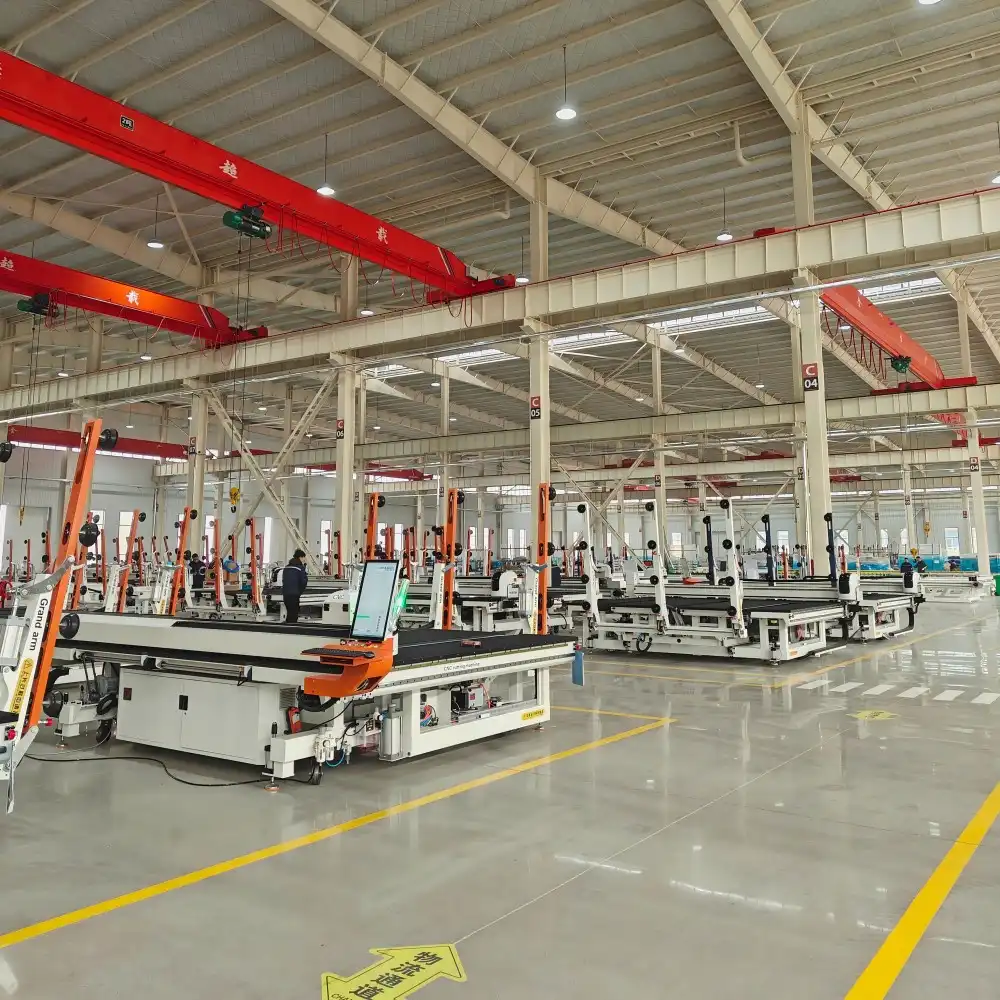
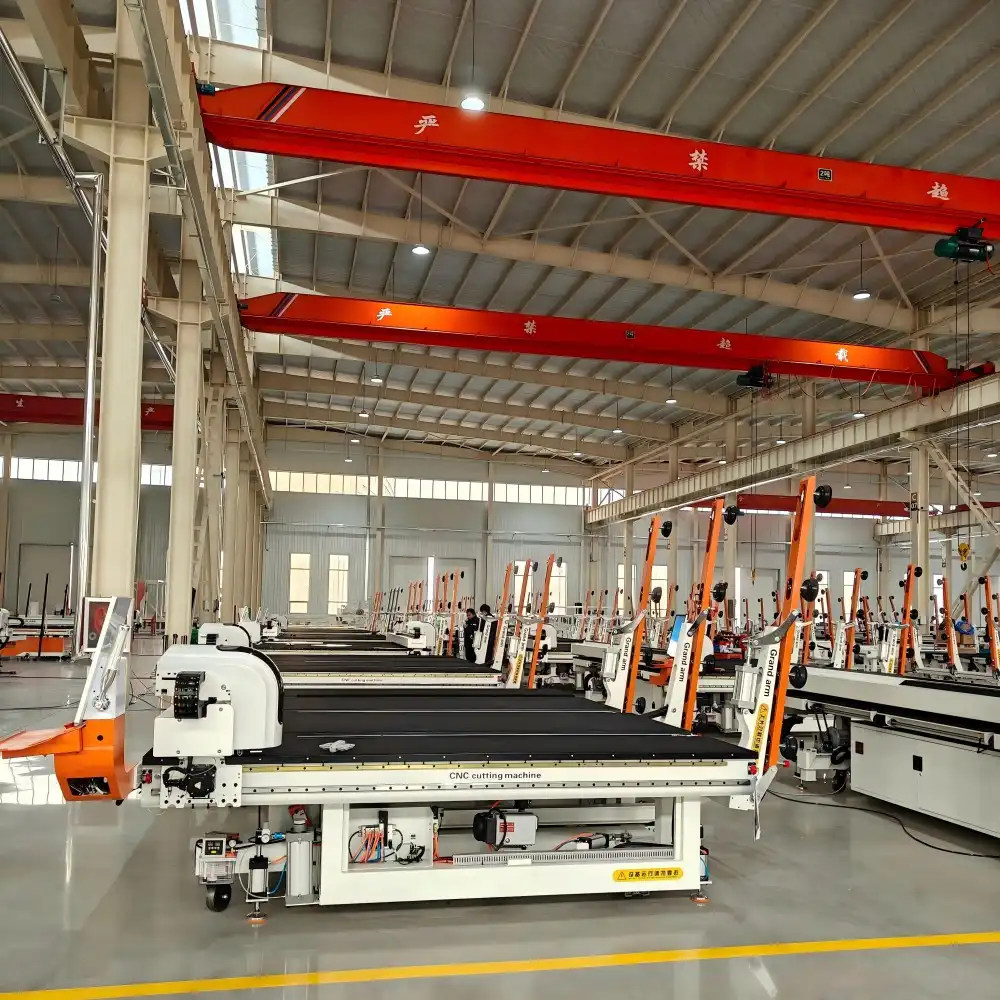
The complex mechanical design and control systems of any glass filling system are what make it work. Modern machines have three big arms that move in perfect sync with each other so they can handle glass sheets very precisely. This three-arm design makes sure that the weight is evenly distributed and reduces the number of stress spots that could cause the glass to break.
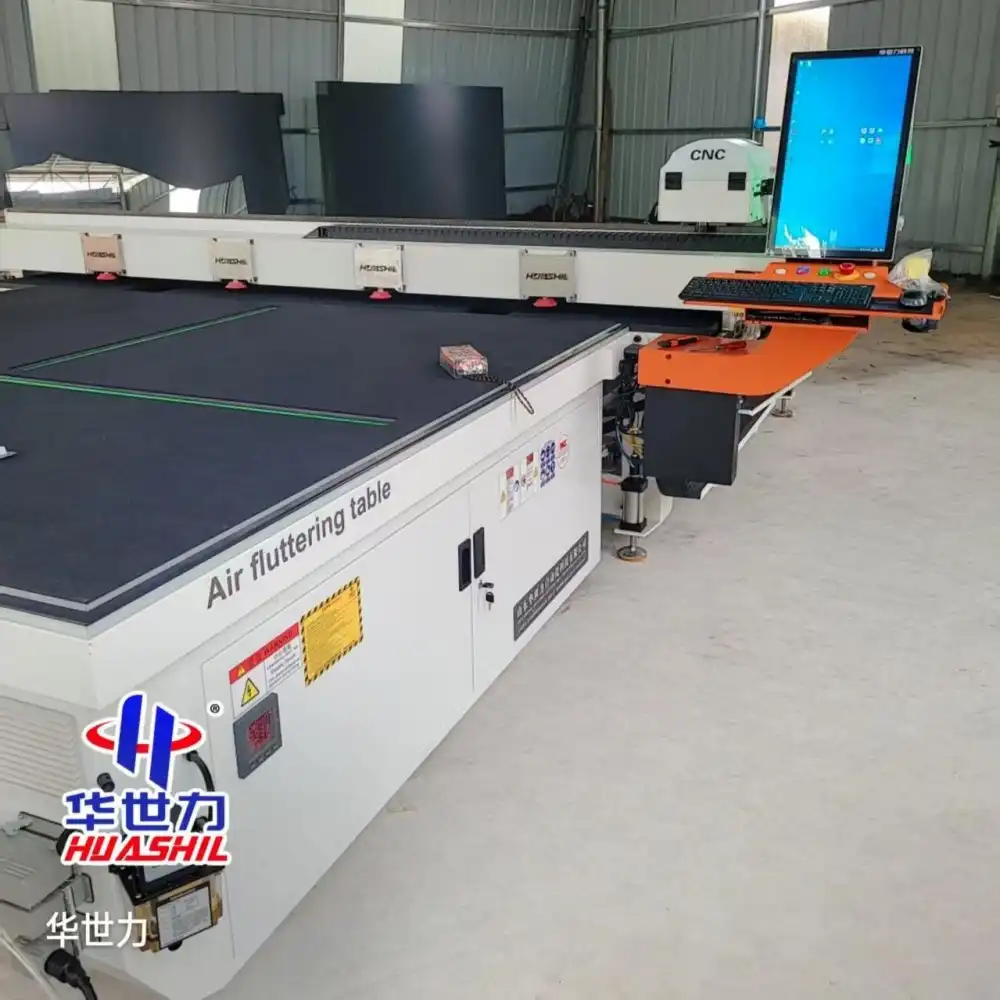
Air-floating devices are another important technology improvement in tools used to handle glass. With these systems, a cushion of air is created under the glass sheets so that they can slide smoothly across surfaces without rubbing or hurting them. This technology is especially helpful when working with thin building glass or high-end artistic panels where the quality of the surface is very important.
These machines can easily move through complicated workshop setups because they can walk in all directions. With this feature, workers can move glass pieces exactly where they need to go, without having to do multiple transfers, which used to raise the risk of breaking them.
Specialized Designs for Various Applications
Customizable designs let industrial glass loading tools react to different production needs. With a maximum glass-size handling capacity of 3660x2440 mm, it can handle normal building glazing measurements as well as specialized uses in curtain wall fabrication and large-scale window making.
Customization options go beyond size choices and include holding devices that are designed to work with different types of glass, different thicknesses, and different surface treatments. Laminated glass, toughened panels, and polished architectural glass are all different types of glass that can be hard to handle. Modern loading systems are made to be flexible so that they can handle these different types of glass.
Comparing Automatic Glass Loading Machines with Traditional and Semi-Automatic Methods
Moving from handling glass by hand to automatic systems is more than just a step forward in technology; it also changes the way workshops work and how safe they are. Knowing these differences helps people who work in buying make smart choices about where to spend their money.
Time Savings and Labor Optimization
Handling glass by hand usually needs more than one person to work together, which can be dangerous and slow down the process. Automatic glass loading machine systems get rid of these problems by letting a single operator manage complicated loading processes. Production data shows that automatic systems can cut the time it takes to load by 60 to 75% compared to human methods.
Semi-automatic options are better than fully automatic ones, but they still need a lot of help from a user to make decisions about placement and control. Fully automated systems use high-tech sensors and code to run loading routines on their own, freeing up workers to do more useful tasks like checking the quality of the goods and keeping an eye on the system.
Quality Assurance and Reliability Improvements
Automated loading systems can handle pressure and settings consistently in a way that human processes can't. Precision handle mechanisms make sure that the glass sheets stay in the right place while they are being loaded, which makes installation easier in later assembly steps.
Adding safety devices and protective measures makes it much less likely for glass to break. Studies in the industry show that automated loading systems cut down on breakage by up to 85% compared to human handling methods. This directly saves money on materials and increases production rates.
How to Choose the Best Automatic Glass Loading Machine for Your Workshop
To choose the right glass handling tools, you need to carefully think about your long-term business goals, output needs, and facility limitations. Making good procurement choices means balancing immediate wants with the chance to grow in the future.
Capacity and Application Assessment
When planning workshop capacity, peak output needs should be taken into account instead of normal throughput needs. The specs for an automatic glass loading machine need to be able to handle the biggest and heaviest glasses that will be used in normal operations, as well as some room for future product lines to grow.
Application-specific needs have a big impact on the choice of tools. Fabricators of architectural glass need different skills than those who make glass for cars or windows for decoration. Knowing these differences helps you find tools that have the right specific features.
Technical Specifications and Integration Compatibility
Long-term running costs are greatly affected by energy-saving issues. Modern systems for filling glass have variable-speed drives and smart power control systems that make the best use of energy based on how much work needs to be done. When compared to older constant-speed options, these features can cut energy costs by 25 to 40 percent.
Throughout a machine's life, its performance and service costs are affected by how easy it is to do maintenance. Well-designed systems make it easy to get to worn-out parts, make it clear how to diagnose problems, and build them in a way that makes repairs easier. These things play a big role in figuring out the total cost of ownership.
Investment Analysis and Financing Considerations
When investing in capital equipment, you need to do a full financial study that goes beyond the initial buy price. Cost analyses that are complete should include the costs of installation, training for operators, ongoing maintenance, and predicted increases in output.
A lot of companies that sell tools have flexible ways to pay for it, like lease choices, longer warranties, and performance guarantees that can help you get a better return on your investment. These deals usually make it easier for growth businesses to get access to the newest technologies while also improving their cash flow.
Installation, Maintenance, and Safety Tips for Optimal Machine Performance
Whether automatic glass handling systems work as well as expected depends on how well they are installed and maintained over time. Professional installation makes sure that it works well with the rest of the workshop's operations and sets the stage for years of reliable use.
Professional Installation and Site Preparation
A well-prepared site that takes into account electrical needs, room allocation, and process integration is the first step to a successful equipment installation. To ensure safe and effective operation, the floor's weight limit, ventilation needs, and entry gaps must all meet the manufacturer's requirements.
Professional installation teams know how to optimize systems and train operators so that equipment works at its best from the start. Usually, these services include initial calibration, proof of the safety system, and full operator instructions that make starting easier.
Preventive Maintenance and Monitoring
Having regular repair plans in place keeps small problems from getting worse and stopping production. Systematic inspections of important parts of automatic glass loading machine systems, such as air fans, electrical links, and mechanical wear points, are helpful.
Predictive maintenance technologies let you change parts before they break based on how they wear instead of just picking any old time. These methods can make tools last longer and cut down on unplanned downtime that causes production plans to be thrown off.
Safety Protocols and Operator Training
Comprehensive safety training programs make sure that workers know how to properly use tools and what to do in an emergency. Operators who have been taught well can spot possible problems early on and keep working conditions safe for everyone, including the equipment and people.
For safety system maintenance, security walls, emergency stops, and sensor systems need to be checked regularly to make sure they work right. These systems are very important safety features that keep accidents and damage to tools from happening during normal activities.
Trusted Brands and Reliable Suppliers in the Global Market
There are a lot of companies that make glass production tools, and they all offer different levels of technology, quality, and customer service. To find trusted suppliers, you need to look at more than just the cost of the beginning tools.
Technology Leadership and Innovation
Leading makers are always putting money into research and development to make technology better and make operations run more smoothly. This dedication is shown by companies like HUASHIL, which come up with new ideas like advanced air-floating systems, precise control algorithms, and flexible automation solutions.
Differentiation in technology often shows up in small but significant ways, such as the level of complexity of the control system, the accuracy of the sensors, and the ability to work with other workshop equipment. These differences can have a big effect on the long-term success of operations and the growth of output.
Supplier Evaluation and Verification
Reliable providers show they care about their customers' success by offering a wide range of support services, extra parts that are easy to find, and quick expert help. Automatic glass loading machine systems need ongoing assistance that goes far beyond just delivering the equipment.
As part of verifying a supplier, you should check references with current customers, look at how well they can help with technical issues, and see if they have extra parts available. For long-term business success, these factors often end up being more important than the price at first.
International providers must show that they follow the safety rules, electrical codes, and assembly requirements in their home countries. The delivery of tools and the approval process by regulators go more smoothly when the right paperwork and certifications are in place.
Conclusion
Automatic glass loading machine technology has changed the way industrial glass workshops work by mixing advanced automation with stability that has been tested and proven. These methods make a big difference in safety, quality, and efficiency while also cutting down on waste and labor costs. When you combine features like three-arm handling systems, air-floating technology, and 360-degree movement, you get complete solutions for a wide range of glassworking tasks. To make implementation work, you need to carefully choose your provider, make sure the system is installed correctly, and keep up with the upkeep. But the operational benefits make the investment worth it for workshops that want to be competitive and improve their operations.
FAQ
1. What safety features are included in modern automatic glass loading systems?
Modern systems have many safety features, such as emergency stop buttons, protective obstacles, impact recognition sensors, and automatic shut-down processes. The workers and glass supplies are kept safe by these features, which also keep production running smoothly during normal operations.
2. How quickly can an automatic glass loading machine be installed and operational?
Installation times depend on how complicated the system is and how much work needs to be done to prepare the spot, but most installs are finished in one to two weeks. This includes placing the equipment, connecting the power, calibrating the system, and giving the operators full training to make sure it works at its best.
3. Can these machines handle different glass thicknesses and specialized coatings?
Yes, current loading systems can handle glass thicknesses from 3 mm to 25 mm thanks to gripping mechanisms that can be adjusted and handling factors that can be programmed. For certain surface processes and coatings, you need to follow certain handling steps that can be set into the control system.
Transform Your Glass Workshop Efficiency with HUASHIL Solutions
Industrial glass shops that want to be more productive and cut down on costs can gain a lot from HUASHIL's advanced automation solutions. To meet a wide range of production needs, our automatic glass loading machine systems come with three-arm precision handling, air-floating technology, and designs that can be changed to fit your needs. With the ability to move 360 degrees and handle glass up to 3660x2440mm, these machines can fit into even the most complicated workshop plans while still meeting the highest safety standards. Email our technical experts at salescathy@sdhuashil.com to talk about your unique automation needs and get personalized equipment suggestions. As a top maker of automatic glass loading machines, HUASHIL offers a wide range of support services, such as help with installation, training for operators, and ongoing technical support to make sure machines work at their best.
References
1. Glass Manufacturing Industry Council. "Automation Trends in Industrial Glass Processing: 2024 Technical Report." Industrial Glass Technology Quarterly, 2024.
2. International Association of Glass Equipment Manufacturers. "Safety Standards and Best Practices for Automated Glass Handling Systems. "Equipment Safety Guidelines Publication," 2024.
3. American Glass Research Institute. "Productivity Analysis of Automated vs. Manual Glass Loading Operations in Industrial Workshops." Manufacturing Efficiency Studies, 2023.
4. European Glass Technology Center. "Energy Efficiency in Glass Processing Automation: Comparative Analysis of Loading System Technologies." Sustainable Manufacturing Review, 2024.
5. Industrial Automation Society. "Cost-Benefit Analysis Framework for Glass Processing Equipment Investment Decisions." Capital Equipment Planning Guide, 2024.
6. Global Glass Processing Equipment Market Analysis. "Supplier Evaluation Criteria and Performance Metrics for Industrial Glass Handling Systems." Market Research Report, 2024.
