




Automatic glass loading tools are a huge step forward in the production of float glass. They meet the important needs for accuracy, safety, and speed in modern factories. These complex systems get rid of the risks and mistakes that come with handling glass by hand, while also making production go much faster. Advanced robots, vacuum suction technology, and smart control systems are all built into an automatic glass loading machine so that big sheets of glass can be moved easily throughout the production process. When procurement managers, engineers, and production leaders understand these automated solutions, they can make choices that improve overall performance and safety at work.
Understanding Automatic Glass Loading Machines for Float Glass Production
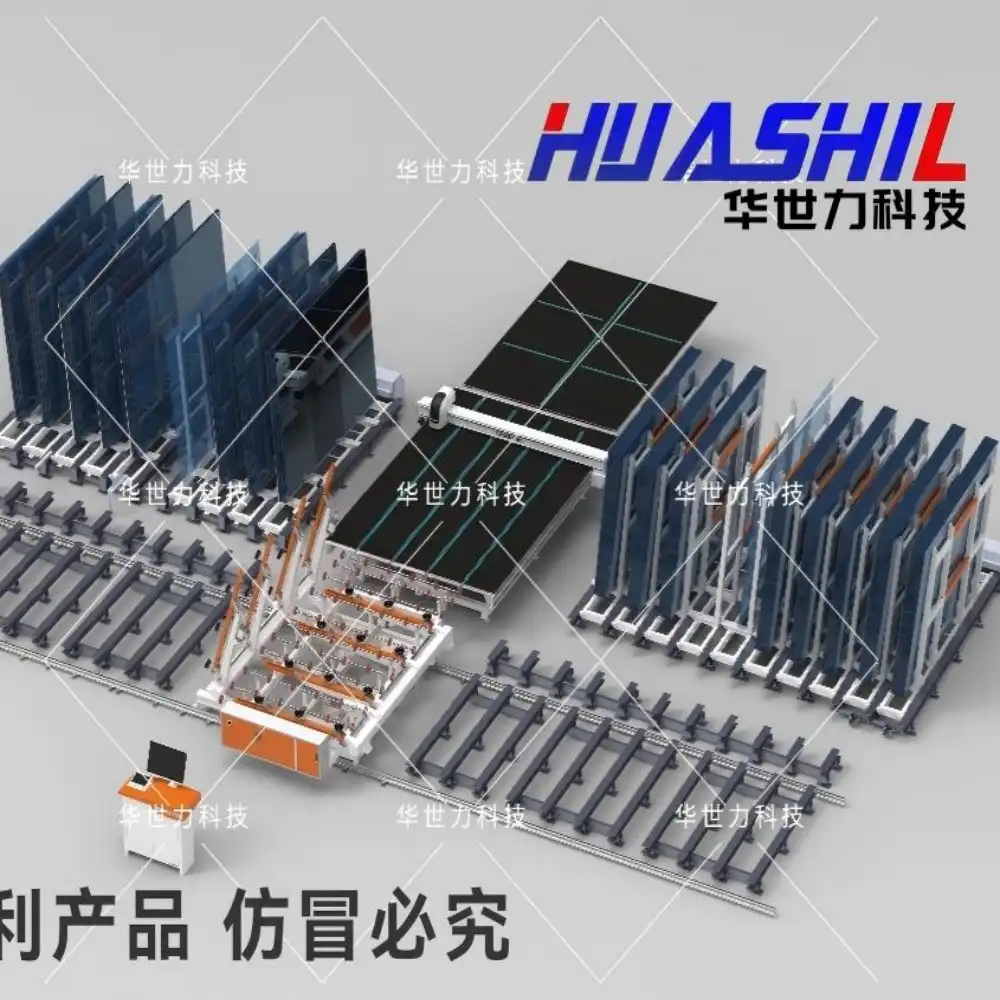
Automatic glass loading systems change the way float glass is made by moving and placing glass sheets automatically, which speeds up the process and cuts down on mistakes made by people. These machines work with complex vacuum suction systems and automatic placing arms that make sure the glass is placed correctly without damaging the surface or putting too much stress on the structure.
Core Technology and Working Principles
Modern automatic glass movers have three large arms with vacuum suction cups that hold and move glass sheets firmly. The air floating system puts a cushion of air under the glass so that it can move along the production line without any problems. This technology can work with glass panels up to 3660mm x 2440mm, so it can be used for big projects in architecture and cars.
The machine can access glass sheets from different angles thanks to its 360-degree walking capability. This improves process efficiency and cuts down on production problems. Advanced sensors keep an eye on the position, thickness, and speed of movement of the glass to make sure that the quality of handling stays the same during the whole loading process.
Machine Categories and Specifications
Fixed-position loaders, mobile robotic units, and fully customized solutions are the three main types of glass loading systems used by automatic glass loading machines. Fixed methods work best in places where a lot of glass is being made, and the sizes of the pieces stay the same. Mobile units give makers the freedom to work with different sizes and types of glass. Specific production needs can be met by customized versions that work seamlessly with current tools and work processes.
Some important features are motors that use less energy, programmable control systems that can change to different glass specs, and a lot of safety features that keep both the equipment and the people using it safe. These standards make it possible to easily connect to current production lines while keeping the reliability of the process.
Comparing Automatic vs. Manual Glass Loading: Efficiency and ROI Insights
Manual glass loading is still common in many places, but it has a lot of problems, such as higher costs for labor, safety risks, and uneven handling quality. Moving big sheets of glass puts a lot of stress on workers' bodies, which can lead to accidents and higher insurance costs. Positioning accuracy can vary when steps are done by hand, which lowers the quality of the final product.
Quantifiable Performance Improvements
Switching to automatic systems greatly speeds up output; in most cases, cycle times are 40–60% shorter than when tasks were done by hand. Positioning accuracy goes up by 95%, which cuts down on waste from misaligned glass pieces and the need for repair. When fewer workers handle higher production rates, labor costs drop by 30 to 50 percent.
Some safety changes include getting rid of back injuries, cuts from handling glass, and accidents at work that happen when people lift big things. Because of these perks, businesses are less likely to be sued and pay less for workers' compensation.
Return on Investment Analysis
Case studies from top float glass manufacturers show that installations have a big return on investment (ROI) within 12 to 18 months. Less downtime, more consistent products, and higher output all lead to measurable financial benefits that make robotic investments worthwhile. Cost savings over the life of the machine are increased by better energy efficiency through better moving patterns and less downtime.
How to Choose the Best Automatic Glass Loading Machine in 2026
To choose the best loader, you need to carefully consider the machine's speed, dependability, upkeep needs, and ability to work with your current production infrastructure. For each application, the right technology level and design needs are based on production goals, glass size ranges, and quality standards.
Manufacturer Evaluation Criteria
The best makers offer full warranties, quick expert help, and safe access to spare parts. HUASHIL's automatic glass loading machines have been shown to work well in tough production settings, and they can be customized to meet specific operating needs. Their tech team works closely with clients to make sure that everything works well together.
Installation assistance, operator training programs, and long-term maintenance partnerships should all be looked at as part of the review process. Manufacturers that give full service packages lower operating risks and make sure that machines work the same way for the whole time they are being used.
Customization and Integration Considerations
These days, factories need solutions that are flexible enough to change with the needs of the products and the market. Customizable filling systems can handle different glass thicknesses, surface processes, and size requirements without affecting how well they work. Integration with current control systems, quality tracking equipment, and downstream processing equipment makes sure that production workflows work well together.
The research needs to take into account how the industry is changing and how technology is improving. This will help procurement professionals match the capabilities of tools exactly with their float glass production needs.
Maintenance and Troubleshooting for Optimal Machine Performance
Automatic glass loaders keep working well as long as they get regular, proactive repair. Structured maintenance routines keep machines running at their best while avoiding costly breakdowns that throw off production plans and lower the quality of the products they make.
Preventive Maintenance Protocols
As part of daily maintenance, vacuum suction systems are checked, sensor accuracy is confirmed, and air pressure levels in the floating system are kept an eye on. As part of weekly processes, moving parts are oiled, glass contact areas are cleaned, and emergency stop mechanisms are tested. As part of its monthly maintenance, the electrical system is checked thoroughly, worn parts are replaced, and the calibration is checked to make sure the setting is accurate.
These repair tasks make machines last longer while keeping their performance levels high. Aside from that, regular upkeep finds problems before they stop production, which lets fixes happen during planned downtime.
Common Issues and Solutions
Mechanical jams usually happen when the glass is not placed correctly or when there is debris in the handle device. Sensor faults are often caused by changes in tuning or dirt on the detecting surfaces. Electrical problems can happen because of worn parts, loose links, or changes in the power source.
Methodical diagnostic methods that quickly and correctly find problems are part of troubleshooting procedures. Routine maintenance that improves energy efficiency cuts down on power use while keeping operations running at full capacity. This helps with sustainability efforts and cutting costs.
Procurement and Supply Chain: Navigating Purchase and Delivery
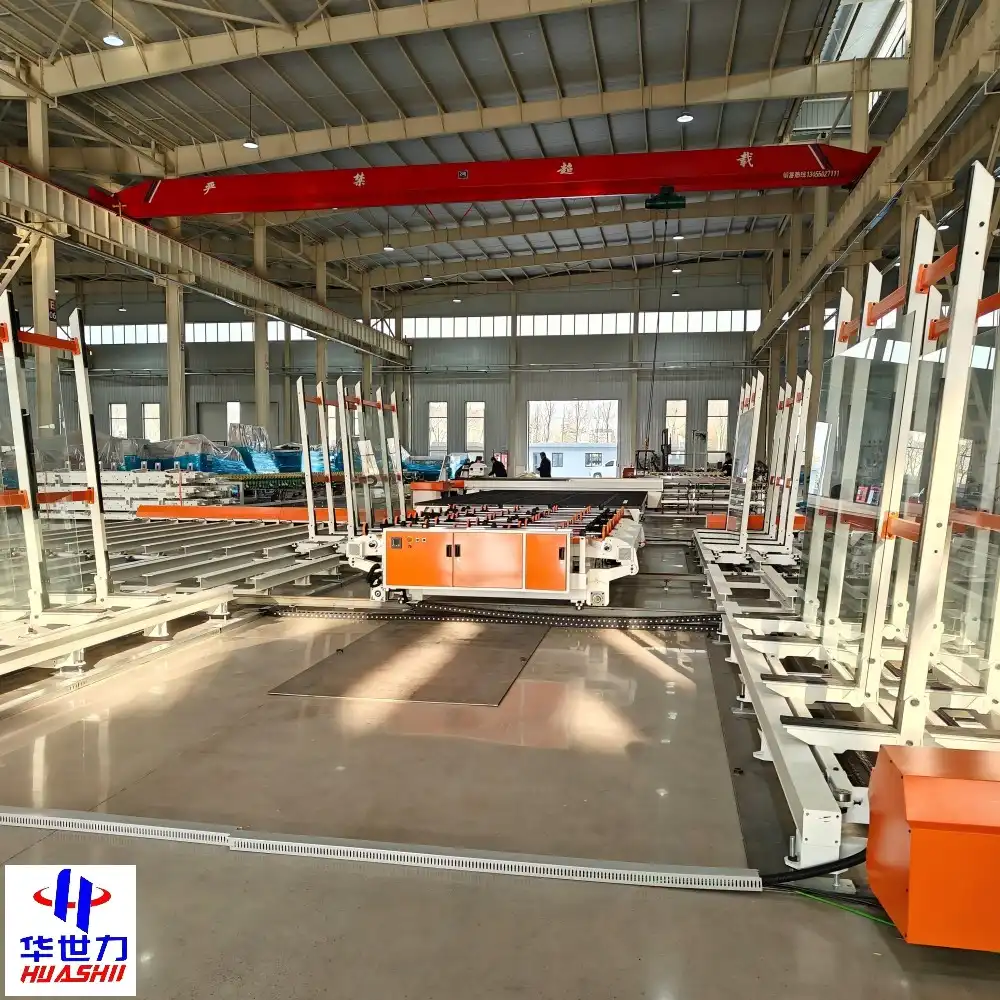
To successfully buy automatic glass loading machines, you need to work with reputable, qualified makers and authorized dealers who can guarantee the validity of the products and provide excellent customer service. Choosing the right provider reduces risks and makes sure you have access to technical help and a wide range of services.
Supplier Selection and Evaluation
To find reliable providers, you need to check their manufacturing certifications, quality control systems, and compliance with international standards. Clear price structures should include thorough breakdowns of how much the technology costs, how much it costs to install, and how much training is needed. When you buy in bulk, you can save money and get a quote that fits your needs. This gives you options for both large-scale implementations and specific uses.
For foreign deals, payment terms often include ways to make deposits and set up letters of credit. These financial tools protect both buyers and sellers and make it easier for businesses to work together on global markets.
Logistics and Installation Management
Shipping rules have to take into account the size and weight of tools used to load glass, which means that special steps must be taken to move and handle it. Supervision during installation makes sure that everything is set up and tested correctly, and full help after the sale makes sure that the system is ready to use and that it works at its best.
Best practices in the supply chain help global B2B clients lower their risks and speed up the buying process in places where international trade is complicated. Planning cuts down on shipping delays and makes sure that new schedules don't affect current ones.
Conclusion
Automatic glass loading tools change the way float glass is made by making it safer, more efficient, and more uniform in terms of quality. The technology has real benefits, such as lower worker costs, higher throughput, and less damage to products. The best return on investment and long-term operating excellence are both ensured by careful selection, installation, and upkeep. When manufacturers choose automated loading solutions that meet their strategic goals and market needs, they need to carefully think about their unique needs, output goals, and integration needs.
FAQ
Q1: What glass sizes can automatic loading machines handle?
Modern automatic glass loading machines can handle glass pieces that are up to 3660mm x 2440mm and have a thickness of 3mm to 25mm, based on the model. The three grand arm design makes it possible to handle objects of this size range steadily while keeping the accuracy of the placement.
Q2: How long does installation and commissioning take?
Standard setups, which include setting up the mechanical parts, making electrical connections, and calibrating the system, usually take 5 to 7 days to install. Customized solutions might need more time for specific testing and merging steps.
Q3: What safety features are included in these machines?
Some of the standard safety features are emergency stop systems, light curtains around work areas, pressure tracking for vacuum systems, and procedures for automatic shutdown in case of a fault. These features meet safety rules and standards around the world.
Q4: Can the machines be integrated with existing production lines?
It is possible for automatic glass loading machines to work with a variety of control systems, transport networks, and quality tracking tools. Customization choices make sure that process integration goes smoothly without stopping what's already being done.
Q5: What training is required for operators?
Usually, training an operator takes two to three days and includes learning how to use the system, do simple repairs, and follow safety rules. People who work in repair get advanced training that includes how to fix problems and change parts.
Partner with HUASHIL for Advanced Glass Loading Solutions
HUASHIL gives you cutting-edge automatic glass loading machine technology that changes the way you can make float glass. Our solutions can be changed to fit your needs. They have a new three-grand arm design, precise air floating systems, and 360-degree movement to give you the most working options. As a top maker of automatic glass loading machines, we offer full support, from the first meeting to installation and ongoing upkeep. Get in touch with salescathy@sdhuashil.com to talk about your unique needs and get a quote that is tailored to your production needs.
References
1. International Glass Manufacturing Technologies Association. "Automation Standards for Float Glass Production Equipment." Industrial Glass Technology Review, 2023.
2. Smith, Robert J., and Chen, Wei Ming. "Efficiency Metrics in Automated Glass Handling Systems." Journal of Manufacturing Automation, Vol. 45, No. 3, 2023.
3. European Glass Technology Institute. "Safety Guidelines for Industrial Glass Loading Equipment." Glass Industry Safety Standards Manual, 2024.
4. Manufacturing Engineering Society. "ROI Analysis of Production Line Automation in Glass Manufacturing." Industrial Automation Quarterly, 2023.
5. Glass Industry Research Council. "Technological Advances in Float Glass Production Automation." Annual Technology Assessment Report, 2024.
6. American Society of Manufacturing Engineers. "Best Practices for Glass Handling Equipment Selection and Implementation." Manufacturing Technology Handbook, 2023.
