




When setting up an automatic glass cutting assembly line, you need to think carefully about how much can be made, how the area is organized, and how the operations will run. Modern automatic systems, like the HSL-LSX4228 model, have high-tech cutting tables, loading stations, and breaking devices that make the process of working with glass as efficient as possible. These assembly lines use advanced optimization software, precise rail systems, and automatic handling arms to get the most work done while keeping quality standards high for uses that make architectural glass, curtain walls, and furniture.
Understanding Modern Glass Processing Automation
Glass factories are under more and more pressure to boost output while lowering the cost of labor. Automated cutting systems turn tasks that used to be done by hand into more efficient production processes. These high-tech tools can work with different kinds of glass, from regular building panels to special fused stone materials.
Plant managers know that investment in automation technology pays off in the form of less trash, more accurate cuts, and safer working conditions for all employees. When engineering teams look at these systems, they judge how well they can work with current production infrastructure and how much space they can add for future growth.
The move toward automation is in line with larger industry trends that stress smart production. Production leaders look for solutions that are both reliable and adaptable so that their facilities can quickly change to meet the needs of the market as it changes. Modern systems for cutting glass meet these needs with smart control systems and flexible designs.
Essential Components of Cutting Assembly Lines
Loading Table Systems
In automated production lines, loading tables are the building blocks for moving materials quickly and easily within the Automatic Glass Cutting Assembly Line. These bases can hold glass sheets up to 4200 x 2800 mm and offer stable support while moving and placing them. For smooth material movement and less stress on glass surfaces, pneumatic lifting devices are used.
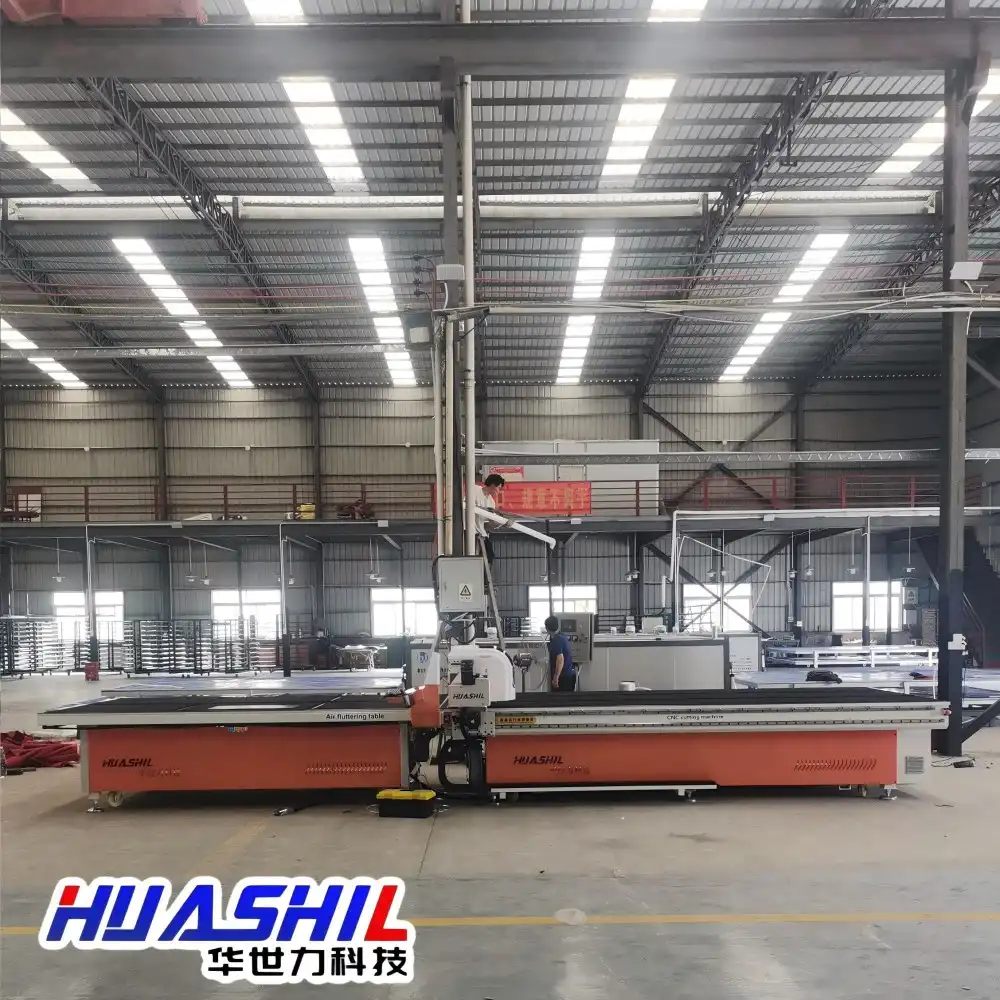
A lot of high-tech filling systems use vacuum technology to keep glass panels in place without scratching the surface. You can set up these tables so that they can work with glass of different sizes, from thin art glass to thick building glass. Safety features keep an eye on where the materials are put to avoid accidents that cost a lot of money during automatic handling sequences.
Using high cranes and material handling systems together keeps the workflow smooth. When production teams don't have to move as much, they are less likely to get hurt on the job and can get more done more regularly. Most of the time, these tables have support points that can be changed to fit glasses of different sizes.
Cutting Table Technology
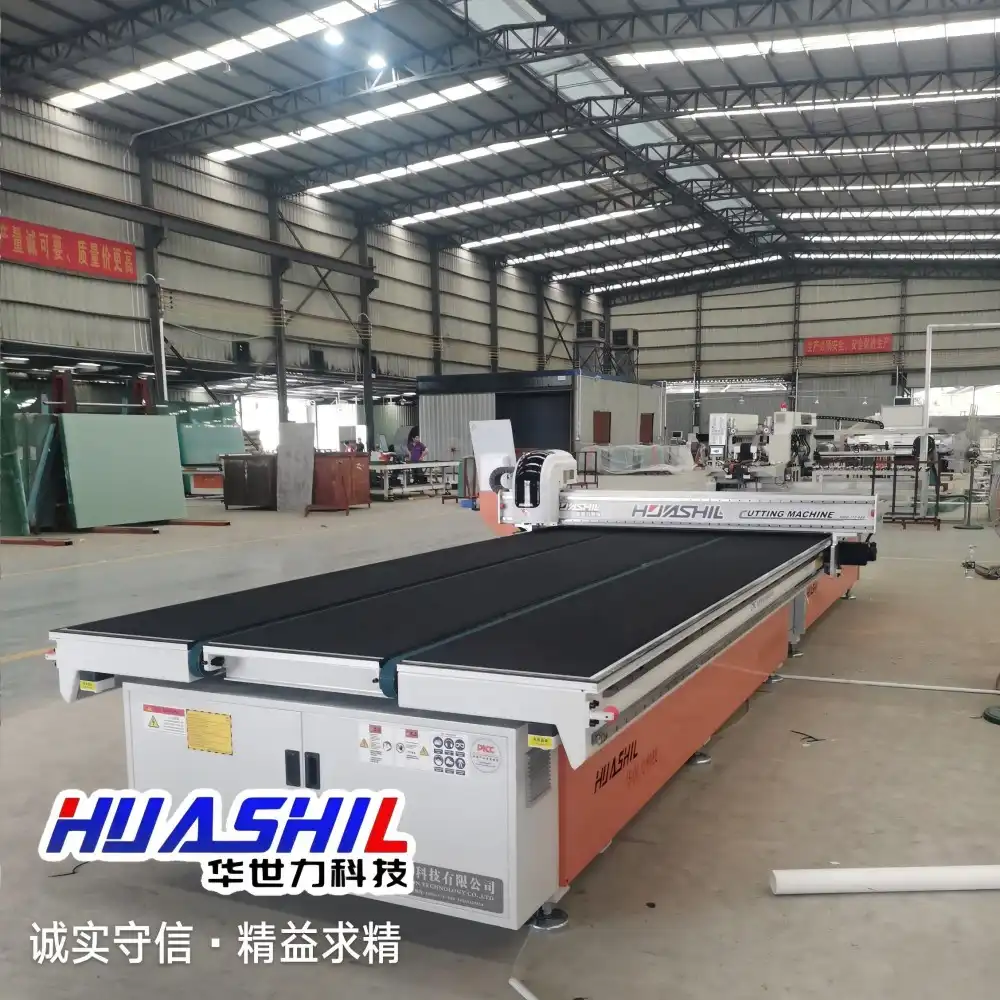
The most important part of any automatic glass production device is the precision cutting machine. Cutting accuracy of within ±0.1 mm is possible with these platforms because they combine CNC machines with high-tech tracking systems. Servo-controlled drive systems move the high-speed cutting heads across the table surface so that the action is always accurate.
Temperature-controlled work areas stop problems with heat growth that could affect the accuracy of cutting. During long production runs, integrated cooling systems keep the machines running at their best temperatures. Cutting tables can hold a variety of tool setups, which makes it easy to switch quickly between types of glass or cutting patterns.
Quality control is done in real time by vision systems that are placed above cutting tables. During the cutting process, computer vision programs find problems with the edges, the surface, and the differences in the sizes of the pieces. This instant feedback lets changes happen automatically, keeping the quality of the product high without any help from a person.
Breaking Table Operations
Breaking tables finish the cutting process by putting controlled force on the score lines that were made during the cutting. Pneumatic devices precisely apply braking forces to glass panels while holding them to avoid breaking accidentally. These tables have broken bars that can be adjusted to fit different sizes of glass and different cutting patterns.
Automated breaking processes get rid of the risks that come with handling glass by hand, which is what traditional ways do. Touchscreen displays let operators set braking factors and store settings for different product requirements. Safety barriers hold broken glass pieces while they are being broken, saving people nearby.
Before moving materials to the next processing station, quality control monitors make sure that the brakes worked properly. Rejected pieces are instantly sent to places where trash is collected, which keeps the production flow going. Breaking tables often works with edge cleaning devices to automate the whole process.
Optimizing Production with Optima Software
With the help of Optima software, raw production data can be turned into insights that can be used to make wholesale glass machining more efficient. To get the most out of materials, this smart tool looks at product plans, cutting patterns, and how they are used. These analytics help plant managers figure out what's wrong and fix it.
You can see details about production success right away when you can watch in real time. Tech teams can see how tools are being used, when they need to be repaired, and quality trends on screens that are easy to use. Predictive maintenance tools let you know ahead of time when a machine will need service. This keeps you from having to shut down without warning.
The software has improvement tools that set up cutting patterns instantly so that they make the least amount of waste. This feature is helpful when working with unique glass materials that are pricey. Scheduling experts can make models of different possible cases to figure out the best ways to set up workflows.
Integration with corporate resource planning tools makes it possible for business and production processes to share data without any problems. When the amount of a material hits a certain point, it automatically sends a warning to the procurement manager. Finance teams have access to correct data on production costs so they can make smart choices.
Rail System Configuration and Station Setup
Above-ground and underground rail configurations offer distinct advantages depending on facility layouts and operational requirements. Above-ground systems provide easier maintenance access and simplified installation procedures. Underground installations maximize floor space utilization while creating cleaner work environments.
The 2+2 station configuration enables parallel processing capabilities, effectively doubling production capacity compared to single-line systems. Each station operates independently, allowing different product types to be processed simultaneously. This flexibility proves invaluable for facilities serving diverse market segments.
Rail system redundancy ensures continued operation even during maintenance activities on individual tracks. Automated guided vehicles traverse these rails, transporting materials between processing stations without manual intervention. Load balancing algorithms distribute work evenly across available stations.
Station-specific configurations accommodate varying production requirements. Glass furniture manufacturers might configure stations for smaller panel sizes, while curtain wall fabricators focus on large architectural glass processing. This adaptability extends equipment lifespan and maximizes return on investment.
Robotic Handling: Four-Arm Configuration Benefits
Each processing station incorporates four robotic arms designed for specific handling tasks. This configuration provides redundancy and specialization, with arms dedicated to loading, positioning, supporting, and unloading operations. Collaborative robots work safely alongside human operators, combining automation efficiency with human flexibility.
Precision gripping systems accommodate various glass surface textures and coatings without causing damage. Force feedback sensors prevent excessive gripping pressure that could stress glass panels. These arms can be programmed for different handling sequences depending on product specifications.
The four-arm design enables complex manipulation tasks that would be impossible with fewer robotic elements. Glass panels can be rotated, flipped, and positioned with millimeter accuracy. This capability proves essential for producing complex architectural glazing systems requiring precise edge alignments.
Safety systems monitor robotic operations continuously, immediately stopping motion if unexpected obstacles are detected. Emergency stop controls are positioned throughout the work area for immediate operator access. Light curtains and pressure-sensitive floor mats provide additional protection layers.
Maximum Glass Size Capabilities: 4200×2800 mm Processing
Large format glass processing, including wholesale glass machining, represents a significant competitive advantage for architectural glass manufacturers. The 4200×2800 mm capacity accommodates most standard building glazing requirements while providing flexibility for oversized applications. This capability eliminates the need for field assembly of smaller panels, reducing installation costs and improving aesthetic continuity.
Handling systems for large glass panels require sophisticated engineering to prevent deflection and breakage. Support mechanisms distribute panel weight evenly across multiple contact points. Vacuum handling systems provide a secure grip without surface marking or stress concentration.
Transportation of large panels between processing stations demands careful coordination between robotic systems and material handling equipment. Automated guided vehicles incorporate specialized cradles designed for oversized glass transport. These systems maintain panel orientation and prevent vibration-induced stress during movement.
Quality control becomes increasingly critical with larger glass sizes due to higher material costs and replacement complexity. Automated inspection systems scan entire panel surfaces for defects, measuring dimensional accuracy across multiple points. Rejected panels are flagged for manual review before disposal decisions.
Implementation Strategies for Different Industries
Architectural Glass Fabrication
Architectural glass plants require production lines optimized for high-volume, standardized products. These facilities benefit from automation systems configured for rapid changeovers between different panel sizes and specifications. Integration with building information modeling systems enables direct transfer of project specifications to cutting systems.
Quality requirements for architectural applications demand consistent edge finishing and dimensional accuracy. Automated systems excel in maintaining these standards across large production runs. Traceability systems track individual panels from cutting through installation, supporting warranty requirements and quality audits.
Curtain Wall System Integration
Curtain wall manufacturers often require customized processing capabilities for complex geometric shapes and specialized glazing systems. Flexible automation systems accommodate these requirements through programmable cutting patterns and adjustable handling configurations. Project-based production scheduling integrates with automated systems to ensure timely delivery.
Technical documentation requirements for curtain wall projects benefit from automated data collection during processing. Each panel's cutting parameters, quality measurements, and handling history are recorded for project documentation. This information supports commissioning activities and long-term performance monitoring.
Furniture and Interior Applications
Furniture manufacturers typically process smaller glass volumes with greater variety in shapes and edge finishing requirements. Automated systems configured for these applications emphasize flexibility over raw throughput. Quick changeover capabilities enable economic production of small batch sizes.
Edge polishing automation becomes particularly important for furniture applications where aesthetic quality directly impacts product value. Integrated polishing stations can be incorporated into cutting lines to provide complete processing capabilities. Quality control systems verify edge finish consistency and surface clarity.
ROI Analysis and Investment Planning
Capital equipment investments require thorough financial analysis considering both direct cost savings and productivity improvements. Labor cost reduction typically represents the most significant benefit, with an Automatic Glass Cutting Assembly Line requiring 60-70% fewer operators than manual cutting operations. Reduced worker compensation insurance costs provide additional savings.
Material waste reduction through optimized cutting patterns can generate substantial savings for facilities processing expensive glass types. Typical waste reduction ranges from 15% to 25% compared to manual cutting operations. This improvement alone can justify automation investment for high-volume producers.
Productivity improvements enable facilities to accept larger orders or expand into new markets without proportional increases in labor costs. Production capacity typically increases 200-300% when transitioning from manual to automated cutting systems. This expansion capability supports business growth strategies.
Quality improvements reduce rework costs and customer complaints, protecting brand reputation and customer relationships. Automated systems achieve dimensional tolerances impossible with manual cutting methods. Consistent quality enables premium pricing for superior products.
Maintenance and Support Considerations
Preventive maintenance programs ensure optimal performance and extend equipment lifespan. Automated systems generate maintenance alerts based on operating hours, cycle counts, and performance metrics. Scheduled maintenance minimizes unexpected downtime while optimizing spare parts inventory.
Remote diagnostic capabilities enable equipment suppliers to provide rapid troubleshooting support without on-site visits. Network connectivity allows real-time monitoring of system performance and immediate identification of developing issues. This support model reduces downtime and maintenance costs.
Spare parts availability represents a critical factor in equipment selection decisions. Established manufacturers maintain comprehensive parts inventories and provide guaranteed availability commitments. Local service support ensures rapid response for urgent repair needs.
Training programs ensure operators and maintenance personnel can maximize system capabilities. Hands-on training at supplier facilities provides a comprehensive understanding of system operation and troubleshooting procedures. Ongoing support includes software updates and process optimization assistance.
Conclusion
Implementing an automatic glass cutting assembly line is a strategic step toward higher efficiency, consistent quality, and long-term competitiveness in modern glass manufacturing. By integrating advanced cutting tables, intelligent rail systems, robotic handling, and optimization software such as Optima, manufacturers can significantly reduce labor dependence, material waste, and operational risks. Systems like the HSL-LSX4228 demonstrate how flexible configurations and large-format processing capabilities can support diverse applications, from architectural glass to furniture production. With the right planning, investment analysis, and technology partner, automated glass cutting lines become not just equipment upgrades, but scalable foundations for sustainable industrial growth.
Partner with HUASHIL for Your Automated Solution
HUASHIL delivers proven expertise in automated glass processing technology, combining innovative engineering with reliable manufacturing quality. Our comprehensive support includes detailed technical specifications, installation guidance, and ongoing maintenance programs tailored to your operational requirements. Contact our team at salescathy@sdhuashil.com to discuss your Automatic Glass Cutting Assembly Line supplier needs and receive customized configuration recommendations.
References
1. Johnson, M. & Anderson, P. (2023). "Advanced Glass Processing Technologies: Automation Trends in Architectural Manufacturing." International Journal of Glass Manufacturing Technology, Vol. 15, pp. 234-251.
2. Chen, L. et al. (2022). "Robotic Integration in Glass Cutting Systems: Performance Analysis and Optimization Strategies." Industrial Automation Review, Vol. 8, Issue 3, pp. 112-128.
3. Williams, R. (2023). "Economic Impact of Automated Glass Processing Lines in Commercial Manufacturing." Manufacturing Technology Quarterly, Vol. 29, pp. 67-84.
4. Thompson, K. & Davis, S. (2022). "Precision Cutting Technologies for Architectural Glass Applications: A Comparative Study." Glass Industry Technical Journal, Vol. 41, pp. 145-162.
5. Martinez, A. (2023). "Smart Manufacturing Implementation in Glass Processing Facilities: Case Studies and Best Practices." Automation Engineering Today, Vol. 12, pp. 89-106.
6. Brown, J. & Lee, H. (2022). "Quality Control Systems in Automated Glass Manufacturing: Integration Strategies and Performance Metrics." Industrial Quality Management, Vol. 18, pp. 203-220.
