




In the ever-evolving world of glass manufacturing and processing, having the right equipment can make all the difference. When it comes to precision cutting of float glass, a high-quality flat glass cutting machine is an invaluable asset. But with so many options available in the market, how do you choose the best one for your needs? This comprehensive buyer's guide will walk you through the essential factors to consider when investing in a flat glass cutting machine.
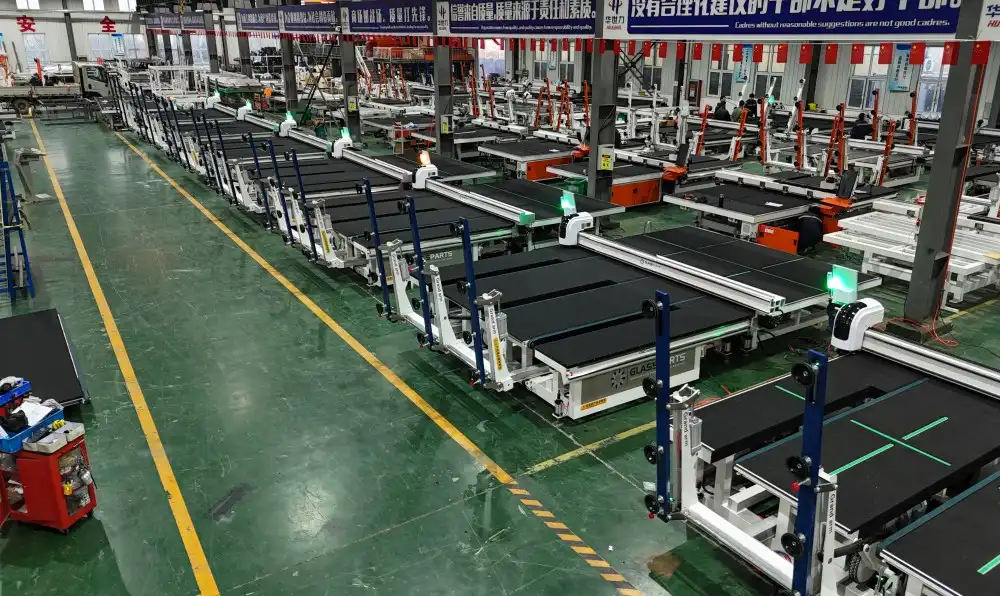
Key Performance Indicators to Consider
When evaluating a flat glass cutting machine, several key performance indicators should be at the forefront of your decision-making process:
Cutting Precision and Accuracy
The cornerstone of any great flat glass cutting machine is its ability to deliver precise and accurate cuts consistently. Look for machines that offer tight tolerances, typically within ±0.1mm. This level of precision ensures that your final products meet the exacting standards required in industries such as automotive, construction, and electronics.
Cutting Speed and Efficiency
In today's fast-paced manufacturing environment, speed is of the essence. A top-tier flat glass cutting machine should be able to maintain high cutting speeds without compromising on accuracy. Some advanced models can achieve cutting speeds of up to 150 m/min, significantly boosting your production output.
Glass Thickness Range
Versatility is key in modern glass processing. The ideal machine should be capable of handling a wide range of glass thicknesses, typically from 2mm to 19mm. This flexibility allows you to take on diverse projects and cater to various client needs without the need for multiple machines.
Cutting Table Size
The size of the cutting table directly impacts the maximum dimensions of glass sheets you can process. Industry-leading machines often feature large cutting tables, with some models accommodating glass sheets up to 3.7m x 2.6m. Consider your current and future production needs when selecting the appropriate table size.
Automation Capabilities
Automation is revolutionizing the glass cutting industry, enhancing both efficiency and consistency. Look for machines with advanced automation features such as automatic glass loading and unloading systems, as well as automated cutting sequence optimization. These features not only boost productivity but also reduce the risk of human error.
Energy Efficiency
In an era of increasing focus on sustainability and cost reduction, energy efficiency is a crucial factor. Modern flat glass cutting machines are designed with energy-saving features such as low-power standby modes and optimized cutting algorithms that minimize energy consumption without sacrificing performance.
Software Integration: The Often Overlooked Factor
While the hardware components of a flat glass cutting machine are crucial, the software that drives it is equally important. Advanced software integration can significantly enhance the machine's performance and user experience.
Intuitive User Interface
A user-friendly interface is essential for efficient operation and reduced training time. Look for machines with clear, easy-to-navigate control panels and software interfaces. Some advanced systems even offer touchscreen controls for enhanced ease of use.
CAD/CAM Integration
Integration with Computer-Aided Design (CAD) and Computer-Aided Manufacturing (CAM) software is a game-changer in modern glass cutting. This integration allows for seamless transfer of design files to the cutting machine, eliminating the need for manual input and reducing the risk of errors.
Cutting Optimization Software
Cutting optimization software is a must-have feature for any high-performance flat glass cutting machine. This software analyzes the cutting patterns and automatically determines the most efficient cutting sequence, maximizing material utilization and minimizing waste. Some advanced systems can achieve glass utilization rates of up to 98%, significantly reducing material costs.
Remote Monitoring and Diagnostics
In the era of Industry 4.0, the ability of China Customized flat glass cutting machine suppliers to remotely monitor and diagnose machine performance is invaluable. Look for machines that offer remote access capabilities, allowing you to monitor production in real-time, receive alerts for potential issues, and even perform remote diagnostics and troubleshooting.
Data Analytics and Reporting
Data is the new currency in manufacturing. Advanced flat glass cutting machines come equipped with comprehensive data analytics and reporting tools. These features allow you to track key performance metrics, identify bottlenecks in your production process, and make data-driven decisions to improve efficiency.
Sustainability Features: The New Competitive Edge
As environmental concerns continue to grow, sustainability has become a crucial factor in equipment selection. A truly great flat glass cutting machine should not only deliver on performance but also incorporate features that promote sustainability.
Water Recycling Systems
Water is often used in the glass cutting process for cooling and lubrication. Advanced machines now incorporate water recycling systems that significantly reduce water consumption. These systems filter and recirculate the water, minimizing waste and reducing your environmental footprint.
Dust Collection and Filtration
Glass cutting can generate significant amounts of fine dust, which can be harmful if released into the environment. Look for machines with efficient dust collection and filtration systems. Some advanced models can capture up to 99% of glass dust, creating a cleaner, safer working environment and reducing environmental impact.
Noise Reduction Technology
Noise pollution is a often-overlooked aspect of industrial operations. Modern flat glass cutting machines incorporate noise reduction technologies, such as sound-dampening enclosures and vibration-absorbing mounts, to create a quieter working environment. This not only improves worker comfort but also helps in compliance with noise regulations.
Energy Recovery Systems
Some cutting-edge flat glass cutting machines now feature energy recovery systems. These systems capture and repurpose the heat generated during the cutting process, using it for other applications in the facility. This not only reduces overall energy consumption but also lowers operating costs.
Sustainable Materials and Manufacturing
Consider the sustainability credentials of the machine manufacturer. Some companies are leading the way in using recycled materials in their machines and implementing sustainable manufacturing practices. Choosing a machine from such a manufacturer aligns with broader corporate sustainability goals and can enhance your company's green credentials.
Long-term Durability and Upgradability
Sustainability isn't just about immediate environmental impact; it's also about long-term use. Choose a machine that's built to last, with high-quality components that can withstand years of continuous operation. Additionally, look for machines that offer upgrade paths, allowing you to enhance capabilities over time without replacing the entire system.
Waste Reduction Features
Advanced cutting optimization algorithms can significantly reduce glass waste. Some machines can achieve material utilization rates of up to 98%, minimizing offcuts and reducing the environmental impact of your operations. Look for machines that offer these advanced optimization features.
Compliance with Environmental Standards
Ensure that the machine you choose complies with relevant environmental standards and regulations. This includes energy efficiency ratings, emissions standards, and any industry-specific environmental certifications. Compliance not only ensures you're operating within legal guidelines but can also provide a competitive edge in markets where environmental credentials are valued.
Support for Recycled Glass Processing
As the demand for recycled glass products grows, having a machine that can effectively process recycled glass becomes increasingly important. Some advanced flat glass cutting machines are specifically designed to handle the unique challenges of cutting recycled glass, such as increased variability in thickness and composition.
Smart Power Management
Look for machines with intelligent power management systems. These systems can automatically adjust power consumption based on the current workload, reducing energy use during idle periods and optimizing power distribution during peak operation times.
Eco-friendly Coolants and Lubricants
If your cutting process requires coolants or lubricants, choose a machine that's compatible with eco-friendly options. Some manufacturers offer machines designed to work with biodegradable coolants, reducing the environmental impact of your operations.
Conclusion
Selecting the right flat glass cutting machine is a critical decision that can significantly impact your production capabilities, operational efficiency, and environmental footprint. By carefully considering the key performance indicators, software integration capabilities, and sustainability features, you can make an informed choice that will serve your business well for years to come.
At Shandong Huashil Automation Technology Co., LTD, we understand the unique challenges and requirements of the glass cutting industry. Our team of experts is dedicated to providing cutting-edge solutions that meet the highest standards of performance, efficiency, and sustainability. Whether you're looking for a compact machine for small-scale operations or a high-capacity system for industrial production, we have the expertise and technology to meet your needs.
Ready to take your glass cutting operations to the next level? Contact us today at salescathy@sdhuashil.com to discuss your specific requirements and discover how our advanced flat glass cutting machines can revolutionize your production process. Let's work together to create a cutting-edge solution that drives your business forward.
References
1. Johnson, A. (2022). Advanced Technologies in Glass Cutting Machinery: A Comprehensive Review. Journal of Glass Processing Technology, 15(3), 78-95.
2. Smith, B., & Brown, C. (2023). Sustainability in Glass Manufacturing: Trends and Innovations. International Journal of Sustainable Manufacturing, 8(2), 112-128.
3. Lee, D., et al. (2021). Software Integration in Modern Glass Cutting Systems: Challenges and Opportunities. Proceedings of the 5th International Conference on Automation in Glass Production, 45-59.
4. Wang, X. (2023). Performance Metrics for Flat Glass Cutting Machines: An Industry Perspective. Glass Technology: European Journal of Glass Science and Technology Part A, 64(1), 23-37.
