




When buying managers and production leaders look at investments in manufacturing equipment, they need to know how much a glass cutting assembly line costs. The overall investment includes a lot more than just the initial buy price. It includes things like the level of automation, the production capacity, the costs of installation, and the costs of running the machine in the long term. These combined systems are necessary for making building glass, curtain walls, and furniture. However, they are also big investments that need careful consideration of both immediate and long-term costs to get the best return on investment.
Overview of Glass Cutting Assembly Lines and Cost Influences
Modern glass processing plants depend on complex automated systems to cut big sheets of glass into perfectly cut parts that can be used in many situations. There are many stations on these production lines that are all linked to each other. These stations include loading tables, cutting platforms, and breaking systems. The advanced control software coordinates all of these stations to ensure consistent quality and output.
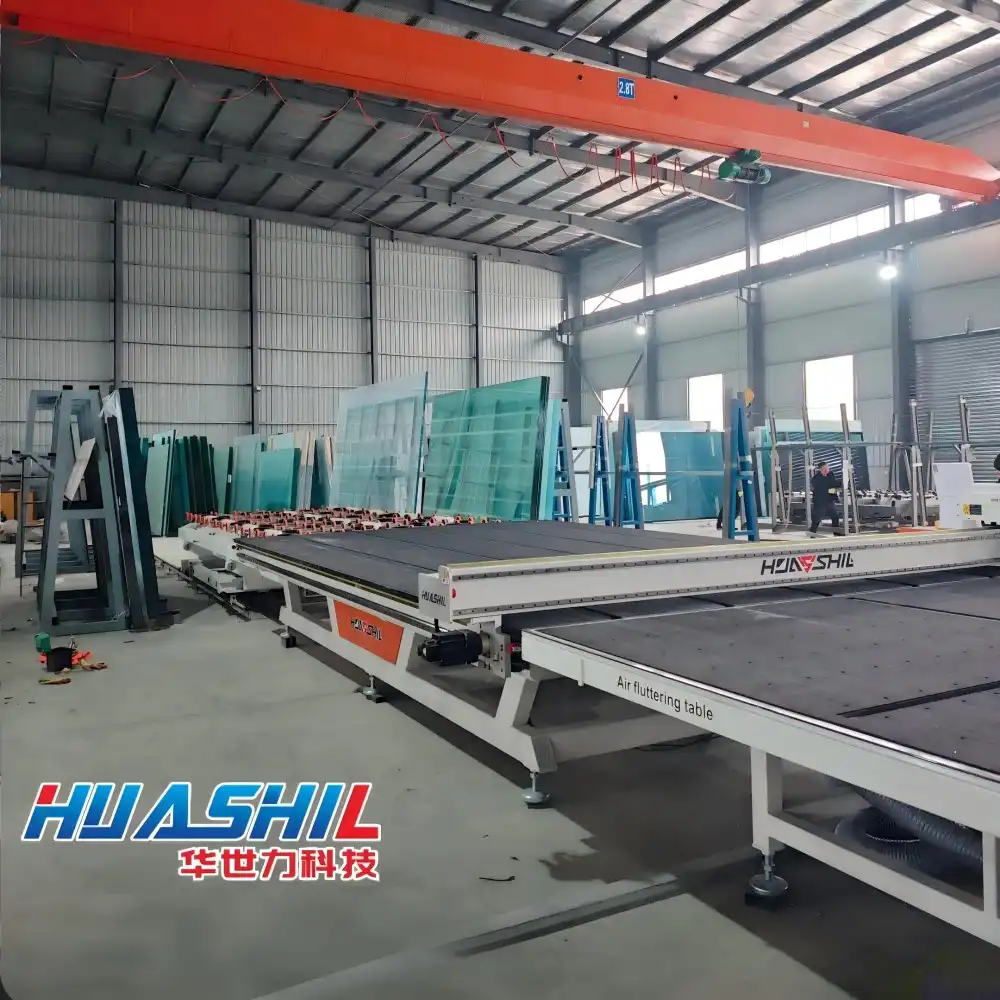
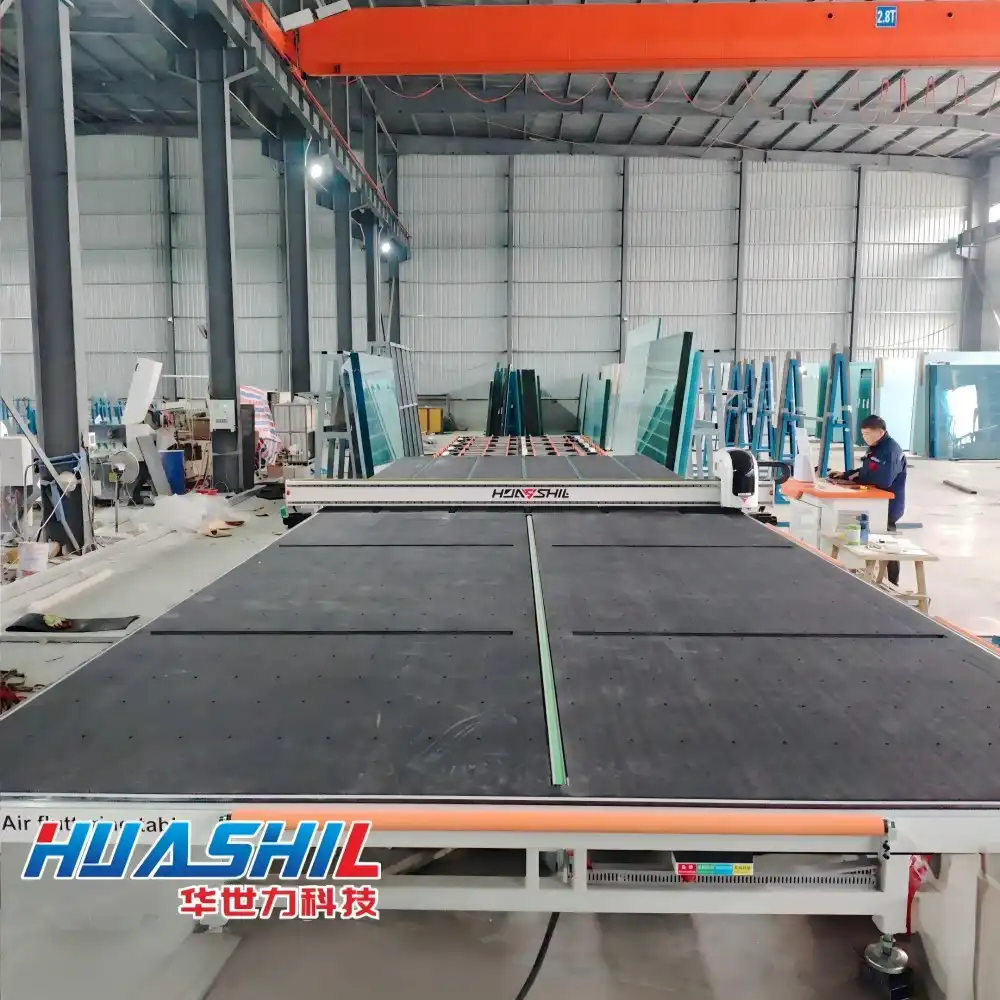
These systems range a lot in terms of how advanced their technology is. For example, simple hand processes require very little initial investment but can only make so much. Advanced automated systems, like the HSL-LSX3829 model, use optimization tools like Optima to get the most out of the materials they use and lose as little as possible. These systems have either above-ground or underground rail setups with 2+2 stations that can be set up in different ways. This lets producers change the production flow to meet the needs of their operations.
The way prices are set in the glassmaking business is greatly affected by changes in the market. The prices of raw materials for precise parts like specialty cutting heads and control systems change depending on the state of the global supply chain. Also, constant innovation is driven by how quickly technology is changing. For example, newer systems have artificial intelligence and predictive maintenance features that cost more but make operations more efficient.
The general cost of the glass cutting assembly line system is also affected by how hard it is to integrate. For the best process coordination, modern production lines must be able to easily connect to current enterprise resource planning (ERP) and manufacturing execution systems (MES) platforms. Because of this need for connections, extra software licenses and customization costs often come up, which affect the overall project budget.
Core Factors Affecting the Cost of a Glass Cutting Assembly Line
The main thing that determines the price of glass cutting systems is the level of automation. Fully automated lines require much larger original investments than semi-automated or human options. Advanced systems have complex ways of handling things, like many grand arms on each side for exact glass movement, so they can work without any help from a person.
How much production capacity is needed is directly related to how complicated and expensive the system is. For high-throughput processes, you need strong mechanical parts that can handle big glass sizes, like the largest 3660x2800mm sizes that luxury systems can handle. Because of these requirements, heavy-duty structural frameworks, precise drive systems, and specialized handling tools are needed. This makes the initial cost of buying higher and the installation process more difficult.
Quality standards have a big effect on the choice of tools and the costs that come with them. Advanced cutting technologies and real-time quality tracking systems are needed for applications that need very precise cutting and high-quality edges, like making building glass or cars with the glass cutting assembly line. Because of the need for accuracy, parts are more expensive and control methods are more complex, which means that more money needs to be spent.
Standard setups are very expensive because they need to be customized. A lot of makers need specific features, like loading mechanisms that aren't found anywhere else, custom software interfaces, or the ability to work with their current production equipment. Because of the extra time needed for engineering design, special parts, and longer production wait times, these changes make the project more expensive than the normal price of the product.
One more important cost factor is the choice between standardized and designed options. Standard production lines work well and are priced reasonably. Custom-engineered systems work best with current workflows but need a lot of money to be spent on development and take longer to deliver.
Additional Cost Drivers: Installation, Maintenance, and Safety
Professional installation and testing services make up a big part of the total cost of the project. For complex automatic systems, they can make up 15 to 25 percent of the equipment's value. To make sure everything works perfectly, skilled techs have to adjust precise parts, connect control systems, and do a lot of testing. Usually, this process takes a few weeks to finish a production line. During that time, setting up the building and connecting utilities costs extra money.
Total cost of ownership estimates are greatly affected by the need for ongoing upkeep. As part of preventive maintenance programs, which are necessary to keep systems accurate and reliable, parts are regularly replaced, calibrations are checked, and software is updated. Even though they cost more to buy at first, advanced predictive maintenance technologies can save money in the long run by avoiding unexpected breakdowns and making the best use of maintenance scheduling.
Compliance with safety rules is an unavoidable cost that changes based on place and application needs. Installations in the US, including glass cutting assembly line setups, must meet OSHA standards, which require full safety systems with emergency stops, light shades, and the right kind of guarding. Even though these safety investments raise the original cost, they protect workers throughout the system's operation and avoid possible liability problems.
Even though they cost more up front, comprehensive after-sales support packages that include expert help, access to spare parts, and warranty coverage add real value. Reliable technical help keeps production running smoothly and gets problems fixed quickly. This is especially important for manufacturing operations that make a lot of things, because downtime hurts profits.
Additional costs like training needs for operational and repair staff are often forgotten when making the original budget plan. Comprehensive user training makes sure that the system is used to its fullest potential and lowers the risk of damage to equipment from wrong operation. Maintenance training builds up in-house technical skills that lower the cost of ongoing service.
Choosing the Right Glass Cutting Assembly Line: Cost vs Value
When choosing strategic tools, it's important to look at the total cost of ownership as well as the initial buy price. Budget-friendly options may have low prices up front, but they usually have higher ongoing costs because they need more workers, use more energy, or need to be maintained more often. On the other hand, premium systems usually offer better long-term value through higher output, lower running costs, and longer service life.
As electricity costs keep going up and environmental rules get stricter, thinking about how to save energy has become more important. Instead of using a lot of power, newer glass cutting systems have motors that use less energy, better cutting patterns, and idle modes that use very little power. These improvements in efficiency usually make up for higher original investments by saving money on running costs over the life of the equipment.
Scalability features let makers change the amount of goods they can make based on what the market needs without having to rebuild the whole system. Modular designs let you add small amounts of capacity over time, and software setups that are easy to change can meet a wide range of product needs. This ability to adapt lowers the chance that equipment will become obsolete and saves the value of an investment over the long run.
The rate of technological progress in glass production tools, including glass cutting assembly line equipment, keeps speeding up, which makes future-proofing features very important. Systems with software systems that can be updated and hardware frameworks that can be expanded stay useful longer than rigid designs, even though they cost more at first.
Calculations of return on investment must take into account the higher quality, higher efficiency, and lower labor costs that can be achieved through technology. Many companies find that high-quality equipment pays for itself in 24 to 36 months by making their business more efficient and cutting down on costs, which makes the total cost of ownership better than they thought at first.
Strategic Procurement Tips for Glass Cutting Assembly Lines
When judging a manufacturer, it's important to look at their professional skills, name in the market, and ability to stay stable over time. When buying glass production equipment from established providers with a track record of success, you can be more sure that you will get ongoing help and parts when you need them. References from similar applications can tell you a lot about how well and how reliably something works in similar working situations.
Financing choices can make a project a lot more likely to succeed, especially for smaller producers who don't have a lot of cash on hand. A lot of companies that sell tools have flexible payment terms, lease agreements, or performance-based financing that changes payment schedules based on how much output goes up. These options give people access to cutting-edge technology without putting a strain on their cash flow during the time it takes to set up.
For multi-line installations or combined purchases across multiple sites, negotiating a bulk purchase may save you a lot of money. For big orders, suppliers often offer discounts, better guarantee terms, or extra services that make the total cost of the job lower.
Managing lead times is very important for projects that want to increase production, including glass cutting assembly line projects, because delays can affect customers' promises and the ability to make money. Early interaction with suppliers, clear specification development, and reasonable scheduling all help to make sure deliveries happen on time and keep project risks to a minimum.
Long-term ties with suppliers offer benefits that last after the original purchase of tools. Partnerships that are already in place make it easier to get technical help, chances to upgrade, and good terms for buying new tools in the future. Most of the time, these ties are worth more than small price benefits at first from unknown providers.
Conclusion
When procurement professionals understand the complex cost structure of glass cutting assembly lines, they can make choices that balance short-term budget needs with long-term working needs. Return on investment is calculated by adding up the total cost of buying technology, having it installed, keeping it in good shape, and running the business. The best value is achieved by carefully choosing the amount of automation, output capacity, and quality standards that meet the needs of the manufacturing process. To get long-term competitive benefits in glass processing, good buying strategies focus on figuring out the total cost of ownership, building relationships with suppliers, and making sure that technology roadmaps are aligned.
FAQ
Q1: What is the typical cost range for a complete glass cutting assembly line?
Depending on the level of automation, the amount of glass that needs to be cut, and the level of customization needed, full automatic glass cutting systems usually cost between $200,000 and $800,000. Standard semi-automated lines cost about $150,000, but high-end fully automated systems with lots of extras can cost more than $1 million. Putting in place, training, and operating tools usually add 20 to 30 percent to its price.
Q2: How long does installation and commissioning take for glass cutting equipment?
It takes two to four weeks to fully install and start up a standard glass cutting line, but six to eight weeks for a complex custom system. This schedule includes setting up the hardware, connecting the power, setting up the software, calibrating it, and teaching the user. If you prepare the building properly, installation time can be cut down by a large amount.
Q3: What ongoing maintenance costs should be expected?
For systems that are properly kept, yearly maintenance costs are usually between 8 and 12 percent of the original value of the equipment. This includes routine repair, replacing worn-out parts, calibration services, and software changes. Comprehensive service contracts may cost 15–18% a year, but they help with planning and setting priorities.
Q4: Are glass cutting assembly lines suitable for small production volumes?
Modern methods for cutting glass are very flexible and can handle small to medium amounts of work. Basic automated systems can quickly and easily handle 50 to 100 pieces per day, while high-capacity lines can handle 300 or more pieces per day. The key is to make sure that the system's capacity matches the real needs of production, rather than spending too much on capacity that isn't needed.
Q5: What factors determine the return on investment timeline?
ROI times are usually between 18 and 36 months, but they depend on how much money is saved on labor, how much more work gets done, and how much better the quality is. Higher levels of automation usually pay off faster because they take less work and make things run more smoothly. Payback times are usually faster for facilities that work multiple shifts or make high-value glass products.
Transform Your Glass Processing Operations with HUASHIL
To make smart choices about what to buy, you must first know how much the tools are really worth, not just how much it costs. HUASHIL's high-tech glass cutting assembly line solutions, like our tried-and-true HSL-LSX3829 model, provide unmatched accuracy and dependability for uses in building glass, car glass, and decorative glass. Our all-around method includes Optima optimization software, versatile rail layouts, and strong three-arm handling systems that can handle glass panels up to 3660x2800mm. Working with a reliable glass cutting assembly line maker who cares about your success is a big plus. Get in touch with our knowledgeable staff at salescathy@sdhuashil.com to talk about your unique needs and find out how our tried-and-true solutions can help you improve production efficiency while lowering your total cost of ownership.
References
1. Smith, J.R. "Industrial Glass Processing: Technology and Cost Analysis." Manufacturing Engineering Quarterly, vol. 45, no. 3, 2023, pp. 78-92.
2. Chen, L. and Rodriguez, M. "Automation ROI in Glass Manufacturing: A Comprehensive Study." Journal of Industrial Automation, vol. 28, no. 7, 2023, pp. 156-174.
3. Thompson, K.A. "Total Cost of Ownership Models for Glass Processing Equipment." Procurement Management Review, vol. 19, no. 2, 2023, pp. 34-48.
4. Williams, D.P. "Energy Efficiency in Modern Glass Cutting Systems." Sustainable Manufacturing Today, vol. 12, no. 4, 2023, pp. 112-125.
5. Anderson, R.J. "Safety Compliance and Cost Implications in Automated Glass Processing." Industrial Safety Engineering, vol. 31, no. 6, 2023, pp. 89-103.
6. Martinez, S.C. "Strategic Equipment Procurement in the Glass Industry." B2B Manufacturing Insights, vol. 22, no. 1, 2024, pp. 45-62.
