




Artistic glass edges made with round glass grinding machines are an important part of the manufacturing process that turns ordinary glass into high-quality building and artistic elements. These specialized machines use controlled sanding processes to finish edges precisely. They make smooth, polished surfaces that improve both the look and strength of the structure. Modern round glass grinding machine technology has changed the way artistic glass is made. It now makes it possible to keep quality high even when making a lot of glass, and it meets the strict safety standards needed in both business and home settings. Proper edge cutting is important for more than just how it looks; it has a direct effect on how long a product lasts and how safe it is for end users. Professional-grade grinding tools make sure that all runs of products are the same, which cuts down on waste and increases operating efficiency. For procurement workers who want to improve their glass handling operations and meet the needs of demanding markets, knowing what these tools can do and how they can be used is important.
Understanding Round Glass Grinding Machines and Their Applications
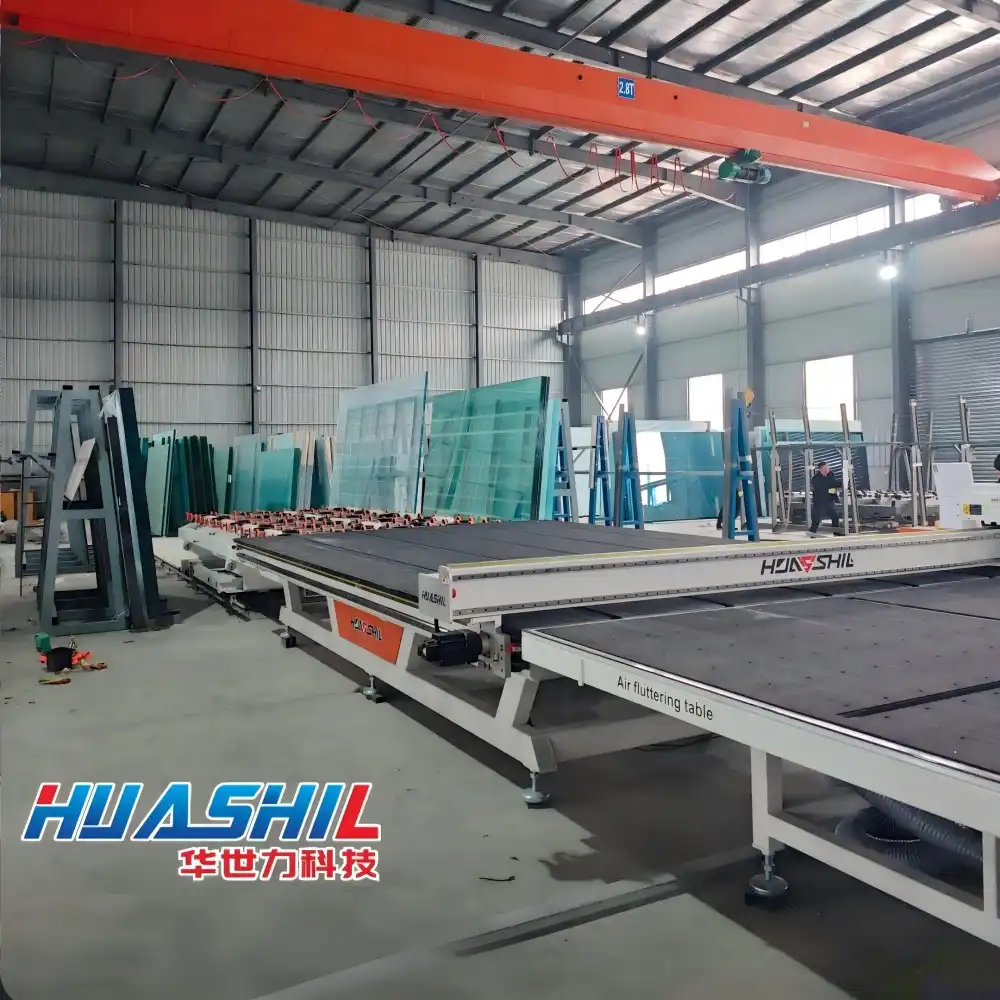
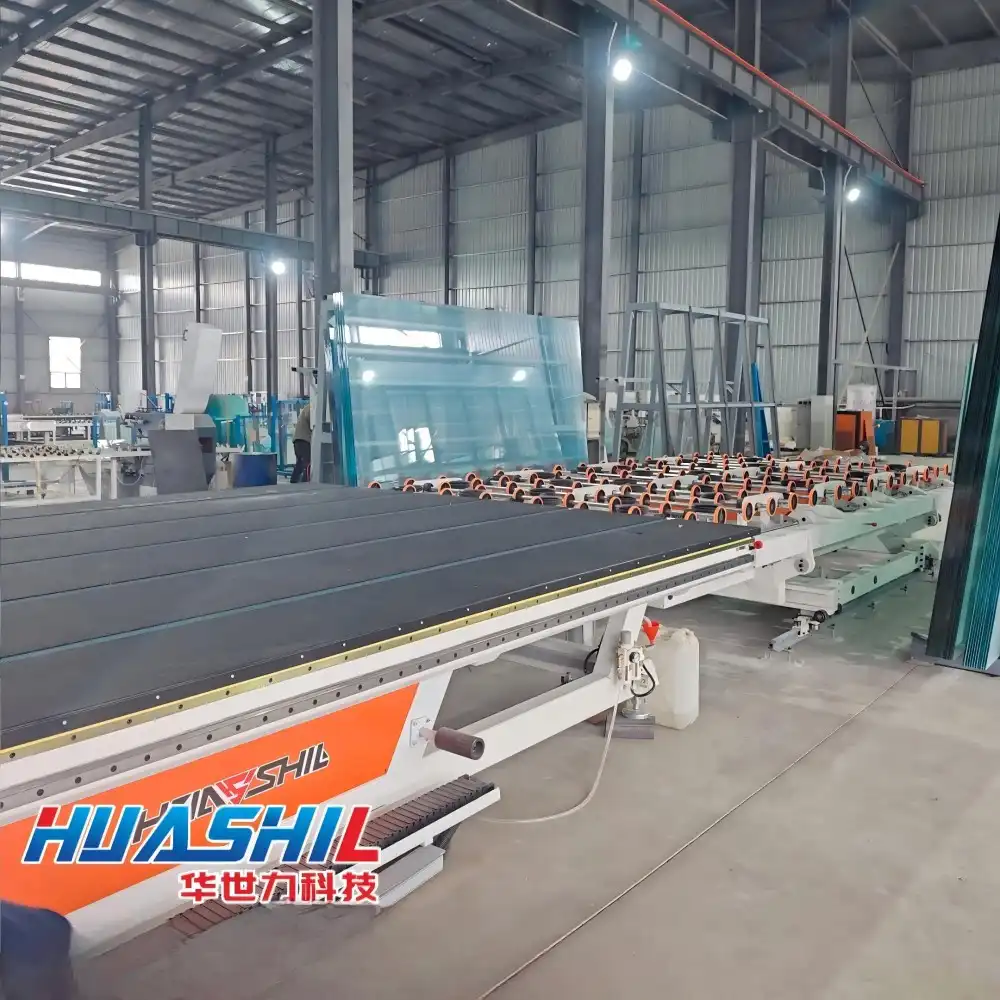
Machines that grind round glass use complex mechanical systems that are a mix of high-tech control technology and precise engineering. These machines have strong frames with spinning grinding wheels that are made to smooth out the edges of glass very accurately and consistently.
Core Components and Functionality
Modern round glass grinding machines have more than one grinding spot so that the surface quality is always the best. The standard setup has 1.6 grinding motors that power specialized grinding wheels that are placed in a planned way along the working path. Each side has three grinding wheels: one rough grinding wheel, one fine grinding wheel, and one finishing wheel. In some designs, one rough grinding wheel is paired with two fine grinding wheels to make the surface even smoother.
The encoder-controlled automatic opening and closing system is a big step forward in how efficiently things are run. This technology lets you make exact changes to the position of glass pieces with maximum opening sizes ranging from 0.2 meters to 1.5 meters. Servo motor technology controls the device that moves the material, making sure that it moves smoothly throughout the grinding process and that the working speeds stay the same.
Primary Applications Across Industries
Fabricating architectural glass is the main thing that these tools are used for. To meet building codes and visual standards, the edges of curtain wall systems, window installations, and decorative glass panels need to be finished very precisely. When it comes to windshields, side windows, and artistic glass trim parts for cars, the automobile industry counts on specialized grinding processes that put safety and accuracy first.
These tools are used to make glass countertops, cabinet doors, and divider systems by companies that make furniture and home decor. Manufacturers can keep up brand standards while cutting costs by making sure that the quality of the edges stays the same across production runs. Smart mirror production is a growing field where precise edge grinding is used to make sure that high-tech mirror setups fit and look good.
The Round Glass Edge Grinding Process: Step-By-Step Guide
Setting up the machine and getting the material ready are the first steps in the grinding process. Before starting production runs, operators must make sure that the wheels are properly aligned, that the cooling systems are working, and that safety rules have been followed.
Machine Setup and Safety Measures
The encoder-controlled placement system needs to be calibrated to fit certain glass measurements during the initial setup of the round glass grinding machine. The servo motor moving system needs to be adjusted based on the thickness of the material and the speed at which it needs to be processed. Safety rules include checking that the emergency stops work, that the guards are installed correctly, and that the cooling system works.
The type of grinding wheel you choose relies on the finish quality you want and the properties of the material. Rough grinding wheels get rid of extra material and set the basic shape of the edge. Fine grinding wheels smooth out the surface, and finishing wheels give it its final, nice look. The three-wheel design makes it possible to handle the edges completely in a single pass, which greatly increases the speed of production.
Operational Parameters and Quality Control
Depending on the thickness and strength of the glass, speed choices need to be carefully changed. Higher speeds make it easier to remove material, but if they aren't handled properly, they can hurt the quality of the surface. The automatic positioning system keeps the pressure the same along the whole length of the edge. This keeps the grinding from being uneven, which can happen with human methods.
Controlling temperature by using coolant correctly stops thermal stress that can lead to chipping or cracking at the edges. The cooling system also gets rid of grinding waste, which keeps the wheel working well and increases its life. Regularly checking these factors makes sure that the quality of the output stays the same and cuts down on the need for upkeep.
How to Choose the Best Round Glass Grinding Machine for Your Business?
To choose the right grinding tools, you need to carefully think about how much you need to produce, how good you want the results to be, and how much you can spend. The choice will have an effect on the long-term speed of operations and the uniformity of product quality.
Production Volume and Capacity Considerations
Fully automatic systems with servo motor conveying and encoder-controlled positioning are good for high-volume tasks. These features allow the machine to run continuously with little help from an operator, which increases output while keeping quality standards. Processing glass from 0.2 meters to 1.5 meters lets you make a wide range of products without having to set up different machines.
For smaller businesses, freedom and the ability to make changes may be more important than maximum output. Manufacturers can respond to changing market needs without having to spend a lot of money on new round glass grinding machines with changeable grinding setups. The three-wheel grinding device is very flexible and can meet a wide range of finish needs on a single base.
Technical Specifications and Performance Metrics
Motor power levels have a direct effect on how much work can be done and how much it costs to run. The combination of the 1.6 grinding motors gives enough power for most artistic glass tasks while still being energy-efficient. This amount of power makes sure that the machine works the same way with all types and sizes of glass without using too much electricity.
Features of automation have a big effect on worker prices and the consistency of production. Encoder-controlled systems make it easier to repeat tasks while lowering the level of skill needed by the user. Servo motor conveying makes sure that materials are moved smoothly, which lowers the number of breaks and increases the total efficiency of the equipment. These technological improvements make the higher original investment worth it because they lower operating costs and make products better.
Customization and Integration Options
These days, businesses often need equipment that is specially made for their needs. Customizable round glass grinding machine setups can be used to meet the needs of specific products or to work with current production lines. This freedom is especially helpful for companies that make goods for a lot of different market groups that have different quality and size needs.
Being able to connect upstream and downstream tools makes the production process run more smoothly and costs less to handle. When you can connect cutting systems, washing machines, and packing machines, you can make complete processing solutions that run more smoothly and require less work from employees.
Maintenance and Safety Tips for Round Glass Grinding Machines
Maintenance that is done the right way keeps machines running smoothly, stretches their life, and keeps workers safe during production.
Preventive Maintenance Schedules
The first step in regular upkeep is to check the grinding wheels every day for harm and wear patterns. Wheel dressing makes cutting more efficient and keeps the shape right. Lubricating moving parts once a week keeps them from wearing out too quickly and keeps the servo motor conveying system and encoder mechanisms running smoothly.
The location system is calibrated once a month to keep its precision across the whole range of operation, which is from 0.2 meters to 1.5 meters. As part of this process, the settings of the encoder are checked, and mechanical parts are adjusted to account for regular wear. To make sure the best cutting conditions, coolant system upkeep includes changing the filters and checking the quality of the fluid.
Safety Protocols and Operator Protection
Safety glasses, cut-resistant gloves, and the right shoes are all required pieces of personal protection equipment. Modern round glass grinding machine cutting systems are automatic, which keeps production going smoothly while reducing the risks that direct operators face. Emergency stop systems need to be tested regularly to make sure they can shut down a machine right away if needed.
Machine guarding keeps people from touching moving parts by chance while still letting people get to them for normal maintenance and material handling. Grinding dust and coolant fumes can be removed by good airflow, which keeps the workplace healthy. Operators need regular safety training to make sure they know the right way to do things and what to do in a situation.
Conclusion
Round glass cutting machines for artistic edges are necessary tools for modern glass factories that want to make high-quality products at low costs. Precision mechanical engineering and advanced automation are combined in this technology to make professional results that are uniform across a wide range of uses. By knowing what these machines can do and what they need, you can make smart choices about what to buy that will help your business succeed and stay competitive in the long term.
FAQ
Q1: What makes round glass grinding machines suitable for decorative applications?
Round glass grinding machines excel in decorative applications due to their multi-stage processing capability. The three-wheel configuration typically includes rough grinding, fine grinding, and polishing stages that create smooth, visually appealing edges. Advanced positioning controls ensure consistent quality across production runs, meeting the exacting standards required for architectural and decorative glass installations.
Q2: How do encoder controls improve grinding accuracy?
Encoder controls provide precise positioning feedback that enables automatic adjustments throughout the grinding process. This technology maintains consistent edge geometry across glass pieces ranging from 0.2 to 1.5 meters, eliminating variations that occur with manual positioning systems. The result is improved quality, consistency, and reduced waste from dimensional variations.
Q3: What customization options are available for specific production requirements?
Manufacturers can customize grinding wheel configurations, automation levels, and integration capabilities to match specific production needs. Options include modified wheel sequences, specialized material handling systems, and interfaces with upstream and downstream equipment. These customizations enable optimal integration with existing production lines while accommodating unique product specifications.
Partner with HUASHIL for Advanced Glass Processing Solutions
Ready to elevate your decorative glass production capabilities? HUASHIL's round glass grinding machine technology delivers the precision and reliability demanded by today's competitive markets. Our experienced team provides comprehensive support from initial consultation through ongoing service, ensuring your investment delivers maximum value and operational efficiency.
Contact our specialists today at salescathy@sdhuashil.com to discuss your specific requirements and explore customization options. As a leading round glass grinding machine manufacturer, we offer tailored solutions that address your unique production challenges while maintaining the quality standards your customers expect.
References
1. Glass Processing Technology: Modern Approaches to Edge Finishing and Surface Treatment in Industrial Applications, International Journal of Glass Manufacturing, 2024.
2. Automation in Glass Manufacturing: Servo Control Systems and Precision Grinding Equipment Performance Analysis, Industrial Automation Quarterly, 2023.
3. Decorative Glass Production: Quality Standards and Manufacturing Best Practices for Architectural Applications, Glass Industry Technical Review, 2024.
4. Safety Protocols in Glass Processing: Comprehensive Guidelines for Grinding Equipment Operation and Maintenance, Occupational Safety in Manufacturing, 2023.
5. Economic Analysis of Glass Edge Grinding Equipment: Cost-Benefit Evaluation for Manufacturing Investment Decisions, Manufacturing Economics Journal, 2024.
6. Encoder Control Systems in Industrial Glass Processing: Technical Specifications and Performance Optimization, Precision Manufacturing Technology, 2023.
