




In today's glass processing, glass double edger machines are very important because they finish edges better than anything else and are used in many fields like architecture, automotive, and furniture making. Edge finishing affects the look, strength, and safety of glass goods. This piece talks about the top ten benefits of glass double-edge machines. It gives evidence-based information to procurement professionals and operational managers. These insights help people make informed decisions by showing what changes have been made to the quality, efficiency, cost control, safety, and customization possibilities of glass processing—key factors for global B2B clients who want the best returns on their investments.
Enhanced Edge Quality and Precision
High-precision edging is the most important part of expert glass processing. Modern glass double edger machines are more accurate than older single-edger systems because they can work on both edges at the same time.
Advanced Grinding Wheel Configuration
Today's glass cutting machines have complex ways of arranging grinding wheels. The newest models have eight grinding wheels on one side. There are two top bevels, two lower bevels, and four flat grinding wheels. This setup makes sure that the edge treatment is complete and meets the highest quality standards. Each grinding wheel works at the best settings to get the same results with all kinds of glass, no matter how thick it is.
Precision Control Systems
Servo motors handle systems that can automatically open and close. They can position things very accurately within a range of 0.35 to 2.5 meters. This glass cutter's wide range of settings lets you work with different sizes of glass while keeping the edge quality the same for every piece.
Increased Processing Efficiency and Throughput
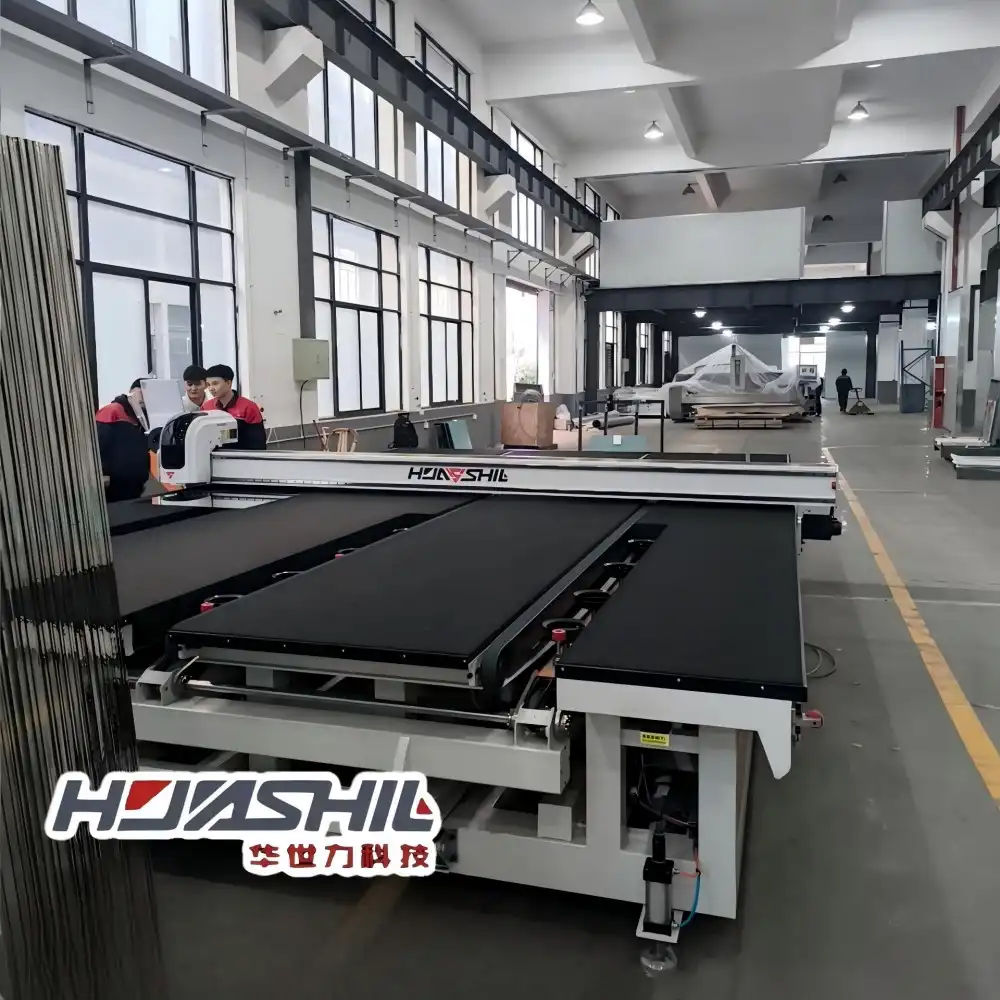
The dual-edge processing capability of glass double edger machines greatly increases operational throughput, enhancing production schedules and resource allocation.
Automated Material Handling
Servo motor-controlled conveyor systems make the whole processing operation more efficient. These automated systems keep the feed rate consistent to get the best performance from the grinding wheel and lower the amount of hands-on work that needs to be done. When production facilities move from human to automated glass edging systems, their throughput usually goes up by 25–40%.
Reduced Cycle Times
Automated feeding systems and programmable sets reduce the need for hands-on work. This automation makes it possible for the system to work around the clock during normal business hours, and it also cuts down on the cost of the work that's needed to handle and place the glass.
Versatility Across Glass Types and Applications
Glass double-edged tools are very useful because they can work with different types of glass and meet the needs of different industries.
Industry-Specific Applications
These tools are great in a lot of different areas. Architectural glass is used in things like doors and windows, as well as in curtain walls and separation systems. Automotive glass making gets better with exact edges that are safe for use in vehicles. The smart mirror industry depends on these machines to make unique forms and very precise edges. At the same time, furniture and decorative glass makers use them to create different edge styles that fit their customers' needs.
Customization Capabilities
Today's glass cutting machines are very customizable, which helps them meet the needs of different projects. Manufacturers can change their work to meet specific market needs without having to buy new tools because adjustable tooling setups, customizable edging profiles, and changing processing speeds make it possible.
Cost Savings Through Reduced Waste and Maintenance
Precision edging technology directly helps the bottom line by cutting down on material waste and making the most of maintenance plans.
Material Waste Reduction
Edge processing that is done correctly lowers the rate of breaking during handling and installation. According to industry figures, precision glass edging is 15–25% less wasteful than manual edging. This cut leads straight to better material use rates and lower costs for raw materials.
Predictable Maintenance Requirements
Well-designed glass edging tools last longer because they are made with strong materials and good construction. Routine maintenance plans usually include daily cleaning, weekly inspections, and monthly part replacements. These actions keep things running at top performance levels and avoid unplanned breaks.
Safety and Compliance Advantages
Making sure that workers are safe in glass processing settings is still very important. Modern glass double edger machines have safety features that protect workers and keep the machines' productivity high.
Integrated Safety Features
Modern glass edging machines have many safety features, like emergency stop buttons, shields around the grinding areas, and the ability to shut down automatically when safety limits are passed. These features meet international standards for industrial safety and give people who use them faith when they are working.
Training and Operational Guidelines
People-friendly interfaces with PLC touchscreen controls make operations easier and shorten the amount of time it takes for new workers to learn how to use them. While following safety rules, intuitive control methods let people with a range of skill levels get the same results.
Advanced Automation Features
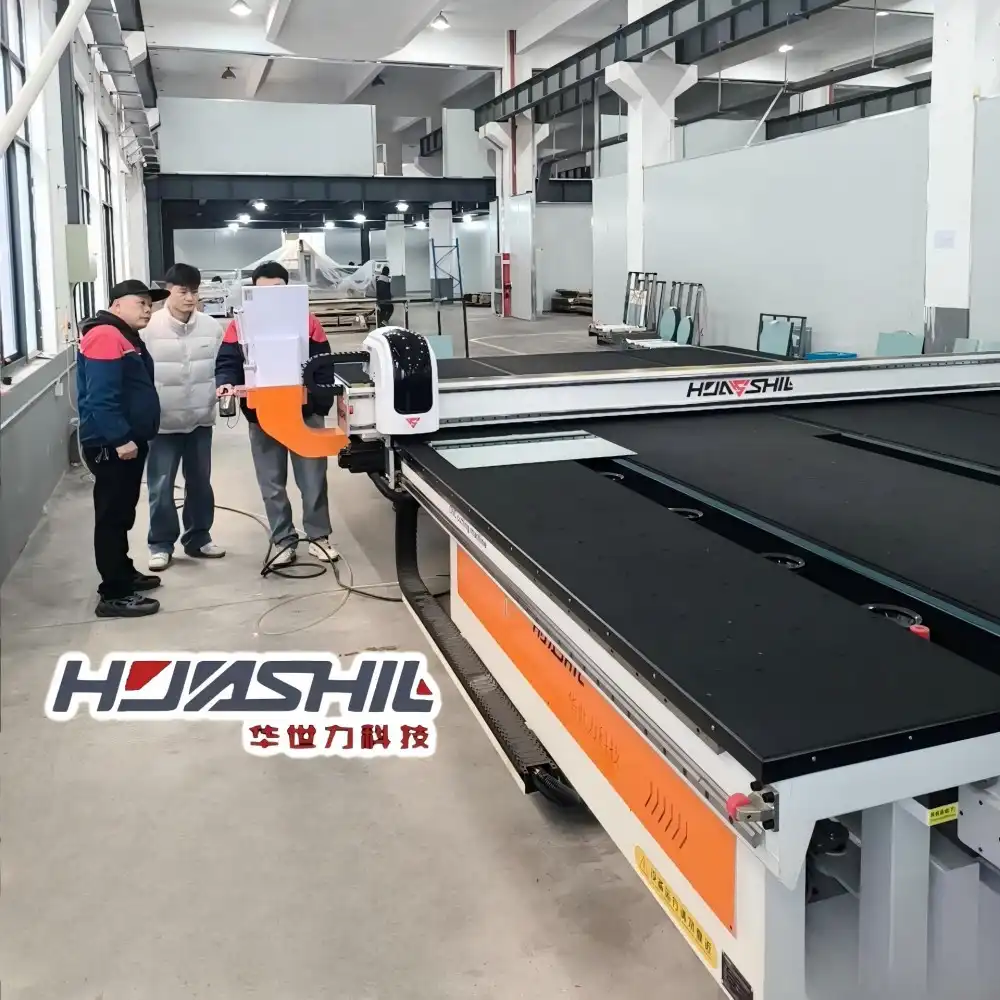
Today's glass handling needs advanced automation skills that make work more efficient without lowering quality.
Servo Motor Control Systems
When you use dual servo motors, you can precisely control both the parts that open and close and the parts that move the items around. This automation maintains consistent processing settings and allows workers to focus on quality control instead of making manual changes.
Integration with Production Lines
Glass cutting tables can be used with automatic glass filling robots so that the material flows smoothly. These systems position sheets of glass vertically and move them horizontally. This makes the processing lines fully automatic, which lowers the need for people to move things by hand.
A Variety of Options That Can Be Used in Different Types of Businesses
Procurement professionals get better results when they have a wide range of equipment choices that can be tailored to their specific needs and budget limits.
Equipment Configurations
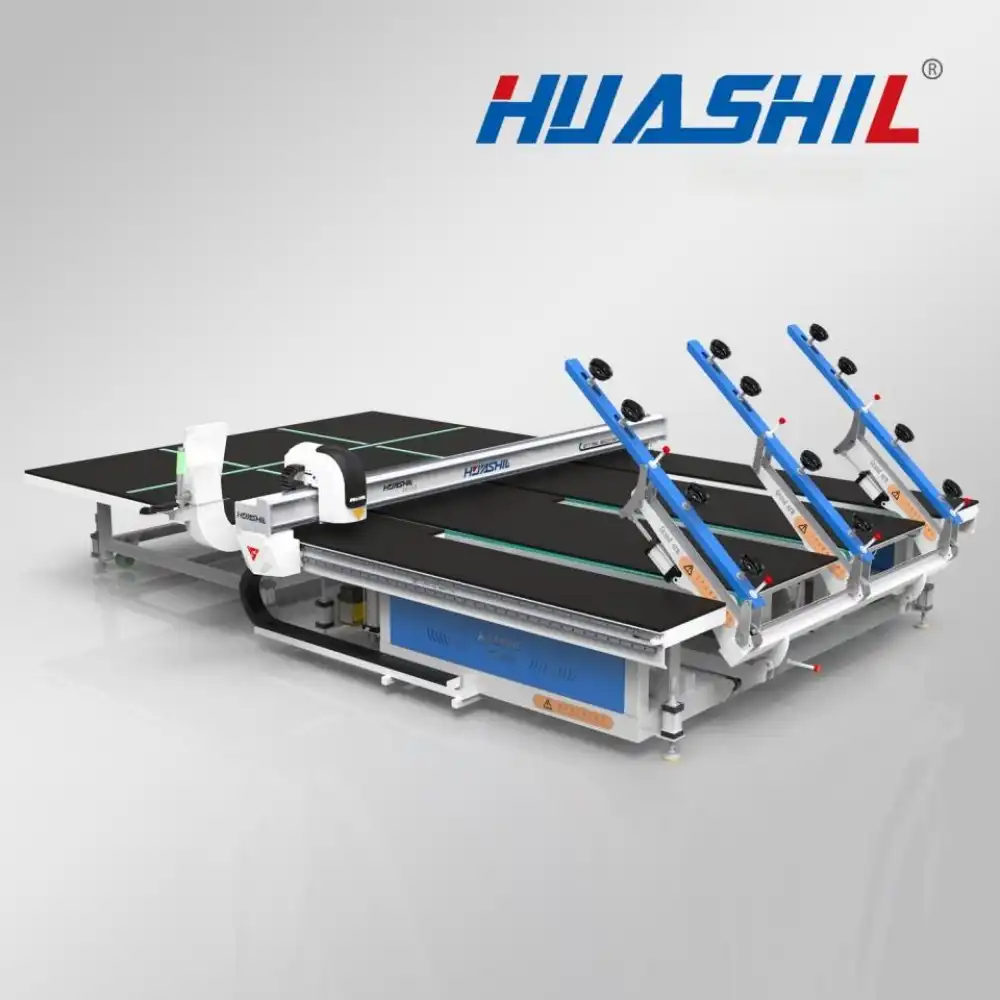
Glass processing businesses can choose automatic models that make high-volume operations as productive as possible or manual machines that are cheap and flexible. Some other choices are glass-tilting break tables for working with big sheets of glass and set break tables for sorting.
Scalable Solutions
Manufacturers of equipment offer options that can be scaled up or down for different business sizes and amounts of production. This flexibility makes sure that when production demands rise, businesses that are growing can add new features without having to buy all new equipment.
Quality Assurance and Durability
Professional glass cutting tools are built strong and work based on good engineering. They always work the same way.
Durable Construction Standards
Using high-quality materials and careful manufacturing makes the tools last longer and need less maintenance. These machines can handle environments with a lot of output, and they keep up with standards for accuracy even when they're used for a long time.
Performance Monitoring
Built-in tracking systems keep an eye on the way things are working and let operators know about possible problems before they affect the quality of production. This proactive method stops bad goods before they happen and keeps the edge quality the same across all production runs.
Market Competitiveness and ROI
Buying good glass edging tools will pay off in a big way by making your business more efficient, cutting down on waste, and making your products better.
Production Capacity Expansion
Automated glass edging systems let makers take on bigger jobs and deliver on time, even when they don't hire more people to do the work. This makes capabilities better, which helps the business grow and keeps profits high.
Quality Differentiation
Better edge quality helps manufacturers charge higher prices for their goods and build better relationships with customers by always delivering consistent quality with glass double edger machines. In competitive markets, this kind of difference becomes very useful.
Technical Support and Service
With broad technical support, you can use your tools to the fullest and keep your business running smoothly.
Training Programs
Suppliers of equipment usually offer long training sessions that teach people how to use, fix, and take care of the equipment. These programs make sure that operators can get the most out of their tools while still keeping safety in mind.
Parts Availability and Service
When maintenance or fixes need to be done, dependable service networks and parts supply chains make sure that downtime is minimal. Quick-turn support services help manufacturers stay on schedule with output and protect their investments in glass processing equipment.
Conclusion
If modern glass processing businesses want to improve quality, speed, and profit, they need glass double edger machines. The ten benefits listed show how these machines meet important business goals, such as precise edge quality, higher throughput, a wide range of applications, lower costs, compliance with safety standards, and technical reliability. Businesses that buy high-quality glass edging tools put themselves in a position to grow in a way that lasts while meeting the needs of a market that is changing to expect better glass products for architectural, automotive, and decorative uses.
FAQ
Q1: What's the main difference between a single edger and a glass double edger machine?
A: Double-edged tools for glass work on two edges at the same time, which is more efficient and ensures that the edges are always of the same quality. This is better than single edgers, which work on one edge at a time. This dual processing feature usually raises the output by 25–40% while still keeping the quality high.
Q2: How often does a glass double edger machine need to be taken care of?
A: Regular maintenance plans depend on how the machine is used, but most include daily cleaning, weekly inspections, and monthly part replacements to keep it working well and avoid breakdowns. Following the manufacturer's instructions will make sure your equipment lasts longer and always works the way it should.
Q3: Can a glass double edger machine be used on thick glass or other kinds of glass that are not used very often?
A: Yes, today's double edger machines can handle a wide range of thicknesses and different kinds of glass by using adjustable settings and custom tooling choices. The hole can be anywhere from 0.35 to 2.5 meters wide, which lets the machine work with different sizes and kinds of glass.
Partner with HUASHIL for Superior Glass Processing Solutions
Discover how HUASHIL's advanced glass double edger machines can transform your production capabilities with enhanced precision, efficiency, and reliability. As a leading glass double edger machine manufacturer, we provide comprehensive solutions tailored to your specific requirements. Our expert technical team stands ready to provide detailed consultations and competitive quotations that align with your operational goals. Experience the difference that quality engineering makes in your glass processing operations. Contact us at salescathy@sdhuashil.com to discuss your project requirements and explore our complete product catalog. Visit huashil.com for detailed specifications and technical documentation.
References
1. Glass Manufacturing Industry Council. "Automation in Glass Processing: Quality and Efficiency Standards." Industrial Glass Processing Journal, 2023.
2. International Glass Research Institute. "Edge Quality Requirements in Architectural Glass Applications." Building Materials Technology Review, 2023.
3. American Society of Glass Engineers. "Safety Standards for Industrial Glass Processing Equipment." Glass Industry Safety Handbook, 2022.
4. European Glass Technology Association. "Cost Analysis of Automated Glass Processing Systems." Glass Manufacturing Economics Quarterly, 2023.
5. Global Glass Processing Standards Organization. "Precision Requirements for Automotive Glass Components." Vehicle Glass Manufacturing Guidelines, 2022.
6. Industrial Automation Research Center. "ROI Analysis of Glass Processing Equipment Investments." Manufacturing Efficiency Studies, 2023.
